Your Turtle Watching Roadmap
Okay, let's cut to the chase. You're dreaming of seeing a sea turtle in the wild. Maybe you've seen those incredible photos online – a giant leatherback under the moonlight, or a graceful green turtle gliding past a snorkeler. You want that experience. But the internet is full of lists, and they all say something different. It's overwhelming.
I've been lucky enough to chase turtles across a few oceans myself. I've had magical moments and a few total duds (like that time I went to a "famous" spot in the wrong season and saw exactly... zero). So I'm not just pulling this from a textbook. Figuring out where is the best place in the world to see sea turtles isn't about picking one spot. It's about matching the right type of experience to what you actually want. Do you want to witness the raw drama of hundreds of turtles nesting on a beach? Or do you want to float peacefully beside one in crystal-clear water? The "best" place changes completely depending on your answer.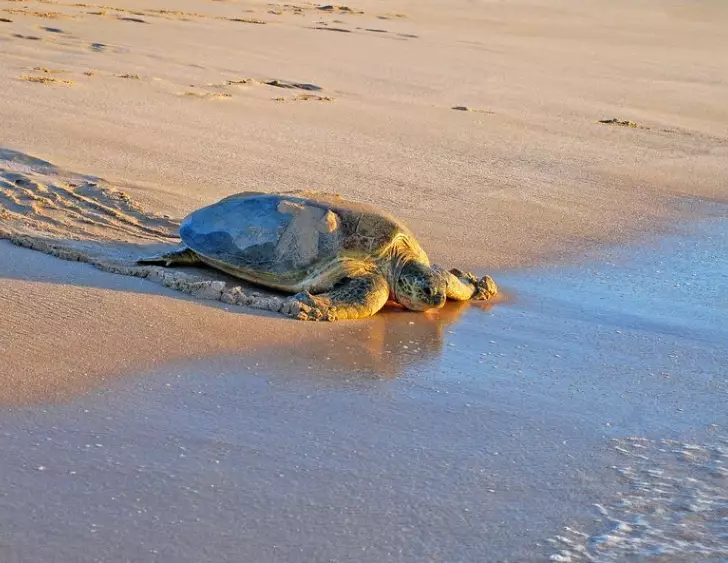
The core truth? There is no single "best" place. There are several phenomenal places, each offering a different flavor of turtle magic. Your job is to pick the adventure that fits your travel style and timing.
The Heavy Hitters: Top Global Destinations Broken Down
Let's talk about the big names, the places that consistently deliver mind-blowing encounters. These are the destinations that make every serious turtle-watcher's list for a good reason.
The Nesting Spectacles (Land-Based Drama)
If you want sheer, jaw-dropping numbers and a natural history event that feels ancient, you go for a nesting aggregation. This is about sitting on a dark beach and watching giants haul themselves out of the surf.
My personal top contender for the most intense nesting spectacle has to be Raine Island, Australia (in the Great Barrier Reef). We're talking about the planet's largest green turtle rookery. The numbers are almost incomprehensible – during peak season, tens of thousands of females might come ashore in a single night. Access is highly restricted to protect the site (you typically need to join a scientific expedition or a very limited, licensed tour), which keeps it pristine. It's not a casual beach trip; it's a pilgrimage. The Great Barrier Reef Marine Park Authority has tons of info on the conservation work happening there.
But for something more accessible (though still regulated), look at Tortuguero National Park, Costa Rica. This place is legendary. From July to October, green turtles swamp the black sand beaches. Then, from March to May, the massive leatherbacks take their turn. Walking the beach at night with a guide here is humbling. You can hear their heavy breathing before you see them. The park does a great job managing visitors to minimize disturbance. The Costa Rican National System of Conservation Areas (SINAC) manages the park, and their protocols are a model for ethical tourism.
Pro Tip for Nesting Sites: You will always need a licensed guide. No red lights, no flash photography. Your phone screen light is too bright. It's about patience and whispers. The turtles are doing hard, vulnerable work.
The Snorkeling & Diving Paradises (Water-Based Grace)
Maybe you're less about the midnight beach vigil and more about sunlit underwater serenity. You want to swim with turtles, not just watch them dig. For that, the criteria change completely. You need clear water, healthy reefs or seagrass beds (their cafeteria), and resident turtle populations.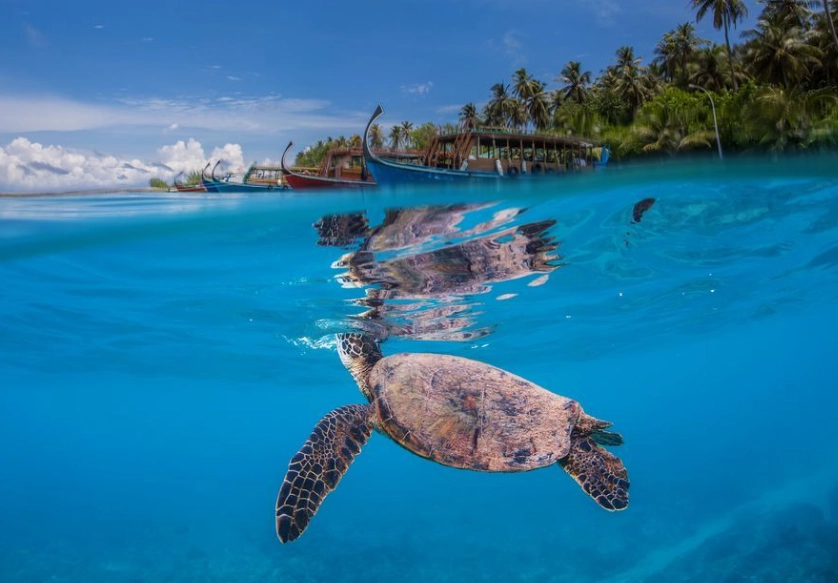
Hands down, one of the most reliable and magical places I've ever snorkeled with turtles is Akumal Bay, Mexico. The name literally means "Place of the Turtles" in Mayan, and it delivers. Green turtles graze on the seagrass beds just meters from shore. It's shockingly accessible. That's also its downside – it can get crowded. Go early in the morning, right when the operators open, for a quieter experience. The local community and government have implemented strict rules (like mandatory life jackets and guided areas) to protect the turtles, which is necessary but does change the vibe from a free swim to a more managed one.
For a more remote feeling, the Islands of Hawaii, especially the Big Island's west coast (like Kahalu'u Bay) and Maui, are incredible. Hawaiian green sea turtles, or 'honu,' are culturally revered and often seen basking on beaches (like at Laniakea Beach on Oahu's North Shore, famously called "Turtle Beach"). Seeing them sleep on the sand is a unique behavior. In the water, they're curious and graceful. The Hawaii Division of Aquatic Resources has clear guidelines: stay 10 feet away, never touch, and never chase.
Then there's Sipadan Island, Malaysia. It's a bucket-list dive site for a reason. It's not uncommon to see dozens of turtles on a single dive here – hawksbills and greens swirling around the famous drop-offs. It's a protected marine park with limited permits, so it never feels overrun. You have to be a certified diver to really experience it, though.
Let's be honest: Some places have become victims of their own popularity. I've seen people at Akumal and Laniakea crowd turtles, trying to touch them for selfies. It's infuriating. If a place feels like a zoo, it's bad for the turtles. Always choose operators who prioritize the animal's space over your photo op.
The Ultimate Comparison: Where Should YOU Go?
This table should help you visualize the trade-offs and find your best match. It’s the cheat sheet I wish I had before planning my first trip.
| Destination | Prime Experience | Best Time to Visit | Key Species | Access & Notes |
|---|---|---|---|---|
| Tortuguero, Costa Rica | Epic nighttime nesting spectacle (greens & leatherbacks) | Jul-Oct (Greens), Mar-May (Leatherbacks) | Green, Leatherback | Guided tours only. Rainforest setting, boat access. |
| Raine Island, Australia | Planet's largest green turtle nesting aggregation | Oct-Feb (Nesting season varies yearly) | Green | Extremely restricted. Mainly research/expedition access. |
| Akumal Bay, Mexico | Easy, reliable snorkeling with grazing turtles | Year-round (Water clearest May-Sep) | Green | Very accessible. Can be crowded. Managed snorkeling zones. |
| Hawaiian Islands (USA) | Snorkeling & unique basking behavior on beaches | Year-round (Summer seas calmer) | Green (Hawaiian) | Easy access. Strong cultural protection. Maintain 10ft distance. |
| Sipadan, Malaysia | World-class diving with high turtle density | Apr-Dec (Best visibility) | Green, Hawksbill | Limited daily permits for divers only. Advanced diving. |
| Oman (Ras Al Jinz) | Major nesting site for green turtles in the Middle East | Jun-Sep (Peak nesting) | Green | Guided night tours from the reserve center. Unique desert-meets-ocean landscape. |
See how different they are? Your choice hinges on what "seeing" means to you.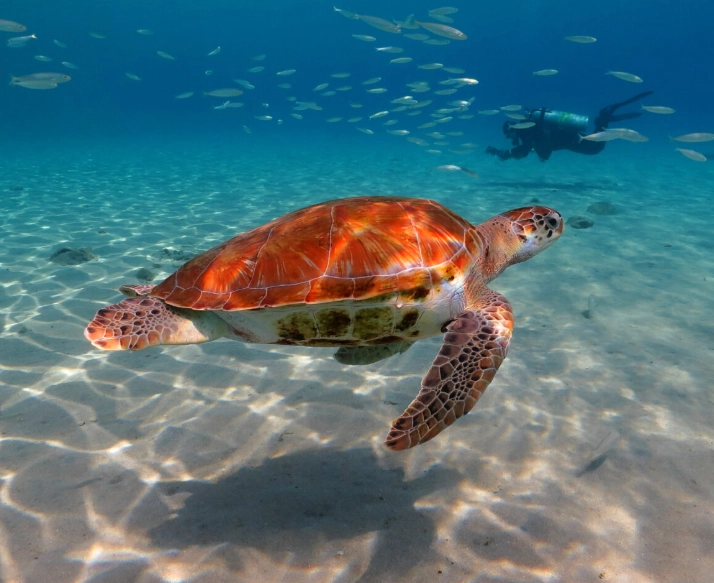
Beyond the Big Names: Hidden Gems & Regional Picks
Not everyone can fly to Malaysia or Costa Rica. The good news? Sea turtles are found in tropical and subtropical waters almost everywhere. You might have a fantastic opportunity closer than you think.
- Florida, USA: A major nesting hotspot! The east coast, from the Archie Carr National Wildlife Refuge (a hugely important site) down to the Keys, is turtle central in summer. You can join sanctioned nighttime walks with groups like the Florida Fish and Wildlife Conservation Commission partners.
- Greek Islands (Zakynthos): Home to the endangered loggerhead turtle. Laganas Bay is a protected nesting area. Boat tours can view them in the water, but must follow strict rules to avoid disturbing them.
- Great Barrier Reef, Australia (general): Beyond Raine Island, almost any reef snorkel or dive trip has a high chance of a turtle encounter. Heron Island or Lady Elliot Island are famous for it.
- Red Sea, Egypt: Dive sites around Marsa Alam are known for green turtle populations. It's a more offbeat choice for European travelers.
Your Practical Turtle-Watching Toolkit
Knowing where to go is half the battle. The other half is not messing it up. Here’s the real-world advice you need.
Timing is Everything (Seriously)
This is the most common mistake. Nesting is seasonal. In-water presence can be seasonal too, often linked to water temperature and food availability. Research is non-negotiable. For nesting, aim for the peak months, not the very beginning or end. For snorkeling, calm, clear summer seas are usually best, but check local weather patterns.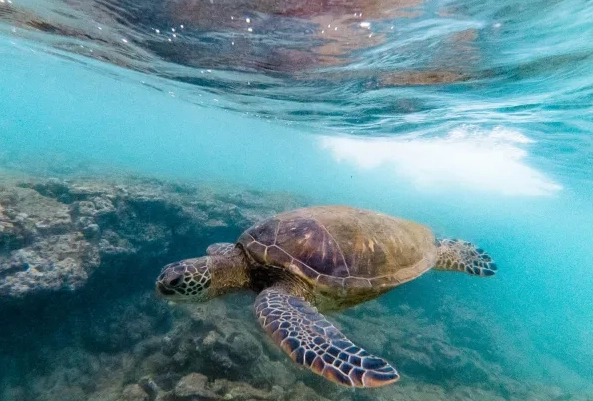
How to Choose a Tour Operator
- Look for Small Groups. Ask about their maximum group size. 20 people following one guide on a beach is a circus.
- Ask About Their Rules. Do they brief you on distance, lights, and silence? If they don't, it's a red flag.
- Check for Certifications. Are they licensed by the national park or wildlife agency? Do they partner with local conservation projects?
- Avoid anyone offering “guaranteed” touching or close-ups. That’s exploitation, not ecotourism.
What to Pack (The Non-Obvious Stuff)
- For nesting tours: Dark, long-sleeved clothing (bugs), closed-toe shoes, a red-light headlamp (if allowed), and immense patience.
- For snorkeling: Your own well-fitting mask and snorkel (hygiene and comfort), a rash guard to avoid sunscreen runoff, reef-safe sunscreen (this is mandatory, not optional).
- For your camera: A good low-light setting for nesting, a polarizing filter for over-water shots, and the discipline to sometimes just watch instead of filming.
The Ethical Golden Rule: The turtle's behavior comes first. If it changes what it's doing because of you (stopping digging, swimming away rapidly), you're too close. Back off. A memorable encounter is a natural encounter.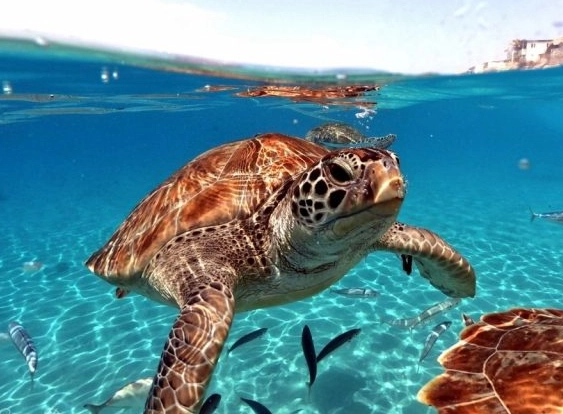
Straight Answers to Your Burning Questions (FAQ)
What is the single best place in the world to see sea turtles?
I still refuse to pick one! But if you held a gun to my head and forced me to choose based on consistency, accessibility, and wow factor for a first-timer, I'd say Tortuguero, Costa Rica for nesting, and Hawaii or Akumal for snorkeling. Tortuguero offers a perfectly managed, profound wilderness experience. Hawaii offers a beautiful mix of in-water and on-land viewing with strong cultural respect baked in.
Can I see sea turtles year-round?
Yes, but not everywhere. Some places, like Hawaii or parts of the Great Barrier Reef, have resident populations you can see any month. Others, like major nesting beaches, are dead outside of a specific 3-4 month window. Always, always check the specific destination's seasonality.
Is it better to see them nesting or swimming?
Apples and oranges. Nesting is a dramatic, emotional, sometimes slow-paced wildlife drama. Swimming with them is a joyful, graceful, personal connection. I value both deeply, but the nesting experience feels more like witnessing a ancient ritual. The swim feels more like a shared moment.
How can I make sure my visit doesn't harm the turtles?
This is the most important question. 1) Maintain a respectful distance (on land and in water). 2) Never use white light on a nesting beach. 3) Wear only mineral-based, reef-safe sunscreen. 4) Never touch, chase, or attempt to ride a turtle. 5) Support local guides and conservation fees—your money should help protect them. The IUCN Marine Turtle Specialist Group is a fantastic resource for global conservation guidelines.
What's the biggest mistake tourists make?
Flooding the turtle with light from their phones on a dark beach. It can disorient her and cause her to abandon nesting. That's a female who might have traveled thousands of miles, and you just made her waste all that energy. It's heartbreaking and easily avoidable.
Are there any places I should avoid?
Be wary of any attraction that promises you can "hold a baby turtle" or poses turtles for photos in unnatural settings. These animals are often stressed and illegally taken from the wild. Stick to in situ (in their natural place) viewing. Also, places with no regulations, where boats and swimmers mob a single turtle, are best skipped. Your tourism dollars vote for the kind of practices you support.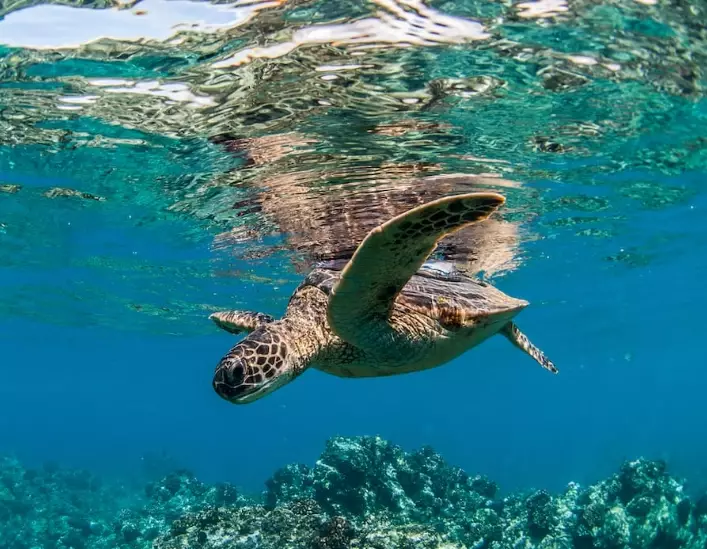
Wrapping It Up: Finding Your Best Place
So, where is the best place in the world to see sea turtles? It's the place where your travel calendar, your desired experience (heart-pounding nesting or serene snorkeling), and your commitment to ethical watching all intersect.
For the ultimate nesting drama, book a guided tour in Tortuguero or Oman during peak season. For an almost guaranteed swim-along, head to Akumal early in the morning or to a Hawaiian bay. For a once-in-a-lifetime dive spectacle, get certified and aim for Sipadan.
The magic isn't just in the location.
It's in the quiet moment on a dark beach, listening to the waves and the sound of a creature 100 million years old digging in the sand. It's in the sudden eye contact you make with a turtle underwater, a brief flicker of connection before it effortlessly turns and glides away. That moment is what you're after. Do your homework, pick your spot wisely, tread lightly, and you'll find it. The world still has these incredible places. Let's keep it that way.
Your comment