Your Quick Guide to Swimming with Turtles in Hawaii
- Why Swimming with Sea Turtles in Hawaii is Unforgettable
- Top 5 Best Places to Swim with Sea Turtles in Hawaii
- How to Plan Your Sea Turtle Snorkeling Trip: A Step-by-Step Guide
- Common Mistakes Even Experienced Snorkelers Make with Sea Turtles
- Answers to Your Burning Questions About Hawaii Sea Turtle Encounters
Swimming with sea turtles in Hawaii isn't just a bucket-list item—it's a moment that sticks with you. I remember my first time at Turtle Bay, Oahu: the water was clear, and a green sea turtle glided right past me, close enough to see the patterns on its shell. It felt magical, but I also saw people crowding it, which ruined the experience. That's why I've put together this guide: to help you have that magic without the mistakes. Let's dive in.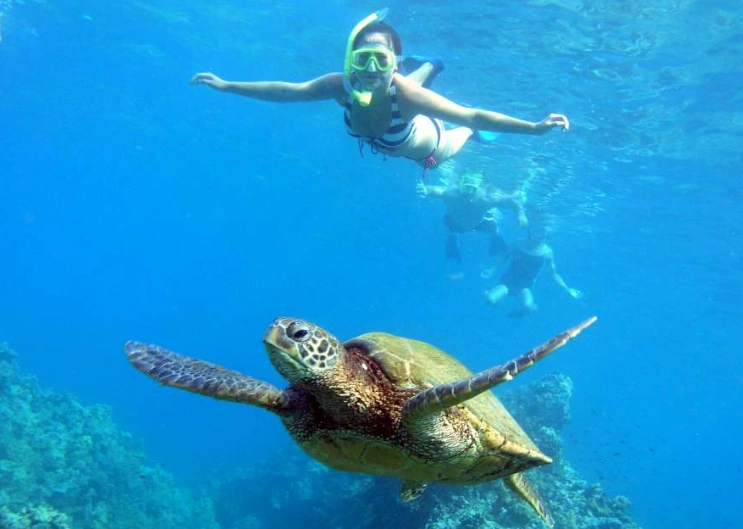
Why Swimming with Sea Turtles in Hawaii is Unforgettable
Hawaii is one of the few places where you can reliably swim with sea turtles in their natural habitat. The islands are home to green sea turtles (honu) and hawksbill turtles, often seen in shallow reefs. It's not just about the photos; it's about connecting with marine life in a way that feels respectful and awe-inspiring. But here's the thing—many tourists treat it like a zoo exhibit, which can harm the turtles. I'll show you how to do it right.
Top 5 Best Places to Swim with Sea Turtles in Hawaii
Not all spots are created equal. Some are crowded, some require a hike, but these five stand out for consistency and access. I've ranked them based on my experiences and local tips.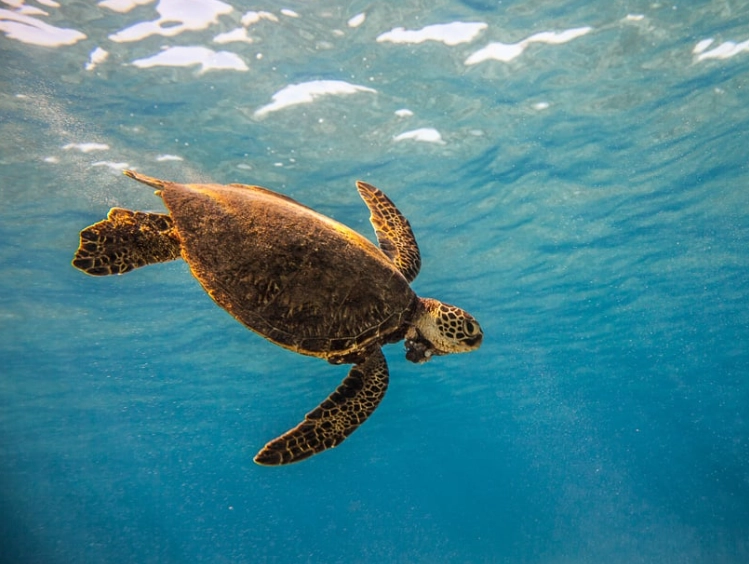
| Spot Name | Island | Best Time to Visit | Access & Fees | Why It's Great |
|---|---|---|---|---|
| Turtle Bay (Kuilima Cove) | Oahu | Early morning (7-9 AM) | Free public access; parking available | Calm waters, frequent turtle sightings, good for beginners |
| Hanauma Bay Nature Preserve | Oahu | Weekdays, reservation required | $25 per person entry fee; closed Tuesdays | Protected marine area, high turtle density, educational programs |
| Kahalu'u Beach Park | Big Island | Mid-morning to avoid surf | Free; lifeguards on duty | Easy shoreline entry, turtle cleaning stations, less crowded |
| Honolua Bay | Maui | Summer months for calm water | Free; rocky entry, park on roadside | Pristine coral reefs, turtles often feeding, scenic views |
| Laniakea Beach (Turtle Beach) | Oahu | Afternoons on weekdays | Free; limited parking, often crowded | Turtles bask on shore, great for photos, volunteer monitors |
Turtle Bay, Oahu: The Beginner's Paradise
Located on Oahu's North Shore, Turtle Bay is my go-to for first-timers. The cove is sheltered, so waves are minimal. Address: 57-091 Kamehameha Highway, Kahuku, HI 96731. No fees, but parking fills up by 10 AM. I suggest arriving by 7:30 AM—you'll see turtles grazing on algae, and the light is perfect for photos. The downside? It can get busy with hotel guests, but early birds avoid that.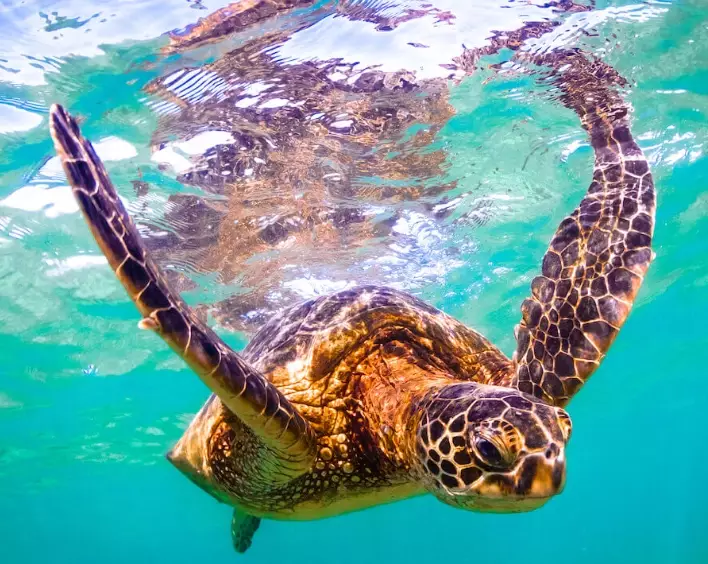
Hanauma Bay, Oahu: The Controlled Experience
Hanauma Bay requires planning. You need a reservation online (book at least two days ahead), and there's an entry fee that includes an educational video. Address: 7455 Kalanianaole Hwy, Honolulu, HI 96825. Hours: 6:45 AM to 4 PM, closed Tuesdays. It's worth it for the guaranteed turtle sightings, but the crowds can be overwhelming. Pro tip: Rent gear outside the bay to save money.
How to Plan Your Sea Turtle Snorkeling Trip: A Step-by-Step Guide
Planning makes or breaks your experience. Here's a simple breakdown from my own trips.
Step 1: Choose Your Season
Sea turtles are year-round in Hawaii, but conditions vary. Summer (May to October) offers calmer waters, better for snorkeling. Winter can be rough, especially on north shores. I prefer spring—fewer tourists, turtles are active.
Step 2: Book Gear or Tours
If you're new, book a guided tour. Companies like Hawaiian Ocean Project on Maui or Oahu Turtle Tours provide gear and local knowledge. Expect to pay $80-$120 per person. For DIY, rent snorkel sets from shops like Snorkel Bob's—around $20 per day. Don't forget reef-safe sunscreen; regular stuff harms coral.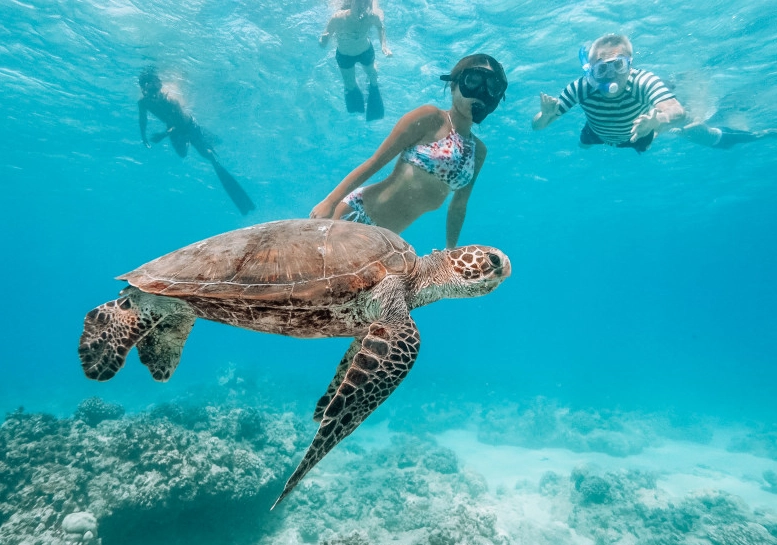
Step 3: Pack Smart
Essentials: mask, snorkel, fins (rent if needed), rash guard, waterproof camera, water shoes, reusable water bottle, and a small dry bag. I always pack a light snack—snorkeling burns energy.
Step 4: Check Weather and Tides
Use sources like the National Weather Service for Hawaii marine forecasts. Avoid days with high surf advisories. Low tide often means better visibility for turtle spotting.
Common Mistakes Even Experienced Snorkelers Make with Sea Turtles
Here's where I share the non-consensus stuff—things most guides won't tell you.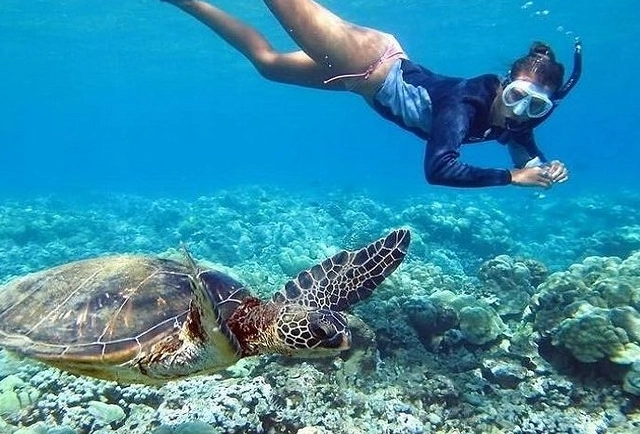
Mistake 1: Chasing Turtles for the Perfect Shot
I get it, you want that Instagram photo. But swimming directly toward turtles scares them off. Instead, float calmly and let them approach you. I've seen turtles change their path just to avoid aggressive swimmers.
Mistake 2: Ignoring Entry and Exit Points
At places like Honolua Bay, the entry is rocky. People slip and damage coral. Use designated paths or sandy areas. I once cut my foot because I rushed—not fun.
Mistake 3: Overlooking Local Regulations
Some spots, like Hanauma Bay, have strict rules (e.g., no touching coral). Fines can be up to $500. Always read signage; volunteers are there to help, but it's on you to know.
Mistake 4: Assuming All Turtles are Friendly
Turtles are wild animals. They might nip if provoked (rare, but it happens). Keep your hands to yourself. I've had a turtle bump my fin out of curiosity, but that's it—no touching.

Answers to Your Burning Questions About Hawaii Sea Turtle Encounters
Swimming with sea turtles in Hawaii is more than a activity—it's a responsibility. By choosing the right spot, planning ahead, and respecting the animals, you'll have an experience that's both thrilling and sustainable. I still go back to Turtle Bay every year, and it never gets old. Now, go make your own memories, but do it wisely. The turtles will thank you.
Your comment