Quick Guide
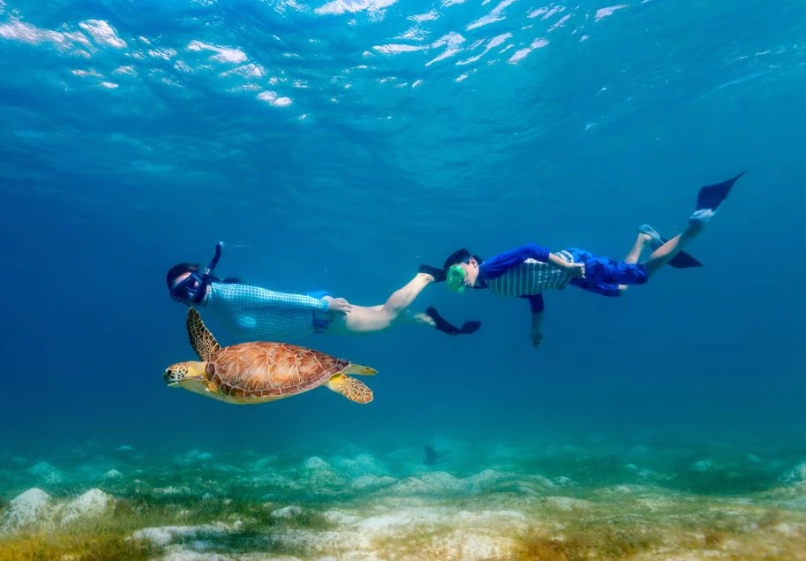
So you want to know where you can swim with sea turtles in the USA? I get it. There's something almost magical about gliding through the water and locking eyes with a creature that's been navigating our oceans since the dinosaurs. It's not just a box to tick on a vacation checklist; it feels like a genuine connection with the wild. I remember my first time off the coast of Maui—a green turtle, bigger than I expected, just hovering over a coral head, completely unfazed by my presence. I was the one who was breathless (and not just from snorkeling).
But here's the thing. Not every beach in the U.S. offers this chance, and doing it the right way matters—a lot. This isn't about chasing or touching. It's about respectful, awe-inspiring observation. This guide is here to cut through the noise and give you the real, practical info you need to plan that perfect encounter. We'll cover the top spots, the how-tos, the when-tos, and the big no-nos. Let's dive in.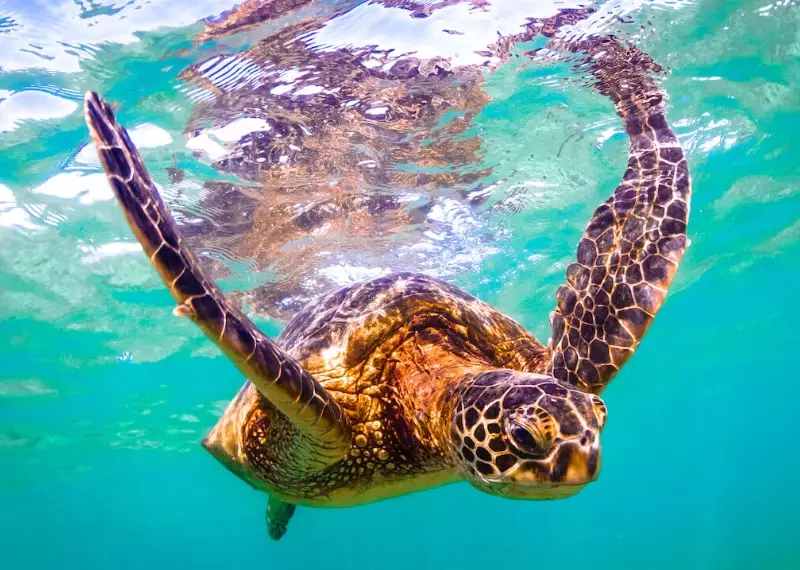
Quick Reality Check: Wild sea turtles are protected under laws like the U.S. Endangered Species Act. Harassing them (which includes touching, chasing, or riding them) is illegal and can result in hefty fines. The best encounters are passive—you observe, they go about their day. Think of yourself as a guest in their home.
Top Spots to Swim with Sea Turtles in the USA
The United States has some incredible coastlines that are vital habitats for several species of sea turtles, primarily greens and hawksbills. The answer to "where can you swim with sea turtles in the USA?" largely points to two main states: Hawaii and Florida. But there are a few other surprising contenders.
Hawaii: The Undisputed Turtle Paradise
If there's a capital for swimming with sea turtles in the USA, it's Hawaii. The Hawaiian green sea turtle (honu) is culturally revered and relatively common. Their populations are healthier here than in many places, making encounters frequent but still special.
Oahu - Turtle Canyon (Off Waikiki): This is probably the most famous spot. Don't let the touristy Waikiki backdrop fool you. Just a short boat trip out, the area known as Turtle Canyon lives up to its name. The underwater landscape funnels turtles to cleaning stations. I've been on tours where we saw half a dozen in one dive. Book a dedicated snorkel tour from Ala Wai or Kewalo Basin Harbor. The crews know the exact spots.
Maui - Honolua Bay & Olowalu: For a more DIY approach, Maui is king. Honolua Bay is a marine life conservation district. Park near the cliff (respect the locals and don't block driveways), take the short path down, and swim out. Turtles munch on algae on the rocks along the north side. Olowalu, just south of Lahaina, is another hotspot known as "Turtle Town." The shoreline access is trickier, so many opt for a kayak or paddleboard tour to reach the best reefs.
The Big Island - Pawai Bay: Located in the Kekaha Kai State Park, getting to Pawai Bay involves a bumpy drive and a hot walk, which filters the crowds. The payoff is a stunning, often quiet bay with crystal-clear water and almost guaranteed turtle sightings along the lava rock edges. This felt like a true discovery compared to the more popular spots.
Kauai - North Shore & Poipu: During calm summer months, the north shore reefs near Tunnels Beach and Anini Beach can be fruitful. In winter, the south shore around Poipu Beach Park often has turtles resting on the sand or swimming just past the break.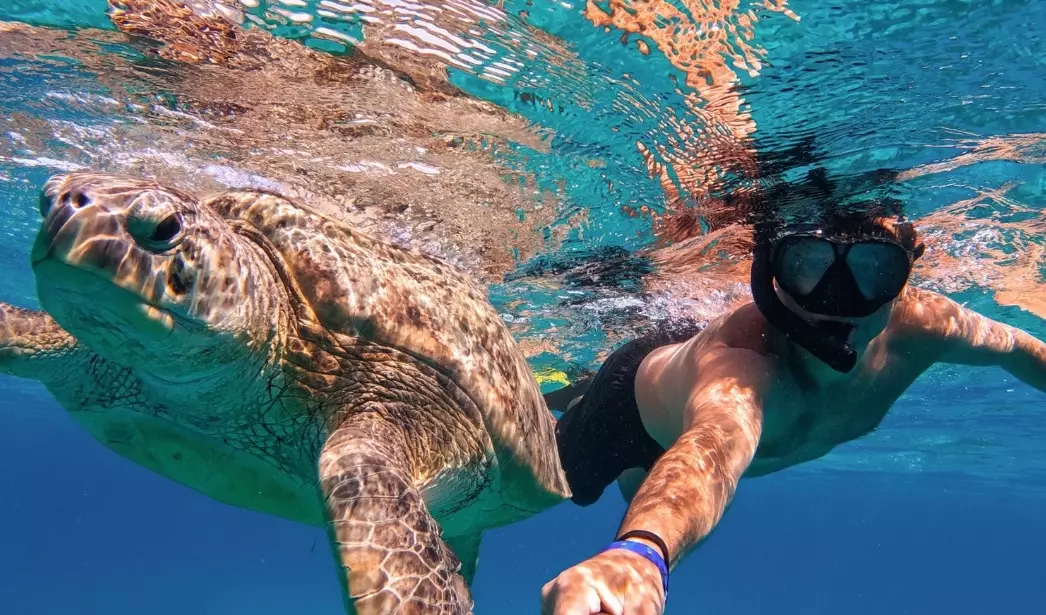
Local's Tip for Hawaii: Early morning is not just for beating crowds. Turtles are often more active then. The water is calmer, and the sun isn't directly overhead, so the light penetrates better for viewing. Plus, you'll have that magical morning serenity all to yourself.
Florida: The Atlantic & Gulf Coast Haven
Florida is a major nesting ground for loggerheads, greens, and leatherbacks. While nesting is a beach event (at night, no swimming), in-water encounters are fantastic in specific locations, especially in the Florida Keys and certain Gulf Coast areas.
The Florida Keys - Dry Tortugas National Park & Key West: This is the holy grail for many. The Dry Tortugas, 70 miles west of Key West, is remote and requires a ferry or seaplane. That effort is rewarded with pristine reefs and abundant marine life, including turtles. Closer to Key West, sandbars and reefs off Higgs Beach or on tours to the Marquesas Keys are reliable. The water clarity here can rival the Caribbean.
West Palm Beach / Jupiter: This area is less known for casual snorkeling but is a world-class diving location. The Gulf Stream comes close, bringing clear, warm water and loads of life. Ledges like the one at Jupiter Reef are cleaning stations for greens and loggerheads. You'll need to be a certified diver for most of these sites, but the encounters are profound—sometimes with massive loggerheads.
Crystal River & Homosassa (West Coast): This is a unique and seasonal twist. From November to March, you can swim with manatees in these freshwater springs. But why is it on a turtle list? On the boat rides out to the springs, especially in the warmer months, it's very common to see turtles swimming in the brackish canals and bays. Some tours even combine manatee viewing with snorkeling on nearby coastal reefs where turtles live. It's a two-for-one wildlife experience.
Broward & Miami-Dade Counties: Artificial reefs and natural ledges off Fort Lauderdale and Miami can be productive. Places like the reef line off Lauderdale-by-the-Sea (a great shore-dive spot) often have turtles. The challenge here can be water clarity, which is best on calm, sunny days.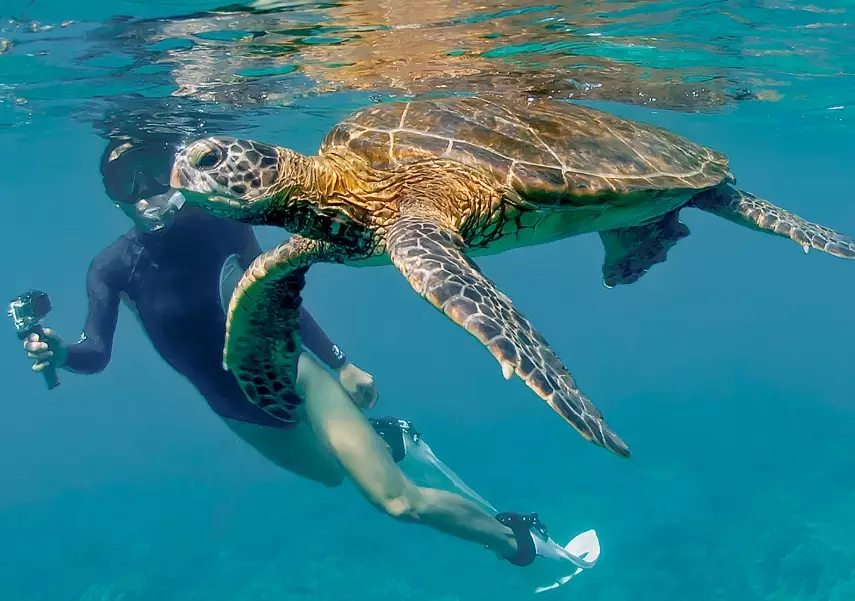
Other Notable US Locations
Puerto Rico & US Virgin Islands: As U.S. territories, they're valid answers to "where can you swim with sea turtles in the USA?". Puerto Rico's Culebra Island (especially Luis Peña Channel Natural Reserve) and Vieques are fantastic. In St. Croix (USVI), Buck Island Reef National Monument is a protected sanctuary with a marked underwater trail where turtle sightings are nearly constant.
Southern California (A Rarer Chance): Don't get your hopes up for a routine swim. The Pacific green turtle has a small, recovering population that primarily resides in the warm-water outflow of the San Gabriel River near Long Beach and in the lagoons of San Diego Bay. These are critical, protected habitats. Snorkeling with them is generally not promoted or ethical there. However, on rare, warm-water years, juvenile turtles may be spotted around kelp forests offshore. It's a special sighting, not a guaranteed activity.
| Location | Best Time of Year | Most Common Turtle | Experience Level | Key Notes |
|---|---|---|---|---|
| Oahu, HI (Turtle Canyon) | Year-round | Green (Honu) | Beginner (boat tour) | Most reliable, often crowded. Boat required. |
| Maui, HI (Honolua Bay) | Summer (calmer seas) | Green (Honu) | Intermediate Snorkeler | Shore access. Strong currents possible in winter. |
| Dry Tortugas, FL | April - Sept | Loggerhead, Green | All Levels (boat access) | Remote, pristine, requires planning/ferry. |
| Key West, FL Reefs | Year-round | Green, Hawksbill | Beginner (tour) | Easy access, many tour options. |
| Crystal River, FL | May - Oct (for turtles) | Mostly Freshwater Species | Beginner | Unique ecosystem. Turtles in canals/bays en route to springs. |
| St. Croix, USVI | Year-round | Green, Hawksbill | Beginner | Protected trail, high likelihood. |
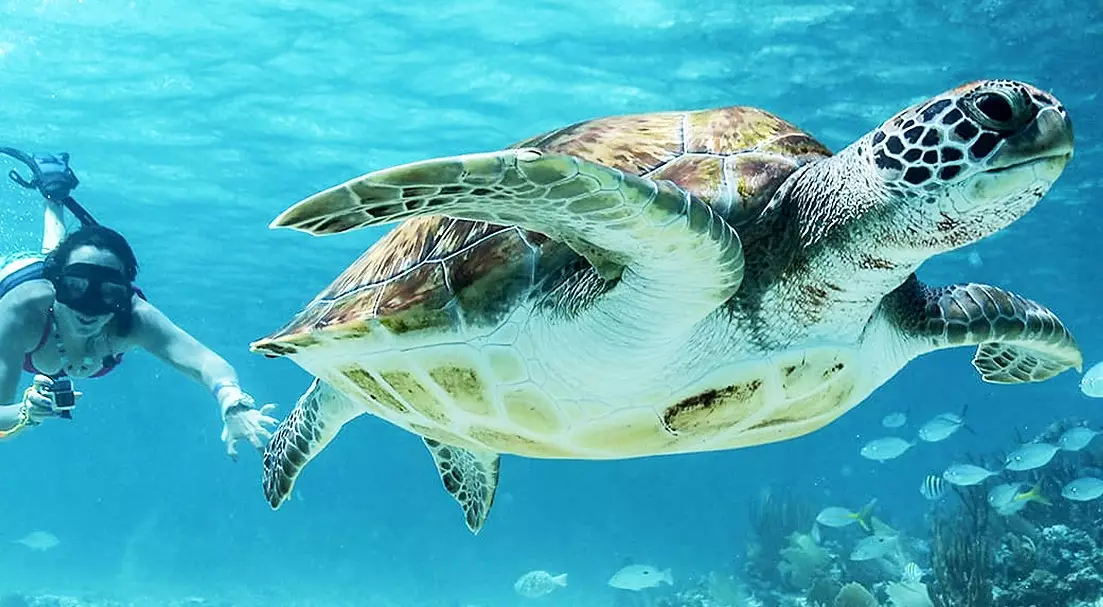 Seeing that ancient silhouette emerge from the blue haze is a feeling you don't forget.
How to Have a Safe & Responsible Turtle Encounter
This is the most important section. Loving sea turtles to death is a real risk. Our actions directly impact their stress levels and health.
The Golden Rules:
- Look, Don't Touch: Never, ever touch a sea turtle. The oils and microbes on our hands can damage their shells and skin. It's also illegal.
- Give Space: Maintain a distance of at least 10 feet (3 meters). If the turtle starts swimming away from you, you're too close. Don't corner them.
- No Chasing: Let them control the interaction. If you're kicking hard to follow one, stop. You're harassing it.
- Don't Feed Them: It alters their natural behavior and diet.
- Be Aware of Your Fins: Practice good buoyancy. Hover horizontally. Don't stand on or kick the reef—that's their home and food source.
I once saw a snorkeler grab onto a turtle's shell to take a selfie. The turtle jerked away and bolted. The entire group was furious, and the tour guide rightfully gave that person an earful before radioing the incident in. It ruined the moment for everyone and stressed an animal that's already facing enough threats. Don't be that person.
Choosing a Responsible Tour Operator
If you're going with a guide, your choice matters. A good operator enforces the rules.
- Ask Questions: Before booking, ask about their wildlife interaction policy. Do they give a briefing? What distance do they recommend?
- Look for Eco-Certifications: Many in Hawaii and Florida are certified by programs like Green Fins or are partners with local conservation groups like the SEE Turtles non-profit.
- Smaller Groups: Operators with smaller guest-to-guide ratios (e.g., 6:1) offer better control and a more personal experience than packed boats.
- Read Reviews: Scan recent reviews on platforms like TripAdvisor for mentions of staff enforcing rules and educational commentary.
Planning Your Trip: The Nitty-Gritty Details
When to Go
Timing isn't just about turtle activity; it's about your comfort and safety.
- Hawaii & Florida Keys: Year-round is possible. Summer offers the calmest seas and clearest water for snorkeling. Winter can be rougher, especially on north shores (like Kauai's north shore in winter—avoid for snorkeling).
- Water Visibility: It's best after a period of calm weather. Rain and wind churn up sand and sediment. Check marine forecasts.
- Turtle Behavior: They are reptiles and need to surface to breathe. You'll often see them coming up for air, which is a great viewing opportunity. They also spend hours resting under ledges or on the seabed—move slowly and you might spot one napping.
What You'll Need to Bring
Beyond your swimsuit, a few items will make your day better.
Your Turtle Snorkel Kit:
- Quality Mask & Snorkel: A foggy, leaky mask ruins everything. Consider a dry-top snorkel. If you're a serious snorkeler, invest in your own gear for a perfect fit. Rental gear is often just okay.
- Fins: Full-foot fins for warm water, open-heel with booties for rocky entries. They give you power with minimal effort, so you don't splash and scare wildlife.
- Rash Guard or Wetsuit Top: Sun protection is critical. A rash guard protects your back from sunburn without the mess of sunscreen. A 1mm or 2mm top also adds buoyancy and warmth if you're in the water for hours.
- Reef-Safe Sunscreen: This is non-negotiable. Chemicals like oxybenzone and octinoxate bleach and kill coral, destroying turtle habitat. Look for mineral-based (zinc oxide, titanium dioxide) sunscreens labeled "Reef Safe." Apply it at least 15 minutes before entering the water. Better yet, cover up with clothing first.
- Waterproof Camera or GoPro: For memories. Use a floaty handle or wrist strap so you don't drop it. Remember, no flash photography underwater.
- Reusable Water Bottle: Stay hydrated. Plastic pollution is a major threat to sea turtles.
I learned the rash guard lesson the hard way. A long day on a Maui snorkel trip left me with a back so sunburned I couldn't sleep for two nights. Now a long-sleeve rash guard is the first thing in my bag.
Beyond the Swim: Understanding & Protecting Sea Turtles
Knowing a little about their biology makes the encounter richer. The turtles you'll most likely see are greens (herbivores, munching on algae and seagrass) and hawksbills (spongivores, with pointed beaks for reef crevices). Loggerheads are bigger, with massive heads for crushing conch and crabs.
All seven species of sea turtles are threatened or endangered. The biggest dangers they face are habitat loss, plastic pollution (they eat plastic bags thinking they're jellyfish), entanglement in fishing gear, and climate change (warming sands affect nesting sex ratios).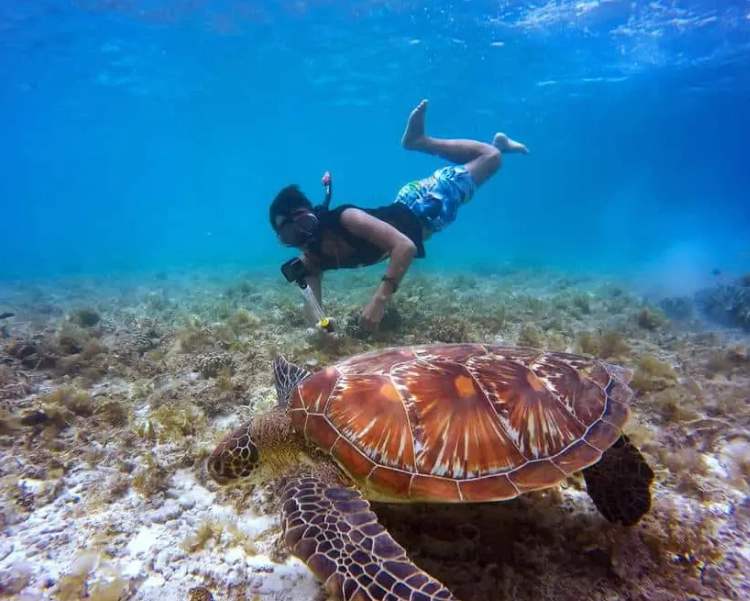
So, what can you do after your amazing swim?
- Support Conservation: Consider donating to or volunteering with organizations like the Sea Turtle Conservancy or Turtle Island Restoration Network.
- Reduce Plastic Use: Skip single-use plastics. Use reusable bags, bottles, and straws.
- Choose Sustainable Seafood: Look for certifications that help reduce bycatch.
- If You See a Turtle in Distress: In the U.S., note your location and call the NOAA Fisheries hotline at (888) 256-9840 or the FWC Wildlife Alert in Florida at (888) 404-3922. Don't try to handle it yourself.
Frequently Asked Questions
Is it safe to swim with sea turtles?
Absolutely. Sea turtles are not aggressive toward humans. They are gentle giants (or not-so-giants). The risk comes from you bothering them or from general ocean hazards like currents or boat traffic. Always swim with a buddy, heed local warnings, and respect the turtle's space for a safe experience.
What is the best time of day to see them?
Early morning, shortly after sunrise, is often prime time. The water is usually calmer, the light is beautiful for visibility, and the turtles are active. Midday can be good too, but beaches and boats are more crowded. Late afternoon can also be productive as things quiet down again.
Can I swim with sea turtles for free, or do I need a tour?
You can do both! In places like Maui's Honolua Bay or parts of Oahu's North Shore, you can access turtle habitats from shore with your own gear. This requires research, confidence in your swimming/snorkeling ability, and understanding local conditions. Tours provide convenience, transportation to the best spots, safety oversight, and (hopefully) educational value. They are great for beginners or for accessing offshore reefs.
What should I do if a sea turtle swims right toward me?
Stay still and let it pass. They have excellent navigation and are not trying to collide with you. Flailing or backing up quickly might startle it. Just float calmly and enjoy the close-up view as it goes by. It's a magical moment when it's on their terms.
Are there places in the continental USA besides Florida and Hawaii?
Reliable, in-water swimming encounters are really concentrated in Florida and Hawaii (and the territories). While turtles inhabit waters off states like Texas, the Carolinas, and even as far north as Massachusetts, the water is often murky, colder, and encounters are far less predictable and not an activity you can plan for. The warm, clear, reef-rich environments of Florida and Hawaii create the ideal setting for consistent snorkeling encounters.
Figuring out where you can swim with sea turtles in the USA is the first step toward an unforgettable experience. Whether you choose the easy-access reefs of Key West, the legendary Turtle Canyon of Oahu, or the remote beauty of the Dry Tortugas, the key is to go with respect and wonder. Do your homework, pick a responsible operator if you need one, gear up smartly, and follow those golden rules in the water.
The goal isn't just to get a photo. It's to witness a piece of ancient ocean life thriving, and to come away not just with a memory, but with a stronger desire to protect them. That's the real magic of the encounter. Now get out there and float quietly—you might just make a timeless friend.
Your comment