Let's cut straight to the point. No, you cannot and should not touch sea turtles in St. Thomas, the U.S. Virgin Islands, or anywhere else in the wild. It's not just a suggestion for being polite; it's a matter of federal law, animal welfare, and basic ecological responsibility.
I've been snorkeling and diving these waters for over a decade, guiding countless visitors. The desire to reach out and touch a graceful green turtle as it glides by is almost instinctive. I get it. But that single touch can have consequences most tourists never consider.
This guide isn't about scolding. It's about giving you the knowledge to have an incredible, ethical encounter that leaves both you and the turtles unharmed. We'll cover the hard legal facts, the science behind why touching is damaging, and—most importantly—how to have a magical experience observing them the right way.
Your Quick Guide to St. Thomas Sea Turtles
The Hard Legal Facts: It's Not Just a Request
Many visitors think the "don't touch" signs are just gentle guidelines. They are not. In St. Thomas, you are subject to U.S. federal law.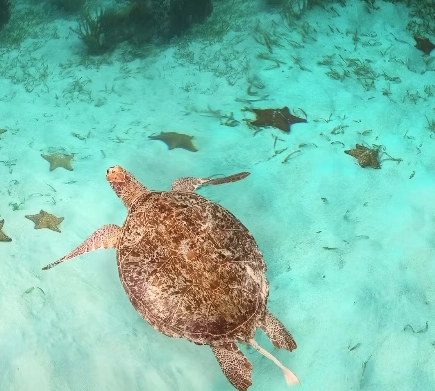
The Endangered Species Act (ESA) lists both green sea turtles and hawksbill sea turtles (the two most common species around St. Thomas) as either threatened or endangered. "Harassing" protected wildlife—which includes touching, chasing, or any action that disrupts normal behavior—is a federal violation.
The Marine Mammal Protection Act (MMPA) also establishes a mandatory 10-foot minimum distance for marine animals, a standard ethically applied to sea turtles.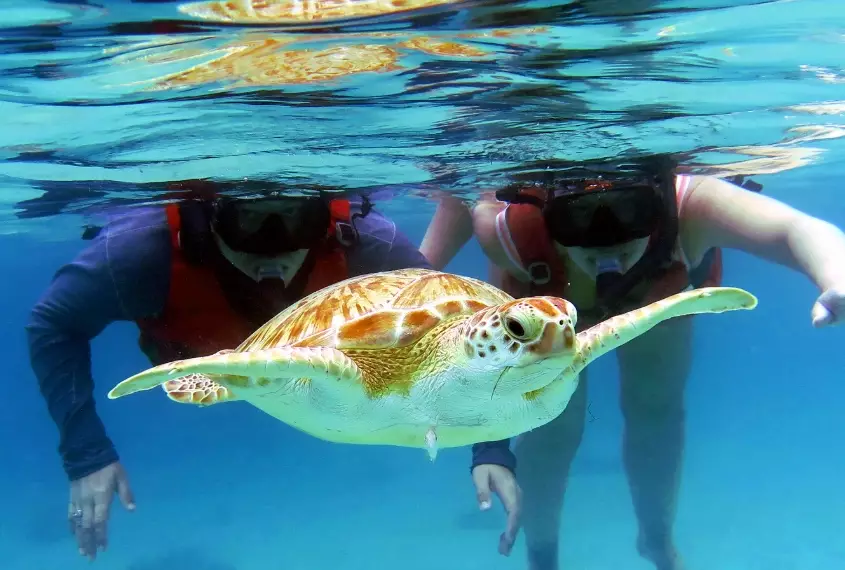
Enforcement is real. The National Oceanic and Atmospheric Administration (NOAA) Fisheries and the USVI Department of Planning and Natural Resources (DPNR) can and do levy fines. I've seen it happen. A tourist gets excited, grabs a shell for a photo, and next thing they know they're facing a penalty that can run into thousands of dollars. It turns a dream vacation into a legal nightmare.
Think of it this way: that turtle swimming near Magens Bay is a protected U.S. citizen. You wouldn't walk up and grab a bald eagle, right? The same principle applies here.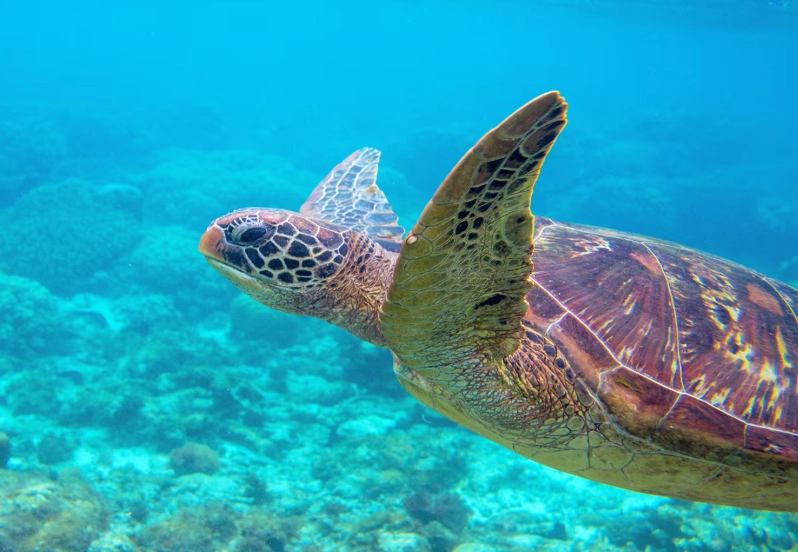
Beyond the Law: Why Touching Actually Hurts Them
Even if there were no law, the science is clear. Touching harms turtles in ways that aren't immediately visible.
The Invisible Shield You Rub Off
A turtle's shell and skin are coated in a protective mucus layer. It's like their immune system's first line of defense against bacteria, fungi, and parasites. Your touch, even with clean hands, removes this layer. In a popular spot like Turtle Cove, where dozens of people might snorkel daily, a single turtle could lose this protection multiple times. It's like constantly breaking the skin's barrier.
Stress is a Silent Killer
We anthropomorphize their calm demeanor. A turtle isn't "happy" to see you; it's often tolerating your presence until it feels threatened. Chasing or touching triggers a flight response, burning massive calories they need for essential activities like migrating hundreds of miles or producing eggs. Chronic stress from repeated encounters weakens their entire system.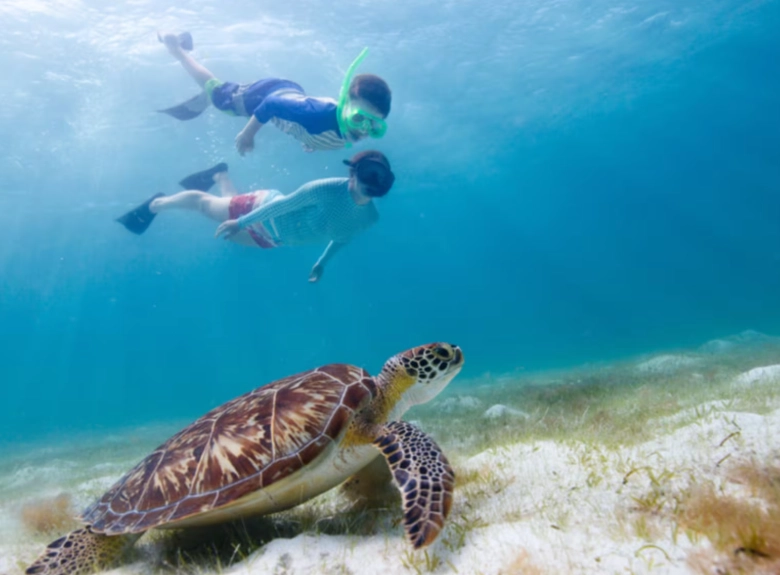
I once observed a clearly distressed juvenile hawksbill at Coki Point. It would barely feed, constantly looking up at the stream of snorkelers above. It was exhausting just to watch. That's not a sustainable encounter.
How to Responsibly Snorkel with Turtles in St. Thomas
So, we can't touch them. What can we do? Plenty. The goal is passive observation. Be a quiet visitor in their home.
- Master Your Buoyancy First: If you're a new snorkeler, practice floating in calm water before heading to a turtle spot. Frantic kicking stirs up sand (smothering seagrass they eat) and scares wildlife. Consider a snorkel vest if you're not confident.
- The 10-Foot Rule is Your Mantra: Give every turtle a wide berth. If you find yourself within 10 feet, slowly back away. Use your zoom lens, not your hands.
- Move Like Molasses: Slow, fluid movements are key. No sudden turns or splashing. Let your fins do gentle scissor kicks beneath the surface.
- Never, Ever Feed Them: Feeding alters natural foraging behavior, makes them dependent, and can lead to illness. Their diet is specific seagrass and sponges, not your hot dog bun.
- Choose Your Tour Operator Wisely: Ask questions before you book. A good operator will brief you on rules, emphasize distance, and have a small group policy. Avoid any company that promises "up-close" encounters or allows touching. I've had great experiences with smaller, eco-focused outfits that prioritize education.
The magic happens when you stop chasing. Float still above a seagrass bed, breathe calmly, and wait. Often, a turtle will approach you out of curiosity, giving you a front-row seat to its natural behavior. That's the encounter you'll remember forever.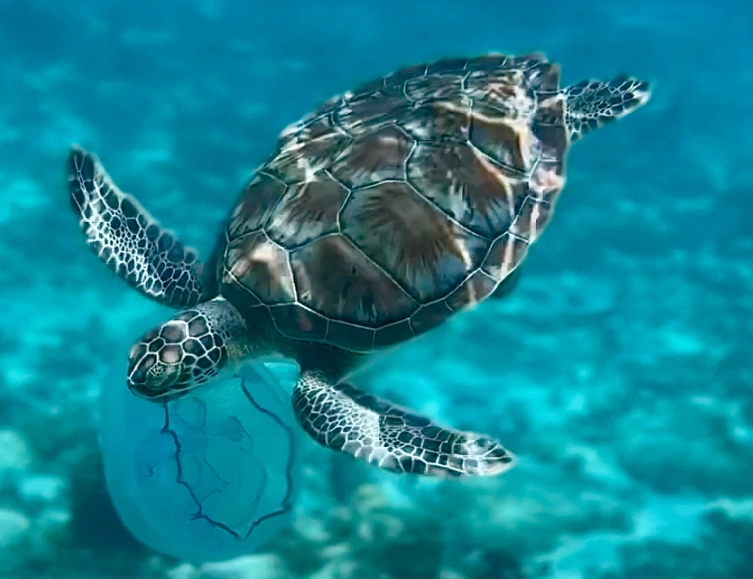
Best Spots & Timing for Turtle Encounters
St. Thomas is blessed with several reliable turtle habitats. Here’s the lowdown:
Magens Bay: The north-side seagrass beds, particularly east of the main beach, are green turtle cafeterias. Best accessed by kayak or paddleboard from the shore. Go early (before 10 AM) to beat the crowds and boat traffic.
Coki Point / Coral World Ocean Park: The reef and adjacent areas are havens for hawksbills. The water can get crowded, so patience and positioning away from the main entry point are crucial.
Turtle Cove (Secret Harbor): This spot lives up to its name. The cove on the east end is a favorite resting and feeding area. It's accessible from the beach at Secret Harbor Resort. Be respectful of private property.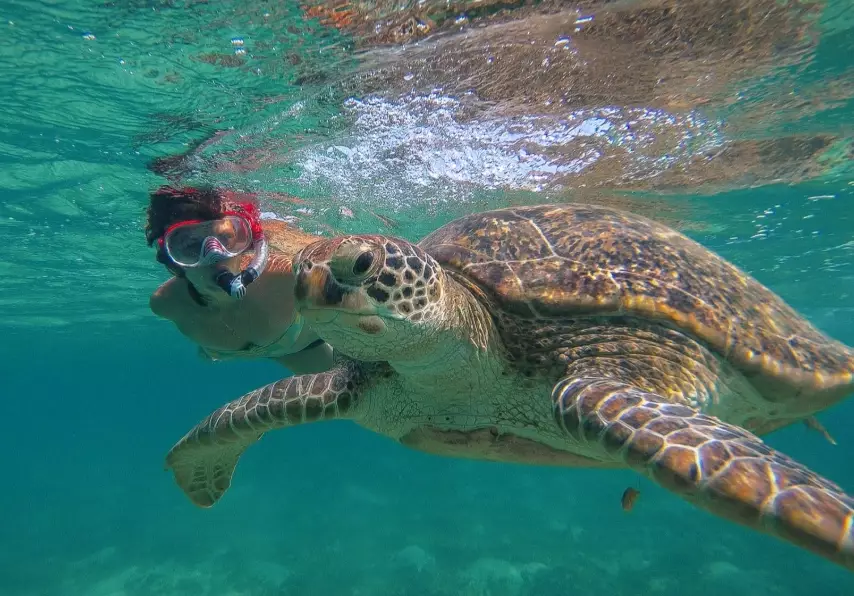
Buck Island National Wildlife Refuge: This is the gold standard for pristine habitat. Access is typically via a guided kayak or boat tour from St. Thomas. It's more remote, meaning less pressure on the animals and a more serene experience.
When to Go & What to Bring
Timing: Year-round, but mornings are almost always better. Seas are calmer, light is better for viewing, and turtles are often more active. Midday boat traffic and crowds can make the experience less enjoyable.
Essential Gear: A well-fitting mask and snorkel are non-negotiable. Leaky gear ruins the calm. Consider a rash guard or reef-safe sunscreen (mandatory in the USVI) to protect your skin and the coral. Water shoes help over rocky entries. And for goodness sake, secure your gear—dropped GoPros cause turtles to ingest plastic and metal.
If you're staying a few days, consider basing yourself near a good spot. The Secret Harbour Beach Resort or resorts near Smith Bay put you right near prime turtle habitats for early morning or late afternoon swims when the tour boats are gone.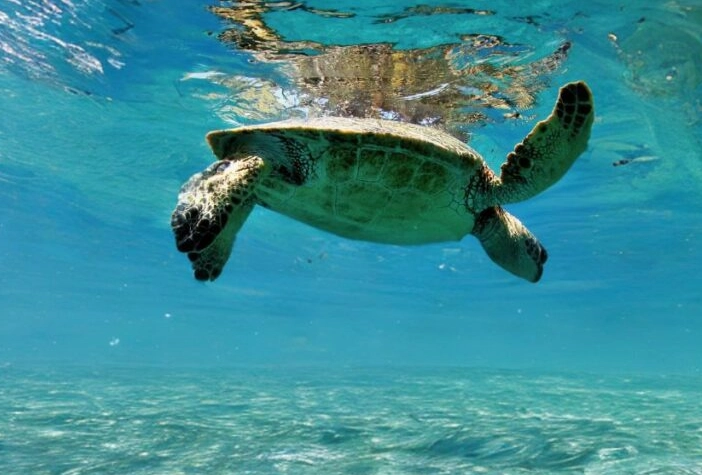
Your Questions, Honestly Answered
Seeing a sea turtle in the wild is a privilege. In St. Thomas, we're lucky to share our waters with these ancient mariners. By understanding the rules—both legal and ecological—and choosing to observe with respect, you ensure they'll be here for generations of snorkelers to come. That's a legacy worth more than any touch.
Now get out there, float gently, and enjoy the show. It's better when you just watch.
Your comment