In This Guide
- Why the Caribbean is Turtle Central
- Top Spots to Swim with Turtles in the Caribbean (A Realistic Breakdown)
- How to Prepare: More Than Just Grabbing a Snorkel
- The Moment of Truth: In-Water Etiquette (The Unbreakable Rules)
- Beyond the Swim: The Crucial Conservation Context
- Frequently Asked Questions (The Stuff You Actually Google)
- Wrapping It Up: Making Your Dream a Reality (Responsibly)
Let's be honest. For a lot of us, the idea of a Caribbean vacation isn't just about white sand and piña coladas anymore. It's about that one magical moment, captured in a thousand Instagram posts, where you're floating in crystal-clear water and a sea turtle glides right past you. It feels peaceful, almost prehistoric. I get it. I chased that feeling too.
But here's the thing they don't always tell you in the brochures. Not every beach in the Caribbean is a guaranteed turtle highway. Some spots are overhyped, crowded, and frankly, a bit depressing for the animals. I've been on tours where it felt more like a turtle traffic jam than a serene encounter. So, after spending a stupid amount of time researching and actually swimming with these creatures from Barbados to the Bay Islands, I wanted to put together a real guide. This isn't just a list of places. It's about how to have an amazing experience while making sure you're not part of the problem. Because honestly, the chance to swim with turtles in the Caribbean is a privilege, not a given right.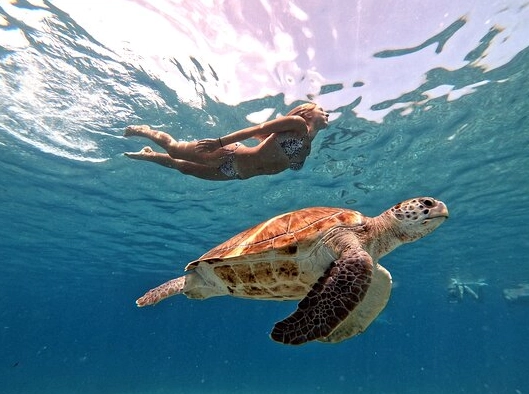
Why the Caribbean is Turtle Central
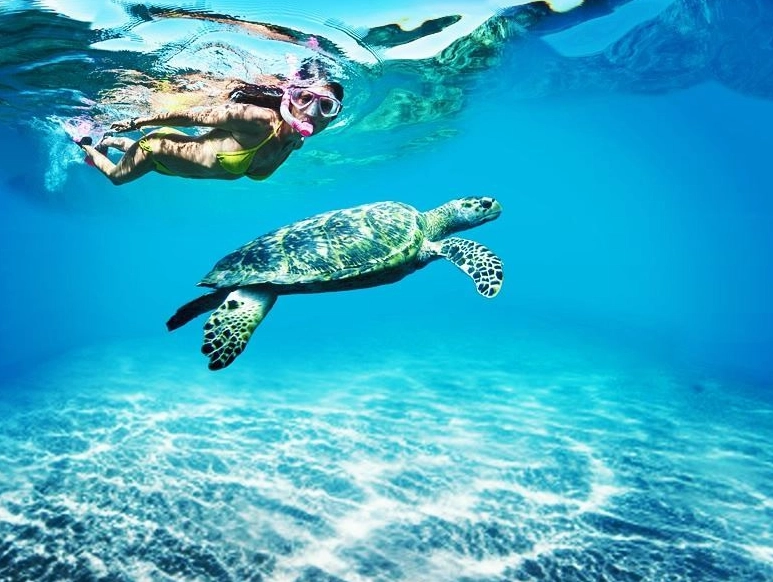
You ever wonder why this region is so famous for turtle encounters? It's not an accident. The warm, nutrient-rich waters and extensive seagrass beds and coral reefs create the perfect turtle cafeteria and nursery. We're talking about three main species you're likely to meet: the graceful Green turtle, munching on seagrass; the stunning Hawksbill, with its serrated shell and a beak perfect for sponges on the reef; and the larger, more oceanic Loggerhead. The Hawksbill is the one you see in most pictures snorkeling near coral—it's a Caribbean icon, though critically endangered.
Their life cycle is mind-blowing. Females often return to the exact beach where they were born to lay their own eggs. That kind of natural GPS is something we'll never fully understand. This deep connection to specific places is also why conservation in specific spots is so crucial. A damaged beach or reef in, say, Antigua, doesn't just affect tourism; it can break a chain thousands of years old.
Top Spots to Swim with Turtles in the Caribbean (A Realistic Breakdown)
Okay, let's get to the good stuff. Where do you actually go? I'm going to break down the top locations, but with some honest commentary. Some are easy and accessible, perfect for families or first-timers. Others require more effort but offer a wilder, less scripted experience.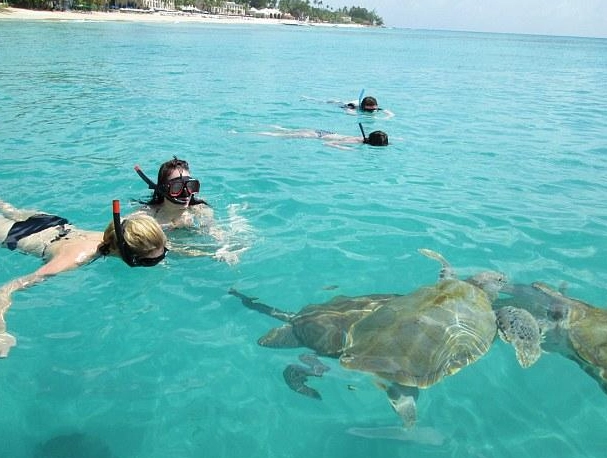
The Famous & Accessible Spots
These are the places you've probably heard of. They're popular for a reason—the odds of seeing turtles are very high, often because the turtles are somewhat habituated to people (which has its pros and cons).
- Barbados (The Boatyard & Carlisle Bay): This is the quintessential easy turtle swim. You can literally wade in from the beach at The Boatyard, swim out a short distance, and turtles will appear, often because small amounts of approved food are used to attract them. It's incredible for kids and nervous swimmers. The water is calm and shallow. But—it can get crowded. Go early in the morning, right when they open, to avoid the midday crowds. It feels more special then.
- St. Thomas, USVI (Turtle Cove at Buck Island): A short boat ride from Charlotte Amalie, this is a designated snorkel trail over a vibrant reef. The green turtles here are numerous and seem utterly unfazed by snorkelers. The underwater signage is a nice educational touch. It's a well-managed, professional experience. The downside? You're almost guaranteed to be sharing the cove with several other boats.
- Antigua (Galleon Beach & the Cades Reef): The turtles off Galleon Beach, near the famous Nelson's Dockyard, are regulars. Local guides know exactly where to find them. For a more adventurous swim with turtles in the Caribbean, a trip to Cades Reef, a protected marine park, is a must. You'll see turtles as part of a much larger, breathtaking reef ecosystem.
The Off-the-Beaten-Path Gems
If you dislike crowds and want a feeling of discovery, these require more planning but are infinitely more rewarding.
- Tobago Cays, St. Vincent & the Grenadines: This is the poster child for pristine Caribbean beauty. It's a remote archipelago of uninhabited islands, accessible only by boat (usually from Union Island or as part of a sailing charter). The seagrass beds in the lagoon are a major feeding ground for green turtles. Swimming here, with no development in sight, feels like you've traveled back in time. The turtles are wild and the setting is unbeatable. This is, in my opinion, the gold standard for a responsible and magical encounter.
- Little Cayman (Bloody Bay Wall): While Grand Cayman has its famous Stingray City and turtle farms, Little Cayman offers a more untouched experience. Bloody Bay Wall is a world-class dive and snorkel site. While diving the wall, you'll often spot turtles soaring over the abyss. Snorkelers can see them in the shallower areas. It's less of a "guaranteed show" and more of a natural wildlife spotting opportunity.
- Anegada, British Virgin Islands: The sleepy, flat island of Anegada is surrounded by horseshoe reefs and massive seagrass plains. It's a haven for sea turtles. You'll need to take a boat trip with a local guide to the best snorkel spots like Loblolly Bay or the patches around the wreck of the Paramatta. The vibe is super laid-back, and you'll likely have the turtles mostly to yourself.
| Location | Turtle Species Common | Best For | Accessibility | "Wild" Factor |
|---|---|---|---|---|
| Barbados (Carlisle Bay) | Green, Hawksbill | Families, First-timers, Easy Access | Very High (from shore) | Low-Medium (habituated) |
| St. Thomas (Turtle Cove) | Green | Guided Tours, Reef Combo | High (short boat ride) | Medium |
| Tobago Cays, SVG | Green | Adventure, Sailing, Pristine Nature | Low (boat-only, remote) | Very High |
| Anegada, BVI | Green, Hawksbill | Off-the-Grid Travel, DIY Spirit | Medium (flight/ferry + guide) | High |
See what I mean? Your choice depends entirely on what kind of experience you want. A quick, easy check off the bucket list, or a full-day adventure that feels like a genuine expedition.
How to Prepare: More Than Just Grabbing a Snorkel
This is where most blogs stop, but it's where the real work begins. Showing up unprepared can ruin your day and stress the animals.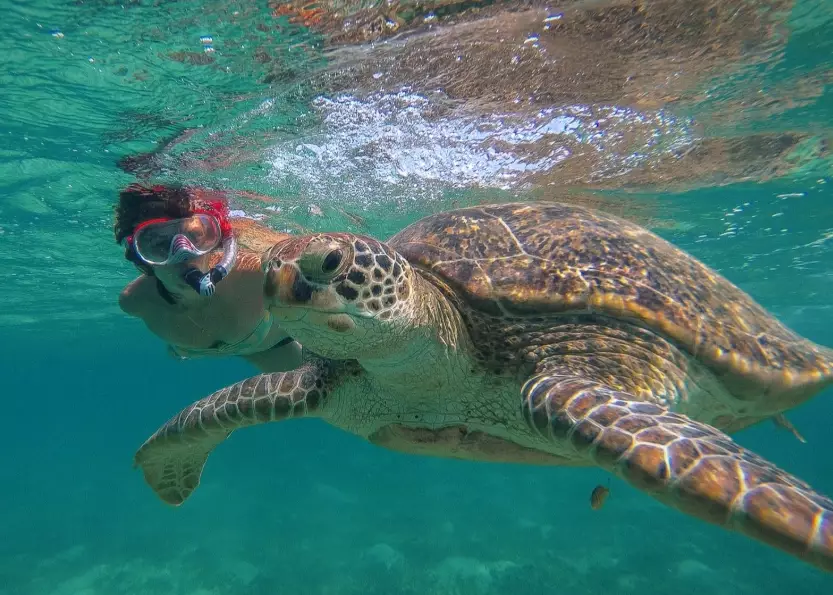
Your Pre-Trip Checklist
- Gear: A well-fitting snorkel and mask are non-negotiable. Foggy, leaking rental gear is the fastest way to hate your life. If you're serious about swimming with turtles in the Caribbean, invest in your own mask (get it fitted properly) and a dry-top snorkel. Fins are helpful but not always essential in very shallow, calm areas.
- Skill Check: Can you swim comfortably in deep water? Can you float and breathe calmly through a snorkel? If not, practice in a pool first. Panicked, flailing swimmers scare wildlife and are a safety risk.
- Sun Protection: This is a big one. Please use reef-safe sunscreen. Chemicals like oxybenzone and octinoxate bleach and kill coral, which destroys turtle habitat. Look for mineral-based (zinc oxide, titanium dioxide) sunscreens that are “reef-safe.” Better yet, wear a UV-protection long-sleeved rash guard. You'll need less sunscreen, and it prevents painful back sunburns while you're floating. The SEE Turtles organization has an excellent guide on this.
- Mindset: Go with the expectation to observe, not interact. Your goal is to be a quiet, non-threatening guest in their home.
Choosing a Tour Operator: The Good, The Bad, The Ugly
Not all tours are created equal. A good operator is the difference between a educational, respectful encounter and a chaotic free-for-all.
Red Flags: Operators who promise you can “feed or touch the turtles.” Operators with overcrowded, noisy boats. Guides who chase or corner turtles for photos.
Green Flags: Operators who cap group sizes. Guides who give a clear, strict briefing on behavior (stay 3-4 meters away, don't chase, no touching). Companies that actively support local conservation efforts (ask them about it!). Look for operators affiliated with or recognized by local environmental trusts.
For example, in the Turks and Caicos, a well-managed marine park system means many operators are deeply invested in preservation. Checking a provider's website for conservation messaging is a good start.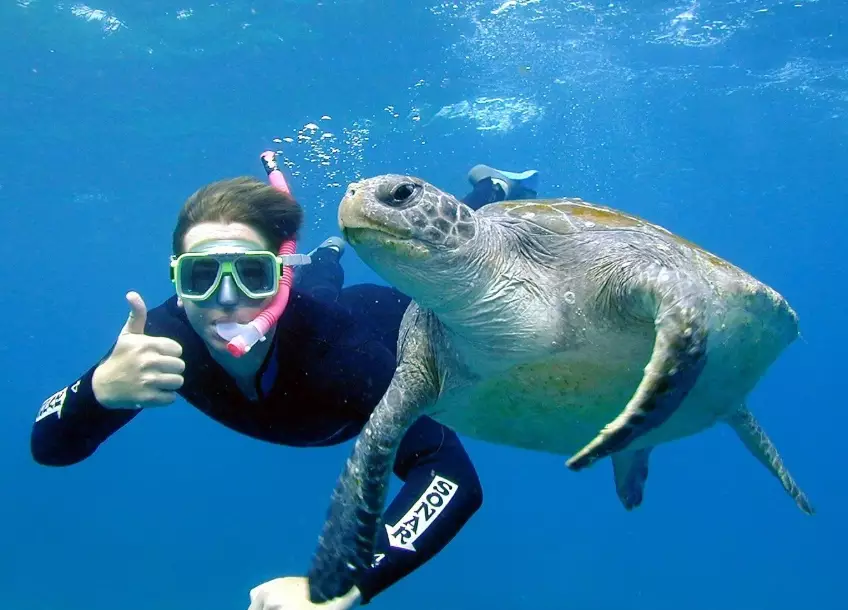
The Moment of Truth: In-Water Etiquette (The Unbreakable Rules)
You're in the water. A turtle appears. Heart skips a beat. Now what?
- Keep Your Distance: Imagine a 10-foot (3-meter) circle around the turtle. Stay outside it. This gives them an escape route and doesn't make them feel trapped.
- Never, Ever Touch: I don't care how gentle you think you're being. Touching a turtle can damage their protective bio-film (a layer of mucus on their skin and shell that fights infection). It's also illegal in many places. Just don't.
- Move Slowly and Calmly: No sudden movements or splashing. Use slow, gentle fin kicks. If you need to adjust your position, do it smoothly.
- Observe, Don't Pursue: If the turtle swims away, let it go. Do not follow it. Your encounter is over. Chasing stresses them out and wastes their precious energy.
- Be Aware of Your Surroundings: Look but also listen to your guide. Be mindful of other snorkelers and, crucially, don't stand on or touch the coral. Coral is a living animal and is incredibly fragile. A single fin kick can destroy decades of growth.
Following these rules isn't just about being a good person—it ensures the turtles remain healthy and willing to stay in the area, allowing others after you to have the same amazing experience. It's about sustainable tourism in the most direct sense.
Beyond the Swim: The Crucial Conservation Context
This part is less fun but more important than any snorkeling tip. Sea turtles face massive threats: habitat loss, plastic pollution (they often mistake plastic bags for jellyfish), climate change (warming sands affect hatchling gender), and illegal poaching.
When you choose to swim with turtles in the Caribbean, your tourism dollars have power. Supporting businesses and destinations that prioritize conservation is the single best thing you can do.
- Visit Marine Protected Areas (MPAs) like the Tobago Cays or the reserves around Bonaire. Your park fees directly fund patrols and research.
- Consider volunteering for a beach clean-up during your trip. It's a small, tangible way to give back.
- Support organizations like the Wider Caribbean Sea Turtle Conservation Network (WIDECAST), a respected scientific network, or local island-specific trusts. Even just learning about their work from their websites makes you a more informed advocate.
The United Nations Environment Programme has highlighted the Caribbean as a critical region for marine conservation, with turtles as a key indicator species. Your choices as a traveler are part of that larger picture.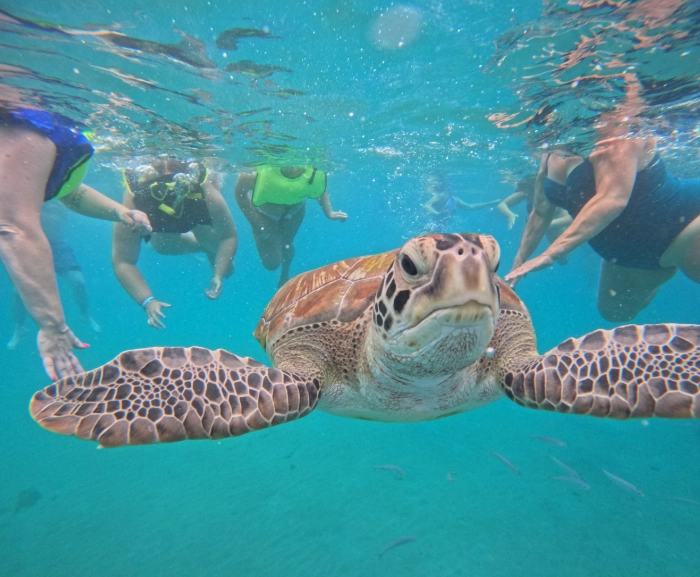
Frequently Asked Questions (The Stuff You Actually Google)
Is it better to go on a tour or try to find turtles myself?
For 95% of people, a reputable tour is better. Local guides know the exact spots, the currents, and the animal behavior. They provide safety, equipment, and (if they're good) education. Trying to find turtles completely alone, especially from shore unless you're in a known spot like Barbados, is often a recipe for disappointment and can be unsafe if you're not an expert on local conditions.
What's the best time of year to swim with turtles in the Caribbean?
You can see them year-round. However, turtle activity often increases during warmer months when water temperatures are up. Nesting season (generally summer/early fall) can mean more turtle activity near beaches, but remember, nesting beaches are often protected and off-limits at night. The real seasonal factor is weather: avoid the rainy/hurricane season (late Aug-Oct) for calmer seas and better visibility. Shoulder seasons (April-May, Nov) often offer a sweet spot of good weather and fewer crowds.
Is it dangerous? Will they bite?
No, it's not dangerous if you follow the rules. Sea turtles are not aggressive. They are curious but skittish herbivores (Greens, Hawksbills) or carnivores that eat jellyfish and crustaceans (Loggerheads). They have no interest in biting you. The only risk is if you corner or harass one, it might defensively snap—but that's 100% the human's fault. The real dangers are typical ocean hazards: sunburn, dehydration, strong currents, or boat traffic. A good guide mitigates these.
How can I tell the turtle species apart?
It's easier than you think! Green Turtles: Have a single pair of scales in front of their eyes (prefrontal scales), a relatively small head, and a smooth, oval shell. Hawksbill Turtles: Have a distinctive hawk-like beak, two pairs of prefrontal scales, and a stunning, overlapping shell scutes (the plates) that look serrated. Loggerheads: Have a massive, block-like head and a reddish-brown, heart-shaped shell.
What about photography?
Use a GoPro or waterproof case. No flash! It can startle and disorient turtles and other marine life. Get your settings ready before you get in the water. Remember, the best photo is often taken by floating still and letting the turtle enter your frame. Don't shove the camera in its face.
Got more questions? Honestly, the best answers often come from the local guides on the ground. Don't be afraid to ask them.
Wrapping It Up: Making Your Dream a Reality (Responsibly)
So, you want to swim with turtles in the Caribbean? You should. It's one of the most profoundly calming and joyful travel experiences out there. That moment of shared space with a creature so ancient is humbling.
I remember once in the Turks and Caicos, I was floating above a seagrass bed, just breathing. A large green turtle surfaced right next to me, took a huge, audible breath, looked right at me with its ancient eye, and then sank back down to graze. It wasn't scared. It was just… living. And I got to witness it.
But that moment happened because of a well-managed marine park, a guide who respected the rules, and a turtle that wasn't stressed by human presence. We have to protect that balance.
Do your research. Pick your spot based on the experience you want—easy and accessible or remote and wild. Choose your tour operator wisely. Gear up properly. And once you're in that unbelievably blue water, practice being a ghost. A quiet, observant, respectful ghost.
The future of being able to swim with turtles in the Caribbean depends on the choices we all make today. Make yours count, and you'll have a story—and a feeling—that lasts long after your tan fades.
Your comment