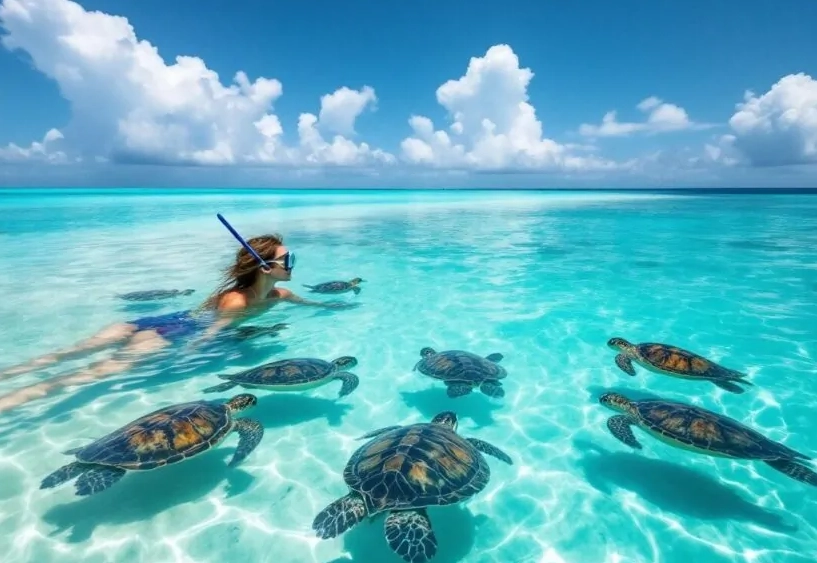
That moment. You're floating in warm, turquoise water, the sun filtering down, and a sea turtle—an ancient, graceful creature—glides right past you. It's a bucket-list experience for so many travelers. But with dozens of islands in the Caribbean, figuring out where to swim with turtles can feel overwhelming. Do you go for the famous spots or seek out hidden gems? Is it better from a beach or a boat?
I've been snorkeling and diving with turtles across the Caribbean for over a decade, from the packed tourist bays to the remote, silent reefs. I've seen the good, the overcrowded, and the truly magical. This guide cuts through the hype. I'll show you the islands where encounters are almost guaranteed, give you the nitty-gritty details you need to plan, and—most importantly—share how to do it in a way that respects these incredible animals.
Your Quick Guide to Turtle Encounters
Top Caribbean Islands to Swim with Turtles
Not all turtle encounters are created equal. Some islands offer reliable, easy-access spots. Others provide a wilder, more natural setting. Your choice depends on what kind of experience you're after.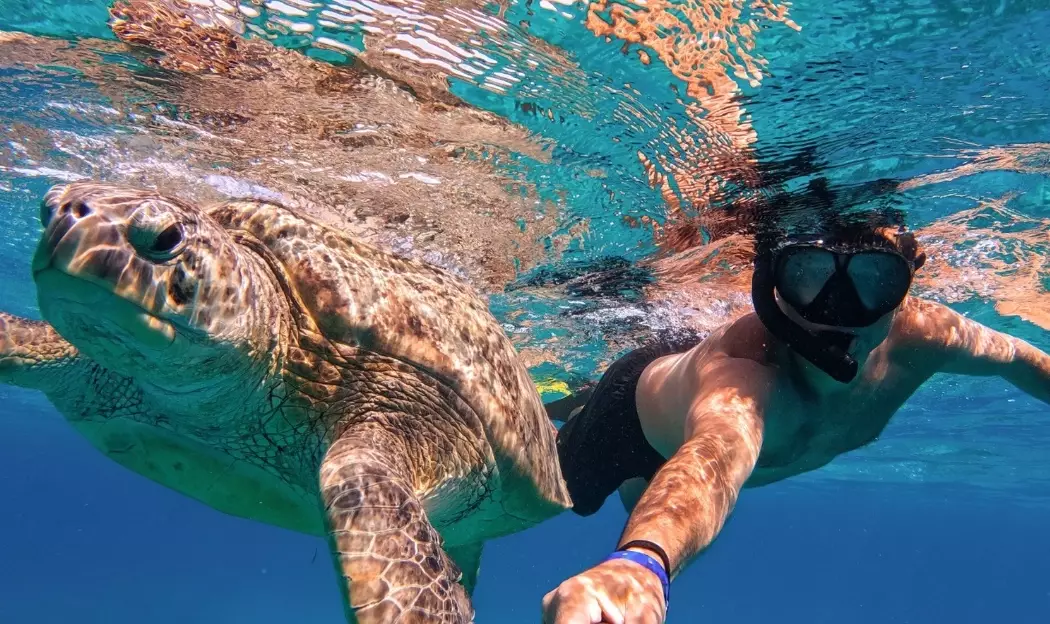
What You'll Likely See
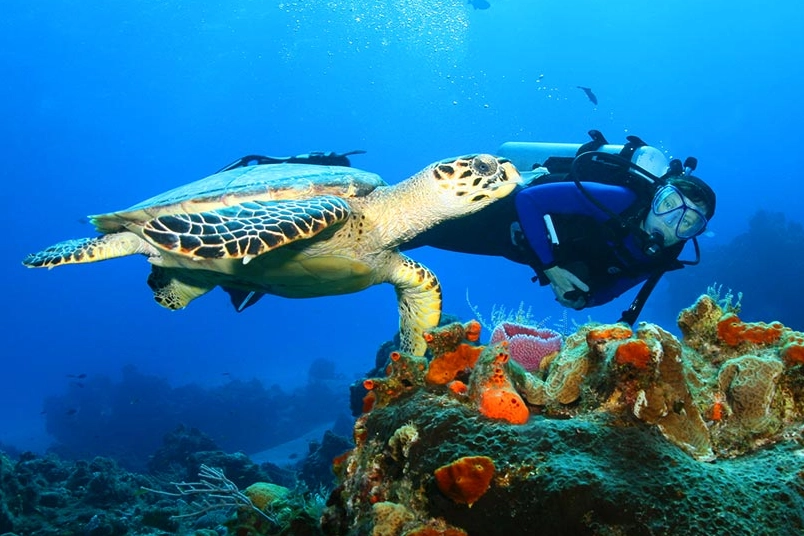
The two most common species you'll meet while snorkeling are the Green Sea Turtle (often seen munching on seagrass) and the Hawksbill Turtle (usually found around coral reefs, where it feeds on sponges). Greens are bigger, with a rounded head. Hawksbills have a distinctive pointed beak and beautiful, patterned shells.
Barbados: The Consistent Performer
If your top priority is a near-certain sighting, Barbados is hard to beat. The west coast, especially around Carlisle Bay, is a turtle hotspot. The animals here are accustomed to snorkelers, thanks to regulated feeding by licensed boat operators in the past. While direct feeding is now heavily discouraged to protect turtle health, the association between boats and curiosity remains.
My personal take: Yes, it can feel a bit staged. On a busy day, you might see several boats hovering over a few turtles. But for families or first-timers, the sheer reliability is fantastic. The joy on someone's face seeing their first turtle up close is real, regardless.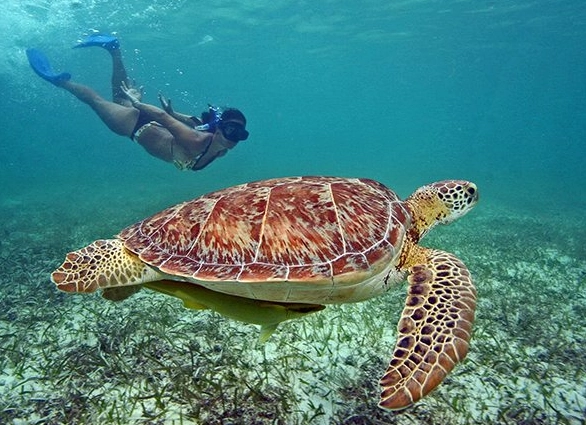
Key Spot: Carlisle Bay / "The Turtle City"
- How to Access: Almost exclusively by boat. Numerous operators depart from Bridgetown or nearby piers. A 2-3 hour snorkel trip typically costs $40-$70 USD per person and includes gear and drinks.
- Alternative (Budget) Access: You can sometimes spot turtles while snorkeling from the public beach at Brownes Beach (north end of Carlisle Bay). Rent gear from a vendor on the sand. It's hit-or-miss compared to the boat spots, but free.
- Best Time: Morning trips (9 AM-12 PM) usually have calmer water and better visibility.
Turks and Caicos: The Pristine Sanctuary
For a more "wild" encounter in crystal-clear, protected waters, the Turks and Caicos Islands are sublime. The government has established several marine parks and sanctuaries, creating safe havens where turtle populations thrive.
Here, you're less likely to see a crowd of snorkelers. You're more likely to be watching a turtle go about its business on a vibrant, healthy reef. It feels more like observation and less like an attraction.
Key Spot 1: The Bight Reef (Coral Gardens), Providenciales
- How to Access: This is a free, swim-from-shore reef right in front of the Coral Gardens resort area. Enter the water at the marked pathway. It's a protected marine park, so the coral and life are abundant. Turtles are frequent visitors here.
- Tip: Go early. By 11 AM, the reef can get busy with beginners. The turtles tend to be more active in the calm morning hours.
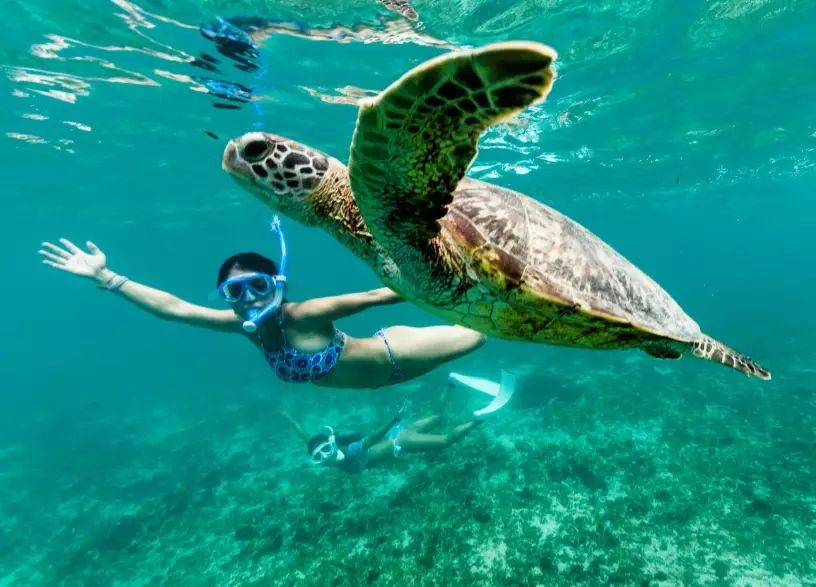
Key Spot 2: Little Water Cay (Iguana Island), near Providenciales
- How to Access: Requires a guided kayak or boat tour from Leeward Marina. This cay is a nature reserve for rock iguanas, but the surrounding seagrass beds are a major feeding ground for Green Sea Turtles. Guides know exactly where to go.
- Cost: Tours range from $80-$120 USD. It's worth it for the combo of unique wildlife above and below water.
Grenada: The Artistic Adventure
Grenada, the "Spice Isle," offers one of the Caribbean's most unique underwater experiences. At the Molinière Bay Underwater Sculpture Park, you can snorkel among haunting, beautiful human figures, and it's also a magnet for marine life—including turtles. The structures have become an artificial reef, attracting corals, fish, and curious Hawksbills.
It's a two-for-one: profound art and wildlife encounter. The turtles here seem to patrol the sculptures, adding an extra layer of magic.
Key Spot: Molinière Bay Underwater Sculpture Park
- How to Access: A short boat ride from Grand Anse Beach or the Molinière Bay dock. Dozens of operators run trips. A 2-hour snorkel tour costs around $50-$65 USD.
- Don't Miss: The famous "Vicissitudes" statue—a circle of children holding hands. It's a powerful sight, often with fish swirling around it.
- Conservation Note: The park is a designated marine protected area. Fees from tours contribute to its maintenance, managed by the local Grenada Scuba Diving Association.
| Island | Best For | Typical Encounter Style | Estimated Cost for Guided Tour |
|---|---|---|---|
| Barbados | First-timers, families, guaranteed sightings | Boat-based, often with multiple turtles | $40 - $70 USD |
| Turks & Caicos | Pristine nature, healthy reefs, swim-from-shore options | Natural foraging in marine parks | Free (shore) to $80-$120 (tours) |
| Grenada | Unique combo of art & nature, adventurous travelers | Around artificial reef structures | $50 - $65 USD |
How to Plan Your Turtle Swimming Adventure
Getting the logistics right makes all the difference between a stressful scramble and a perfect day.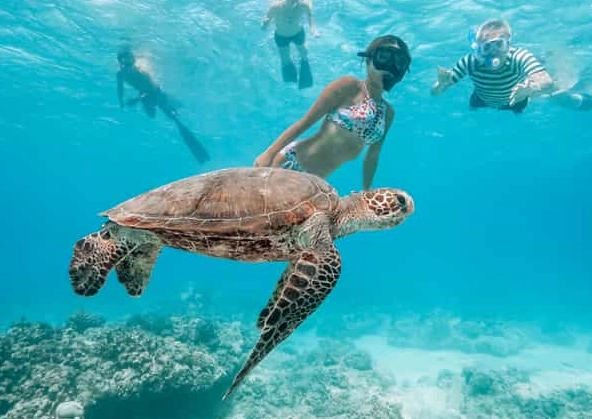
Season & Timing: You can see turtles year-round in the Caribbean. However, the calmer summer and fall months (May-November) often offer the best water visibility. Winter can be windier, making some spots choppier. Always aim for morning snorkels—seas are calmer, light is better for photos, and wildlife is more active.
Choosing a Tour Operator: This is critical. Don't just book the cheapest boat. Look for operators who mention marine park fees, small groups, or eco-friendly practices. Read reviews specifically for how they handle turtle interactions. Do they let people crowd the animal? A good captain will position the boat carefully and give clear instructions on how to behave in the water.
What to Bring:
- Reef-Safe Sunscreen: This is non-negotiable. Chemicals in regular sunscreen bleach and kill coral. Brands like Stream2Sea or Badger are reliable. Apply it at least 15 minutes before getting in the water.
- Your Own Mask & Snorkel: A good fit is everything. A leaking mask ruins the experience. If you're a frequent snorkeler, investing in your own gear is worth it for comfort and hygiene.
- Waterproof Camera or GoPro: But remember, experience it first with your own eyes, then try for photos.
- Rash Guard or T-Shirt: Protects your back from sunburn without needing constant sunscreen reapplication.
Expert Advice for a Responsible Encounter
Here's the part most guides gloss over. Your behavior directly impacts the turtle's well-being.
The biggest mistake I see? People chasing turtles. They kick furiously to get closer for a photo. The turtle, naturally, swims away faster. You end up exhausted, the turtle is stressed, and you've ruined the encounter for everyone else in the water.
Here's the pro method: Be still. When you see a turtle, stop kicking. Float calmly. Let it continue its path. Often, if you're not a threat, it will circle back or come closer out of curiosity. You become part of the environment, not an intruder.
Never, ever touch them. Their shells have a sensitive layer of living tissue. Touching can remove protective mucus, making them vulnerable to infection. It's also illegal in many places.
Respect their space. Give them a clear path to the surface to breathe. If you're between a turtle and the surface, you're causing it stress.
If you see an operator or another snorkeler harassing a turtle, it's okay to speak up or report it to authorities later. Responsible tourism only works if we all participate.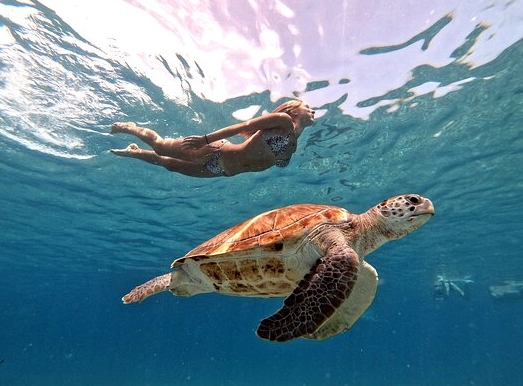
Your Turtle Swimming Questions Answered
Where is the best place to swim with turtles in the Caribbean?
There's no single "best" place, as it depends on your priorities. For a near-guaranteed, easy encounter with many turtles, Barbados' Carlisle Bay is excellent. For a more natural, wild setting with pristine reefs, the Turks and Caicos Islands are superb. Grenada offers a unique combination of turtles and an underwater sculpture park. The best choice balances accessibility, your budget, and the type of experience you seek.
Do I need a guide to swim with turtles in the Caribbean?
Legally, it depends on the location. On protected reserves like Little Water Cay in Turks and Caicos, a licensed guide is mandatory. In public areas like beaches in Barbados, you can snorkel independently. However, a good local guide dramatically increases your chances. They know the exact spots turtles frequent that day, the best times, and can ensure you interact responsibly without disturbing the animals or the reef. For first-timers, a guided tour is a worthwhile investment.
How can I swim with turtles without harming them?
The key is passive observation. Never chase, touch, or ride a turtle. Maintain a distance of at least 3-5 feet. Move slowly and calmly; let the turtle approach you if it's curious. Do not feed them—it alters their natural behavior and diet. Use reef-safe sunscreen to prevent chemical pollution. If you're snorkeling from a boat, ensure the operator follows guidelines for not anchoring on coral. Your goal is to be an invisible guest in their home.
What is the cheapest Caribbean island to swim with turtles?
For budget-conscious travelers, Barbados often offers the most cost-effective option. You can access turtle hotspots like Carlisle Bay directly from public beaches (e.g., Brownes Beach) for free, needing only to rent snorkel gear (approx. $10-$20/day). Affordable group boat tours to prime spots are also plentiful. In contrast, destinations requiring mandatory guided tours to protected areas (e.g., some cays in Turks and Caicos) will have a higher fixed cost for the experience.
The dream of swimming with a sea turtle is absolutely attainable. By choosing the right island, planning smartly, and following responsible practices, you'll not only have an unforgettable experience but also help ensure these magnificent creatures are there for generations of snorkelers to come. Now, go find that turquoise water.
Your comment