In This Guide
- Why the Caribbean is a Turtle Paradise
- The Top Contenders: Where the Turtles Are
- Deep Dive on Tortuguero: The Undisputed Champion for Greens
- The Leatherback Giants: Trinidad & Beyond
- Beyond the Big Names: Other Amazing Spots to See Turtles
- When to Go: Timing is Everything
- How to Be a Turtle-Friendly Visitor (This is Crucial)
- Your Questions Answered (FAQs)
- Final Thoughts: More Than Just a Number
You typed that question into Google, didn't you? Maybe you're planning a trip and want the absolute best chance to see a sea turtle lumbering up a moonlit beach. Or perhaps you're just curious about where these ancient creatures still thrive. I get it. I've been obsessed with that same question ever since I first saw a green turtle gliding through seagrass in Belize, moving with a kind of peaceful grace that's hard to forget.
Let's cut to the chase. If we're talking sheer, raw numbers of nesting turtles—the annual spectacle of thousands of females returning to their birthplace—one place consistently rises to the top. It's not your typical palm-fringed resort island. The crown for the single most important sea turtle nesting beach in the entire Caribbean, and arguably the Western Hemisphere, goes to Tortuguero, on the Caribbean coast of Costa Rica.
That's the short answer. But like most things in nature, the full story is way more interesting.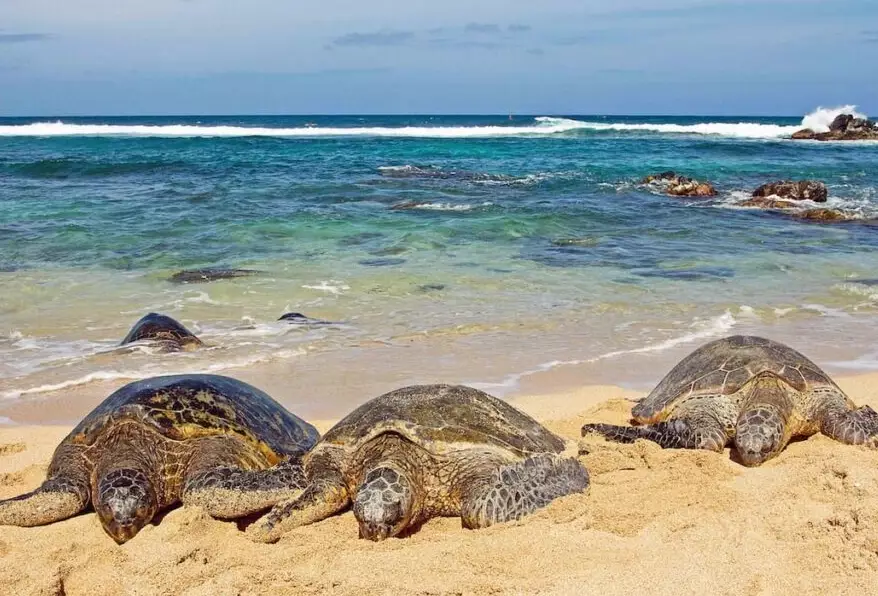
"Which Caribbean island has the most turtles?" isn't as simple as it sounds. Are we counting nesting females? Hatchlings? Resident turtles swimming on reefs? The Caribbean is a mosaic of turtle hotspots, each special in its own way. Tortuguero is the heavyweight champion for green turtles, but other islands dominate for other species. And honestly, the competition is fierce. So let's dive into the details and unpack everything you need to know, from the top spots to the best time to visit and how to be a responsible visitor.
The Quick Verdict: For the highest concentration of nesting sea turtles, head to Tortuguero, Costa Rica, particularly for green turtles from July to October. For a diversity of species and accessible encounters across many islands, the wider Caribbean region offers countless opportunities, with key hotspots in Trinidad, Puerto Rico, and the Guianas.
Why the Caribbean is a Turtle Paradise
It's not an accident. The warm, clear waters, extensive coral reefs, and vast seagrass beds create the perfect buffet and nursery. Five of the world's seven sea turtle species call these waters home at some stage in their lives: the Green, Hawksbill, Loggerhead, Leatherback, and the rare Kemp's Ridley. They've been using these beaches for millions of years, following migratory highways in the ocean that we're only just beginning to map.
I remember talking to a researcher in Barbados who told me that a single leatherback turtle nesting there might have traveled from as far as the chilly waters off Canada. That blew my mind. The Caribbean isn't just a destination; it's a crucial hub in an epic, ocean-spanning life cycle.
Key Species You'll Find:
Green Turtle: Named for the green fat, not shell. Loves seagrass. The main star of Tortuguero.
Hawksbill: Has a beautiful, tortoiseshell-patterned shell. Crucial for coral reef health.
Leatherback: The giant. Lacks a hard shell, can weigh over 1,500 lbs. Nests on darker, wilder beaches.
Loggerhead: Big head, powerful jaws for crushing shellfish.
Kemp's Ridley: The rarest, mostly in the Gulf of Mexico but occasionally in the Caribbean.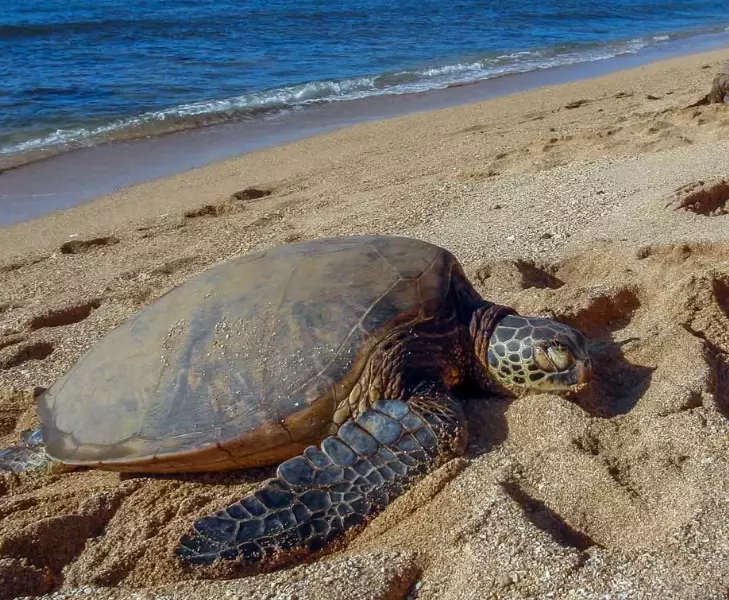
The Top Contenders: Where the Turtles Are
Okay, let's break it down. Asking "which Caribbean island has the most turtles" is like asking which city has the best pizza. You'll get passionate arguments. But data from conservation groups like the IUCN Marine Turtle Specialist Group and the State of the World's Sea Turtles (SWOT) gives us a pretty clear leaderboard.
Here’s a comparison of the major players. This table focuses on major nesting sites, which is usually what people mean by "most turtles"—the awe-inspiring beach arrivals.
| Location (Island/Coast) | Star Species | Peak Nesting Season | Why It's Significant | Scale (Estimated Annual Nests) |
|---|---|---|---|---|
| Tortuguero, Costa Rica | Green Turtle | Jul - Oct | The most important green turtle nesting site in the hemisphere. Also has significant leatherbacks. | 20,000 - 30,000+ (Greens) |
| Trinidad (especially Matura, Grande Riviere) | Leatherback | Mar - Aug | One of the world's largest leatherback nesting aggregations. A truly massive spectacle. | 5,000 - 10,000+ (Leatherbacks) |
| Guianas (Guyana, Suriname, French Guiana) | Leatherback, Green | Feb - Aug | Vast, remote beaches host a globally significant number of leatherbacks. | Very High (Tens of thousands collectively) |
| Puerto Rico (Culebra, Isla Verde) | Leatherback, Hawksbill | Mar - Jul | Major nesting for leatherbacks and the most important hawksbill site in Puerto Rico. | Hundreds to Low Thousands |
| St. Croix, USVI (Sandy Point) | Leatherback | Mar - Jul | A critically important, long-protected leatherback beach. | 100 - 300+ (Leatherbacks) |
| Barbados | Hawksbill | May - Oct | One of the larger hawksbill nesting populations in the Caribbean. | 500 - 1,000+ (Hawksbills) |
See what I mean? Tortuguero is in a league of its own for green turtles. But if you're asking "which Caribbean island has the most leatherbacks?", then Trinidad and the Guianas shoot to the top. It's all about the species.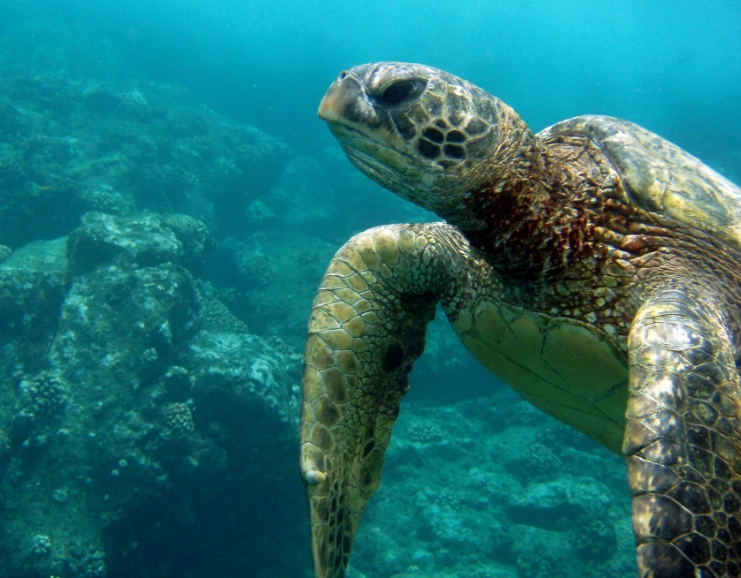
Deep Dive on Tortuguero: The Undisputed Champion for Greens
This place is magical, and a bit muddy. It's not a classic Caribbean island with white-sand beaches you can walk to from your hotel. Tortuguero is a network of canals and a wild, black-sand beach on Costa Rica's northern Caribbean coast, accessible only by boat or small plane. The village is tiny, the rainforest comes right to the beach, and the sense of adventure is real.
The numbers are staggering. During peak season, hundreds of green turtles can come ashore on a single night. The beach is protected as part of Tortuguero National Park, and access is strictly controlled. You must go with a certified guide at night. No flashlights, no flash photography. You'll wait in the dark, listening to the waves, until your guide gets a radio signal from a spotter. Then you'll tiptoe to see a 300-pound turtle in a profound trance as she digs, lays, and covers her clutch of about 100 eggs.
It's humbling. It also answers the question "which Caribbean island has the most turtles?" with a powerful, visceral experience. But here's the thing—it's so popular now that it can feel a bit regimented. You're part of a small group, on a schedule. The magic is still there, but it's managed. Some people prefer the rawness of lesser-known beaches.
The Leatherback Giants: Trinidad & Beyond
If you want raw, Trinidad delivers. Beaches like Grande Riviere are famous for scenes where so many massive leatherbacks come up at once that they accidentally dig up each other's nests. It's chaotic and ancient. The Government of Trinidad and Tobago and local NGOs run strong conservation programs here. Visiting is less polished than Costa Rica, which for many turtle enthusiasts is a plus.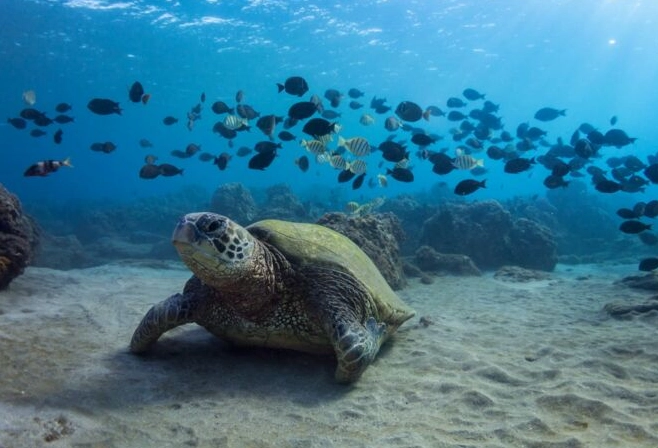
Seriously, imagine a turtle the size of a small car.
Beyond the Big Names: Other Amazing Spots to See Turtles
Maybe you're not chasing record numbers. Maybe you want a great chance to see turtles while also enjoying a more typical island vacation. You're in luck. Many islands have healthy, protected populations.
- Aruba: Eagle Beach and other spots get leatherbacks and loggerheads. The Aruba Turtles Foundation does great monitoring work.
- Bonaire: A diver's paradise. While nesting beaches exist (like Lac Bay for greens), Bonaire is famous for its resident hawksbill and green turtles you can snorkel with on the reef. It's a different, but equally wonderful, answer to "where are the most turtles?"—they're in the water!
- Barbados: As the table shows, a top spot for hawksbills. Beaches on the west and south coasts like Paynes Bay are nesting sites, and you can often see turtles swimming just offshore.
- The Bahamas & Turks and Caicos: Vast seagrass meadows support huge foraging populations of green turtles. Spotting them while boating or kayaking is common.
- Grenada (Levera Beach): An important, protected nesting beach for leatherbacks.
A Reality Check: I have to mention that not all islands are success stories. Some places have seen dramatic declines due to historic overharvesting, beach development, and pollution. You might visit a beautiful, famous island and see very few turtles, which is a sad reminder of the pressures they face. That's why supporting the good places matters.
When to Go: Timing is Everything
You can't just show up anytime. If you want to see nesting, the season is strict. Hatchling seasons follow about 50-70 days after. For in-water sightings, it's more year-round but can vary.
Here’s a quick seasonal guide:
- Peak Nesting (Beach Action): Generally March through August, with leatherbacks starting earlier (Feb/Mar) and greens/hawksbills peaking in the summer.
- Hatchling Emergence: A magical sight! Typically May through December, depending on the location and species.
- Best In-Water Snorkeling/Diving: Often year-round, but water visibility is usually best in the drier months (Dec-Apr in many islands).
Always, always check with local conservation projects for the exact timing for your specific destination.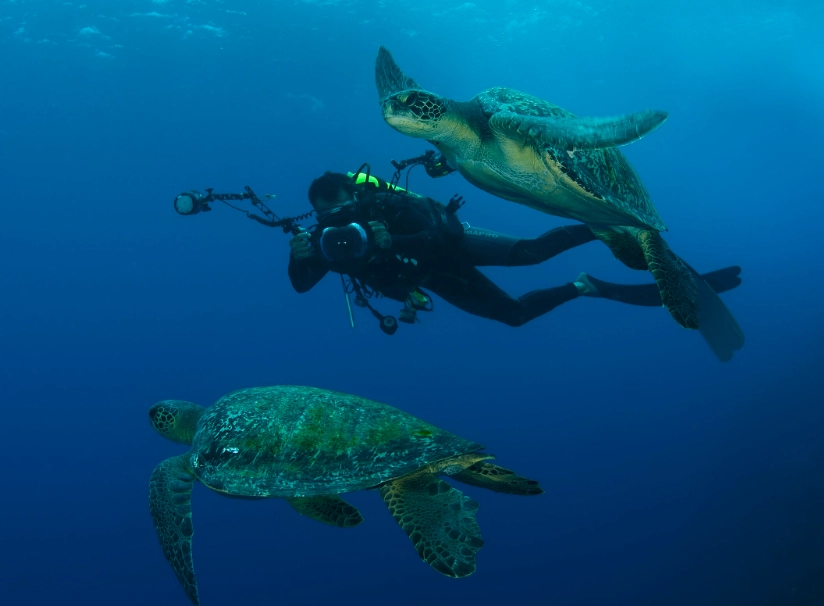
How to Be a Turtle-Friendly Visitor (This is Crucial)
This is where I get on my soapbox a little. Finding out which Caribbean island has the most turtles comes with responsibility. Our desire to see them can stress them if done wrong.
- Always Use a Certified Guide on Nesting Beaches. Full stop. They know how to minimize disturbance. Going alone is illegal in most places and can cause a turtle to abandon her nest.
- No Lights, No Flash. On the beach at night, use only red-light filters if your guide provides them. White light disorients turtles and hatchlings, leading them away from the sea to their death.
- Keep Your Distance. Stay behind the turtle, out of her line of sight. Don't touch her unless a guide instructs you to for a specific conservation reason (like helping a hatchling trapped in a hole).
- In the Water: Look, Don't Touch or Chase. Never ride a turtle. Maintain a respectful distance. Harassing them is stressful and illegal.
- Choose Reputable Tour Operators. Look for ones that partner with or donate to local research stations. Ask about their rules upfront.
I've seen tourists with flash phones ruin a nesting experience for everyone. Don't be that person.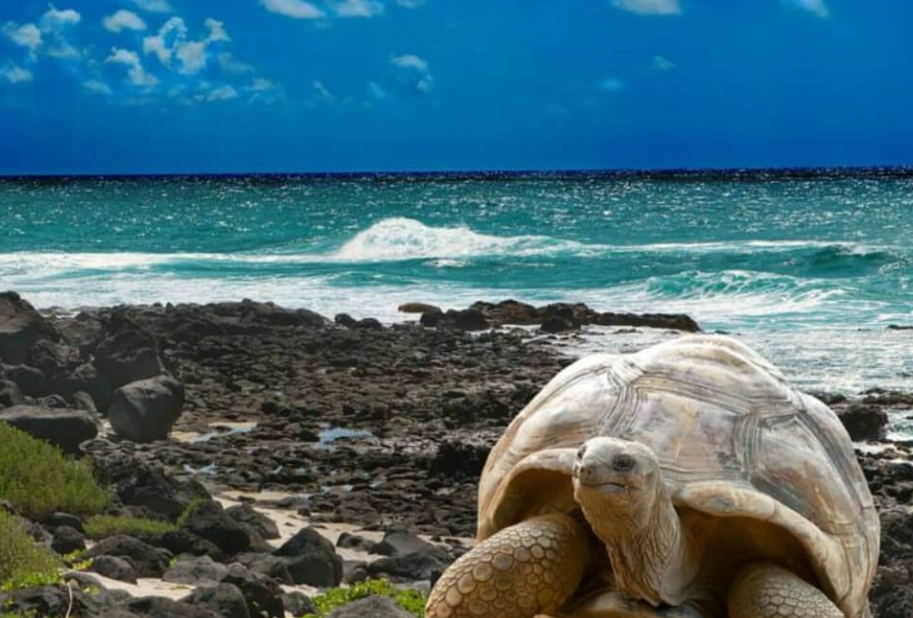
Your Questions Answered (FAQs)
Let's tackle some of the other things you're probably wondering after searching "which Caribbean island has the most turtles?".
Final Thoughts: More Than Just a Number
So, after all this, which Caribbean island has the most turtles? For the concentrated, jaw-dropping spectacle of nesting females, Tortuguero, Costa Rica, is your answer for green turtles. For leatherbacks, look to Trinidad and the Guianas.
But I hope you see now that the "most" isn't the only metric. The beauty of the Caribbean is that so many islands are fighting to protect these creatures. Whether it's a few hundred hawksbills on Barbados or tens of thousands of greens in Costa Rica, each population is vital.
The best island for you is the one where you can have a meaningful, respectful encounter and come away not just with a photo, but with a deeper understanding of why they need our help to survive another million years.
Do your homework, pick a season, book with a good guide, and go. Standing on a dark beach as a creature from the age of dinosaurs begins her ancient ritual right in front of you… it changes you. And that's an experience no search engine result can fully capture.
Your comment