You see the photos online—crystal clear water, a graceful sea turtle gliding past a smiling snorkeler. It looks magical, and you want that experience. But where do you actually go to make it happen? The answer isn't just one place. It depends on what you're looking for: easy beach access, a remote adventure, guaranteed sightings, or a specific species.
I've been chasing (figuratively, never literally) turtle encounters for over a decade, from crowded tourist hotspots to hidden bays you need a local to find. Let's cut through the hype and talk about the real best places to swim with turtles, with the gritty details you need to plan your trip.
What's Inside This Guide
The Top 5 Spots for Swimming with Turtles
Forget vague lists. Here are five specific, tested destinations, ranked not just by turtle presence, but by the overall quality of the experience.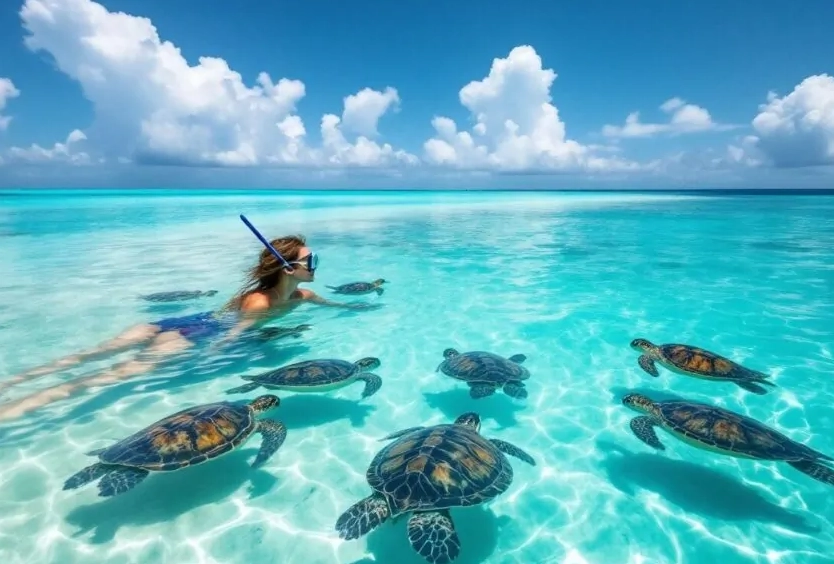
1. Oahu's North Shore & West Coast, Hawaii, USA
The Vibe: Reliable, accessible, and integrated with Hawaiian culture. The green sea turtles (honu) here are protected and plentiful.
Key Spots:
- Laniakea Beach ("Turtle Beach"): Famous for turtles basking on the sand. You can often see them from shore, but swimming is possible on calm days. Parking is a nightmare. Go early.
- Electric Beach (Kahe Point): A west coast snorkel spot near a power plant outflow (warmer water). Turtles, eagle rays, and tons of fish. Strong currents sometimes—check conditions.
- Shark's Cove (North Shore): Best in summer when the ocean is flat. A rocky cove with lava rock formations. Turtles love grazing on the algae here.
Best Time: Year-round. Winter has bigger surf on the North Shore, limiting water access at some spots.
How to Do It: Rent a car. Most spots are free public beaches. Bring your own gear or rent in Haleiwa. A guided tour isn't necessary here, but a boat trip to the outer reefs can be incredible.
My Take: Hawaii is my top recommendation for first-timers. The infrastructure is great, the turtles are accustomed to respectful humans, and you're supporting a place with strong conservation laws. Seeing a honu is considered good luck.
2. The Gili Islands, Indonesia
The Vibe: Backpacker paradise meets turtle heaven. Incredibly clear water and turtles so common it feels surreal.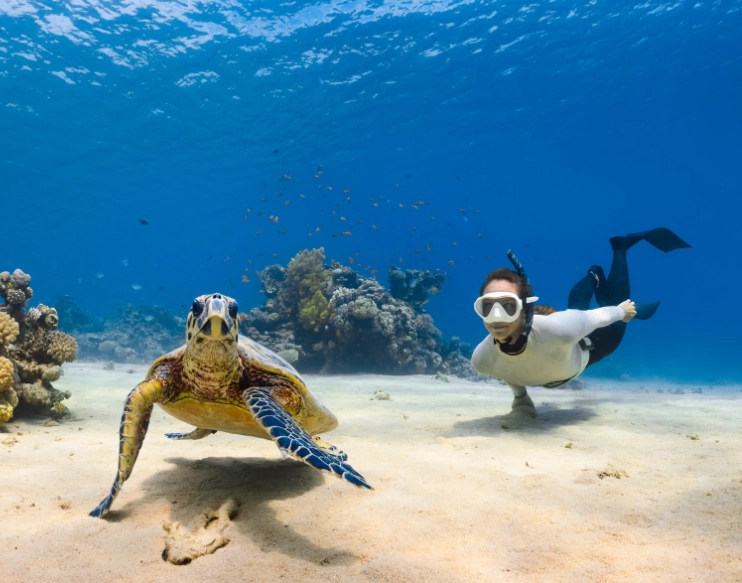
Key Spots:
- Gili Trawangan ("Gili T"): The most popular island. The snorkeling right off the southeast coast, near the statues, is turtle central. You'll see 5+ on a good swim.
- Gili Meno: The quietest island. The underwater sculptures (Nest) are an artificial reef attracting turtles and fish.
- Gili Air: A nice middle ground. Good spots off the east coast.
Best Time: April to October (dry season). Visibility is best, seas are calm.
How to Do It: Fly to Bali, then fast boat to the Gilis. You can snorkel from shore everywhere. Local boat operators offer cheap "island hopping" snorkel trips that hit all the best turtle spots for about $15-20. They know the exact coordinates.
My Take: The sheer number of turtles is unbeatable. But it can get crowded with snorkelers. Some operators feed the turtles to attract them—a major red flag. Choose a company that explicitly says they don't feed wildlife.
3. Akumal, Mexico
The Vibe: The name means "Place of the Turtle" in Mayan. It's a dedicated bay for turtle encounters, now heavily managed.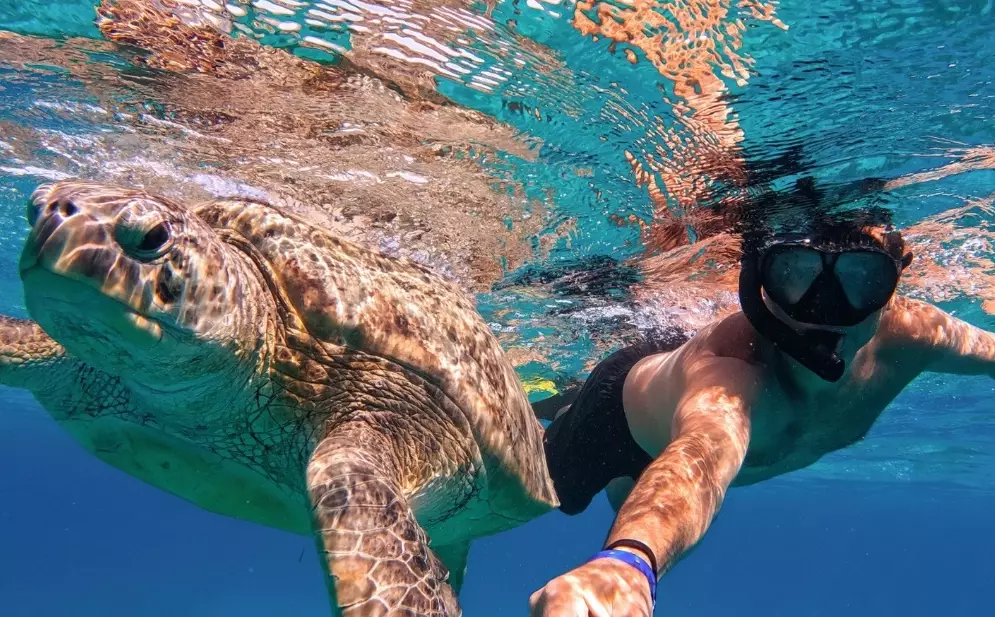
The Deal: Akumal Bay is a protected feeding ground for green turtles. Because of its popularity, you must snorkel with a certified guide from an approved provider. You can't just swim out on your own anymore. This is actually a good thing—it controls crowds and educates visitors.
Best Time: November to April. Avoid the rainy season (May-Oct) when runoff reduces visibility.
How to Do It: Book a guided snorkel tour in advance. Tours are limited, last about an hour, and include a briefing. Cost is around $30-40 USD. You'll get a life jacket and be in a small group. The guides are excellent at spotting turtles and ensuring everyone follows the rules.
My Take: This is the most structured experience. It lacks the spontaneity of Hawaii but guarantees a sighting with minimal environmental impact. Perfect for families or those who want a hassle-free, educational outing.
4. Lady Elliot Island, Great Barrier Reef, Australia
The Vibe: A remote, eco-focused island sanctuary. This is for the serious nature lover.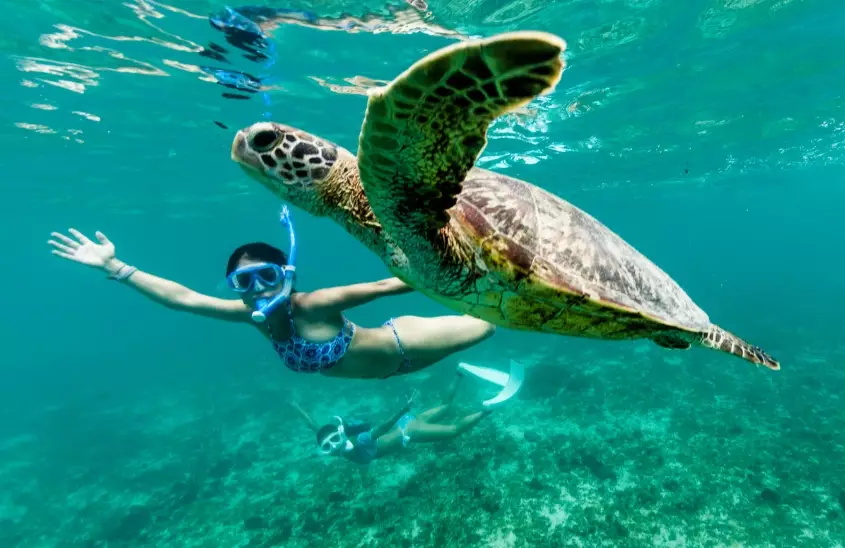
The Magic: It's a critical nesting site for green and loggerhead turtles. From November to March, you can see nesting females at night (on guided tours). Year-round, turtles feed on the seagrass beds right off the beach.
Best Time: Year-round for swimming. November-March for nesting/hatching spectacle.
How to Do It: This is a commitment. You need to book a scenic flight from Bundaberg, Hervey Bay, or the Gold Coast. Stay overnight at the eco-resort. Snorkeling is directly from the beach—no boat needed. The reef is pristine.
My Take: The most expensive option, but also the most pristine and conservation-focused. You're contributing directly to reef research and protection. The turtle encounters here feel wild and special.
5. Tortuguero, Costa Rica
The Vibe: Jungle rivers leading to a wild, black-sand beach that's one of the most important nesting sites in the hemisphere.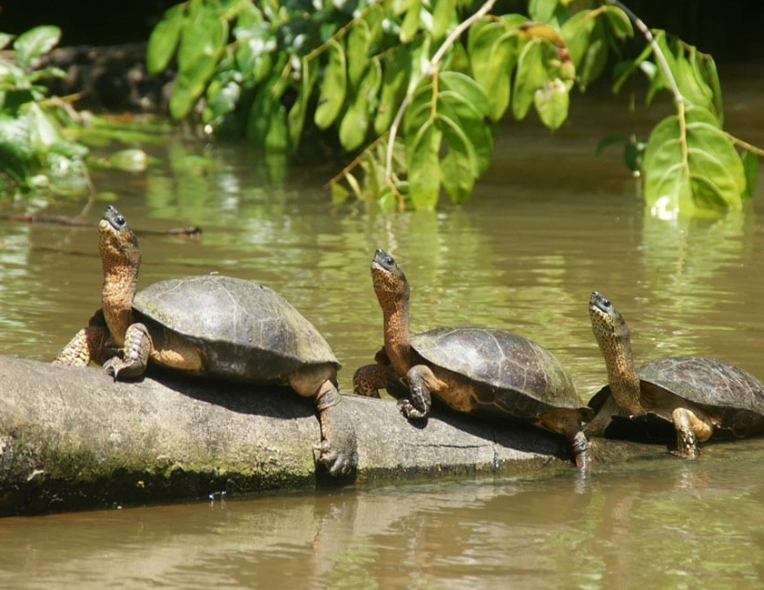
Important Distinction: Tortuguero is primarily for witnessing nesting turtles, not swimming with them. Swimming in the park's canals is limited. However, the sheer scale of nesting (green, leatherback, hawksbill) is mind-blowing.
Best Time: Green turtles peak July-October. Leatherbacks March-May.
How to Do It: Access is by boat or small plane. You must go on a guided night walk to see nesting turtles. No cameras (flash is prohibited). It's a profound, almost spiritual experience.
My Take: Don't come here expecting to snorkel with turtles. Come to understand their full life cycle. Seeing a 300-pound leatherback dig a nest under the moonlight will change you. Pair it with a trip to the Caribbean coast of Costa Rica (like Cahuita) for actual swimming opportunities.
Local Insight: In many Caribbean locations, like Barbados or certain parts of the Bahamas, you'll find smaller operations offering "turtle swimming" from boats. They often use food to attract the turtles. While you'll get close, this practice alters natural behavior and can make turtles dependent or aggressive. I generally avoid these. A natural encounter is always more rewarding.
How to Choose Your Perfect Turtle Spot
Picking from the list above? Ask yourself these questions:
- Budget & Ease: Hawaii and Akumal are easiest for logistics. Gili Islands are cheap but require a long journey. Lady Elliot is a splurge.
- Guarantee vs. Adventure: Akumal and a Gili boat tour offer near-guarantees. Hawaii and shore snorkeling in the Gilis are more serendipitous.
- Beyond the Turtles: Want nightlife? Gili T. Want a family resort? Hawaii or Akumal. Want raw nature? Lady Elliot or Tortuguero.
There's no single "best" place. There's only the best place for you right now.
Pro Tips for the Best Turtle Viewing
Timing is Everything
Turtles are creatures of habit. They often feed in the morning on seagrass beds or algae-covered rocks. Late afternoon can be good too. Midday, they might be resting under ledges or cruising. Calm seas mean better visibility for you and easier swimming for them.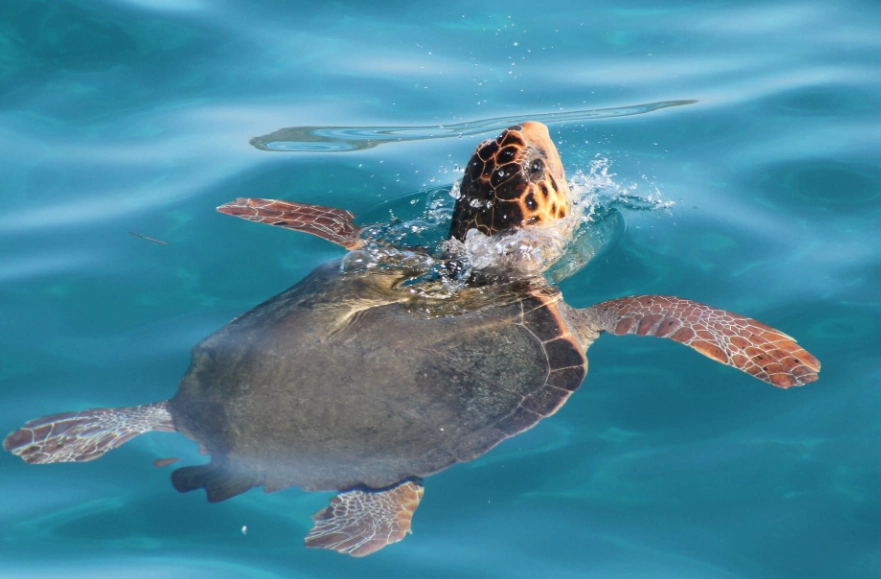
Master the Art of Stillness
The biggest secret? Stop kicking. Float. Breathe slowly. Turtles are curious. If you're still and quiet, they might just come to check you out. Frantic splashing sends them the other way.
Look for the Cleaning Stations
On coral reefs, small fish clean parasites off turtles. These "cleaning stations" are like turtle spas. Find a prominent coral head with lots of cleaner wrasse, settle nearby, and wait. You might witness a turtle hovering patiently for its turn.
Common Mistakes (And How to Avoid Them)
I've seen these ruin encounters time and again.
The Chase: This is the #1 error. You see a turtle, you kick hard towards it. It swims away faster. You've just stressed an animal and got a blurry fin photo. Instead, observe its direction, and let it come to you or gently drift parallel to it.
Standing on the Reef: In shallow areas like the Gilis or Hawaii, people stand up to adjust their mask. You're crushing the living coral that turtles depend on. If you need to rest, float on your back or go to sandy bottom.
Ignoring Currents: Many great turtle spots have currents (Electric Beach, some Gili drifts). Never snorkel alone in current. Always know your exit point. A tired snorkeler is a dangerous snorkeler.
Overestimating Your Abilities: Swimming with turtles often happens in open water, not a pool. Be honest about your swimming and snorkeling fitness. Using a flotation vest isn't cheating—it lets you conserve energy and focus on watching, not staying afloat.
Your Questions, Answered
So, where is it best to swim with turtles? It's not just a pin on a map. It's the place where you can have an encounter that leaves you in awe without leaving a negative impact. Whether that's the reliable shores of Hawaii, the vibrant waters of the Gilis, or the protected bay of Akumal, choose with your head and your heart. Do a little research, respect the rules, and be patient. When you finally lock eyes with a sea turtle drifting in its own world, you'll know the search was worth it.
Your comment