What You'll Find Here
Okay, let's be honest. When you see those heartbreaking photos of stark white coral skeletons on the news, your first thought probably isn't about your own dinner plate or your local economy. It's a distant tragedy, something sad happening far away under the sea. I used to think that way too. But after spending time talking to fishermen in places that depend on reefs, and digging into the research, the picture shifted completely. The coral bleaching effects on humans aren't abstract or distant. They're immediate, personal, and frankly, a bit terrifying in their scope.
We often frame this as an environmental story – and it is – but it's a human story first. A reef isn't just a pretty underwater garden. It's a bustling city, a supermarket, a pharmacy, a fortress, and an economic engine for hundreds of millions of people. When it bleaches and dies, that city shuts down. And we feel the shockwaves.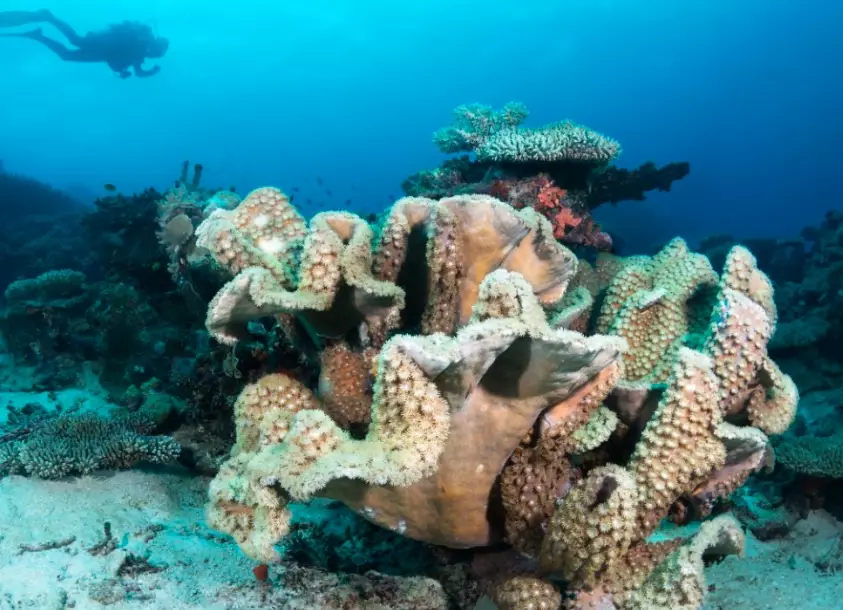
The Direct Hit: How Bleaching Smacks Our Livelihoods and Plates
The most immediate and visceral of the coral bleaching effects on humans is economic. Think about a coastal town where tourism and fishing aren't just industries; they're the only industries. I remember a guide in a Southeast Asian coastal community telling me, "No colorful fish, no tourists. No tourists, no money for school." It was that simple, and that brutal.
Tourism Takes a Nosedive
Let's talk numbers. Reef-based tourism is a multi-billion-dollar global industry. People travel across the world to snorkel and dive in vibrant, fish-filled waters. A bleached reef isn't just less pretty; it's fundamentally broken. The biodiversity plummets. The big, charismatic fish leave. What's left is a ghost town of white structures covered in slimy algae.
Who pays for a flight and a hotel to see that? Local businesses – from dive shops and boat rentals to hotels and restaurants – face a direct revenue cliff. Jobs vanish. This isn't a future prediction; it's happening now in regions that have suffered back-to-back bleaching events, like parts of the Great Barrier Reef. The Australian government's own Great Barrier Reef Marine Park Authority has extensive reports on the socio-economic monitoring that shows these trends clearly.
The Collapse of the Fish Market
This is the big one for food security. Coral reefs are nurseries and hunting grounds for an estimated 25% of all marine fish species. They're like the aquatic version of a fertile forest. When the coral dies, the complex habitat disappears. Juvenile fish have nowhere to hide and grow. The entire food web, from the tiny creatures that live on coral to the large predators we eat, unravels.
For over half a billion people globally, fish from coral reefs are a primary source of protein. In many island nations and coastal communities, it's the main source. A study cited by the Intergovernmental Panel on Climate Change (IPCC) highlights how climate-induced reef degradation directly threatens food security in tropical regions. When local catches fail, what happens? People have to spend more of their limited income on imported food, or they face malnutrition. It's a direct line from ocean temperature to a child's plate.
The table below breaks down the primary economic sectors hit by coral bleaching and what the real-world consequences look like.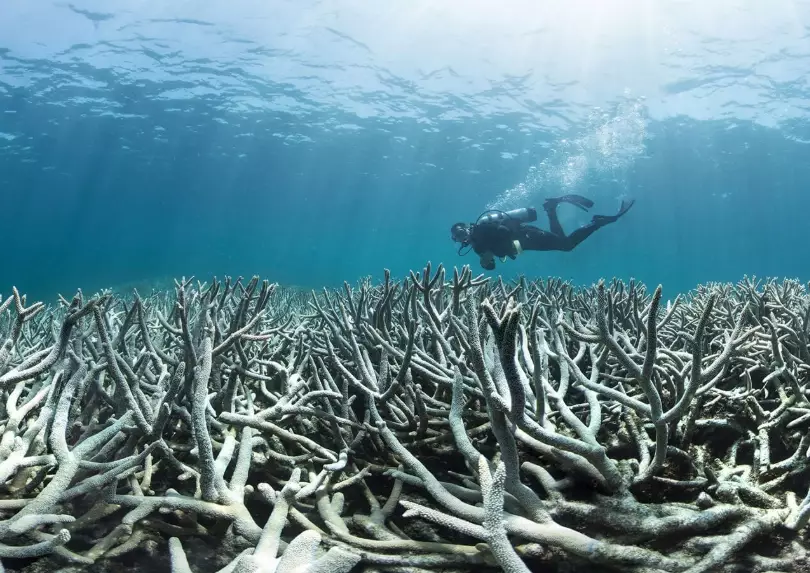
| Sector | How Bleaching Impacts It | Direct Human Consequence |
|---|---|---|
| Commercial & Subsistence Fishing | Collapse of reef fish populations due to habitat and food web loss. | Loss of income and jobs for fishers. Critical protein source disappears for local communities, leading to food insecurity and higher costs. |
| Tourism & Recreation | Loss of aesthetic and biodiversity value for divers, snorkelers, and glass-bottom boat tours. | Massive loss of tourism revenue. Closure of small businesses (dive shops, tour operators, hotels). High unemployment in coastal towns. |
| Coastal Protection Services | Weakened, dead coral structures break apart and fail to dissipate wave energy. | Increased coastal erosion and flooding during storms. Higher costs for building sea walls and disaster recovery. Loss of property and land. |
| Pharmaceutical Research | Loss of biodiversity means loss of unique marine organisms used in medical research for new drugs (e.g., for cancer, arthritis). | Potential cures and treatments are lost before they are even discovered, impacting global health futures. |
Beyond the Wallet: Health, Culture, and the Disappearing Shoreline
If the economic impacts feel a step removed for some, the other coral bleaching effects on humans get frighteningly personal. They touch our health, our heritage, and the very ground under our feet.
A Coastline Without Its Armor
Here's a function of reefs we almost never think about: they are natural, self-repairing breakwaters. A healthy, complex reef structure absorbs up to 97% of a wave's energy before it hits the shore. It's a billions-of-dollars-worth of coastal defense that works for free. When bleaching kills the coral, the calcium carbonate skeletons are left behind. But without the living polyps to maintain them, they are eroded by storms and boring organisms. The reef flat crumbles.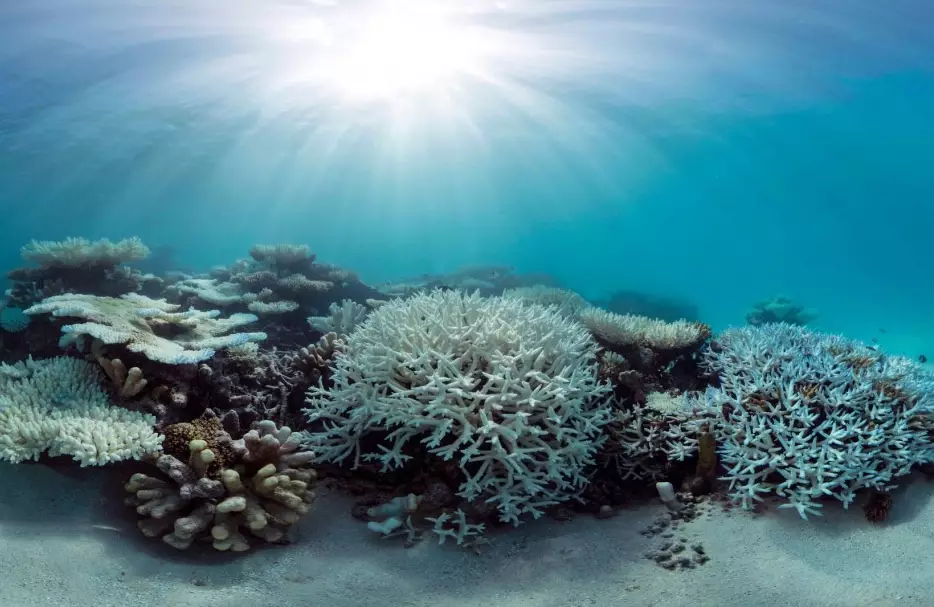
The result? Stronger waves slam directly into the coast. Erosion accelerates. Beaches that tourism depends on wash away. During storms and hurricanes, the storm surge is far more powerful and penetrates farther inland. The National Oceanic and Atmospheric Administration (NOAA) has done extensive work modeling how degraded reefs increase flood risk. For millions living in low-lying coastal areas and small island states, this isn't about property value; it's about existential risk. Their homeland becomes more vulnerable with every bleaching event.
The Cultural Heartbreak
This angle is rarely covered in depth, but it might be the most profound for indigenous and coastal communities. For countless cultures across the Pacific, the Caribbean, and the Indian Ocean, the reef is not a resource; it's kin. It's central to identity, mythology, tradition, and spiritual practice. Knowledge of the reef—reading its tides, knowing its species—is intergenerational wisdom.
Bleaching severs that connection. Rituals tied to specific fishing grounds become impossible. Stories passed down about the "old, colorful reef" become memories of a lost world. This is a form of cultural erosion that runs parallel to the physical erosion. The loss is psychological and deeply spiritual. It contributes to a sense of ecological grief that researchers are only beginning to document.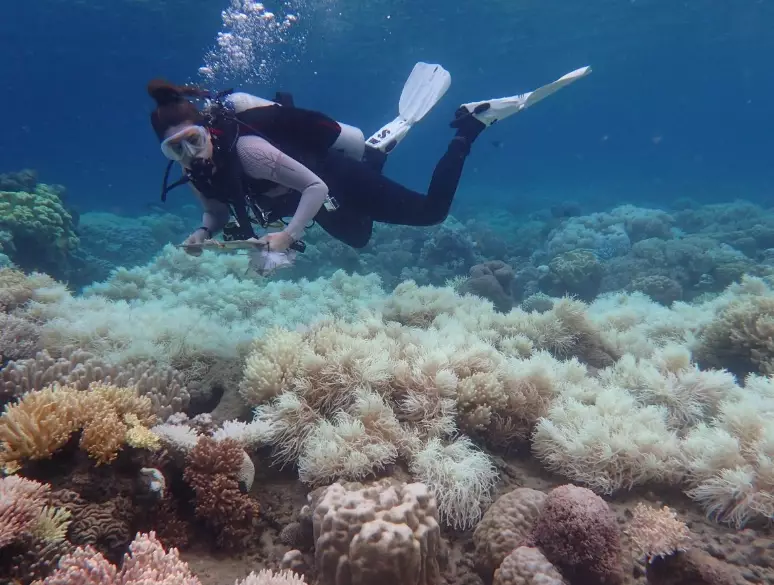
New Health Risks on the Horizon
This is an emerging and concerning area of study. The cascade of coral bleaching effects on humans might even alter disease patterns. Here's a plausible chain of events:
- Fisheries collapse, forcing dietary shifts to less nutritious or less safe food sources.
- Coastal erosion and flooding create stagnant water pools, perfect breeding grounds for mosquitoes that carry diseases like dengue and malaria.
- Some research suggests the loss of certain reef-dwelling organisms could even remove natural sources for future medicines, as mentioned in the table. The World Health Organization has frameworks linking climate change, ecosystem health, and human health, and reef collapse is a major piece of that puzzle.
It's a multiplier effect. A stressed ecosystem makes human populations more vulnerable.
But Wait, Is This Really My Problem? (Addressing Your Questions)
I get it. If you live in Kansas or Berlin, the direct coral bleaching effects on humans might still feel remote. Let's tackle some of the most common questions head-on.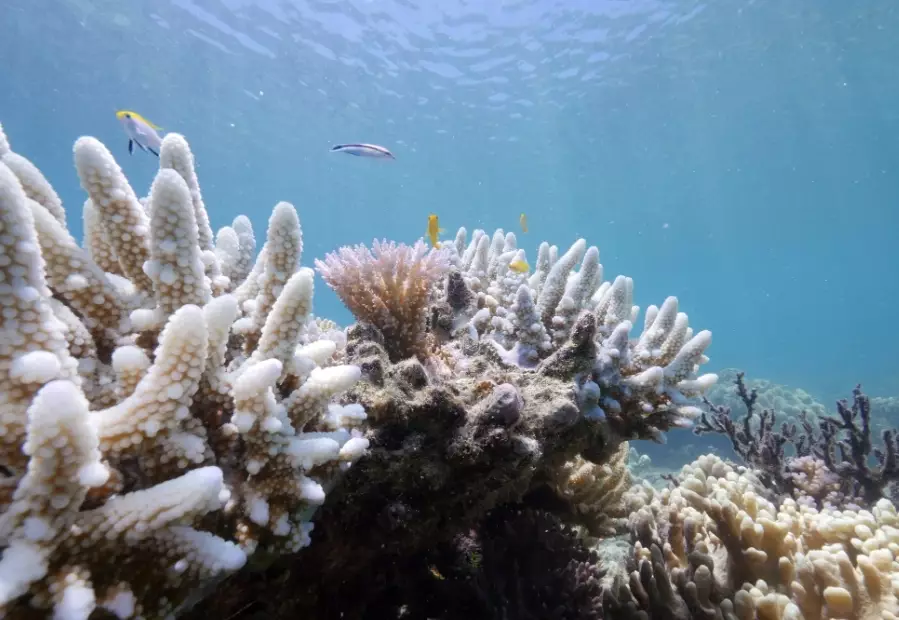
- Vote and Advocate: Support policies that aggressively cut carbon emissions and protect marine areas. This is the single biggest lever.
- Choose Sustainable Seafood: Use guides like Monterey Bay Aquarium's Seafood Watch to avoid fish caught with destructive methods that harm reefs.
- Be a Conscious Tourist: If you visit a reef, choose eco-certified operators who follow guidelines (no touching, no sunscreen that harms coral).
- Support the Right Organizations: Donate to or volunteer with groups doing on-the-ground reef restoration and policy work, like local marine conservation trusts or global science-based NGOs.
The goal isn't to return to a pristine past, but to fight for a future where reefs can survive and adapt. Giving up guarantees the worst coral bleaching effects on humans will become our reality.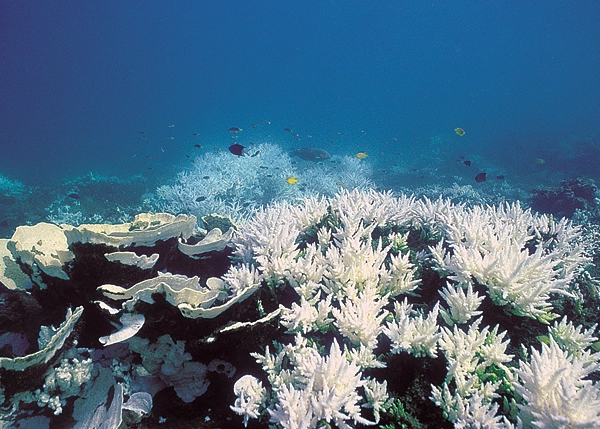
The Path Forward: It's Not Just About Saving Coral
Framing this as "saving the cute coral" has failed to mobilize the needed action. We need to reframe it as protecting human life-support systems. The coral bleaching effects on humans show us that reef health is a direct proxy for the health of our coastal societies, our food systems, and our frontline defenses against climate change.
The solutions are hard, but they're clear. They require slashing carbon emissions to give reefs a fighting chance against warming. They require eliminating local pollution (like agricultural runoff) that smothers corals. They require creating large, fully protected marine areas where ecosystems can build resilience.
I'll leave you with this thought. We often ask, "Can the reefs survive us?" But the more urgent question, laid bare by examining the coral bleaching effects on humans, is "Can we survive without them?" For hundreds of millions of people, the answer is already looking painfully clear. Their fate is tied to the fate of the reef. And in a connected world, so, ultimately, is ours.
The white coral isn't just a ghost of a marine creature. It's a warning sign, written on the ocean floor, for all of us.
Your comment