I still remember the first time I saw a bleached coral reef. It was in Thailand, years ago. The guide pointed it out, a stark white patch amidst the color. "It's stressed," he said casually, before swimming on. That casualness bothered me. It felt like watching a house on fire and just noting the temperature. Since then, I've spent over a decade diving, working with marine biologists, and seeing both the decline and the stubborn, hard-fought comebacks. The narrative around coral bleaching is often one of doom. Heatwaves, headlines about the Great Barrier Reef, percentages of loss. It's paralyzing. But here's the truth they don't always tell you: bleaching is an event, not always a death sentence. And the solutions, while complex, are far more tangible and actionable than you might think. This isn't about wishful thinking; it's about the specific, often unglamorous work that is actually moving the needle.
What You'll Find in This Guide
- Understanding Coral Bleaching: It's More Than Just Heat
- The Big Picture: Global and Systemic Solutions
- How Can We Actually Help? A Practical Guide for Divers and Travelers
- On the Frontlines: Coral Restoration Techniques That Work
- Building the Reefs of the Future
- Your Burning Questions on Coral Solutions
Understanding Coral Bleaching: It's More Than Just Heat
Let's get the basics straight. Corals are animals that house microscopic algae (zooxanthellae) in their tissues. This is a partnership. The algae do photosynthesis, providing up to 90% of the coral's food. In return, they get a safe home. Bleaching happens when the coral gets stressed—usually by prolonged high water temperatures—and expels these colorful algae. Left with just its transparent tissue over its white skeleton, the coral appears "bleached."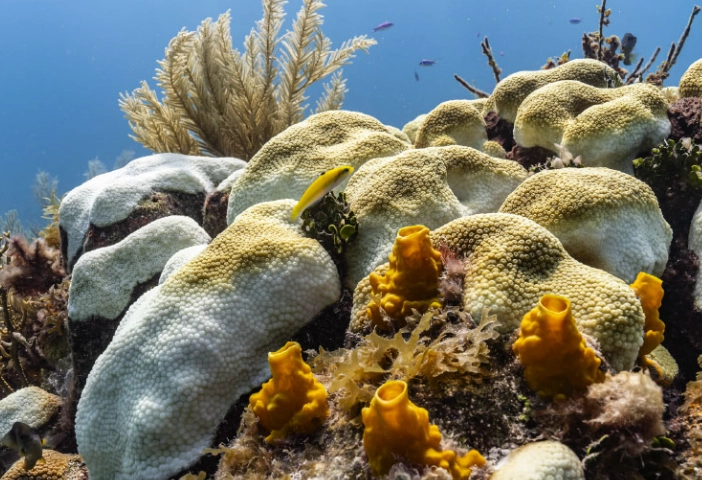
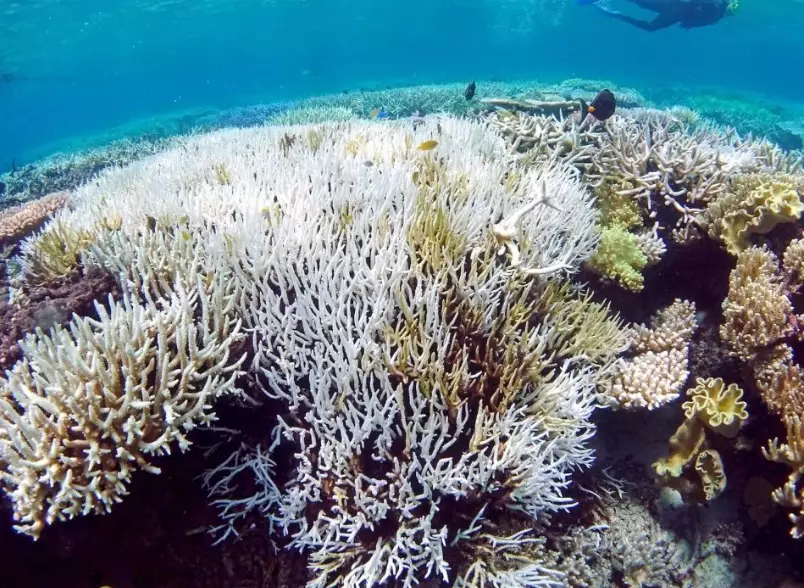
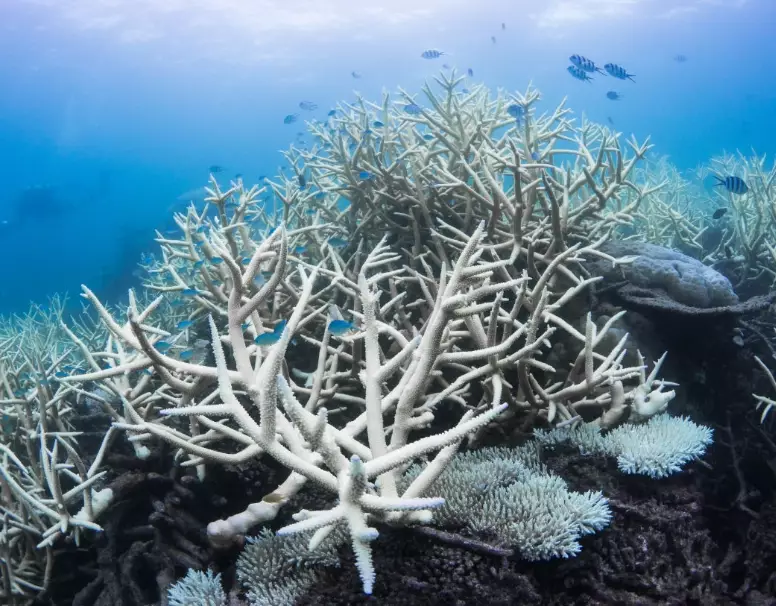
Here's the critical nuance everyone misses: the coral is still alive at this point. It's in critical condition, starving, and incredibly vulnerable to disease, but recovery is possible if the stressor is removed quickly. The real death comes from prolonged stress or secondary infections.
Key Stressors Beyond Temperature: While heat is the primary trigger, it's rarely the only problem. A bleached coral facing clean, low-nutrient water has a better shot than one bathed in pollution. The main local stressors we can actually influence are:
- Nutrient Runoff: Fertilizers and sewage from land cause algal blooms that smother corals and disrupt the ecosystem.
- Physical Damage: From careless anchors, divers kicking the reef, or destructive fishing practices like dynamite fishing.
- Pollutants: Chemicals, plastics, and yes, certain sunscreens (oxybenzone and octinoxate) can be toxic at high concentrations.
- Overfishing: Removing herbivorous fish like parrotfish allows algae to overgrow and outcompete corals.
So, the core strategy for any solution is twofold: tackle the global climate issue (the trigger) and ruthlessly eliminate every local stressor we can (to give corals their best fighting chance).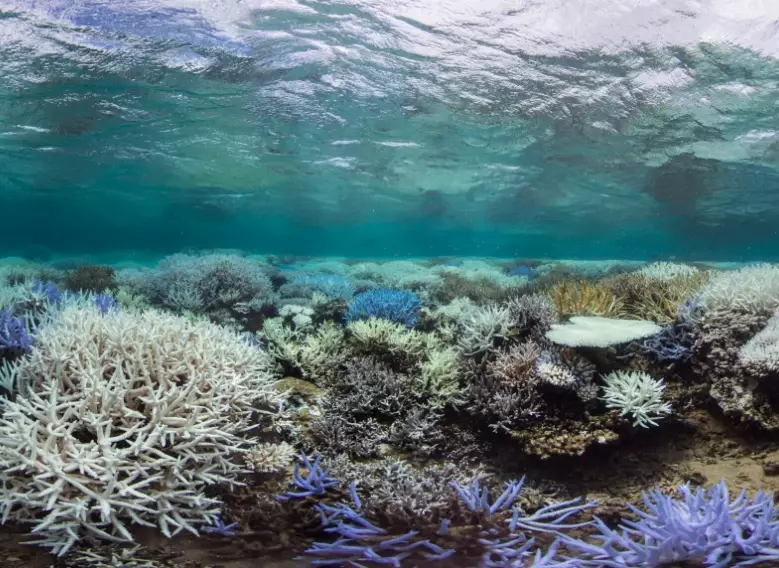
The Big Picture: Global and Systemic Solutions
We can't dive down and cool the ocean. The ultimate solution to mass bleaching events is reducing global greenhouse gas emissions. Full stop. Supporting policies and companies committed to this is the most impactful long-term action. But waiting for global politics to solve this is a recipe for despair. The good news? Local reef management has a massive, proven effect on a reef's resilience and ability to recover from bleaching.
This is where Marine Protected Areas (MPAs) come in. Not just lines on a map, but properly funded, community-enforced MPAs. A study by the International Union for Conservation of Nature (IUCN) showed that reefs within well-managed MPAs recover from bleaching events up to six times faster than unprotected reefs. Why? Because inside an MPA, local stressors are minimized—less fishing, less pollution, less physical damage. The reef is as healthy as it can be before the heatwave hits, so it's more resilient.
The takeaway? Supporting effective marine conservation organizations and responsible tourism that funds MPAs isn't just feel-good; it's a direct survival intervention for reefs.
How Can We Actually Help? A Practical Guide for Divers and Travelers
This is where you come in. Your choices as a diver, snorkeler, or coastal tourist have a direct, immediate impact. Let's move beyond vague advice.
1. Choose Your Operator Like a Reef Depends on It (It Does)
This is your single most powerful lever. Don't just book the cheapest boat trip.
- Look for Certifications: Operators affiliated with Green Fins (an initiative by the UN Environment Programme) are trained and assessed on low-impact practices. This is a gold standard.
- Ask Specific Questions: "What's your policy on buoyancy control for new divers?" "How do you manage wastewater and trash?" "Do you contribute to the local marine park fee?" Their answers tell you everything.
- Small Groups: Prefer operators limiting group sizes. Less crowding means less accidental contact.
2. Master Your Buoyancy and Awareness
I've seen more reef damage from a diver's fin swipe than from any sunscreen. Perfect buoyancy isn't just a skill badge; it's a conservation tool. A silt cloud from a kicked bottom can smother coral polyps for days. Practice in a pool or sandy area before hovering over the reef. Be hyper-aware of your gear—dangling gauges and octopuses are reef-grabbing hooks.
A Common Mistake Even Good Divers Make: They focus on not touching with their hands or torso but forget their fins. A gentle flutter kick over the reef can still stir up huge amounts of damaging sediment if you're too close. The goal is to maintain at least 1-2 meters of clearance above the reef structure.
3. Rethink Your Sun Protection Strategy
The "reef-safe" label is murky. Here's a clearer plan:
- Cover Up First: A long-sleeved rash guard and leggings are the most reef-friendly option. Period.
- Decode Sunscreen Labels: Avoid oxybenzone and octinoxate. Look for non-nano zinc oxide or titanium dioxide as the active ingredient. "Non-nano" is important, as larger particles are less likely to be ingested by marine life.
- Apply Early: Put on mineral sunscreen at least 30 minutes before entering the water. This gives it time to bind to your skin and minimizes wash-off.
4. Be a Conscious Consumer on Land
What happens inland flows to the reef.
- Mind Your Waste: Properly dispose of trash, especially plastics. In many island nations, waste management is overwhelmed.
- Choose Sustainable Seafood: Ask if the fish on your plate is locally and sustainably caught. Avoid unsustainably harvested reef fish.
- Support Local Conservation: Donate to or volunteer with legitimate local reef NGOs. Even a small fee at a conservation center is better than nothing.
On the Frontlines: Coral Restoration Techniques That Work
When prevention isn't enough, restoration kicks in. This isn't sci-fi; it's hard, muddy, underwater gardening. The most common effective method is coral gardening and outplanting.
- Collection: Small fragments ("coral cuttings") are carefully collected from healthy, resilient donor colonies after a storm or from areas slated for development.
- Nursery Phase: Fragments are attached to underwater structures (like PVC trees or mesh tables) in mid-water nurseries. Here, they grow 2-5 times faster than on the reef, safe from many predators.
- Outplanting: Once the fragments have grown to a robust size (usually in 6-18 months), they are cemented or tied onto degraded sections of the natural reef.
Success varies, but in optimal conditions, survival rates can exceed 80%. Organizations like the Coral Restoration Foundation in Florida have outplanted hundreds of thousands of corals. The key is selecting "super coral" genotypes that have survived previous bleaching events, breeding for resilience.
Another method is assisted evolution or larval reseeding. Scientists collect coral spawn, rear the larvae in tanks, and then release them onto reefs in massive numbers to boost natural recruitment. It's more experimental but holds huge promise.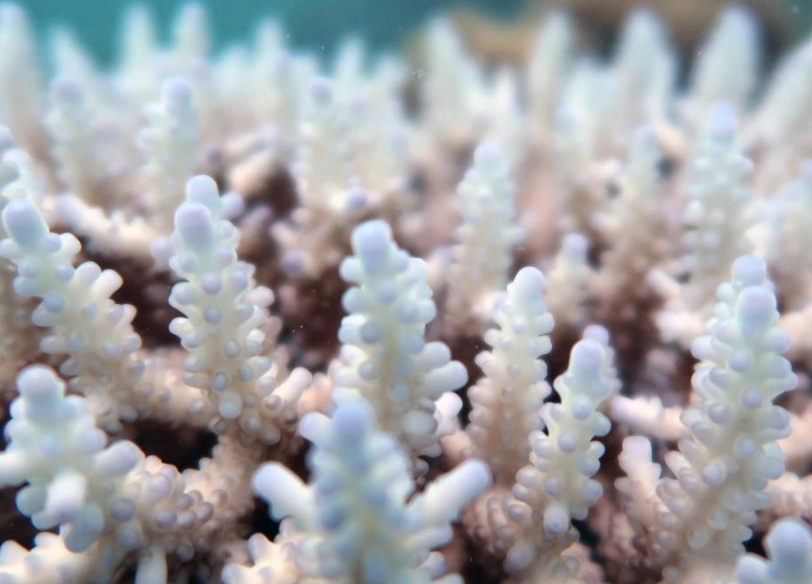
Building the Reefs of the Future
The most forward-thinking solutions accept that the ocean is changing. This involves:
- Hybrid Reefs: Combining artificial structures (designed to dissipate wave energy and protect coastlines) with live coral outplanting. These can serve as new habitats and "stepping stones" for coral larvae.
- Genetic Banking: Preserving the genetic diversity of corals in living banks (like the Smithsonian's "Biobank") to ensure we don't lose species and have material for future restoration.
- Localized Cooling: Experimental ideas like using underwater pumps to bring cooler deep water to the surface during heatwaves are being tested on small, high-value reef areas. It's not scalable for an entire reef system but could protect critical pockets.
The goal is no longer just to restore the reef of the past, but to foster a functional, resilient ecosystem for the future.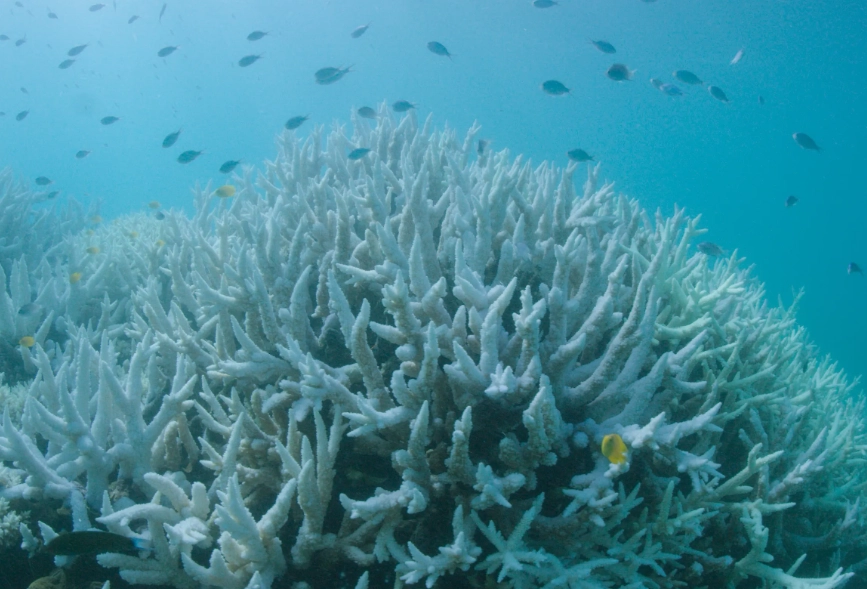
Your Burning Questions on Coral Solutions
What is the single most important thing a tourist can do to help prevent coral bleaching?
Choose a responsible tour operator. Look for those certified by Green Fins or actively participating in local reef restoration. Ask them about their buoyancy control policies for divers, their wastewater management, and if they financially support marine protected areas. Your money directly funds either the problem or the solution.
Can bleached coral ever recover, or is it always dead?
Bleached coral is stressed but not necessarily dead. If the stressor (like high temperature) is removed quickly enough, the algae can return, and the coral can recover. Recovery can take years for full health. However, if the stress is prolonged, the coral will die from disease or starvation. The window for recovery is critical, which is why rapid, localized action to reduce other stressors is so vital.
How can I tell if a sunscreen is truly reef-safe for snorkeling?
Avoid any sunscreen listing oxybenzone or octinoxate in its "active ingredients." Truly reef-safe products use non-nano, mineral-based blockers like zinc oxide or titanium dioxide. Even then, check the "inactive ingredients" list for silicones or excessive oils that can create a surface film. The gold standard is to use sun-protective clothing (rash guards, leggings) and rely minimally on lotions.
Is coral gardening and transplantation actually effective for large-scale restoration?
It's a powerful tool for localized recovery, not a global fix. Think of it as intensive care for a specific reef area after a major bleaching event or physical damage. It helps repopulate key sites, boosts genetic diversity, and protects resilient "super coral" genotypes. However, it's labor-intensive and expensive. Its true effectiveness depends on the underlying causes of degradation being addressed. You can't garden a reef back to health if the water is still too warm and polluted.
Look, the situation is serious. But after years in the water, I've learned that hopelessness is a luxury reefs can't afford. The solutions exist in a spectrum—from the global policy you advocate for at home, to the marine park your entry fee supports, down to the precision of your fin kick above a fragile cauliflower coral. It's all connected. The work is never done, but every stressor we remove, every coral fragment we outplant, buys time and builds resilience. That's not naive optimism. That's the only strategy that has ever worked.
Your comment