I remember the first time I saw a bleached coral reef. It was in the Philippines, a place famous for vibrant underwater gardens. Instead of a kaleidoscope of colors, I was staring at a vast, silent field of bone-white skeletons. It felt like walking into a forest after a fire. That moment changed me. It wasn't just "warm water"—it was a complex disaster. So, let's cut through the oversimplifications. Coral bleaching has multiple, interlinked causes. Understanding all six is the first step to fighting for their survival.
What You'll Learn in This Guide
1. The Primary Driver: Rising Ocean Temperatures
This is the big one, the global-scale stressor. Corals have a narrow comfort zone, typically between 73°F and 84°F (23°C to 29°C). When water temperatures rise just 1-2°C above the usual summer maximum for a week or more, corals get stressed.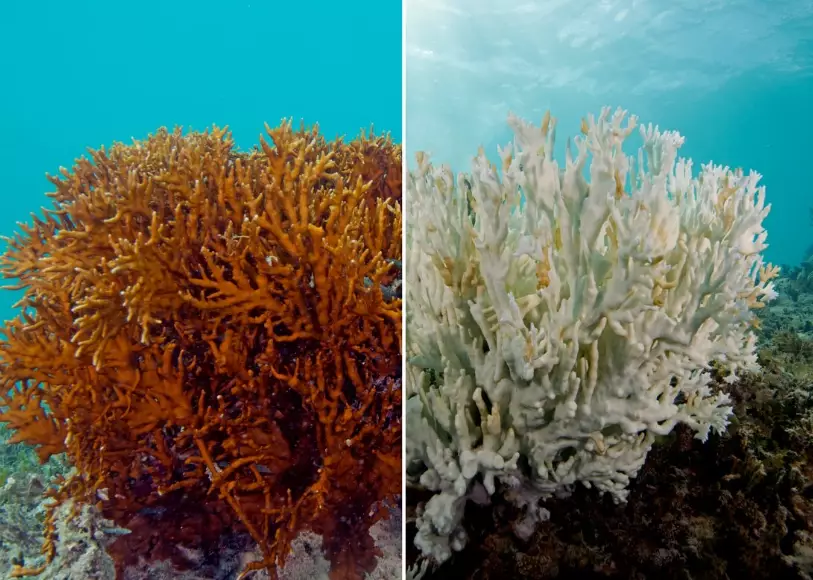
Here's the inside story: Corals live in a partnership with microscopic algae called zooxanthellae. These algae live inside the coral's tissue, photosynthesizing and providing up to 90% of the coral's food. In return, the coral gives them a protected home and nutrients.
When the water gets too warm, this symbiotic relationship breaks down. The stressed coral expels its colorful algae tenants. Since the algae give corals their color, the coral's white skeleton shows through its transparent tissue—this is bleaching. The coral isn't dead yet, but it's starving.
The Intergovernmental Panel on Climate Change (IPCC) reports are clear: ocean heatwaves are becoming more frequent, intense, and longer-lasting. Events like the 2016-2017 mass bleaching of the Great Barrier Reef, where nearly 30% of corals died, are direct consequences. It's not a future threat; it's the present reality.
2. Solar Radiation & UV Stress
Heat isn't the only problem coming from the sky. Intense solar radiation, particularly ultraviolet (UV) light, can damage the photosynthetic machinery of the zooxanthellae algae. Think of it as a severe sunburn for the coral's internal food factories.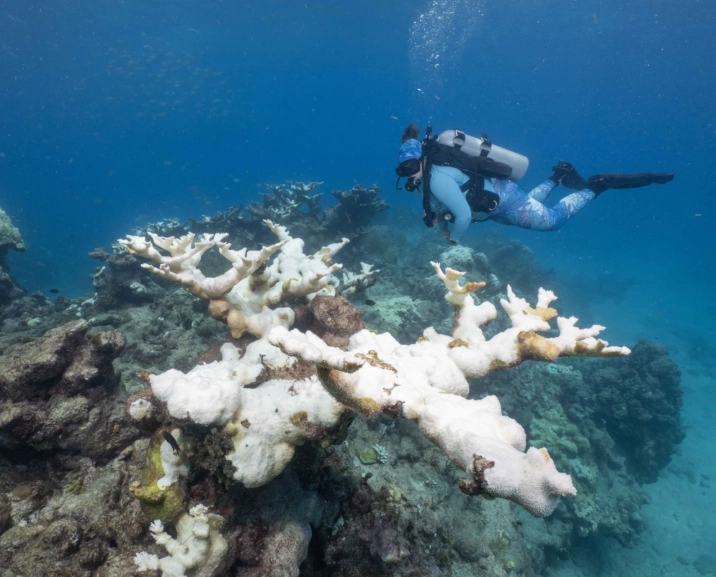
This often works in tandem with warm water. A period of hot, calm, clear weather is a perfect storm. The water heats up, and without cloud cover, UV levels skyrocket. The double whammy pushes corals over the edge much faster.
Some research suggests that corals in shallower water, which are naturally exposed to more light, might be slightly more adapted to these conditions. But there's a limit. When a marine heatwave coincides with a period of exceptionally clear skies, even the tough shallow-water corals can bleach.
3. The Domino Effect of Nutrient Runoff
This is where human activity on land directly attacks reef health. Runoff from agriculture, sewage, and developed areas washes fertilizers, animal waste, and other nutrients into the ocean.
You might think extra nutrients help marine life grow. In a coral reef, it's poison.
These nutrients cause algal blooms—explosions of plankton and seaweed. This creates a cascade of problems:
- Water Cloudiness: Plankton blooms make water murky, reducing the light the coral's algae need to photosynthesize.
- Algae Overgrowth: Macroalgae (seaweed) grows faster, literally smothering corals, competing for space, and blocking light.
- Microbial Imbalance: Excess nutrients can promote the growth of harmful bacteria around coral colonies, further stressing them.
A reef already struggling with poor water quality from runoff has a much lower threshold for handling a spike in temperature. It's like trying to run a marathon while you have the flu.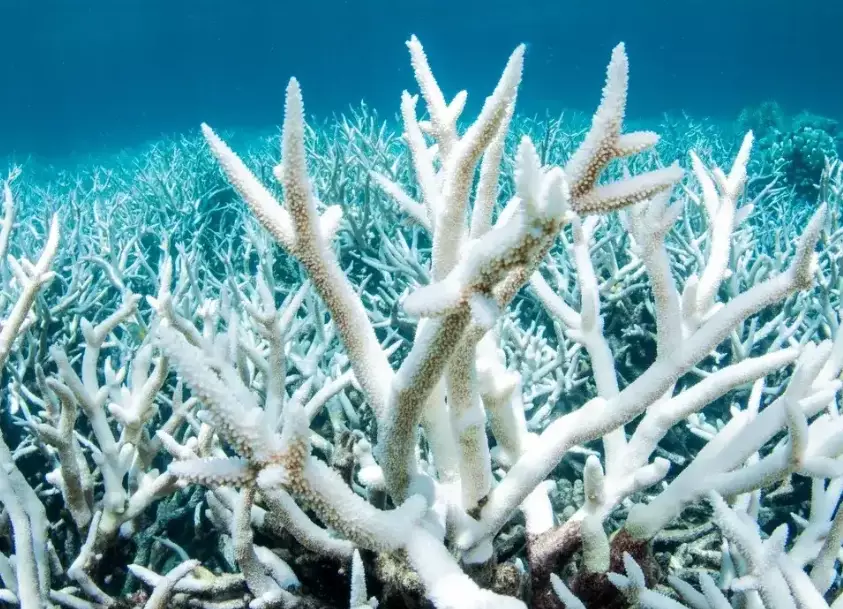
4. Physical Damage and Sedimentation
Corals are living animals with delicate tissues. Physical damage creates open wounds, drains their energy for repair, and makes them susceptible to disease. Sedimentation—when soil and sand particles settle on corals—is a silent killer.
Where does it come from? Coastal construction, deforestation, dredging, and poor land management. When rain hits bare soil, it washes tons of silt into the sea.
How Sedimentation Kills
Fine particles settling on a coral block sunlight, forcing it to expend energy constantly cleaning itself. If too much settles, it can smother the coral entirely, preventing respiration and feeding. Chronic sedimentation keeps corals in a perpetually stressed, weakened state.
Then there's direct physical damage. Anchor drops from boats crashing into the reef, divers and snorkelers kicking or standing on coral, and irresponsible fishing practices (like dynamite or cyanide fishing) shatter reef structures. Every broken branch is a wound, and a wounded coral is far more likely to bleach and die when other stressors appear.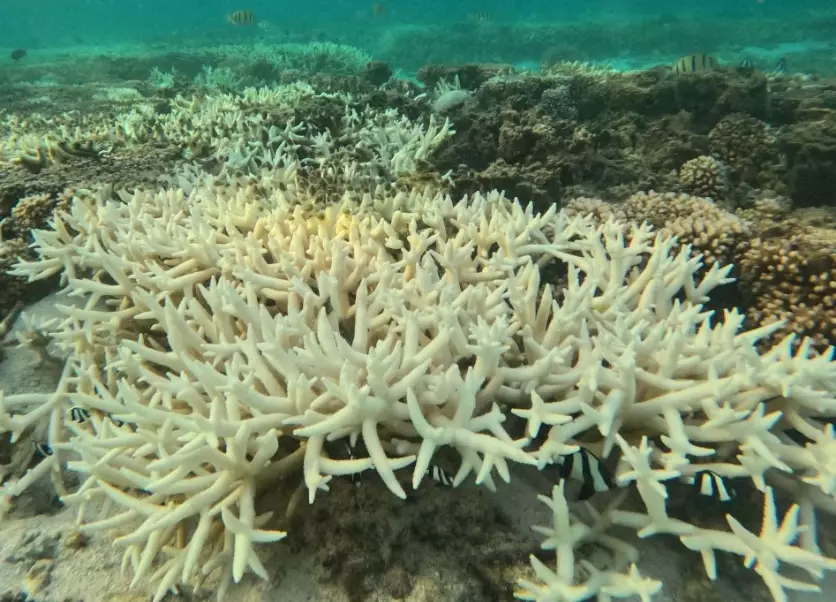
A Note from Experience: I've seen dive boats in high-traffic areas anchor directly on reef patches because the mooring buoys were full. That single anchor scar can take decades to recover, if it ever does. It's a preventable tragedy that directly contributes to a reef's fragility.
5. The Chemical Cocktail: Pollution & Sunscreen
Beyond nutrients, our water carries a toxic mix of industrial chemicals, heavy metals, pesticides, and pharmaceuticals. These pollutants can interfere with coral reproduction, growth, and their symbiotic relationship with algae.
But the most discussed—and contentious—chemical threat comes from us, the tourists who love the reefs: certain sunscreen chemicals.
Studies, including ones by the National Oceanic and Atmospheric Administration (NOAA), have shown that chemicals like Oxybenzone and Octinoxate can:
- Cause coral bleaching at extremely low concentrations (the equivalent of a drop of water in an Olympic swimming pool).
- Damage coral DNA, hindering reproduction.
- Act as endocrine disruptors, causing young coral to encase itself in its own skeleton.
The scale matters. In a popular snorkeling bay with thousands of visitors daily, the cumulative effect is significant. It's a direct, localized stressor we can control immediately.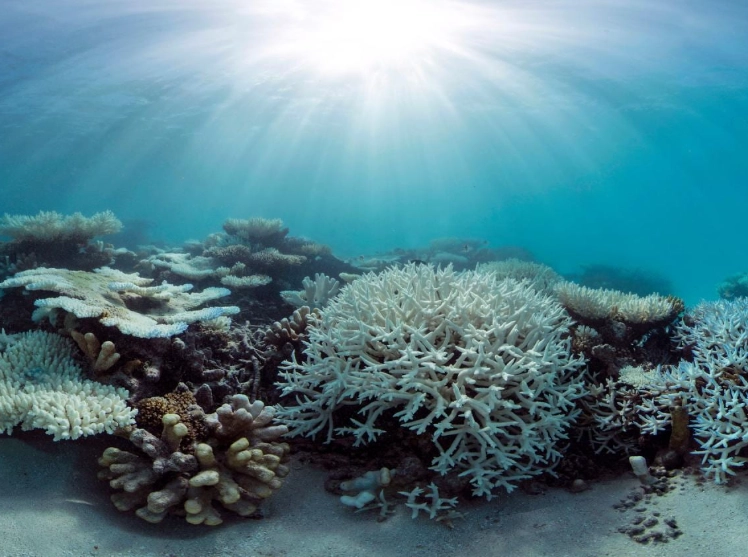
6. Extreme Low Tides (Emersion)
This cause is highly localized but devastating where it occurs. During extreme low tides, especially if they coincide with the midday sun, shallow coral reefs can be fully exposed to the air—an event called emersion.
Out of water, corals face rapid and severe stress:
- Thermal Stress: Air temperature is often much higher than water temperature. The coral literally bakes.
- Desiccation: They begin to dry out.
- Solar Radiation: Exposure to unfiltered, intense sunlight.
Even a few hours of emersion can cause rapid bleaching and mortality in the affected zone. While this is a natural phenomenon, sea-level rise and changing weather patterns can alter its frequency and impact, potentially exposing reefs that were previously safely submerged.
How These Causes Work Together: A Summary Table
| Cause | Primary Source | Direct Effect on Coral | Scale of Impact |
|---|---|---|---|
| 1. Rising Ocean Temperatures | Climate Change / Global Warming | Disrupts symbiosis, expels algae. | Global, Mass Bleaching |
| 2. Solar Radiation & UV | Weather Patterns (Clear Skies) | Damages algal cells, compounds heat stress. | Regional/Local |
| 3. Nutrient Runoff | Agriculture, Sewage, Development | Promotes smothering algae, clouds water. | Local, Coastal |
| 4. Physical Damage & Sediment | Coastal Activity, Tourism, Fishing | Smothers, wounds, drains energy. | Very Local, Site-Specific |
| 5. Chemical Pollution (Sunscreen) | Tourism, Industrial/Urban Runoff | Bleaching, DNA damage, disrupts growth. | Local, Tourism Hotspots |
| 6. Extreme Low Tides | Natural Tides & Weather | Baking, drying, sudden extreme stress. | Hyper-Local (Intertidal Zone) |
The critical takeaway? While we must fight climate change globally, we cannot ignore the local causes. A reef battered by pollution, silt, and physical damage will bleach and die at a lower temperature than a healthy, protected reef. Saving corals requires action on all six fronts.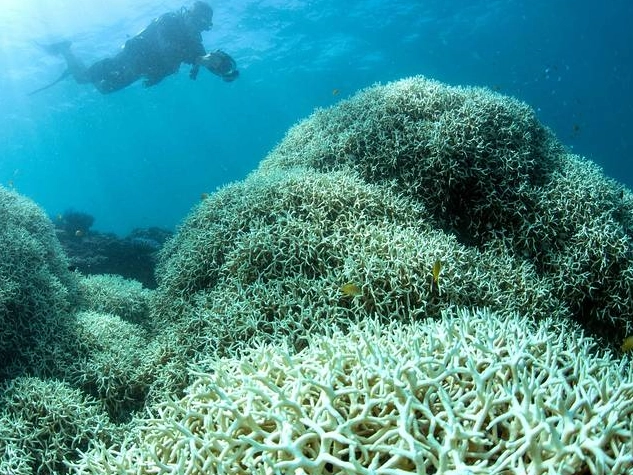
Your Coral Bleaching Questions, Answered
Can coral reefs recover from bleaching events?
Yes, but recovery is fragile and not guaranteed. If the stressor (like high temperature) is removed quickly, corals can reabsorb their zooxanthellae algae within weeks. However, prolonged stress leads to coral death. The real problem is the increasing frequency of bleaching events. Reefs that bleach one year might get hit again the next before they've fully recovered, leading to a downward spiral. Recovery also depends on the species; some are more resilient than others.
As a diver or snorkeler, what's the single most impactful thing I can do to prevent coral bleaching?
While you can't directly stop ocean warming, your most direct control is over physical damage and chemical pollution. Never touch, stand on, or kick coral. More crucially, choose your sunscreen wisely. Avoid any product containing Oxybenzone or Octinoxate. Opt for "reef-safe" mineral sunscreens with Zinc Oxide or Titanium Dioxide as the active ingredients, and even then, consider wearing a rash guard to minimize what washes off. Your physical presence and choices at the reef site have immediate consequences.
Is coral bleaching solely caused by warm water?
This is a common and dangerous misconception. While elevated sea temperature is the global mass bleaching trigger, it's rarely the only factor at a local level. A reef stressed by poor water quality from runoff or overexposure to sun during low tides is much more vulnerable to a slight temperature spike. Think of it like your immune system; you're more likely to get sick when you're already run down. Localized stressors weaken corals, making them succumb to warmer water they might otherwise have tolerated.
Are all bleaching events permanent and fatal for the coral?
No, bleaching itself is a stress response, not immediate death. The coral animal is still alive, just starving. If conditions improve within a few weeks, the algae can return. However, prolonged bleaching leads to mortality. The coral tissue dies, leaving behind the bare white skeleton, which is quickly overgrown by algae. The severity and duration of the stressor determine the outcome. Unfortunately, with climate change lengthening warm periods, the window for recovery is shrinking, making fatal outcomes more common.
Your comment