You've seen the photos. Vibrant underwater cities reduced to ghostly white skeletons. It's called coral bleaching, and it's a death sentence. But when we ask "What are the effects of coral reefs dying?", most people picture a sad, empty aquarium. The truth is so much bigger, and it's already knocking on your door. The death of a coral reef isn't just an environmental story—it's an economic, social, and security crisis playing out in slow motion. Let's cut past the generic headlines and look at what this collapse actually means for the ocean, for coastal communities, and frankly, for your wallet and safety.
What You'll Discover in This Guide
The Immediate Ecological Collapse: More Than Just Pretty Fish
Think of a coral reef as a bustling apartment building in a major city. The coral polyps are the foundation and the structure. When they die, the entire building collapses. Everyone who lived there—the fish in the units, the cleaners (shrimp), the security (lobsters)—is instantly homeless.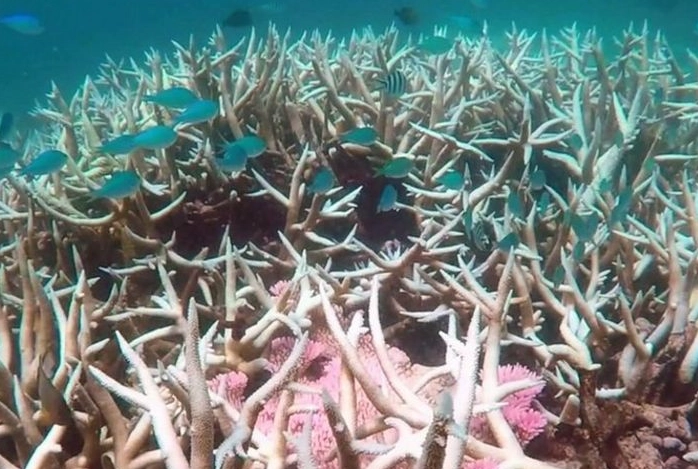
Here's the chain reaction most articles miss. It starts with algal takeover. Dead coral skeletons get covered by slimy, fleshy algae. This isn't the good kind of seaweed. It's like kudzu taking over a forest. It smothers any chance of baby coral settling and growing back.
Then comes the biodiversity crash. I've been diving for over a decade, and the change is stark. Reefs that were once chaotic markets of life become quiet, monochrome lawns. The specialists go first.
- The Parrotfish: Its job was to munch on algae, keeping the reef clean for new coral. No parrotfish, algal mats thrive.
- The Butterflyfish: It eats only coral polyps. No coral, it starves and disappears.
- The Grouper and Snapper: These predators lose their hunting grounds and nursery areas. Their populations plummet.
What's left? Often, just the generalists—opportunistic fish that can survive in degraded environments. The complex food web simplifies dramatically. A report from the International Union for Conservation of Nature (IUCN) notes that reefs support over 25% of all marine species. Lose the reef, and you risk losing that quarter.
A Diver's Note: The Misunderstood Sign
Many new divers get excited seeing lots of fish swarm a single spot. "Look, it's so alive!" But sometimes, that's a bad sign. It can mean the surrounding reef is so dead that all remaining life is concentrated on the last surviving patch. It's not abundance; it's a last stand.
The Devastating Economic Domino Effect
This is where the abstract "loss of nature" becomes a concrete blow to jobs, income, and stability. Coral reefs are economic powerhouses.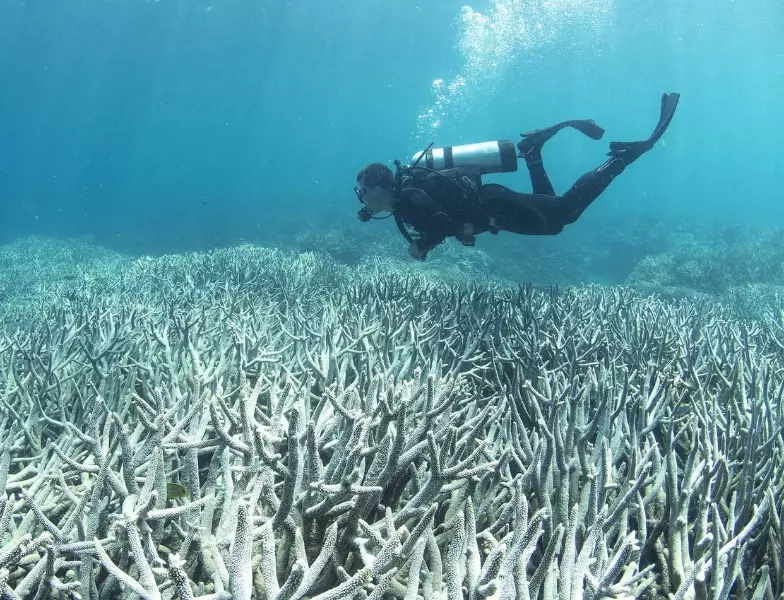
Let's break down the bill.
| Sector | Global Annual Value (Estimate) | What Happens When Reefs Die |
|---|---|---|
| Tourism & Recreation | $36+ Billion | Dive shops close. Hotels in places like the Maldives, Egypt's Red Sea, or Australia's Queensland lose their main attraction. Snorkeling tours have nothing to show. A 2019 study linked reef quality directly to tourism revenue—poor reefs meant fewer visitors and lower spending. |
| Fisheries | $6+ Billion | This isn't just about fewer fish to catch. It's about the collapseof entire fishing communities. Reefs are nurseries. No nurseries mean no juvenile fish to replenish populations, leading to a catastrophic drop in catches years later. In the Caribbean, reef degradation is a primary factor in declining fish stocks. |
| Coastal Protection | $10+ Billion (in avoided damages) | A healthy reef acts as a natural, self-repairing breakwater. It absorbs up to 97% of wave energy. A dead, eroded reef offers almost no protection. This directly leads to increased coastal erosion, more damaging storms surges, and the loss of precious land and infrastructure. |
I spoke to a fisherman in Southeast Asia a few years back. He told me his grandfather could fill a boat in a few hours. Now, he goes out for a full day and comes back with barely enough to feed his family. "The house of the fish is broken," he said. He wasn't talking about ecology. He was talking about his livelihood vanishing.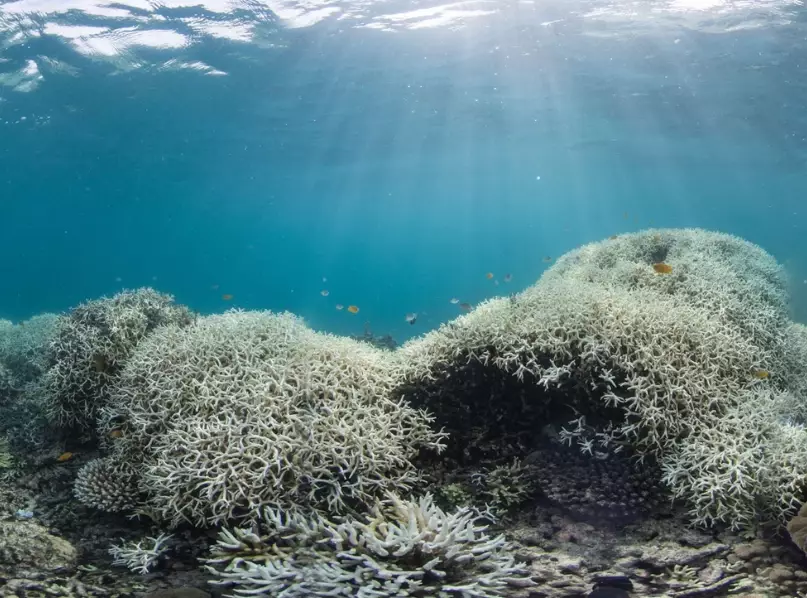
How Coral Death Directly Threatens Human Lives
Beyond economics, the effects get personal. They threaten our homes, food security, and even medicine.
Vanishing Shorelines and Lost Homes
With the reef's protective barrier gone, coastal erosion accelerates. It's not a maybe; it's happening. Islands in the Pacific and communities in Florida are spending millions on seawalls and sand replenishment—band-aid solutions for a gaping wound. The U.S. Geological Survey and the Intergovernmental Panel on Climate Change (IPCC) both identify healthy reefs as a critical first line of defense against sea-level rise and intensified storms. Lose them, and the cost of climate adaptation skyrockets.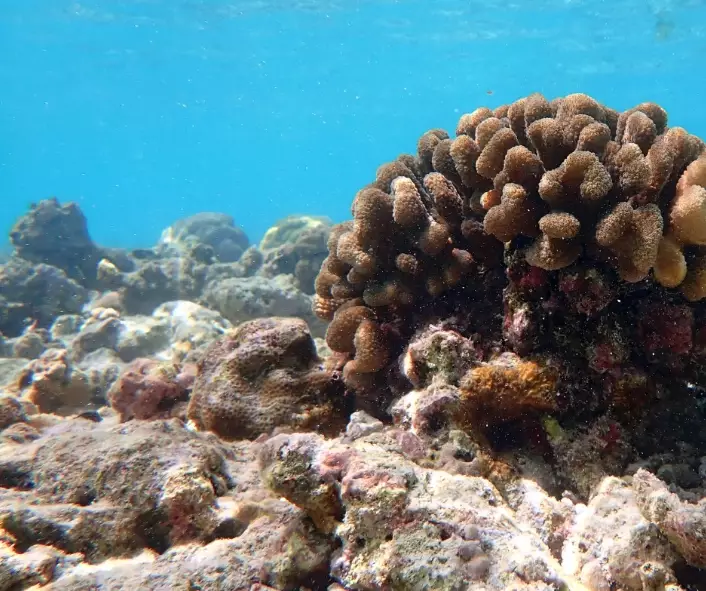
The Pharmaceutical Cabinet Closes
This one surprises people. Coral reef organisms are a goldmine for biomedical research. Compounds from sponges and soft corals are being developed for treatments for cancer, arthritis, Alzheimer's, and viral infections. Every time a reef species goes extinct, we potentially lose a future cure. It's like burning a library of medical textbooks we haven't even read yet.
Food Security on the Line
For hundreds of millions of people, especially in tropical developing nations, reef fish are a primary source of protein. When local fisheries collapse due to reef death, what happens? People either go hungry or are forced to buy more expensive imported food, pushing families deeper into poverty. It creates a vicious cycle of malnutrition and economic stress.
What Can We Actually Do to Help Coral Reefs?
It's easy to feel helpless. But focusing on big, distant problems often means we ignore the levers we can actually pull. Real action happens at multiple levels.
At the Policy Level: The single biggest thing is cutting carbon emissions. Full stop. Warming and acidifying oceans are the primary killers. Supporting marine protected areas (MPAs) that are actually enforced is another. Many MPAs are "paper parks"—great on maps, useless in the water.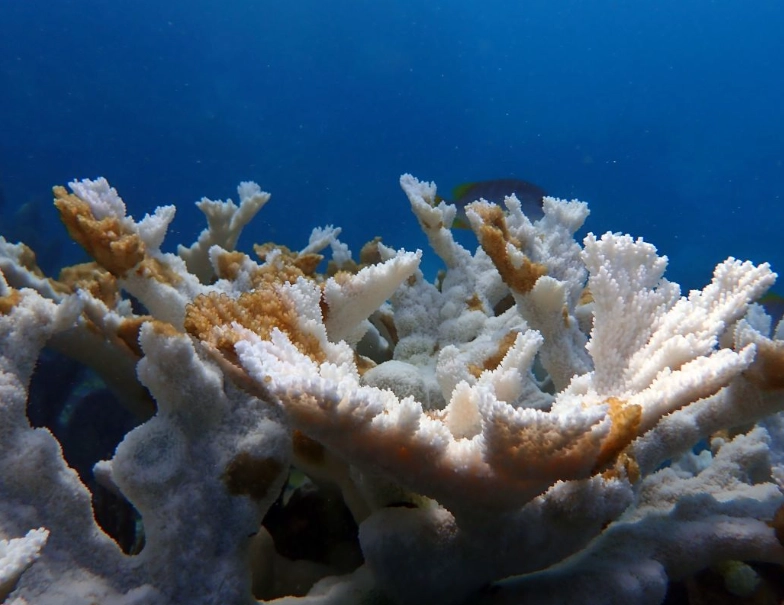
At the Community Level: Reducing land-based pollution is huge. Fertilizer runoff and sewage create algal blooms that choke reefs. Supporting sustainable tourism operators who follow good buoyancy practices, don't anchor on reefs, and treat wastewater properly makes a difference.
At the Personal Level (What You Can Do Today):
- Be a Conscientious Consumer: Ask where your seafood comes from. Choose sustainably sourced fish. Avoid products from destructive fishing practices (like cyanide or blast fishing).
- Rethink Your Sunscreen: While the debate is nuanced, opting for mineral-based sunscreens (zinc oxide, titanium dioxide) over those with oxybenzone and octinoxate when swimming near reefs is a prudent precaution.
- Support the Right Organizations: Donate to or volunteer with groups doing hands-on reef restoration and science, like the Coral Restoration Foundation or local marine research institutes.
- Vote and Advocate: Support leaders and policies that prioritize climate action and ocean conservation.
The goal isn't to return reefs to some mythical past state. It's to give them the fighting chance to adapt and survive in a changing world. That means reducing every stressor we can control—pollution, overfishing, physical damage—so they can handle the one stressor (climate change) that's much harder to fix.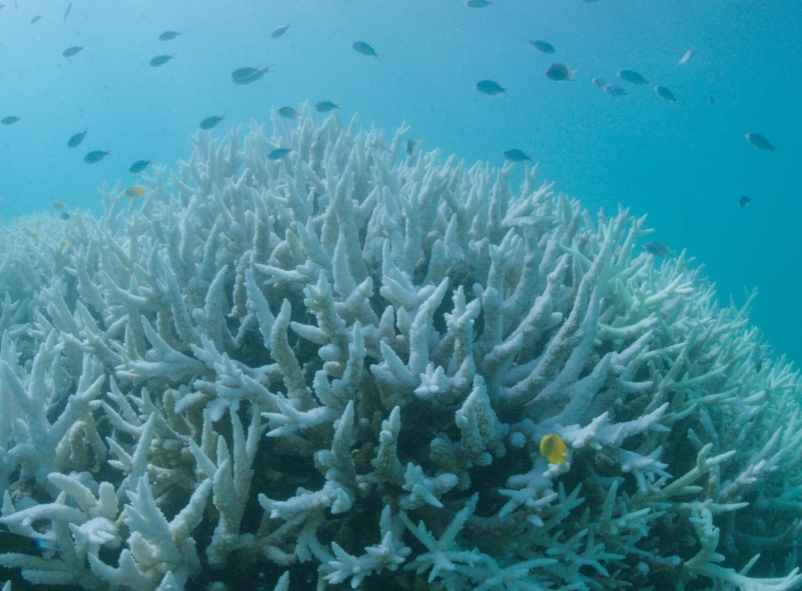
Your comment