I remember the first time I saw a bleached reef. It was 2016, during the global mass bleaching event, on a site in the Great Barrier Reef I'd dived years before. The silence was the most shocking part. The vibrant, crackling soundscape of a healthy reef was gone, replaced by an eerie quiet. The visual—a graveyard of white, brittle skeletons—was devastating. But the guide, a local who'd been taking tourists out for 20 years, didn't talk about the lost beauty. He pointed to the shore and said, "My cousin's fishing catch is down sixty percent this season. The storm last month tore up the beach worse than ever." That's when it clicked. Coral bleaching isn't a distant environmental tragedy. It's a human crisis with a very short fuse.
Your Quick Guide to the Human Cost
The science is clear: when water temperatures spike, corals expel the symbiotic algae (zooxanthellae) that give them color and up to 90% of their energy. They turn white—they bleach. If the stress is brief, they can recover. If it persists, they starve and die. The driver is unequivocally climate change. But framing the impact of coral bleaching as purely an ecological loss is a critical mistake. It allows people to see it as a problem "over there" for marine biologists. The reality is that the collapse of coral reef ecosystems delivers a powerful, multi-pronged blow to human societies. Let's break down exactly how.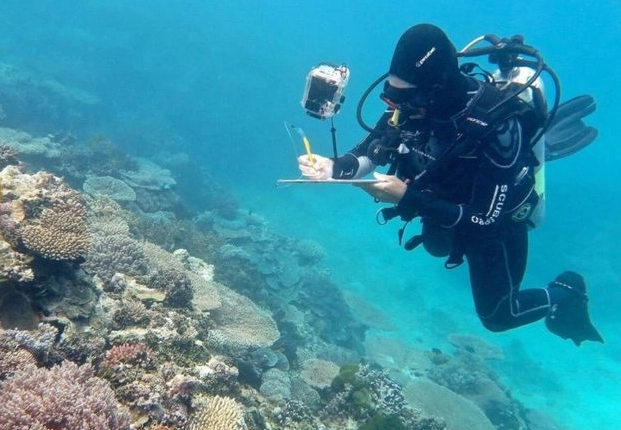
Economic Shockwaves: Livelihoods on the Line
Put simply, coral reefs are economic engines. A seminal report by the Global Coral Reef Monitoring Network and other bodies has consistently highlighted their value. Reefs support industries worth billions annually on a global scale. The economic impact of coral bleaching isn't a future forecast; it's a present-day ledger of losses.
Think about a coastal village in Southeast Asia or the Caribbean. The economy often runs on a few key pillars: fishing and tourism, both utterly dependent on a healthy reef. When the reef dies, the fish that depend on it for shelter and food disappear. Catch per unit effort plummets. Fishers spend more on fuel to go further out to sea for smaller catches. Their income nosedives.
Simultaneously, the degraded reef attracts fewer tourists. Why pay to snorkel over a field of rubble when you can go elsewhere? Dive shops close. Hotel occupancy drops. Restaurant owners who sourced local fish struggle. The tax base for the community erodes, affecting schools and infrastructure. It's a cascading economic failure that starts with the loss of color in a tiny polyp.
One nuance often missed: the loss isn't evenly distributed. It hits small-scale, subsistence fishers and family-run tourism businesses hardest. Large corporations might relocate their dive boats to a healthier reef miles away. The local community, whose identity and daily survival are tied to their specific coastline, cannot.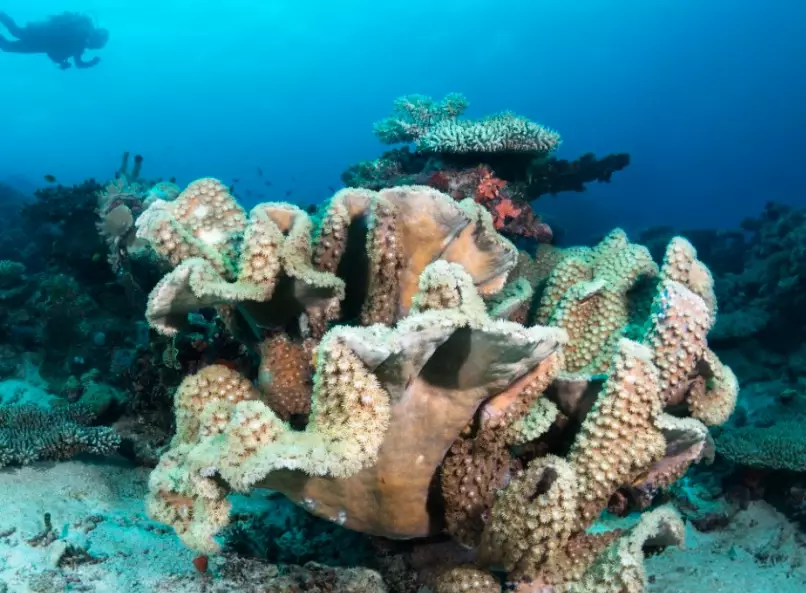
Empty Nets, Empty Plates: The Food Security Crisis
This is perhaps the most direct and visceral human impact. For over a billion people, particularly in the tropics, seafood is the primary source of animal protein. Coral reefs act as marine nurseries and feeding grounds for up to a quarter of all ocean fish species. No reefs, significantly fewer fish.
We're not just talking about a minor shortage. Research from places like the WorldFish Center indicates that reef fisheries are critical for nutritional security. The decline isn't just in volume but in diversity. The first fish to disappear are often the larger, more valuable reef predators like groupers and snappers. Communities are forced to target smaller, less nutritious species, or turn to unsustainable practices like blast fishing out of desperation, which destroys the reef substrate further, creating a vicious cycle.
I've spoken to elders in communities in Palau who say their children don't recognize fish species that were common just 20 years ago. The traditional knowledge of when and how to fish for specific species becomes obsolete. This isn't just about calories; it's about cultural erosion and the loss of a reliable, sustainable food system, pushing people toward imported, processed, and often less healthy alternatives.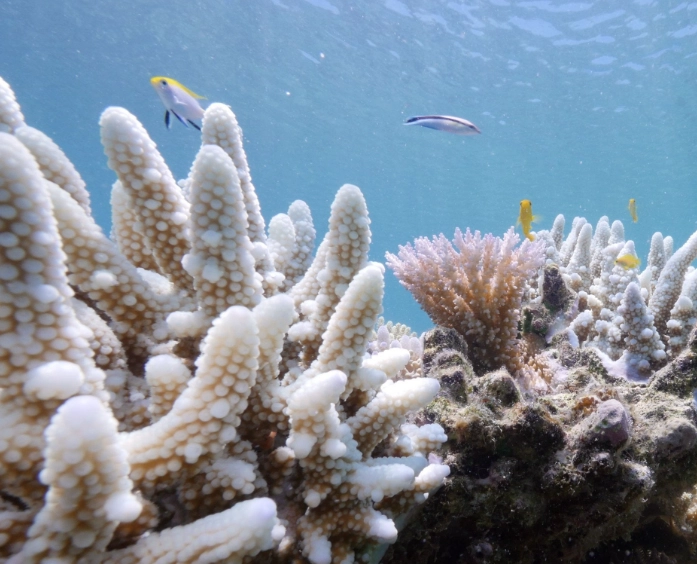
The Ripple Effect on Global Seafood
Even if you live far from a coast, you're not immune. The collapse of reef fisheries increases fishing pressure on open-water (pelagic) stocks like tuna. It disrupts the entire marine food web. The global seafood market becomes less stable, with prices for certain species becoming more volatile. Your supermarket's seafood counter is connected to the health of distant reefs.
The Broken Sea Wall: Loss of Coastal Protection
Here's a function of reefs that gets almost no glamour but is utterly vital: they are natural breakwaters. A healthy, complex reef structure with robust coral growth can absorb up to 97% of a wave's energy. They are the first line of defense against storms, hurricanes, and tsunamis.
When bleaching kills corals and the structures erode and collapse, that buffer disappears. Wave energy slams directly into the shore. The result? Dramatically increased coastal erosion, property damage, and flooding. The cost of this is staggering. A study published in the journal Nature Communications estimated that coral reefs provide flood protection benefits to more than 100 million people globally, valued at tens of billions of dollars annually.
Without reefs, the only alternative is expensive, artificial infrastructure—seawalls, breakwaters—which often fail ecologically and are financially out of reach for many developing nations. The human cost is measured in lost homes, displaced communities, and billions in disaster recovery funds that could have been prevented. After major bleaching events, islands in the Pacific and Indian Oceans have reported significantly worse coastal damage from subsequent storms. The link is undeniable.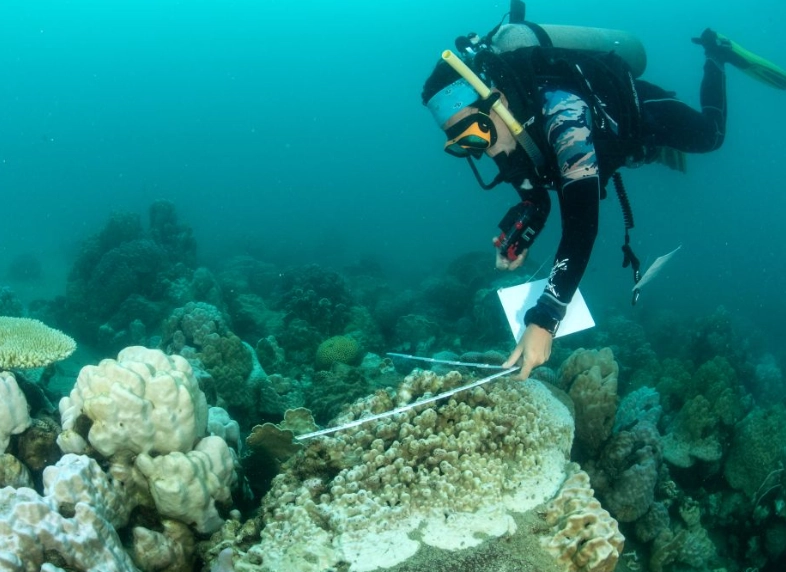
A Common Misconception: Many people think the main value of reefs is tourism. While that's economically huge, the value of coastal protection and fisheries often surpasses it in pure economic terms for many locales. We prioritize what we see (tourism) over what silently protects us (storm buffering).
A Fading Blue Economy: Tourism's Precarious Future
Okay, let's talk tourism, because it's the most visible link for many. From the Great Barrier Reef to the Maldives, from the Caribbean to the Red Sea, coral reefs are the cornerstone of marine tourism. This industry employs millions—guides, boat captains, hotel staff, restaurateurs, and souvenir sellers.
Bleaching creates a brutal feedback loop. As reefs degrade, their appeal diminishes. Tourists leave disappointed, post less-than-stellar reviews, and choose other destinations. Operators face a terrible choice: take guests to degraded sites and risk their reputation, or travel further to healthier reefs, increasing costs and carbon footprint.
The impact isn't immediate total collapse; it's a slow bleed. You see fewer return visitors. You see a shift in clientele from dedicated divers (who seek pristine sites) to more casual snorkelers (who might be less discerning, but also spend less). The "brand value" of a destination like the Great Barrier Reef is intrinsically tied to its perceived health. Major bleaching events make global news and directly influence travel decisions for years.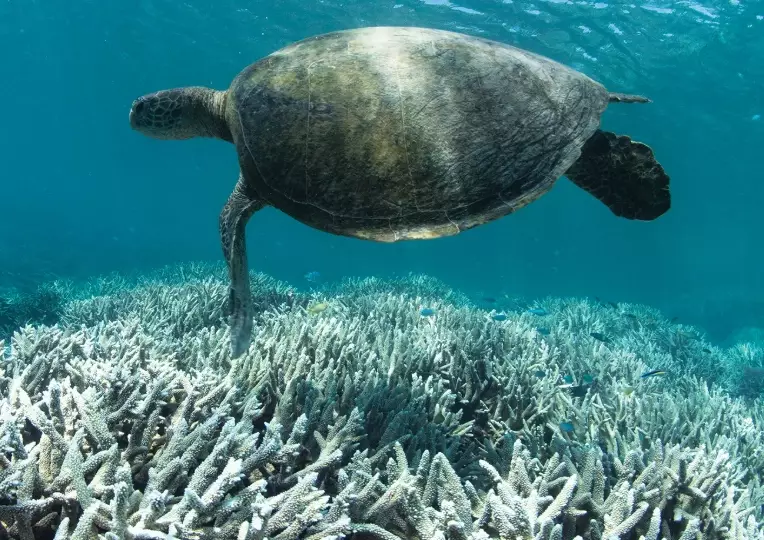
The Medicine Cabinet We're Losing
This is the long-term, frontier impact. Coral reefs are often called the "medicine cabinets of the 21st century." They are biodiversity hotspots, and that biological complexity is a treasure trove for biomedical research. Corals, sponges, and other reef organisms have evolved unique chemical compounds to defend themselves in a competitive space. These compounds are being studied for treatments for cancer, arthritis, Alzheimer's, bacterial infections, and HIV, among others.
The drug Ziconotide, a potent painkiller derived from a cone snail (a reef inhabitant), is one famous success story. Every time a reef species goes extinct due to habitat loss from bleaching, we potentially lose a chemical blueprint for a future life-saving drug. We are burning the library of natural medicinal solutions before we've even read most of the books. The human health cost of this lost potential is incalculable.
So, where does this leave us? The narrative that coral bleaching is just about saving "pretty fish" is not only wrong, it's dangerously counterproductive. It's about food on plates, jobs in communities, homes on shorelines, and future cures in labs. The human impacts are systemic, economic, and deeply personal. Addressing coral bleaching means addressing climate change with urgency. It also means supporting local conservation, sustainable fisheries, and reef-positive tourism. Our fate and the reef's fate are, quite literally, woven together. The time to see them as separate issues is over.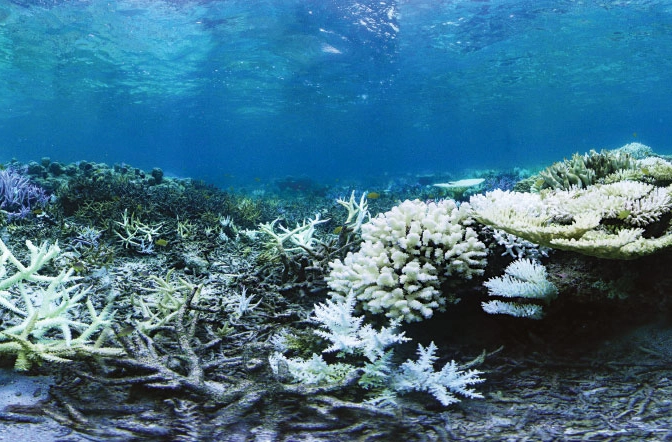
Your comment