Quick Navigation
If you've ever dipped your toes in a tropical sea, you've likely seen coral. Those colorful, rock-like structures? They're not just pretty background. They're living animals, thousands of tiny organisms called polyps, building massive underwater cities. But what's the big deal? How does coral affect the environment? Let's cut past the postcard views and dive into the real-world mechanics.
I remember my first dive in the Philippines. It wasn't just the fish. It was the sheer density of life surrounding a single, healthy coral head. That's when it clicked. Coral isn't just a home; it's a biological engine. The question isn't if it affects the environment, but how profoundly it does so, on scales we're only beginning to appreciate.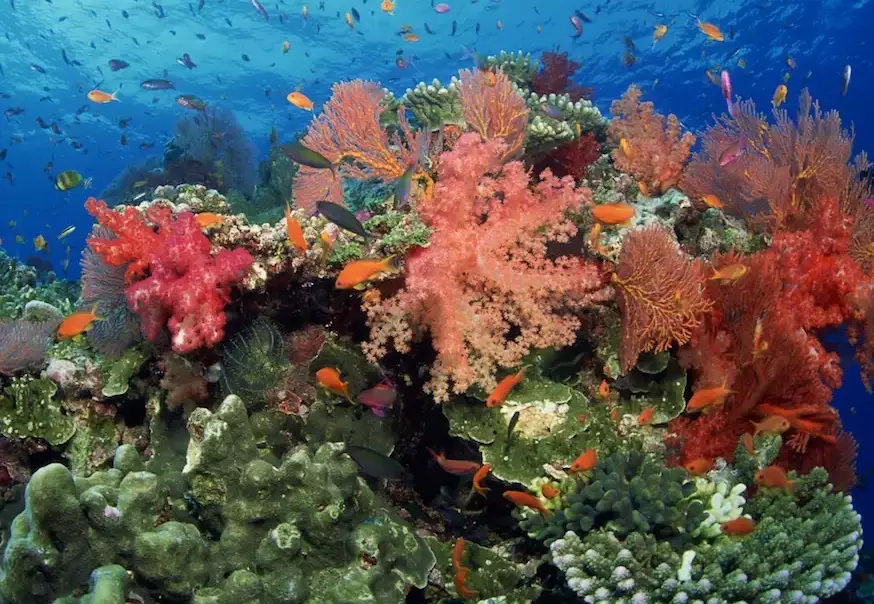
To understand this, we need to think of a coral reef not as a static structure, but as a dynamic living system. Its impact starts at the microscopic level and ripples outwards, literally shaping coastlines and global climate. Let's break down this influence.
What Exactly Do Coral Reefs Do? (Beyond Beauty)
This is where most generic articles stop. They'll list "biodiversity" and "coastal protection" and call it a day. But the reality is more intricate. The environmental functions of coral reefs can be grouped into three core pillars, each with a tangible, measurable outcome.
1. The Physical Engineer: Shoreline Guardian and Sand Producer
Imagine a wave approaching a coastline. Now, imagine that wave hitting a submerged, complex wall of limestone. That's a reef. The structure alone reduces wave energy by an average of 97%. Let that sink in. It's not just a barrier; it's a natural shock absorber that prevents coastal erosion.
But here's the subtle mistake many make: they assume this protection is uniform. It's not. The effectiveness depends on the reef's structural complexity. A flat, dead reef offers little resistance. A healthy, branching reef with high rugosity (surface roughness) breaks waves far more efficiently.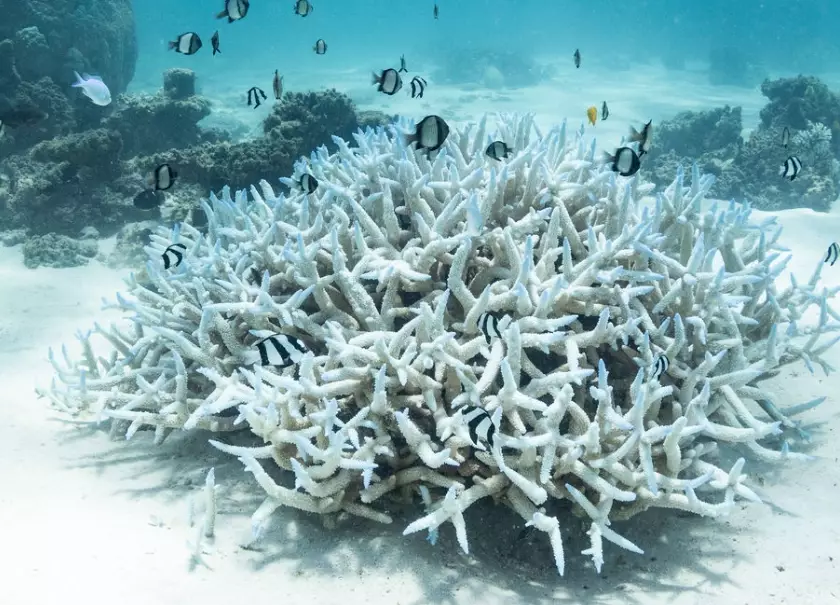
And then there's the sand. Those pristine white beaches in the Maldives, the Bahamas? They're largely the work of parrotfish. But parrotfish rely on the algae that grow on... you guessed it, healthy coral. Parrotfish eat the algae, grind up the coral skeleton, and excrete it as sand. No coral? No parrotfish. No parrotfish? No sand. The entire beach system, in many tropical locations, is a direct byproduct of a functioning reef.
2. The Biological Powerhouse: Life's Incubator and Pharmacy
This is often called the "rainforest of the sea" analogy. It's accurate, but incomplete. A rainforest is a habitat. A coral reef is a habitat, a nursery, and a larder all in one. Over 4,000 species of fish rely on reefs for part of their life cycle. But the key word is "part."
Many fish species use the reef as a nursery for their juveniles, but hunt in the open sea as adults. The reef provides shelter from predators in a way that the open ocean simply cannot. The structural complexity creates hiding places that increase survival rates by orders of magnitude.
More quietly, coral reefs are medicine cabinets. Compounds like prostaglandins (used to treat asthma) and pseudopterosins (potent anti-inflammatory agents) have been isolated from reef organisms. The loss of a reef isn't just the loss of fish; it's the potential loss of the next medical breakthrough.
3. The Chemical Regulator: Carbon Sink and Water Quality Monitor
This is the most overlooked aspect. Coral polyps extract calcium and carbonate from seawater to build their skeletons. In doing so, they lock away carbon dioxide. It's a slow process, but over millennia, reefs have become one of the planet's largest carbon sinks.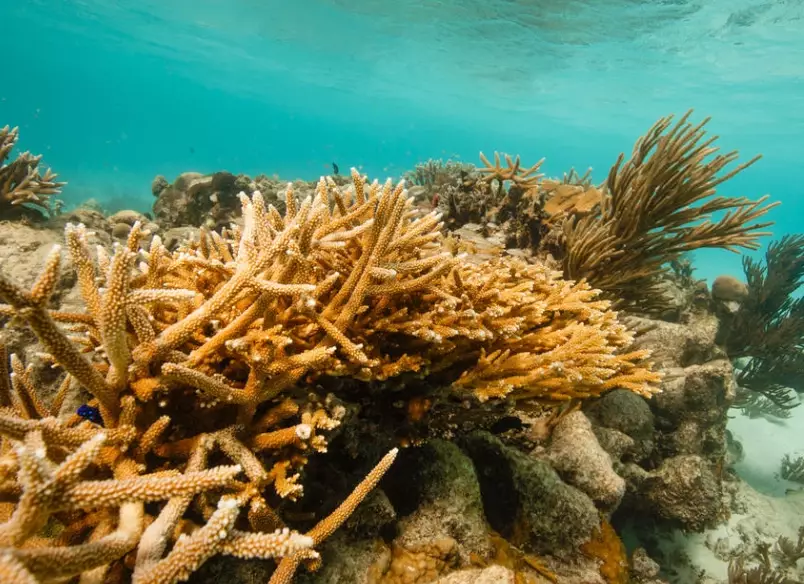
But here's the non-consensus, nuanced view I've developed after years of observation: the reef's role in carbon cycling is more about local stability than global impact. The real magic is in the water filtration. A single coral head can filter 50,000 gallons of water per day, removing particulates and nutrients. Without this filtration, the water becomes cloudy, sunlight penetration decreases, and the entire local photosynthetic system (including seagrass beds) can collapse.
Let me put it this way. I've dived in sites with thriving coral, and sites where the coral is dead. The difference isn't just visual. It's auditory, olfactory, and tactile. The dead sites are quieter, smell faintly of sulfur, and the water feels... heavier, less dynamic. That's the environment changing in real-time.
The Direct Environmental Impacts of Coral Reefs
So, how does coral affect the environment? Let's move beyond generalities and into the specifics. The following table summarizes the core environmental functions:
| Environmental Function | Mechanism of Action | Measurable Outcome (Example) |
|---|---|---|
| Coastal Protection & Infrastructure Savings | Physical wave attenuation by complex 3D structure | Prevents an estimated $4-8 billion in flood damage annually globally (NOAA) |
| Fisheries Support & Food Security | Providing nursery and feeding grounds for commercially important fish species | Supports 25% of all marine life, directly contributing to the livelihoods of over 500 million people worldwide (IUCN) |
| Biodiversity Hotspot & Species Discovery | Hosting an estimated 950,000 to 2 million undiscovered species | Produces half of the oxygen in the Earth's atmosphere through associated phytoplankton |
| Tourism Revenue & Coastal Community Livelihoods | Generating over $36 billion in global tourism annually | Supports over 1 million jobs in sectors like tourism, fishing, and recreation |
| Medical Research & Biochemical Potential | Serving as a source for compounds used in treatments for cancer, HIV, and other diseases | Yields an estimated $5.5 billion annually in potential pharmaceutical value |
Now, let's talk about a less-discussed but critical impact: sediment stabilization. Reefs trap sediment that would otherwise smother seagrass beds and mangroves. These seagrass beds are, in turn, 10-15 times more efficient at carbon sequestration per unit area than terrestrial forests. So, a dying reef doesn't just lose fish; it triggers a chain reaction that can release stored carbon and accelerate coastal degradation.
I once saw a project in the Caribbean that attempted to restore a reef by simply transplanting coral fragments. It failed. Why? Because they ignored the cryptobiota - the tiny worms, sponges, and crustaceans that live within the reef structure and are essential for nutrient cycling. They focused on the coral animals but neglected the entire microbial and small invertebrate community that does the heavy lifting of keeping the system resilient. It's like planting a tree without the soil fungi that help it access nutrients.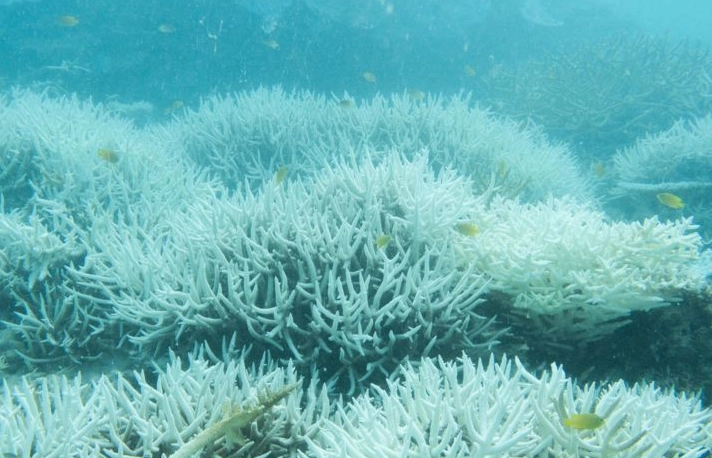
Coral in Crisis: What Happens When Reefs Die?
This isn't a hypothetical. We're living through it. The Great Barrier Reef has lost over 50% of its coral cover in the last three decades. The consequences are not a slow-motion film; they are happening in real-time.
Let's take a specific example: the Caribbean. After a major hurricane, coastlines protected by healthy reefs recover their sand deposits and vegetation up to 80% faster than areas where the reefs are degraded. The cost of replacing a single kilometer of reef with a seawall can range from $10 to $50 million. And that's just the construction cost, not the maintenance.
But here's the nuanced, non-consensus view based on my experience: the death of a reef doesn't just mean the loss of a tourist attraction. It fundamentally alters the wave refraction patterns. This changes how energy dissipates along a coastline, often leading to the scouring of new channels and the complete rerouting of water flow. I've seen a single beach in Florida lose over 30 meters of sand in a single season after a nearby reef died. The engineering reports for restoration didn't account for this change in hydrodynamics, leading to failed projects.
And then there's the economic impact on fisheries. In Southeast Asia, many fisheries are what we call "reef-associated." This doesn't just mean they fish near reefs. It means the entire life cycle of the species, from spawning to feeding to shelter, is tied to the reef's health. Lose the reef, and you don't just lose the adult fish; you lose the next generation. The data shows a direct correlation between reef health and fish catch per unit effort. A bleached reef can see fish yields drop by over 70% in the following year.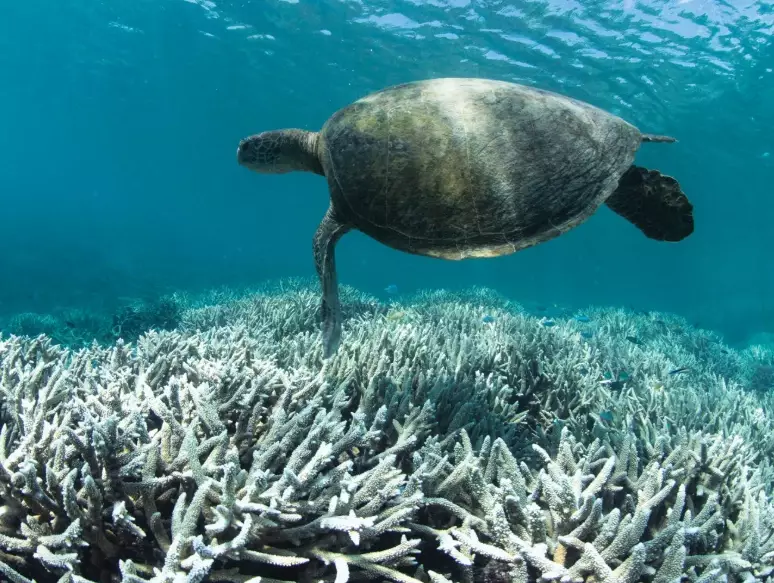
How Do Humans Affect the Coral-Environment Relationship?
We are the dominant variable in this equation now. Our actions don't just influence coral; they dictate its survival. The relationship is symbiotic, but we've turned it parasitic.
Consider sunscreen. For years, the conversation focused on oxybenzone. But the issue is more systemic. Many "reef-safe" suncreens use alternative compounds like octinoxate or homosalate, which are less studied but may still have negative impacts under certain conditions (like high concentrations in enclosed bays). The real mistake is assuming any labeled "reef-safe" product is automatically benign. I've tested water samples after a busy tourist day, and the levels of some of these alternative UV filters can be surprisingly high.
Another subtle error is in coral restoration. The well-intentioned but flawed approach of "coral gardening" - where fragments are grown in nurseries and then transplanted - often fails because it treats the symptom, not the cause. If the water is too warm, too acidic, or too polluted, the transplanted coral will die just like the original. Successful projects, like those in the Philippines I've worked with, integrate coral transplantation with macroalgae scrubbing and herbivorous fish reintroduction to address the underlying water quality issues.
And then there's the carbon footprint of tourism. A single long-haul flight to a diving destination can produce more CO2 than what that reef section sequesters in a year. It's a difficult truth, but true ecotourism must account for this. Offsetting isn't enough; we need to rethink travel itself.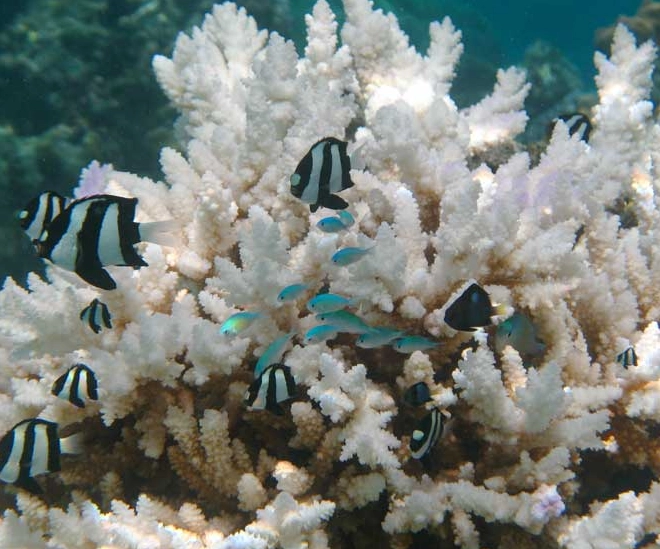
What Can You Do? A Practical Guide to Supporting Reefs
This isn't about grand gestures. It's about daily choices. The most effective action you can take isn't necessarily donating to a large charity (though that helps). It's about informed consumption.
Choose your sunscreen meticulously. Look beyond the "oxybenzone-free" label. Seek mineral-based formulas with non-nano zinc oxide or titanium dioxide as the active ingredients. And apply it after you've entered the water, not before, to minimize wash-off.
Be a conscious seafood consumer. Avoid fish that are caught using destructive methods like bottom trawling or cyanide fishing. Support sustainable fisheries. Apps like Seafood Watch can guide you, but the real key is asking your fishmonger or restaurant about the source. If they don't know, reconsider.
Reduce your overall plastic consumption. It's not just about straws. Microfibers from synthetic clothing are a massive, and often overlooked, source of reef pollution. Consider a filter for your washing machine, or choose natural fibers.
When you travel, choose operators with verifiable sustainability practices. Don't just trust a logo. Ask specific questions: Do they have a mooring buoy system to prevent anchor damage? Do they treat their greywater? Do they employ local guides and pay fair wages? These details matter more than a generic "eco-friendly" label.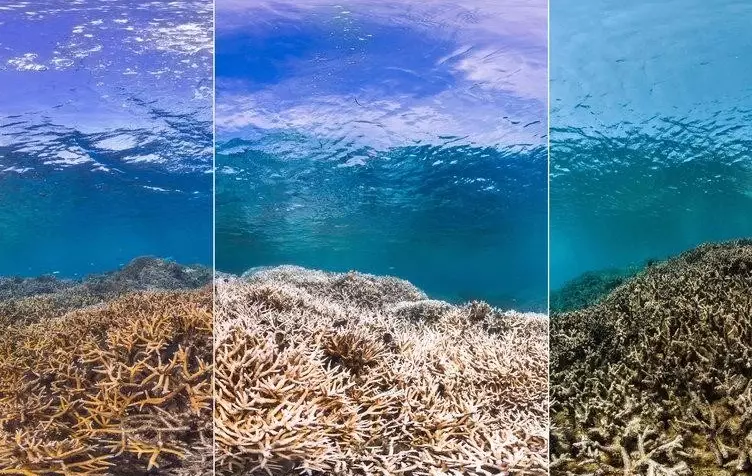
Finally, spread awareness, but do it accurately. The narrative isn't just "reefs are dying." It's "reefs are dying, and here's how that directly affects your local coastline, your food supply, and the air you breathe." Connect the dots for people.
Your comment