Let's be clear from the start. The main cause of the mass coral bleaching events devastating reefs from Australia to the Caribbean is prolonged elevated sea surface temperatures, primarily driven by human-induced climate change. If you remember one thing, remember that. It's the constant, background stress of a warming ocean that pushes corals past their breaking point.
But calling it just "hot water" is like saying a house fire is caused by "heat." It's technically true but misses the crucial mechanics. I've been diving these reefs for over a decade, and the change is visceral. You used to descend into a riot of color. Now, too often, you're met with silent, skeletal graveyards. The trigger is heat, but the story is about a broken partnership.
What You'll Find in This Guide
The Unseen Partnership: Coral and Zooxanthellae
Here's the first thing most summaries get wrong: coral isn't just an animal. It's a condo. The coral polyp (the tiny, soft animal) builds a hard skeleton. Living inside its tissues are millions of microscopic algae called zooxanthellae (pronounced zoo-zan-THEL-ee).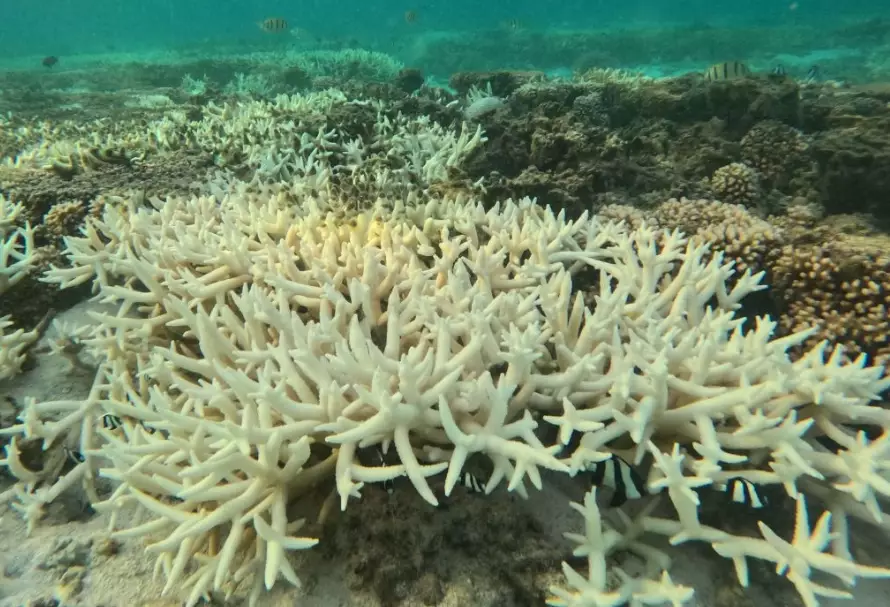
This is a symbiotic relationship, one of the best in nature.
- The Coral provides: a safe home, protected from predators, and access to sunlight (through its clear tissues) and waste nutrients (like CO2 and ammonia).
- The Algae provide: up to 90% of the coral's energy needs through photosynthesis. They're the sugar daddies of the operation. This energy is what allows corals to build those massive, complex reefs we dive on.
The vibrant colors of a healthy reef? That's mostly from the pigments of these algae. The coral animal itself is mostly translucent.
When this relationship sours, everything falls apart. Bleaching is essentially a divorce. The coral, under severe stress, expels its algal tenants. Without the algae, the coral loses its color (revealing the white skeleton beneath) and its primary food source. It's starving in plain sight.
The Primary Culprit: Elevated Sea Surface Temperatures
So, what causes this divorce? The number one stressor is heat.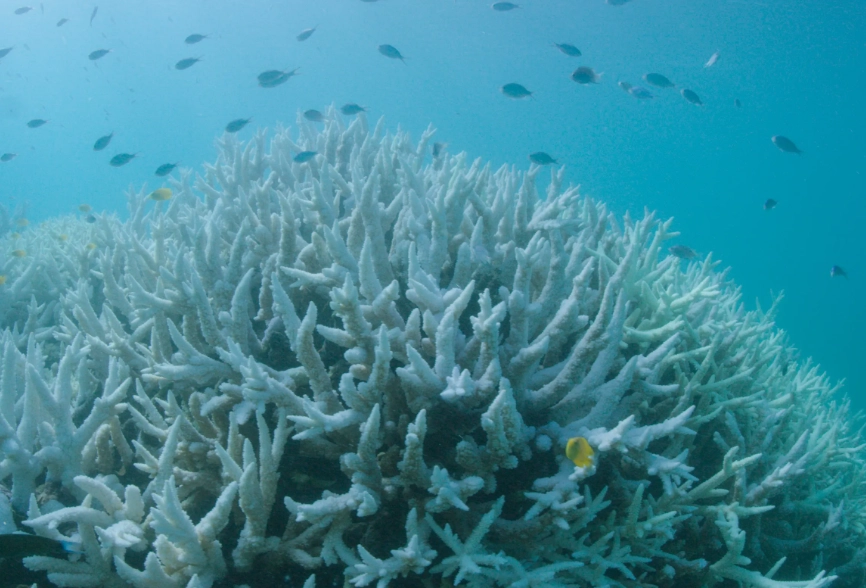
Corals are Goldilocks organisms. They thrive in a specific temperature range, typically between 23°C and 29°C (73°F to 84°F). They've adapted to the normal seasonal highs of their location.
Climate change is breaking that contract. It's not just a hot day; it's about marine heatwaves – periods where water temperatures remain 1°C or more above the typical seasonal maximum for days, weeks, or even months. According to the National Oceanic and Atmospheric Administration (NOAA), these events have become over 50% more frequent in the last decade.
The 1°C Threshold: This is the critical number. When ocean temperatures stay just 1°C above the long-term summer average for several weeks, widespread bleaching begins. At 2°C above, severe bleaching and mortality are almost guaranteed. Think about that. The difference between a thriving reef and a dead one can be a mere 2 degrees Celsius.
The heat damages the photosynthetic machinery inside the zooxanthellae. They start producing toxic reactive oxygen species. It's like the algae's factory starts leaking poison. To survive, the coral has to evict them. It's a desperate, last-ditch survival tactic that often fails.
Look at the 2016 mass bleaching on the Great Barrier Reef. Sea surface temperatures were the hottest ever recorded. The result? An estimated 30% of the corals died in that single event, with the most severe impacts in the northern, pristine sections. The cause was unequivocally linked to anthropogenic climate warming.
Why Can't Corals Just Adapt or Move?
This is a common question. Evolution is slow. The current rate of ocean warming is about 10 times faster than any change corals have faced since the last ice age. They can't evolve heat tolerance fast enough.
Moving? Coral larvae can drift on currents, but adult colonies are stuck. And even if larvae settle in cooler waters, those areas might lack the right substrate, light, or other conditions needed to build a reef. It's not a viable solution at the scale needed.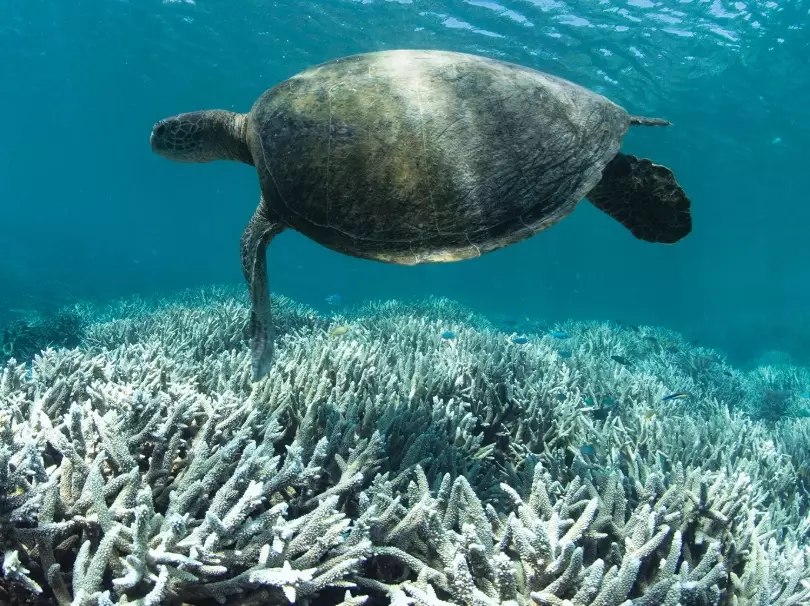
The Deadly Mix: When Global Warming Meets Local Stress
Here's the expert nuance that many miss: Ocean warming is the main cause, but local stressors are the accomplices that turn an event from bad to catastrophic.
A coral already weakened by poor water quality has a much lower chance of surviving a heatwave. It's like trying to run a marathon while recovering from the flu.
- Pollution & Nutrient Runoff: Fertilizers and sewage from land increase algae in the water (not the symbiotic kind). This clouds the water, blocking light, and can lead to algal smothering of corals. It also promotes coral diseases.
- Overfishing: Removing key fish, especially herbivores like parrotfish, allows macroalgae to overgrow and outcompete coral larvae for space.
- Physical Damage: Anchors, careless divers, and destructive fishing practices create open wounds, making corals more susceptible to disease and stress.
A reef managed well—with clean water, healthy fish populations, and protected areas—has a fighting chance to resist bleaching slightly better and recover much faster. This is why local conservation is not futile, even as we tackle the global climate problem.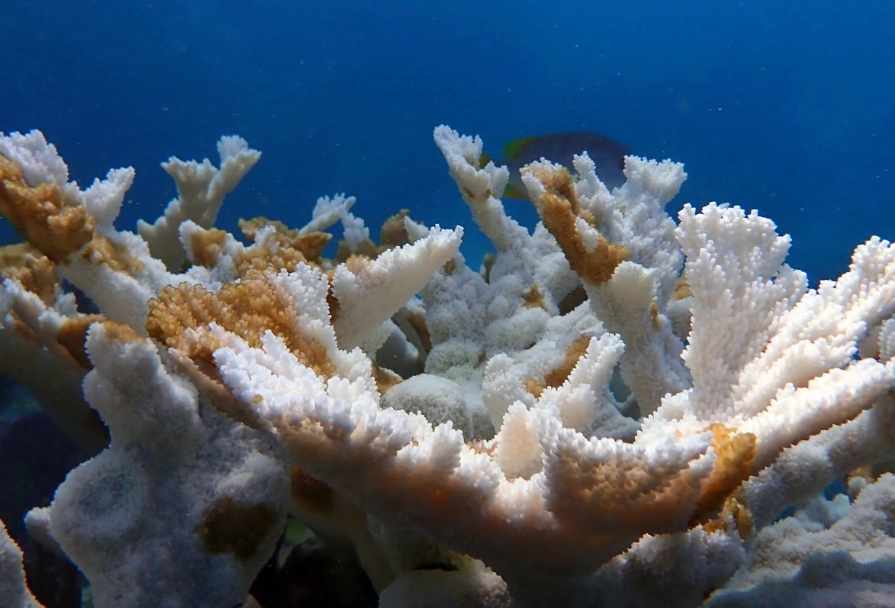
Can Corals Come Back? The Bleaching Recovery Timeline
Bleaching is not immediate death. It's a state of severe crisis.
If the heat stress subsides quickly (within a few weeks), some corals can re-recruit zooxanthellae from the water. They slowly regain color and function. But they are weakened, more prone to disease, and growth/reproduction slows.
If the stress is prolonged, the coral starves. Tissue dies, leaving behind the bare, white calcium carbonate skeleton. This is quickly colonized by turf algae. The reef structure remains, but the living, breathing, biodiversity-supporting ecosystem is gone.
Recovery for a reef system after a major bleaching event, if it happens at all, takes at least 10-15 years of no further major disturbances. With bleaching events now happening back-to-back (as in 2016 and 2017 on the GBR), that recovery window is slamming shut.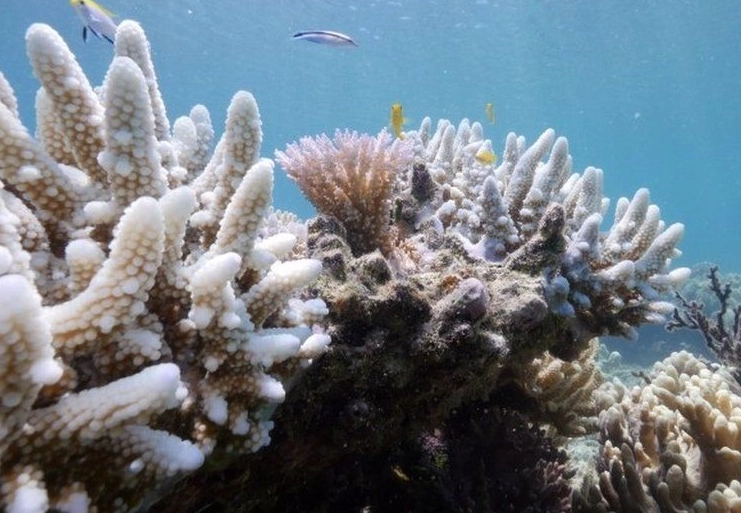
What Can Be Done? From Your Backyard to the Reef
The solution requires action at every level.
Global Action (The Non-Negotiable): Drastically reducing greenhouse gas emissions is the only way to stop the driver of ocean warming. Supporting policies and technologies that move us toward a low-carbon economy is the single most important thing for the long-term survival of reefs.
Local & Regional Action (The Damage Control):
- Support Marine Protected Areas (MPAs) with strong enforcement.
- Advocate for improved wastewater treatment and land-use practices to reduce runoff.
- Support sustainable fisheries management.
Personal Action (The Ripple Effect):
- Make climate-conscious choices in energy, transport, and consumption.
- If you dive or snorkel, use reef-safe sunscreen (mineral-based, oxybenzone-free), master your buoyancy, and never touch the reef.
- Choose tourism operators with strong eco-certifications.
- Donate to or volunteer with reputable reef conservation NGOs like the Coral Reef Alliance or local restoration projects.
Scientists are also working on assisted evolution – selectively breeding or engineering more heat-tolerant corals. But this is a high-tech triage, not a replacement for cutting emissions. It's like trying to breed fire-resistant trees while the whole forest is ablaze. You have to put the fire out first.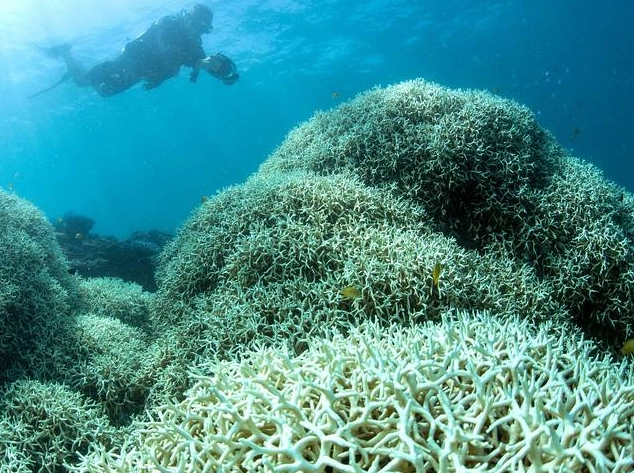
Your Questions Answered (FAQ)
How long does it take for a bleached coral to recover?
Can coral bleaching happen in cold water?
As a diver, what should I do if I see bleached coral?
Is there any 'good' coral bleaching?
The main cause of coral bleaching is settled science. It's us. Our emissions are overheating the oceans and breaking a partnership millions of years in the making. Understanding this isn't about assigning blame; it's about clarifying responsibility. The path to saving reefs is difficult, but it starts with recognizing the root of the problem. The reefs have a fever, and we hold the medicine.
Your comment