If you've seen those heartbreaking photos of stark white coral skeletons, you've probably wondered: where is this crisis hitting hardest? It's not everywhere equally. Coral bleaching is concentrated in specific global hotspots, and right now, the map looks alarmingly red. The short answer? The worst bleaching is happening across the Great Barrier Reef, the wider Coral Triangle, the Caribbean Sea, and parts of the Western Indian Ocean. But to understand why these areas are epicenters, we need to look at the relentless push of warm water, local pressures, and the heartbreaking patterns emerging from recent mass events.
What You'll Find in This Guide
- Bleaching 101: It's Not Just About Color
- The Global Epicenters: Four Key Hotspots
- The Great Barrier Reef: A Case Study in Cumulative Stress
- The Caribbean: Persistent Heat and Local Strain
- The Coral Triangle: High Stakes in the Biodiversity Heartland
- The Outlook and Glimmers of Hope
- Your Coral Bleaching Questions Answered
Bleaching 101: It's Not Just About Color
First, a quick reset. Coral bleaching isn't death. It's starvation. Corals get their vibrant colors and up to 90% of their energy from microscopic algae called zooxanthellae living in their tissues. When seawater temperatures stay too high for too long, the coral gets stressed and expels these algae. The coral tissue turns transparent, revealing the white limestone skeleton underneath—hence "bleaching."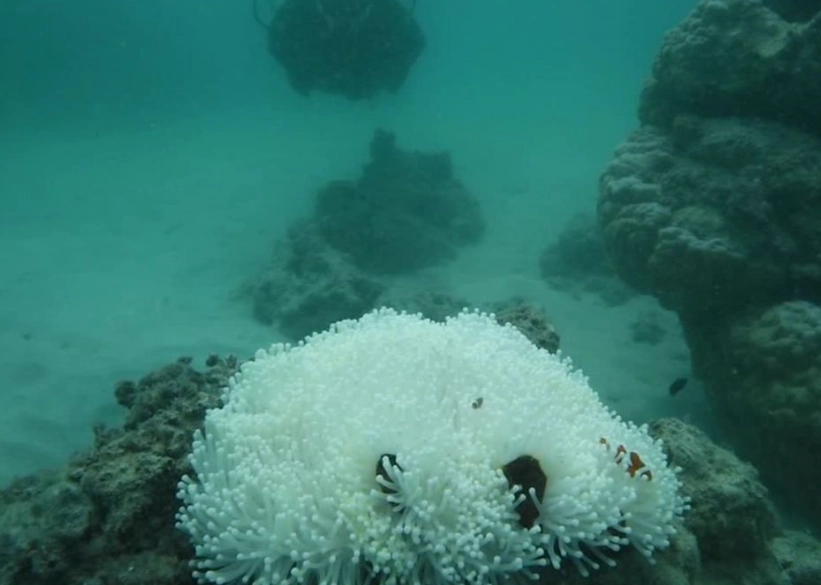
The coral is still alive but is now running on empty. If cool water returns quickly, it can reabsorb algae and recover. But if the heat stress lasts weeks, the coral will die from disease or outright starvation. The trigger is almost always prolonged marine heatwaves. A common mistake is thinking a single hot day does it. It's the sustained cook, often just 1-2°C above the usual summer maximum for several weeks, that pushes reefs over the edge.
Why "Hotspots" Matter: Tracking where bleaching is most severe helps scientists prioritize research, direct conservation resources, and understand climate impacts. For divers and travelers, it reveals which reefs are under the most immediate threat.
The Global Epicenters: Four Key Hotspots
Satellite data from NOAA's Coral Reef Watch program paints a clear picture. Their bleaching alert system tracks sea surface temperature anomalies and thermal stress accumulation. When you overlay this data with major reef regions, four persistent hotspots emerge. These are the areas consistently hitting the highest alert levels (Alert Level 2, meaning widespread bleaching and significant mortality is expected).
1. The Great Barrier Reef (Australia)
It's the poster child for the crisis, and for grim reason. The GBR has undergone four mass bleaching events in just seven years (2016, 2017, 2020, 2022, and another major one in 2024). The 2016 event was catastrophic for the northern third. The 2024 event was notable because it was the most spatially extensive, with severe heat stress hitting all three regions (north, central, and south) simultaneously.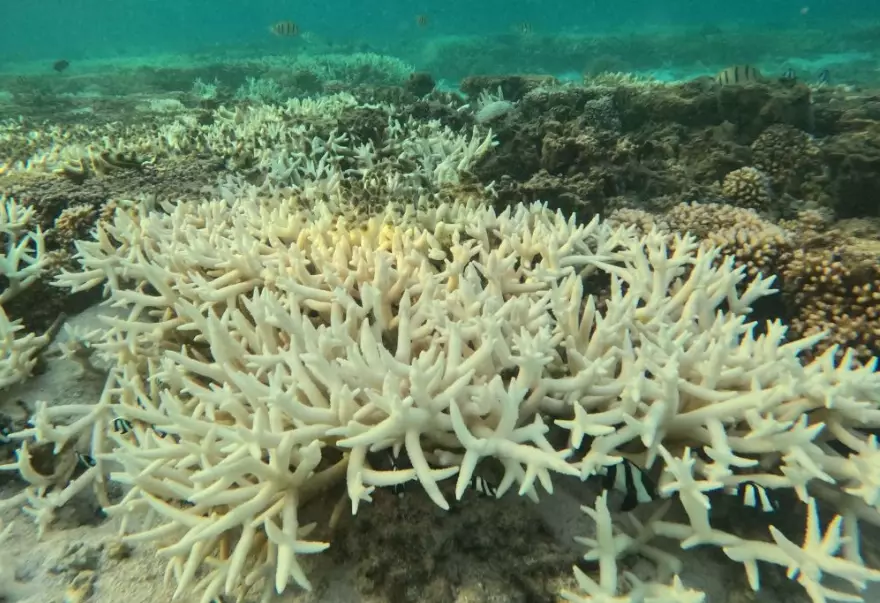
The Data Point: A 2022 study published in Nature found that only 2% of the Great Barrier Reef's individual reefs have escaped bleaching since 1998. The southern third, long considered a potential climate refuge, is now bleaching severely.
I spoke with a reef guide from Cairns who's been on the water for 15 years. "The pattern has changed," he said. "It used to be you'd have a bad year, then a few to recover. Now the blows come before the reef has caught its breath. The corals that bounce back are often the weedy, fast-growing types. The big, complex table corals and branching staghorns—the ones that create all the nooks for fish—they're not coming back." That's the hidden shift: even when reefs "recover," their ecological character is being simplified.
2. The Wider Caribbean Basin
This includes the Florida Keys, the Bahamas, the Lesser Antilles (like St. Lucia, Barbados), and the Mesoamerican Barrier Reef (Mexico, Belize, Honduras, Guatemala). This region has been simmering. A major bleaching event swept through in 2023, and many areas remained at high alert into 2024.
The Florida Keys have been particularly hard-hit, with some reefs experiencing near-total mortality of certain species. The problem here is often a double whammy: relentless ocean heat combined with local stressors like nutrient runoff and disease. A report from the Global Coral Reef Monitoring Network states that the Caribbean has lost over 50% of its coral cover since the 1970s, with bleaching being a primary driver in recent decades.
3. The Coral Triangle (Southeast Asia & Western Pacific)
This is the epicenter of marine biodiversity—Indonesia, Philippines, Malaysia, Papua New Guinea, Timor-Leste, Solomon Islands. The sheer number of species here is staggering. But it's also a bleaching hotspot. Why? The warm pool of water in the Western Pacific, which naturally has some of the warmest ocean temperatures on Earth, is getting even hotter. When El Niño events kick in, this region boils.
Indonesia's reefs, for example, have suffered repeated mass bleaching, notably in 2010 and 2016. The tragedy here is the scale of loss in the planet's most biodiverse marine ecosystem. The flip side is that high diversity might offer some insurance; if one species dies, another may fill its role. But that theory is being tested to its limits.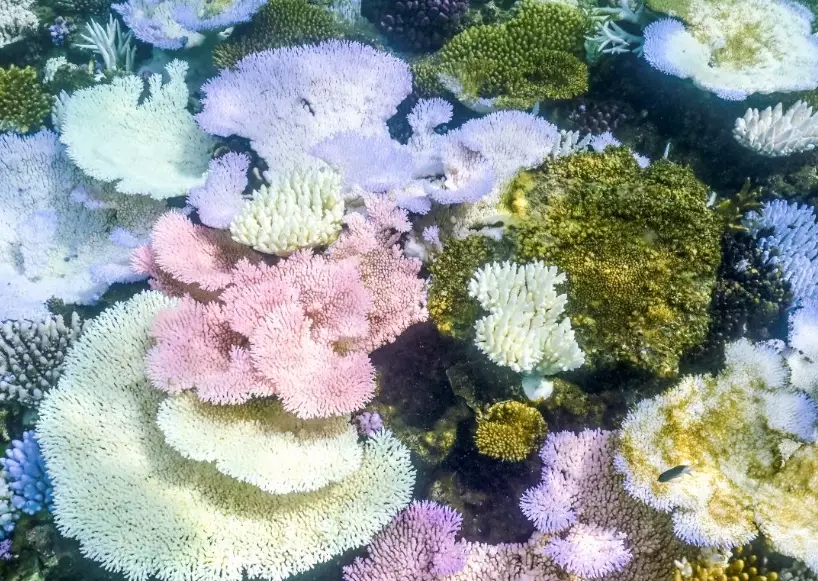
4. The Western Indian Ocean
Reefs off East Africa, the Seychelles, Mauritius, Réunion, and the Maldives are highly vulnerable. A devastating bleaching event in 1998 killed over 90% of coral cover in some parts of the Seychelles. The region saw another severe event in 2016. The Maldives, a nation built on coral atolls, is on constant high alert. Their reefs are their first line of defense against waves and storms, and their tourism economy's foundation. When bleaching hits here, it's an immediate national security and economic crisis.
The Outlook and Glimmers of Hope
The trend is clear: the intervals between global bleaching events are shrinking. The first one recorded was in 1998. The next wasn't until 2010. Then we had back-to-back events in 2014-2017. Now, we're seemingly in a near-permanent state of heightened risk.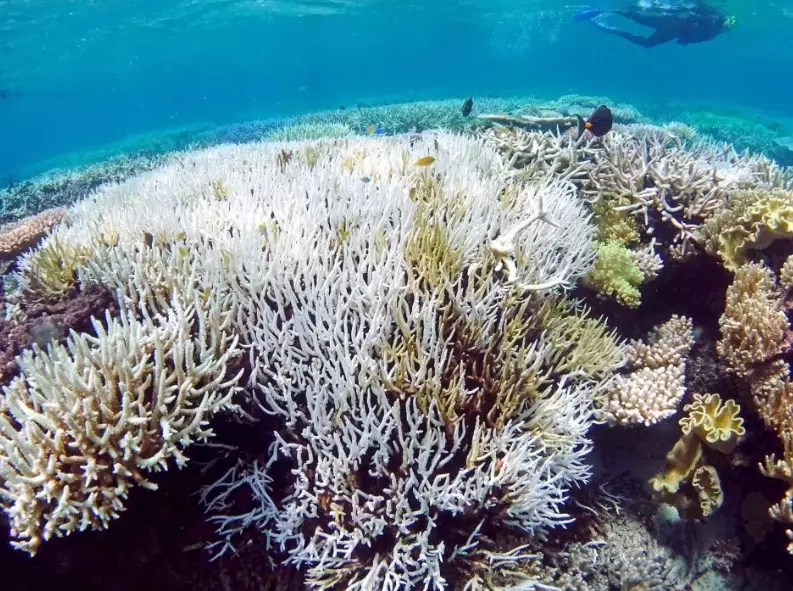
But it's not a uniform death sentence. Scientists are identifying "bright spots"—reefs that bleach less or recover faster. Often, these are places with:
- Strong water flow: Constant mixing brings cooler water and flushes away toxins.
- Minimal local stress: No overfishing, pollution, or coastal development to compound the thermal stress.
- Genetic adaptation: Some coral populations, after surviving past bleaching, may host more heat-tolerant algae or have genetic traits that increase resilience.
Conservation now focuses on protecting these resilient reefs as potential climate refuges and nurseries for the future. Efforts also include assisted evolution, like breeding heat-tolerant corals, but at a global scale, the only solution is rapid reduction in greenhouse gas emissions to curb ocean warming.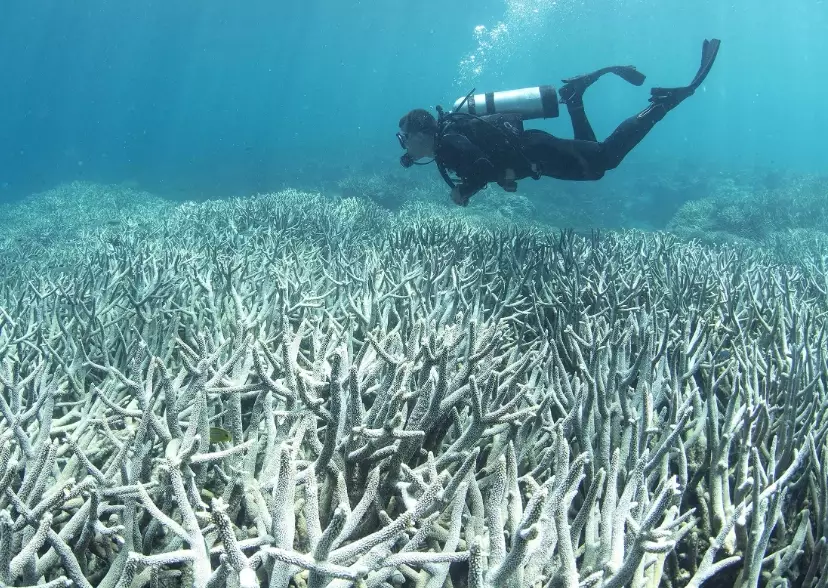
Your Coral Bleaching Questions Answered
Yes, severely. The Great Barrier Reef (GBR) has suffered four mass bleaching events since 2016, with the most recent in 2024 being the most widespread on record. While bleaching severity varies across its 2,300km length, the central and southern sections, traditionally more resilient, have been hit particularly hard in recent years. The cumulative stress from back-to-back events is reducing the reef's overall recovery window.
There's a high chance, especially if you're visiting popular areas like the Florida Keys, the Bahamas, or the U.S. Virgin Islands. The Caribbean Sea has been under persistent thermal stress. Before you book, check real-time satellite-based bleaching alert maps from NOAA's Coral Reef Watch. Sites with higher wave action or cooler upwellings, like some areas in Bonaire or the windward sides of islands, might offer better odds of seeing healthier coral. Talk to local dive operators—they know exactly which specific sites are currently looking best.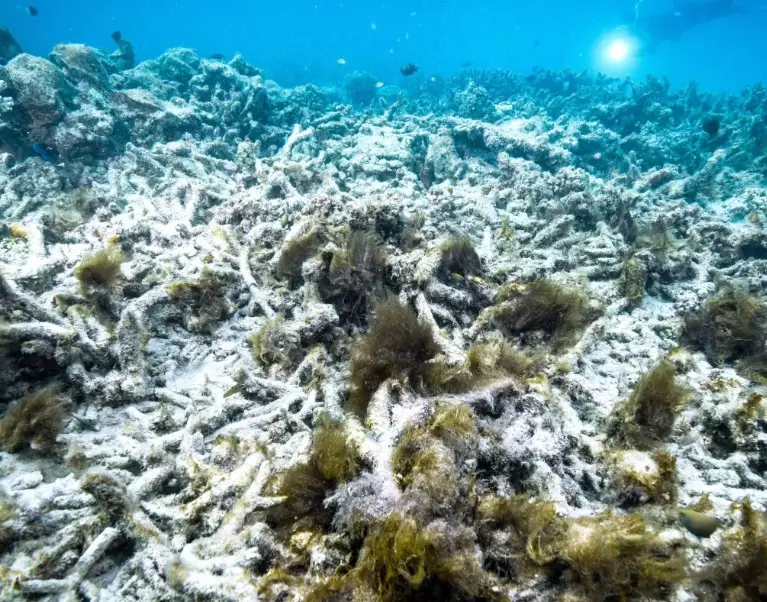
Overwhelmingly, it's prolonged marine heatwaves driven by climate change. While local stressors like pollution or overfishing weaken reefs, the trigger for synchronous, global mass bleaching events is abnormally high sea surface temperatures. A common misconception is that a hot day causes bleaching. It's actually sustained elevated temperatures over weeks—often just 1-2°C above the seasonal maximum—that pushes corals past their tolerance.
"Doing well" is relative in today's climate, but some regions show more resilience. Parts of the Coral Triangle (e.g., certain reefs in Indonesia and Papua New Guinea) have high biodiversity, which can aid recovery. Some remote, well-managed Pacific atolls with minimal local pressure also fare better. However, no major reef region is immune. The focus is shifting to identifying "bright spots"—reefs that withstand stress better—and understanding why, to inform conservation. The goal isn't to find untouched paradise anymore, but to find and protect the survivors.
Your comment