I remember the first time I saw a bleached coral reef. It was on a dive trip years ago, a site that was once famous for its vibrant colors. Instead of a bustling city of fish, I floated over a silent, bone-white landscape. It felt like a graveyard. That experience wasn't a one-off anomaly. It's becoming the new normal from the Caribbean to the Pacific. So, is coral bleaching increasing? The short, unequivocal answer from decades of scientific monitoring is yes, and at an alarming rate. But the real story isn't just in the "yes." It's in the *how*, the *why*, and the crucial question of what, if anything, we can do about it.
What You'll Discover in This Deep Dive
What the Data Says: A Clear and Alarming Trend
Let's cut through the noise with hard numbers. In the 1980s, mass coral bleaching was a rare event, something a marine biologist might see once or twice in a career. Fast forward to today, and the National Oceanic and Atmospheric Administration's Coral Reef Watch program issues bleaching alerts almost every single year.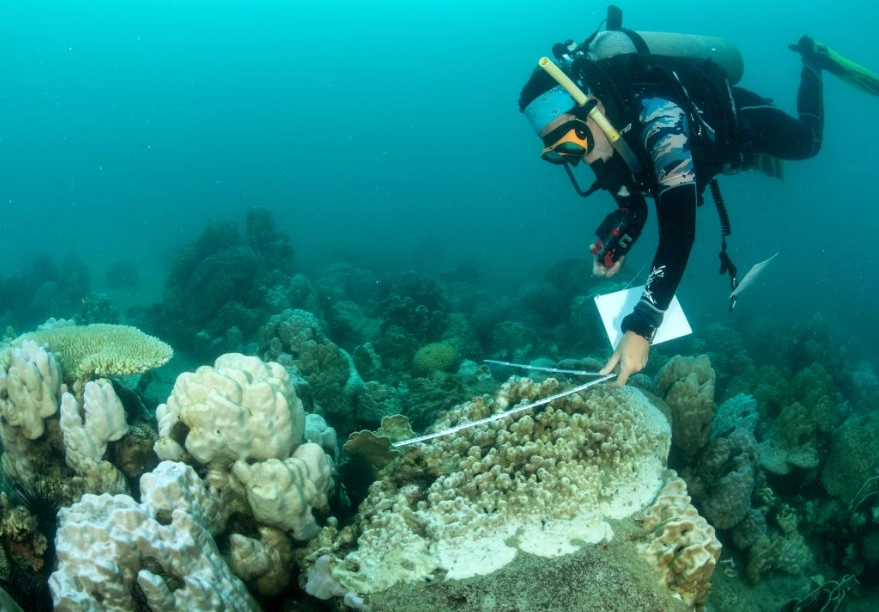
The shift is from isolated incidents to relentless, global assaults.
Here’s a snapshot of recent major events, showing how they've become a persistent, global phenomenon:
| Region | Major Recent Bleaching Events | Notable Impact |
|---|---|---|
| Great Barrier Reef, Australia | 2016, 2017, 2020, 2022, 2024 | Over 90% of reefs bleached in 2016; back-to-back events hamper recovery. |
| Florida Keys, USA | 2023, 2024 | 2023 event described as "unprecedented" in intensity and early timing. |
| Indian Ocean | 2016, 2019, 2024 | Widespread mortality in 2016, with some reefs losing 70% of coral cover. |
| Red Sea | 2020, 2023 | Some northern reefs show surprising heat tolerance, offering potential hope for "super corals." |
The data from the Global Coral Reef Monitoring Network is stark: we've lost about 14% of the world's coral reefs in the decade after 2009. The primary driver? Coral bleaching.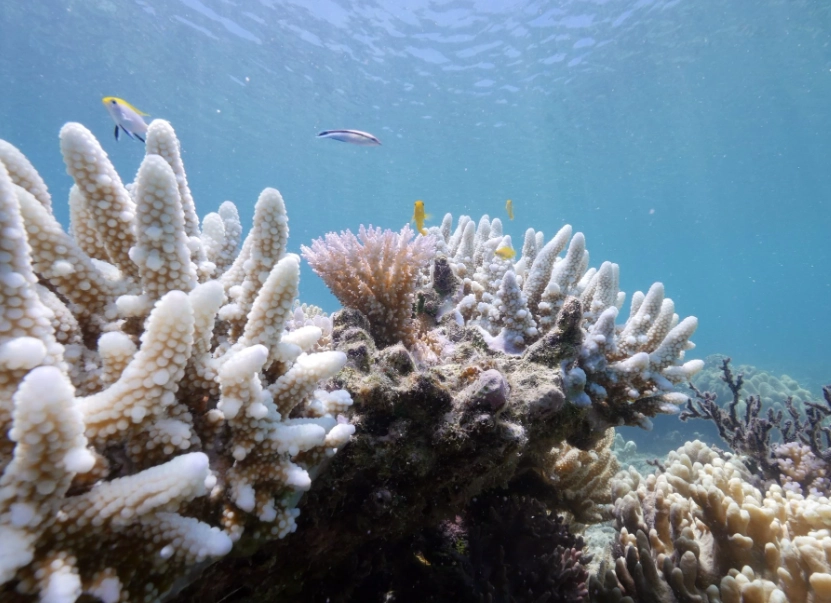
The Main Culprit: It's More Than Just Temperature
Everyone points to warmer water, and they're right—but it's a simplified version of a complex crime scene. The main trigger is prolonged thermal stress. When sea surface temperatures stay just 1°C above the seasonal maximum for several weeks, corals get stressed. Go to 2°C, and mass bleaching kicks in.
What Exactly is Coral Bleaching?
Think of a coral polyp as a tiny farmer. Inside its tissues live microscopic algae called zooxanthellae. The algae photosynthesize, producing sugars that feed the coral (providing up to 90% of its energy). In return, the coral gives the algae a safe home and nutrients. It's a perfect partnership.
When the water gets too hot, this partnership breaks down. The coral, under stress, expels its algal tenants. Since the algae give the coral its color, the coral's white skeleton shows through its transparent tissue—hence, "bleaching." The coral isn't dead yet, but it's starving and incredibly vulnerable.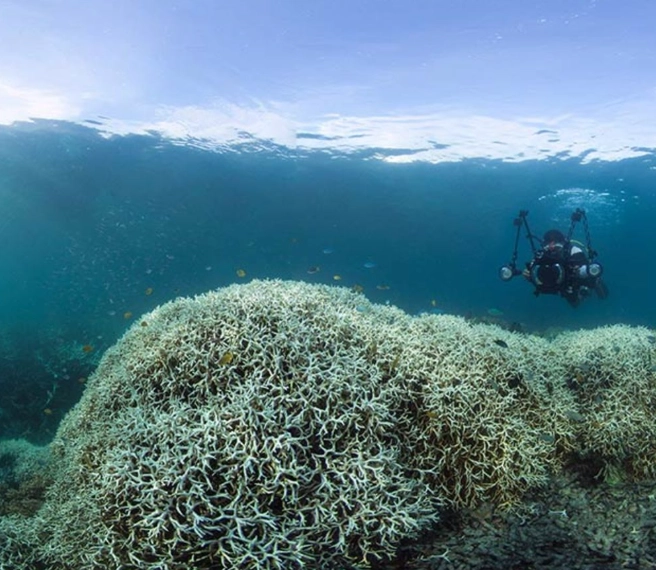
The Secondary Hit Squad
Here's a nuance many miss: while heat is the match, local stressors pour gasoline on the fire. A reef already struggling with these issues has almost no resilience when a heatwave hits.
- Pollution & Runoff: Fertilizers and sewage from land cause algal blooms that smother corals and reduce water quality.
- Overfishing: Removing key fish species, especially herbivores like parrotfish, allows algae to overgrow and kill young corals.
- Physical Damage: Anchors, irresponsible diving, and coastal construction directly destroy reef structures.
- Ocean Acidification: The ocean absorbs excess CO2, becoming more acidic. This makes it harder for corals to build their limestone skeletons, weakening them from the start.
I've spoken to researchers who say managing these local stressors is our best immediate defense. It's like giving the reef a fighting chance before the big heatwave arrives. A healthy reef can sometimes survive bleaching; a sick one almost never does.
What Can Be Done? Conservation Efforts That Show Promise
It's easy to feel hopeless, but dedicated scientists and communities are fighting back with innovative, hands-on strategies. This isn't just about saving pretty places to dive; reefs protect coastlines from storms, support fisheries that feed millions, and drive tourism economies.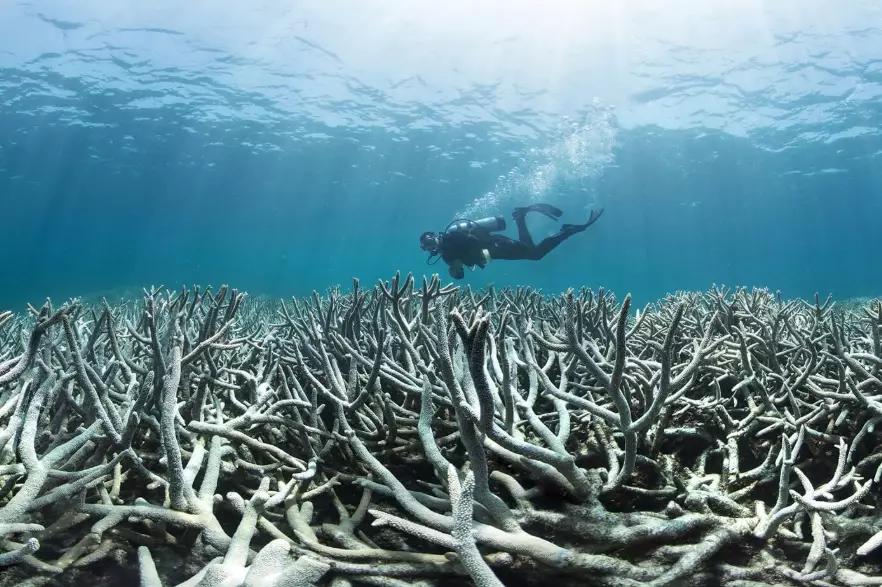
Coral Gardening and Active Restoration: This is the most visible effort. Fragments of healthy, resilient corals are grown in underwater nurseries (on PVC trees or frames) and later outplanted onto degraded reefs. Organizations like the Coral Restoration Foundation in Florida have outplanted hundreds of thousands of corals. The challenge? Scale. We're planting thousands, but we need to plant millions, and these corals face the same warming waters.
Assisted Evolution: This is the cutting edge. Scientists are selectively breeding corals that show natural heat tolerance, or even tweaking the symbiotic algae to be more resilient. Projects like the Australian Institute of Marine Science's "Reef Recovery" program are exploring these methods. It's controversial to some, but as one researcher told me, "We're out of time for perfect solutions."
Marine Protected Areas (MPAs): This is the foundation. Strong, well-enforced MPAs that ban fishing and destructive activities give reefs the space to recover and build natural resilience. Data consistently shows reefs inside no-take zones have more fish, healthier coral cover, and survive bleaching events better.
The real success stories come from combining all three. Protect a large area (MPA), actively restore key sites within it (Gardening), and use the most resilient corals for that restoration (Assisted Evolution).
Your Role in the Story: From Awareness to Action
This crisis can feel too big for any one person. But that's a trap. Collective action is just that—a collection of individual actions. Whether you live by the coast or a thousand miles inland, you have a part to play.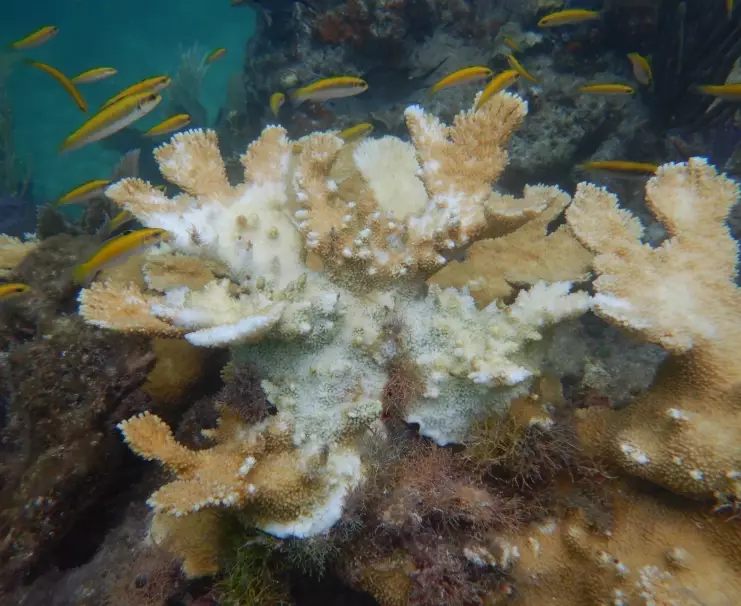
If you visit reefs: Choose dive and snorkel operators with proven eco-practices. Ask them how they protect the reef. Don't touch or stand on coral. Use mineral-based, reef-safe sunscreen (oxybenzone and octinoxate are killers). Your tourism dollars should reward good behavior.
In your daily life: This is the big one. Reduce your carbon footprint. The root cause is climate change. Support renewable energy, conserve electricity, consider your transportation choices. Eat sustainable seafood (check guides like Seafood Watch). Reduce plastic use and fertilizer on your lawn—it all eventually washes to the sea.
Use your voice: Support organizations doing on-the-ground reef conservation and policy advocacy. Vote for leaders who take climate science seriously.
Is coral bleaching increasing? Sadly, yes. The trend line is terrifying. But the final chapter isn't written. The increase in bleaching is a symptom. The cure requires tackling the disease—climate change—while doing everything we can to make the patient (our reefs) stronger in the meantime. It's the ultimate test of whether we can move from being observers of a decline to active participants in a recovery.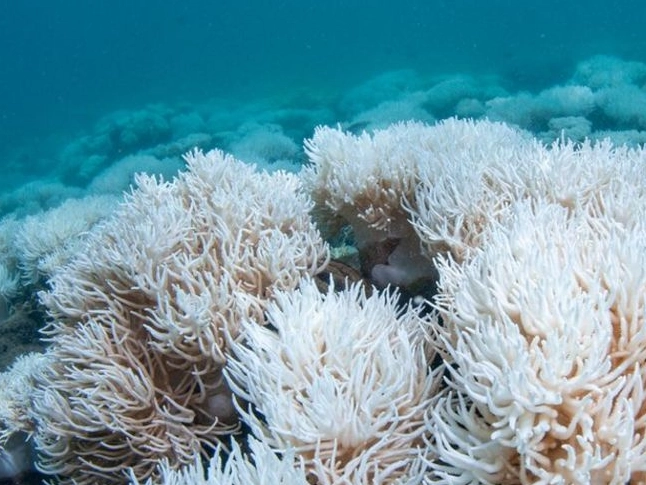
Your comment