Ask anyone about coral bleaching, and they'll mention climate change and warming seas. That's correct, but it's only half the story. The other, often stealthier driver is pollution. While heat delivers the knockout punch, pollution weakens the reef for months or years beforehand. I've seen it firsthand diving in the Florida Keys. A reef miles from any resort, bathed in cool water, can be sickly and pale. The culprit? Not temperature, but what's washing off the land.
In This Deep Dive:
The Obvious and Not-So-Obvious Pollutants Killing Coral Reefs
Pollution isn't one thing. It's a cocktail of stressors that hit a coral reef from different angles. Here’s the breakdown of the main offenders.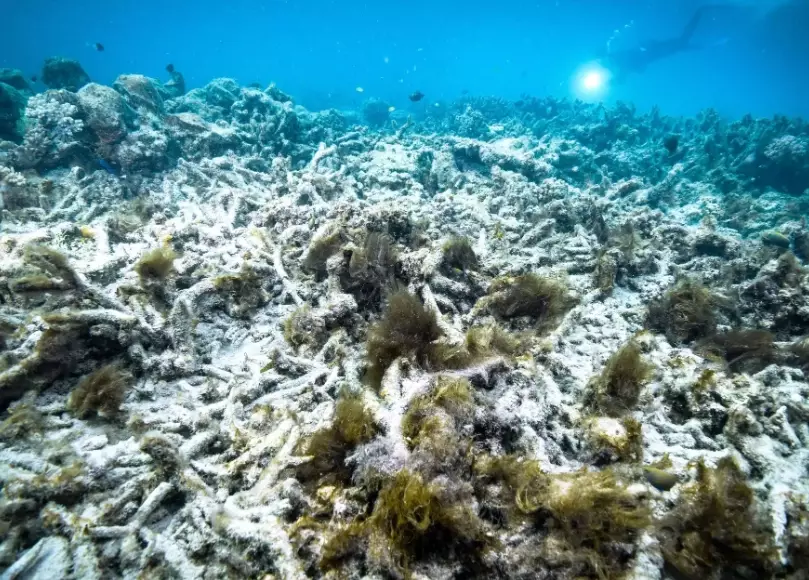
| Pollutant Type | Primary Source | Direct Impact on Coral | Bleaching Pathway |
|---|---|---|---|
| Nutrient Runoff (Nitrogen, Phosphorus) | Agriculture, lawn fertilizers, sewage | Fuels algal blooms (macroalgae & phytoplankton) | Algae smothers coral, blocks light. Internal nutrient imbalance stresses symbiosis. |
| Sedimentation | Coastal construction, deforestation, dredging | Clouds water, settles on coral surfaces | Reduces light for photosynthesis. Coral expends energy cleaning itself, leading to exhaustion and bleaching. |
| Chemical Contaminants | Pesticides, herbicides, industrial chemicals, sunscreens | Toxic to coral cells and zooxanthellae | Direct cellular damage and death of symbiotic algae, triggering expulsion. |
| Pathogens & Bacteria | Untreated or partially treated sewage | Introduces diseases like white pox, black band | A diseased coral is severely weakened. Bleaching becomes a secondary symptom of its failing health. |
The subtlety here is often missed. Nutrient pollution doesn't usually kill coral outright. It changes the entire ecosystem. Fast-growing algae outcompete slow-growing corals. The water's chemistry shifts. This creates a reef that's fundamentally less resilient.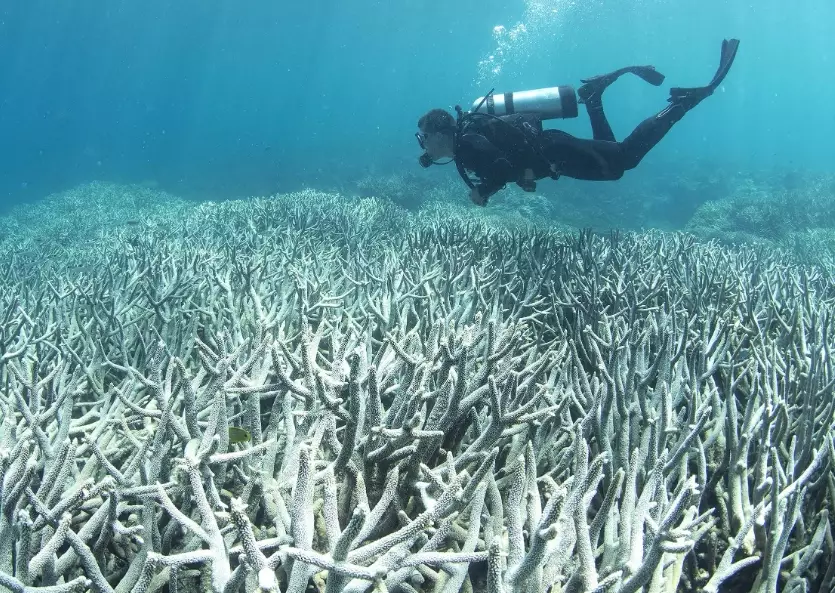
A common mistake: Divers and conservationists focus solely on sea temperature anomalies. But if you're not also testing for water clarity (turbidity) and nutrient levels (nitrate, phosphate), you're missing the chronic stress that sets the stage for a mass bleaching event.
Sunlight, or the Lack Thereof
Corals are solar-powered animals. Their algal partners need light. Sediment and algal blooms turn crystal waters into a murky soup. A coral living in dim light is like a person on a starvation diet. It can't produce enough energy from photosynthesis. It becomes thin, weak, and stops reproducing. When a heatwave arrives, this energy-starved coral has no reserves to cope. It bleaches immediately.
The Science: How a Stressed Coral Expels Its Lifeline
Let's get microscopic. Inside a coral polyp live millions of single-celled algae called zooxanthellae. It's a perfect trade: the algae get a safe home and CO2; the coral gets sugars and oxygen from the algae's photosynthesis.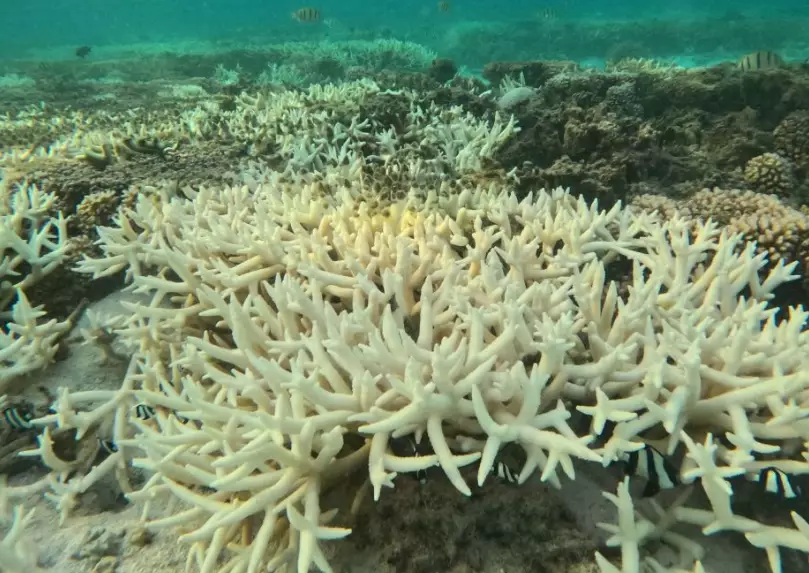
Pollution disrupts this delicate deal in several ways:
1. The Oxidative Stress Bomb: This is the core biochemical trigger for bleaching. When zooxanthellae are stressed—by high nutrients, chemicals, or even the shade from sediment—their photosynthesis goes haywire. They start producing toxic molecules called reactive oxygen species (ROS). Think of it as internal pollution. At low levels, the coral can manage it. But when pollution from the outside increases the ROS load from the inside, the coral's cells become damaged. The coral's last-ditch survival move is to eject the algae, the source of the toxins. No algae, no color. That's bleaching.
2. The Energy Drain: Sediment isn't just a light blocker. When it settles, the coral must use its tiny cilia and mucus production to clean itself. This is pure energy expenditure with no return. A coral constantly cleaning itself is diverting energy away from growth, repair, and defense. It's running on empty.
3. Direct Assault: Chemicals like oxybenzone (in many sunscreens) and certain pesticides can directly damage coral DNA, disrupt its endocrine system, and kill juvenile corals at extremely low concentrations—parts per trillion. This isn't stress; it's outright poisoning.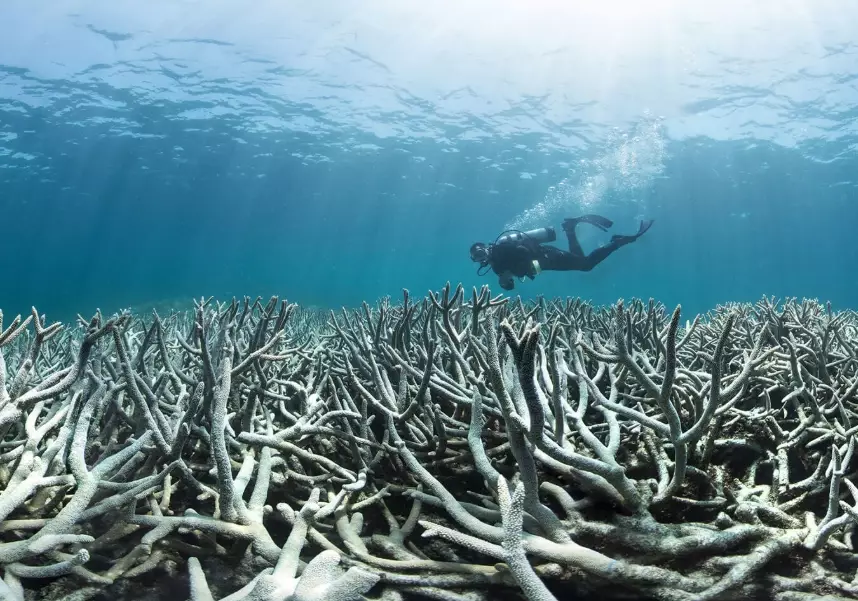
Real-World Case Studies: Pollution Hotspots and Bleaching Events
The theory plays out starkly on reefs worldwide. The link between poor water quality and bleaching susceptibility is not just correlation; it's documented causation.
The Great Barrier Reef, Australia: Studies have shown that inshore reefs, which receive runoff from agricultural lands in Queensland, bleach at lower temperature thresholds than pristine offshore reefs. The 2016 and 2017 mass bleaching events hit these nearshore reefs harder and their recovery has been slower, directly tied to ongoing water quality issues from land-based pollution.
The Caribbean Coast of Central America: Extensive deforestation for agriculture and pastureland sends massive sediment plumes over the Mesoamerican Barrier Reef. Reefs downstream of river mouths are chronically degraded, exhibiting higher disease prevalence and bleaching during mild warming events. Reports from the International Union for Conservation of Nature (IUCN) consistently highlight sediment runoff as a primary threat here.
Florida's Coral Reef, USA: This is a textbook example of death by a thousand cuts. Nutrient pollution from outdated septic systems and fertilizer use, combined with sediment from coastal development and freshwater discharges from Lake Okeechobee, has degraded water quality for decades. When a marine heatwave hit in 2023, the bleaching was severe and widespread. Reefs that had survived past warmer spells succumbed because their baseline health was already compromised by pollution.
These cases show a pattern. The reef's immune system is crippled by pollution long before the thermometer spikes.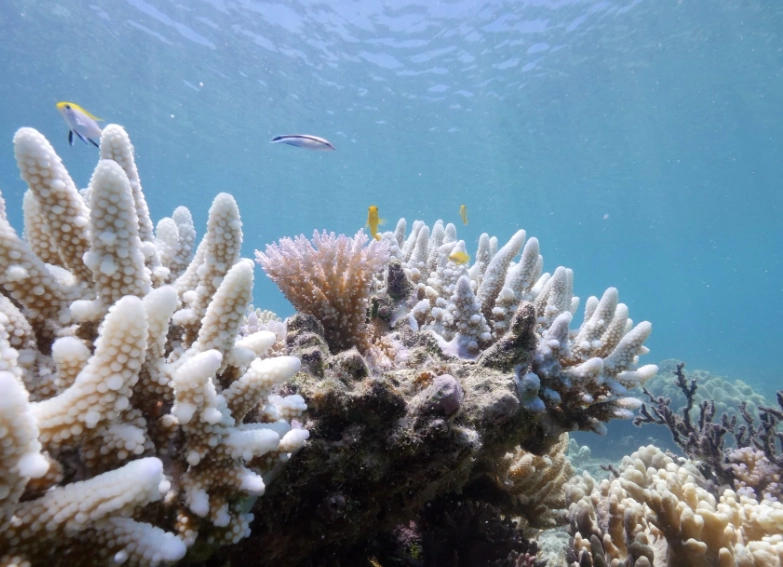
What Can Be Done? From Global Policies to Local Actions
Fixing pollution is, in some ways, more straightforward than halting global warming. The sources are local, and the solutions can be local, with rapid benefits.
On the Policy Level:
Upgrading wastewater treatment infrastructure to remove nutrients is non-negotiable. Enforcing and strengthening regulations on agricultural runoff, including creating buffer zones and promoting sustainable farming practices, is critical. Managing coastal development to minimize erosion and sediment flow is essential.
What You Can Do (Yes, You):
If you live near a coast or visit one:
- Choose reef-safe sunscreen: Look for mineral-based (zinc oxide, titanium dioxide) formulas without oxybenzone and octinoxate.
- Be mindful of your drains: Nothing goes down the drain that shouldn't. Chemicals, medicines, paints—they can end up in the ocean.
- Support sustainable seafood and agriculture: Your choices on land impact the sea. Choose products from farms with responsible runoff management.
- Get involved locally: Support organizations working on water quality monitoring, mangrove restoration (nature's water filter), and advocating for better infrastructure.
The narrative needs to shift. Saving coral reefs isn't just about carbon emissions; it's about sewage, silt, and fertilizers. It's about recognizing that the health of the land is inseparable from the health of the sea. A reef free from chronic pollution has a fighting chance to survive a warming world. One drowning in our runoff doesn't stand a chance.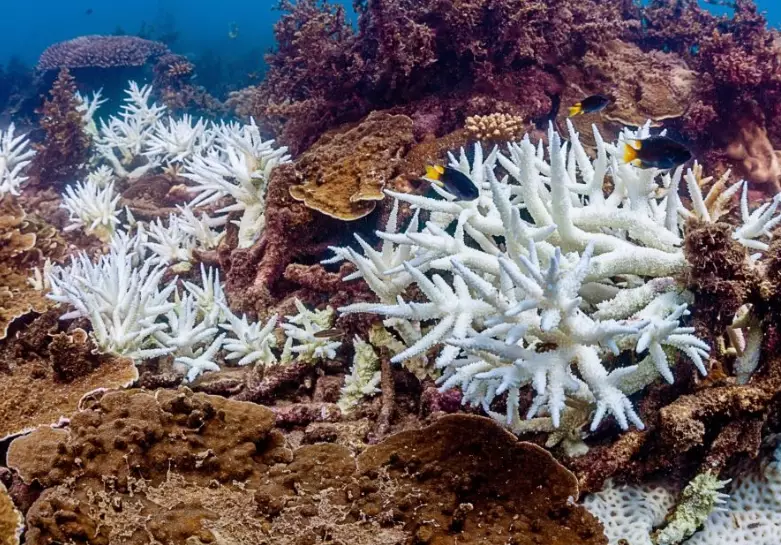
Your Coral Bleaching and Pollution Questions Answered
How does agricultural runoff specifically cause coral bleaching?
It's not a direct poison. Runoff carries fertilizers (nitrates, phosphates) that fuel massive algal blooms. These algae smother corals and block sunlight. More critically, the excess nutrients disrupt the coral's internal balance, causing its own symbiotic algae to produce toxic oxygen radicals. The stressed coral then expels these algae to survive, leading to bleaching. It's a slow, chronic stressor that's often overlooked.
Can coral reefs recover from pollution-induced bleaching, or is it permanent?
Recovery is possible but is much slower and more fragile than recovery from a pure thermal stress event. The key is removing the pollution source. If water quality improves, corals can slowly regain their algae. The problem is that pollution is usually constant. A reef weakened by murky, nutrient-rich water has less energy to fight disease or withstand the next heatwave. Often, pollution sets the stage for a temperature spike to be the final, fatal blow.
What's one local action that has the biggest immediate impact on reducing reef pollution?
Supporting upgrades to wastewater and sewage treatment plants. In many coastal towns, partially treated sewage is a direct pipeline of nutrients and pathogens to the reef. Advanced treatment that removes nutrients has shown rapid, measurable improvements in nearby reef health. For an individual, using certified reef-safe sunscreen is a direct and simple action to stop chemical pollution.
Is plastic pollution directly linked to coral bleaching, or does it cause other harm?
Plastic debris rarely triggers bleaching directly but creates massive secondary stress. It smothers corals, blocks light, and dramatically increases disease transmission—one study found disease risk jumped from 4% to 89% when coral contacted plastic. A coral fighting disease or smothered by plastic has no energy reserves. When warmer water hits, it will bleach and die much faster. Plastic is a critical co-factor in reef decline.
Your comment