I remember the first time I saw a bleached coral reef. It was in the Philippines, a site that was a riot of color just a few years prior. Now it was a silent, ghostly white graveyard. The guide said it was because the water was too warm. That's the headline, sure. But after a decade of diving and following the science, I've learned that warming seas are just the trigger. The real story is the cocktail of stresses we've poured onto these ecosystems, weakening them until a single hot summer becomes a death sentence.
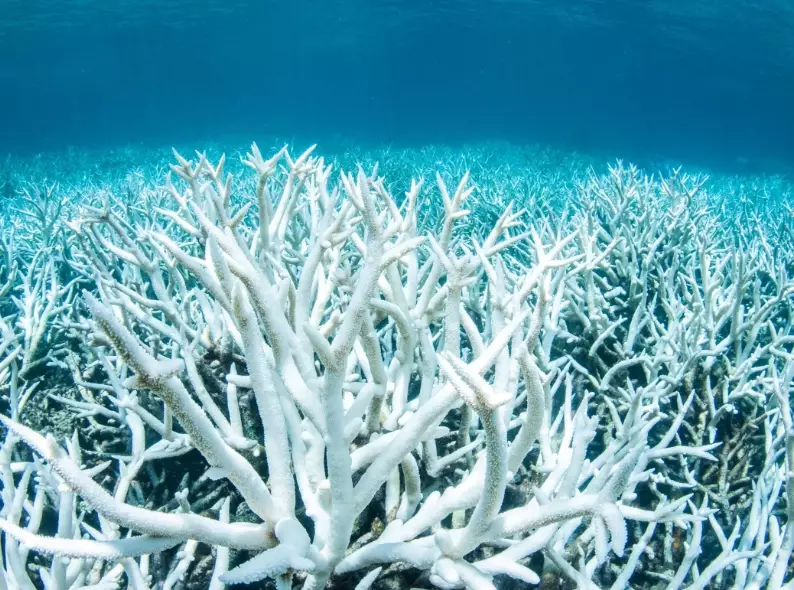
Coral bleaching happens when corals, stressed by changes in their environment, expel the microscopic algae (zooxanthellae) that live in their tissues. These algae are their roommates, chefs, and painters all in one—providing up to 90% of their food and giving them their color. Without them, the coral's white skeleton shows through, and it begins to starve.
Most articles stop at "warming oceans." But if you're a diver, a conservationist, or just someone who cares, you need to know the full list of culprits. Because some of them, we can tackle today.
What You'll Find in This Guide
- The Big One: Ocean Warming
- Solar Radiation and UV Stress
- Ocean Acidification: The Slow Dissolve
- Pollution: From Land to Sea
- Sedimentation: Suffocating the Reef
- Overfishing: Breaking the Balance
- Physical Damage: The Immediate Impact
- Coral Disease: The Opportunistic Killer
- How These Stressors Work Together
- What Can We Do? Actionable Steps
The Big One: Ocean Warming
This is the primary driver of mass, global bleaching events. Corals have a tight temperature tolerance, usually thriving within a range of just 1-2°C above their local summer maximum. When sea surface temperatures stay elevated for weeks (what scientists call a "thermal stress anomaly"), the partnership between coral and algae breaks down.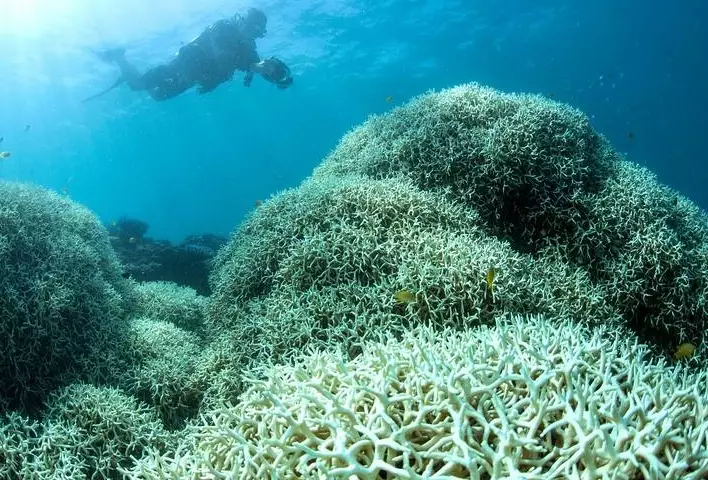
The algae produce toxic free radicals under heat stress, and the coral, in a survival move, kicks them out.
It's not just a gradual warming. Events like El Niño can cause sudden, intense marine heatwaves. I saw this during the 2016 global event. The water felt like a bath. Charts from the NOAA Coral Reef Watch showed vast areas of the Great Barrier Reef under "Alert Level 2" for months. The result was the loss of nearly 30% of its shallow-water corals.
Solar Radiation and UV Stress
High water temperatures often come with calm, clear skies. That means more intense sunlight, particularly ultraviolet (UV) radiation. UV rays can damage the photosynthetic machinery of the coral's algae directly. Think of it as a double whammy: the heat is stressing the system, and the intense sun is frying the components.
Some research suggests that corals in slightly murkier water, which has some natural sunblock, might fare slightly better during a heatwave than those in crystal-clear, high-UV exposure sites. It's a delicate balance—corals need light, but too much of the wrong kind is deadly.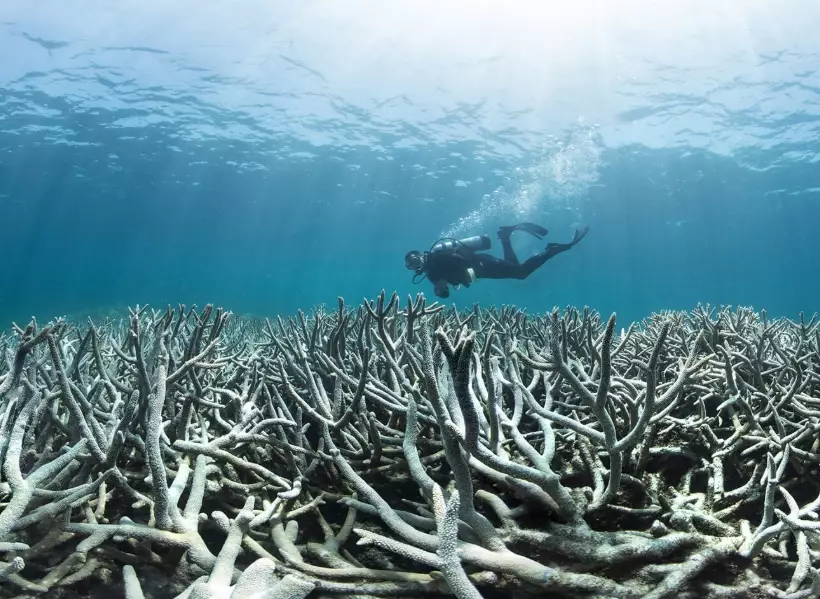
Ocean Acidification: The Slow Dissolve
This is the stealth stressor. As the ocean absorbs more carbon dioxide (CO2) from the atmosphere, the water chemistry changes, becoming more acidic. A more acidic ocean has fewer carbonate ions available.
Why does that matter? Corals use carbonate ions to build their calcium carbonate skeletons. Under acidic conditions, building that skeleton becomes energetically expensive—like trying to build a brick wall in the rain. The coral spends more energy just maintaining its structure, leaving less energy to deal with other stresses like heat. In extreme cases, the water can become corrosive enough to actually dissolve existing skeletons.
According to the National Oceanic and Atmospheric Administration (NOAA), ocean acidity has increased by about 30% since the Industrial Revolution. It's a global, chronic stress that weakens the reef's foundation.
Pollution: From Land to Sea
This is where local action can make a huge difference. Pollution comes in many forms:
- Nutrient Runoff: Fertilizers from farms and lawns wash into the sea. These excess nutrients (nitrogen, phosphorus) cause algal blooms. Not the helpful zooxanthellae, but fast-growing, smothering macroalgae that outcompete corals for space and light. They also fuel bacterial growth that can harm corals.
- Wastewater and Sewage: Introduces pathogens, nutrients, and chemicals directly onto nearshore reefs.
- Toxic Chemicals: Pesticides, herbicides, and heavy metals from industry and agriculture are directly toxic to coral larvae and can interfere with reproduction.
- Suncreen Chemicals: Specifically, oxybenzone and octinoxate. Studies, including one published in the journal Archives of Environmental Contamination and Toxicology, show these chemicals cause coral bleaching, damage coral DNA, and disrupt coral larvae development. This is a stressor divers and tourists bring directly to the reef.
Sedimentation: Suffocating the Reef
Linked to poor land management. Deforestation, coastal construction, and dredging send plumes of silt and sand into the water. This sediment settles on corals, blocking the sunlight they need and forcing them to expend precious energy cleaning themselves. It's like constantly having dust dumped on your solar panels.
In Southeast Asia, I've dived near islands with massive resort construction. The water visibility was halved for miles, and the reef below was coated in a fine, gray layer. Those corals were in no shape to handle any additional heat stress.
Overfishing: Breaking the Balance
Reefs are complex, balanced systems. Removing key fish species has a domino effect.
- Removing Herbivores: Fishing out parrotfish and surgeonfish is a disaster. These fish graze on algae, keeping it in check. Without them, algae overgrows and smothers corals. The International Union for Conservation of Nature (IUCN) lists parrotfish as key species for reef resilience.
- Removing Predators: Taking out top predators like groupers can cause population explosions of mid-level fish that may prey on coral-friendly species or otherwise disrupt the ecosystem.
A reef stripped of its fish is a reef already under severe stress, its natural defenses gone.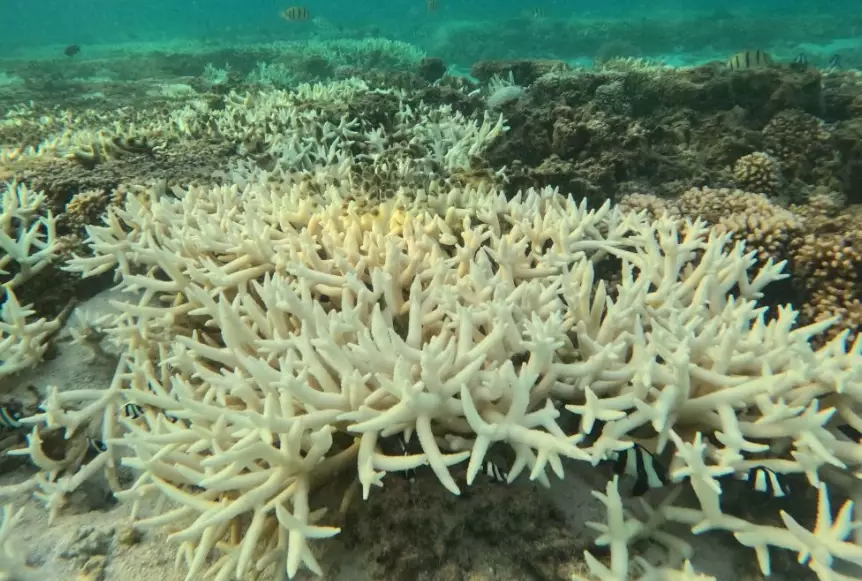
Physical Damage: The Immediate Impact
This is the most visible, direct stress. Every broken coral branch is a wound that requires energy to heal, energy that isn't available for growth or dealing with other stresses.
- Anchor Damage: Dropping an anchor directly onto a reef can shatter decades of growth in seconds. Mooring buoys are a simple, effective solution.
- Diver and Snorkeler Contact: Kicking, standing on, or grabbing corals. Even "gentle" touches can remove their protective mucus layer, inviting infection.
- Destructive Fishing Practices: Blast fishing (using dynamite) and cyanide fishing physically destroy reef structures to stun fish.
Coral Disease: The Opportunistic Killer
Diseases like White Syndrome, Black Band Disease, and Stony Coral Tissue Loss Disease are often secondary stressors. A coral weakened by warm water, pollution, or physical damage is much more susceptible to infection. These diseases can spread rapidly, especially in dense coral communities. Think of it like a human immune system compromised by poor nutrition and stress—you're far more likely to get sick.
Research indicates that warmer waters can also increase the virulence of some coral pathogens and expand their ranges.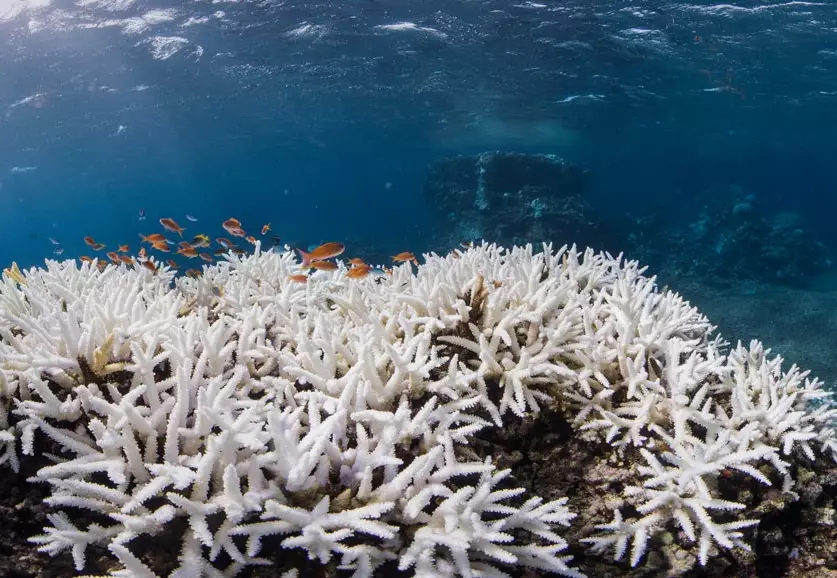
How These Stressors Work Together: The Cumulative Effect
This is the critical point most people miss. These factors rarely work in isolation. They combine to create cumulative stress.
Imagine a coral on a reef near a deforested coast. It's constantly battling sediment (stress #1) and nutrient runoff from fertilizers (stress #2). Local overfishing has removed the algae-eating parrotfish (stress #3), so algae is creeping up its base. A careless diver broke a branch last season (stress #4). This coral is already running on empty, using most of its energy just to survive day-to-day.
Then, a marine heatwave arrives (stress #5).
The coral has no energy reserves left to cope. It bleaches quickly and dies. A healthy, protected reef nearby might have weathered the same heatwave with minor bleaching and recovered. The local stresses were the difference between life and death.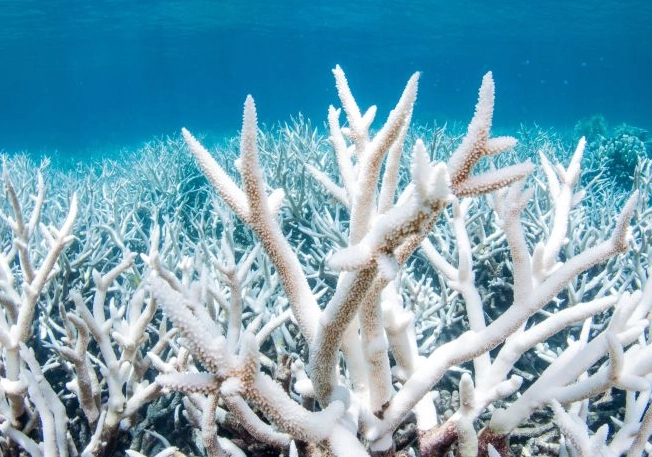
| Stress Factor | Primary Source | Direct Effect on Coral |
|---|---|---|
| 1. Ocean Warming | Climate Change | Triggers algal expulsion (bleaching) |
| 2. Solar/UV Radiation | Climate (calm, clear conditions) | Damages algal cells, synergizes with heat |
| 3. Ocean Acidification | Climate Change (CO2 absorption) | Weakens skeleton, increases energy demand |
| 4. Pollution | Land-based runoff, sewage, sunscreen | Toxic to larvae, causes algal blooms |
| 5. Sedimentation | Coastal development, deforestation | Smothers coral, blocks sunlight |
| 6. Overfishing | Unsustainable fishing practices | Removes ecosystem balance, allows algae overgrowth |
| 7. Physical Damage | Anchors, divers, destructive fishing | Causes direct injury, requires healing energy |
| 8. Coral Disease | Pathogens (exacerbated by other stresses) | Directly kills coral tissue |
What Can We Do? Actionable Steps
It's not all doom and gloom. Understanding these eight factors gives us clear points of action.
For Everyone:
- Reduce your carbon footprint. Support policies and companies that address climate change.
- Choose reef-safe sunscreen—mineral-based (zinc oxide, titanium dioxide) and free of oxybenzone & octinoxate.
- Be mindful of fertilizer use on your lawn or garden.
- Support sustainable seafood choices to reduce pressure on ocean ecosystems.
For Divers & Travelers:
- Master your buoyancy. Never touch, stand on, or chase wildlife.
- Choose operators who use mooring buoys, not anchors, and have strong environmental policies.
- Support marine protected areas (MPAs) and eco-conscious resorts.
- Report physical damage or bleaching events to local authorities or reef monitoring networks.
For Local Communities & Governments:
- Invest in proper wastewater treatment.
- Enforce regulations on coastal development and runoff.
- Establish and effectively manage Marine Protected Areas (MPAs) with no-take zones.
- Promote sustainable fisheries management.
The fight to save coral reefs is fought on two fronts: the global battle against climate change, and countless local battles against pollution, overfishing, and damage. We have to fight on both. Knowing these eight stress factors is the first step to taking effective action.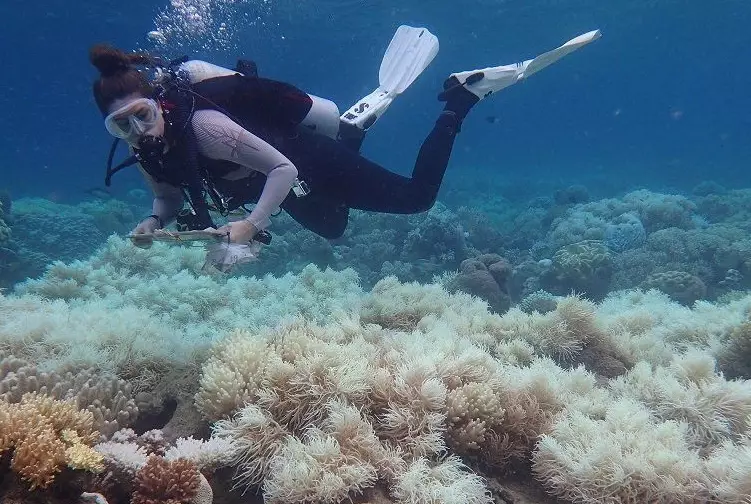
Frequently Asked Questions
Is coral bleaching always fatal for the coral colony?
Not always, but it's a severe warning sign. Bleaching means the coral is stressed and has expelled its algae. If the stress is brief, corals can sometimes recover their algae and survive. However, prolonged bleaching weakens the coral, making it susceptible to disease and starvation. Recovery can take years, and if the stress continues, the coral will die. Think of it like a severe fever; the body can fight it off, but if it lasts too long, the damage becomes permanent.
As a diver, what is the single most impactful thing I can do to reduce my impact on coral reefs?
Beyond perfect buoyancy (which is non-negotiable), the most direct action is choosing your sunscreen carefully. Avoid any product containing oxybenzone and octinoxate. These chemicals are proven to cause coral bleaching, DNA damage in coral larvae, and are toxic to other marine life. Opt for mineral-based sunscreens with non-nano zinc oxide or titanium dioxide. Better yet, wear a rash guard and hat. Your choice at the drugstore has a direct line to the reef's health.
Can coral reefs recover from a mass bleaching event, and how long does it take?
Recovery is possible but slow and fragile. For fast-growing coral species, partial recovery might be visible in 5-10 years under ideal conditions—no further bleaching, clean water, healthy fish populations. For massive, slow-growing corals like brain corals, full recovery can take decades or even centuries. The problem is the increasing frequency of events. Reefs need 10-15 years of stability to properly recover, but we're now seeing major global bleaching events every 3-6 years. This doesn't give them a fighting chance.
Which of the 8 stress factors is the most urgent to address on a global scale?
While all are interconnected, ocean warming from climate change is the overarching driver and the most urgent. It's the primary trigger for mass, global-scale bleaching events. Reducing greenhouse gas emissions is the non-negotiable, macro solution. However, locally, tackling pollution and overfishing are the most urgent and actionable. These local stressors lower the reef's resilience, making it far more likely to bleach and die when a heatwave hits. A clean, well-managed reef can survive a temperature spike that would kill a stressed one. So the answer is both: global action on climate, and immediate local action on pollution and fishing.
Your comment