Staring at a bleached reef is a silent kind of shock. I remember diving in the Philippines years ago, expecting a carnival of color. Instead, I hovered over a vast, ghostly landscape. It felt like walking into a library where all the books had been erased. That's when the question shifted from academic to urgent: how do we stop coral bleaching? The good news? We're not powerless. Stopping it requires a two-pronged attack: slashing the global climate threat and eliminating every local stress we can. This isn't about a single miracle solution. It's about a thousand actions, from international policy to how you apply sunscreen.
What You'll Learn in This Guide
What Exactly Is Coral Bleaching?
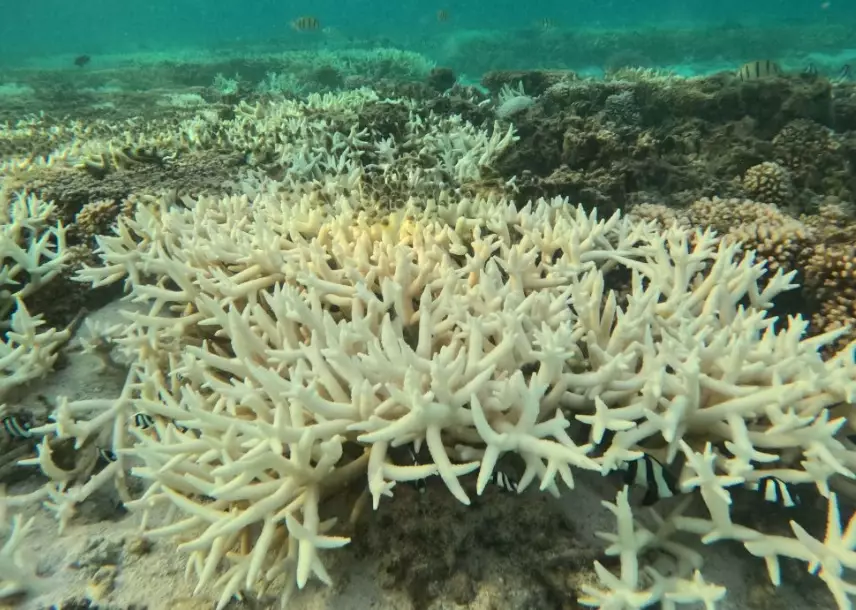
Let's clear up a major misconception first. Bleaching isn't death. It's a severe stress response. Think of it as a coral getting violently ill.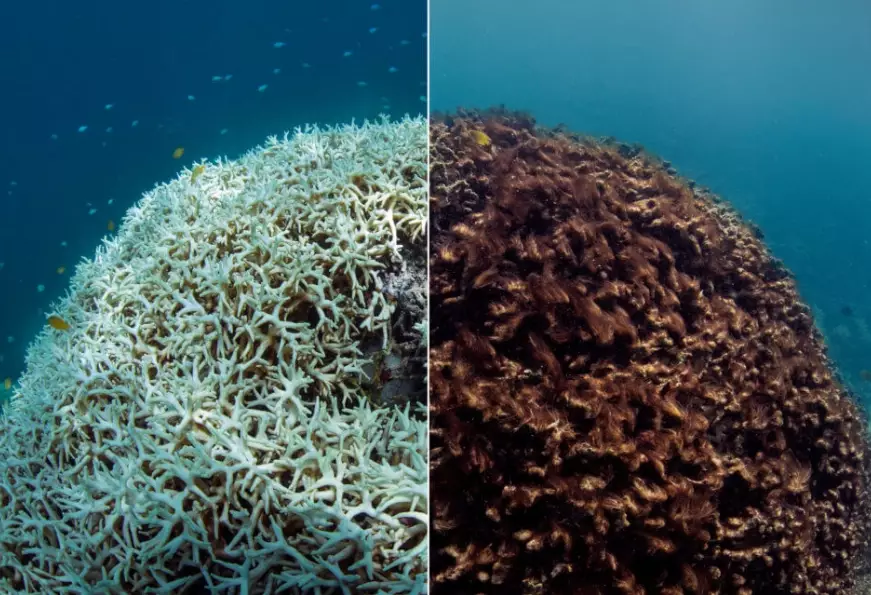
Corals are animals that host microscopic algae called zooxanthellae in their tissues. This is a perfect partnership. The algae photosynthesize, providing up to 90% of the coral's food. In return, they get a safe home and nutrients. The coral's vibrant colors come mostly from these algae.
When the coral gets too stressed—usually by prolonged high water temperatures—this partnership breaks down. The coral expels its algal tenants. Without the algae, the coral's translucent tissue reveals its white limestone skeleton underneath. Hence, "bleached."
The Critical Window: A bleached coral is starving, not dead. If the stressor is removed within a few weeks, the algae can return, and the coral can recover. If the stress continues—the heatwave lingers, or pollution persists—the coral will die from disease or outright starvation. This recovery window is why local action is so non-negotiable. Healthier reefs withstand heat stress better.
The Main Culprits: Why Corals Bleach
Everyone points to climate change. That's the big one, but it's not the only one. It's the combination that's deadly. A reef already sick from local problems has no resilience when a heatwave hits.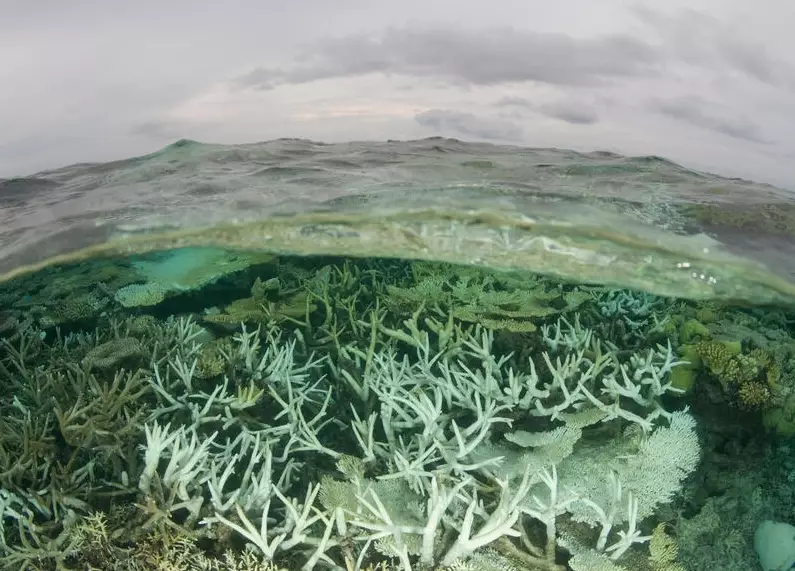
1. Climate Change: The Overwhelming Stressor
Rising sea temperatures are the primary trigger for mass, global bleaching events. The National Oceanic and Atmospheric Administration (NOAA) declares these events when heat stress reaches a level that causes bleaching across entire ocean basins. Since the 1980s, these events have become five times more frequent. A reef that used to experience a hot summer once every 25-30 years might now face one every six.
Ocean acidification, caused by the sea absorbing excess CO2, is the silent partner. It weakens coral skeletons, making it harder for them to grow and repair, like osteoporosis for the reef.
2. Local Stressors: The Things We Can Fix Now
This is where we have immediate leverage. A reef burdened by these is sitting duck when warm water arrives.
- Water Pollution: Runoff from agriculture (fertilizers, pesticides) and sewage fuels algal blooms that smother corals and cloud the water, blocking sunlight.
- Overfishing: Removing key fish species, especially herbivores like parrotfish, allows algae to overgrow and outcompete corals.
- Physical Damage: From careless anchoring, diving, fishing gear, and coastal construction that stirs up sediment.
Here's the expert insight many miss: Fixing local pollution is just as critical as fighting climate change for a reef's survival this decade. You can't make the ocean cooler tomorrow, but you can stop sewage from flowing onto a reef next month. That gives the coral a fighting chance to survive the next heat spike.
Global and Local Solutions to Stop Coral Bleaching
The strategy is dual: mitigate the global climate crisis and build local resilience. This table breaks down the who and how.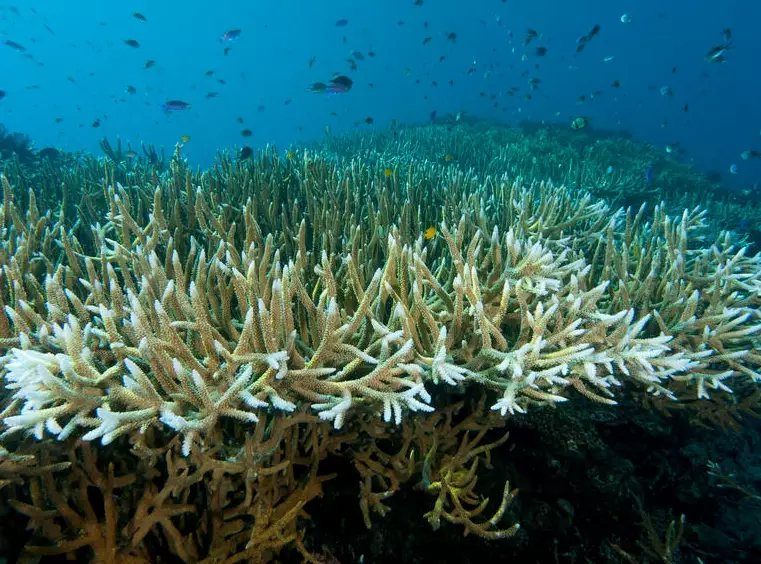
| Scale of Action | Primary Goal | Key Solutions & Who Drives Them |
|---|---|---|
| Global | Mitigate Climate Change | Rapid reduction of greenhouse gas emissions. Driven by national policies, international agreements (Paris Accord), corporate shifts to renewables, and individual carbon footprint choices (energy, transport, diet). |
| Local / Regional | Build Reef Resilience | 1. Marine Protected Areas (MPAs): Well-enforced, no-take zones that allow ecosystems to recover. 2. Reduce Land-Based Pollution: Upgrade wastewater treatment, manage agricultural runoff. 3. Sustainable Fisheries: Enforce quotas, ban destructive practices. Driven by local governments, NGOs, and community action. |
| On-the-Reef | Active Restoration & Intervention | 1. Coral Gardening: Growing resilient corals in nurseries and outplanting them. 2. Assisted Evolution: Breeding corals that can tolerate higher temperatures. 3. Shading & Cooling: Experimental local interventions like surface films or pumping cooler deep water. Driven by scientists, conservation groups, and trained volunteers. |
Restoration gets headlines, but it's emergency medicine, not prevention. You can't outplant your way out of bleaching if the water is still too hot and polluted. The core work is in the first two rows.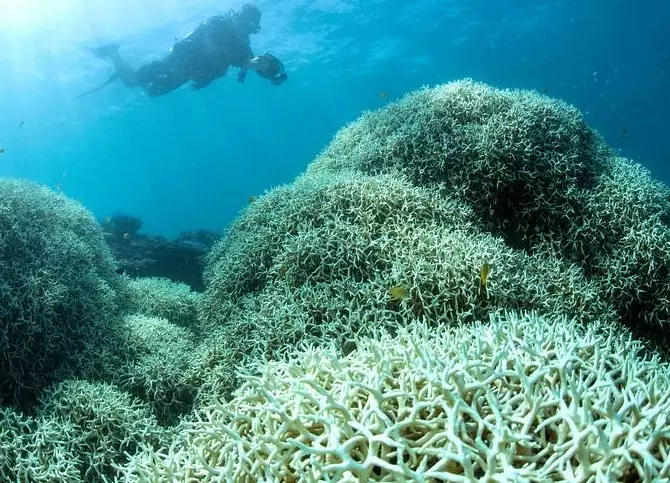
The Role of Divers in Coral Protection
Divers have a unique responsibility and privilege. We are the eyes on the reef. Our actions directly impact its health.
The single most important skill for coral conservation is perfect buoyancy control. I've seen new divers, excited and kicking wildly, destroy in seconds what took decades to grow. It's heartbreaking and entirely preventable.
A Coral-Friendly Dive Checklist:
- Get Neutrally Buoyant before approaching the reef. Practice over sand.
- Streamline Everything. Secure your pressure gauge, octopus, and computer. No dangling gear.
- Fin with Awareness. Use small, controlled fin motions. Avoid kicking up sediment.
- Look, Don't Touch. Never hold, stand on, or chase wildlife onto coral.
- Choose Operators Wisely. Support boats that use mooring buoys, give eco-briefings, and follow codes of conduct like those from Green Fins.
Divers can also be citizen scientists. Projects like Reef Check train divers to collect valuable data on reef health, tracking changes over time. This data is gold for scientists and managers.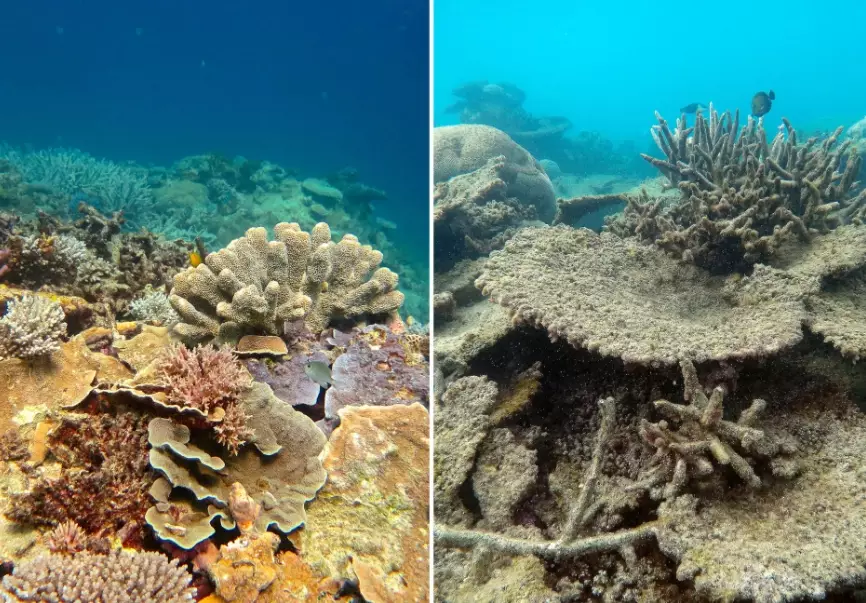
How to Be a Reef-Safe Tourist (Even If You Don't Dive)
Your choices as a tourist in a coastal community have a massive ripple effect.
The Sunscreen Problem
This isn't a myth. Studies, including one published in the journal Archives of Environmental Contamination and Toxicology, show that chemicals like oxybenzone and octinoxate cause coral bleaching, damage DNA, and disrupt reproduction in tiny concentrations. The solution is simple:
- Wear Rash Guards & Hats: Reduce sunscreen use by covering up.
- Use Mineral Sunscreen: Look for non-nano Zinc Oxide or Titanium Dioxide as the active ingredients. Beware of "Reef-Friendly" labels without checking the back.
- Apply Early: Put sunscreen on at least 30 minutes before entering the water so it absorbs into your skin.
Other Critical Choices
- Don't Buy Coral Souvenirs. Ever. It fuels destructive harvesting.
- Eat Sustainable Seafood. Ask what fish it is and how it was caught. Avoid unsustainably harvested reef fish.
- Support Responsible Businesses. Choose hotels with proper wastewater treatment and tours that follow eco-guidelines.
- Dispose of Waste Properly. Trash on land often ends up in the sea.
Supporting Science and Community Action
Finally, change happens through sustained pressure and support.
Donate to the Right Organizations: Look for groups that work on both global policy and local, community-led projects. The International Coral Reef Initiative (ICRI) is a key global partnership. Local NGOs often do the gritty, essential work of patrolling MPAs and working with fishermen.
Advocate: Write to your representatives. Support policies that address climate change, fund ocean research, and provide international aid for coral reef nations to manage their resources.
The bottom line? Stopping coral bleaching is a marathon, not a sprint. It requires systemic change and hyper-local care. We messed this up one decision at a time—through pollution, emissions, and apathy. We fix it the same way: one policy, one dive, one sunscreen choice at a time. The reefs that survive this century will be the ones we fight for now.
Your comment