If you're asking where coral bleaching is the worst, the short, grim answer is: almost everywhere in the tropics. But some regions are getting hit so hard and so often they've become the epicenters of the global reef crisis. We're talking about the Great Barrier Reef, the Caribbean, the Western Indian Ocean, and parts of the Pacific. The main driver is no secret—relentlessly rising ocean temperatures—but local pressures like pollution and overfishing turn a crisis into a catastrophe. I've seen the shift firsthand over years of diving; vibrant cities of fish life fading into silent, white graveyards.
What’s Inside This Guide?
What is Coral Bleaching, Really?
Let's clear something up. Bleaching isn't the coral dying immediately. It's a stress response, a breakup. Corals are animals that host microscopic algae (zooxanthellae) in their tissues. This partnership is the engine of the reef—the algae photosynthesize and feed the coral, giving it color and up to 90% of its energy.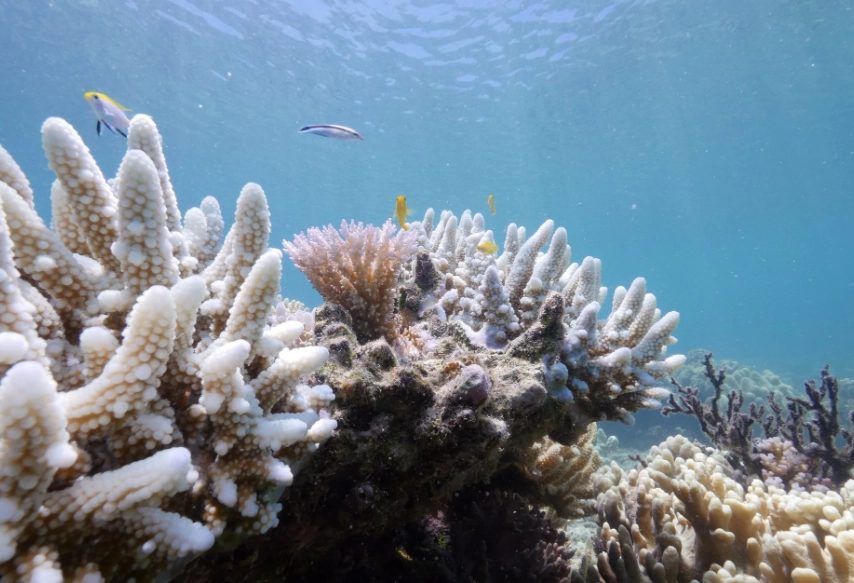
When the water gets too warm, or too polluted, that relationship sours. The coral, stressed, expels its algal tenants. Without the algae, the coral's transparent tissue reveals its white limestone skeleton underneath. That's the bleaching you see.
The crucial point everyone misses: A bleached coral is still alive, but it's starving. It's on life support. If cool water returns quickly, algae can move back in. If the stress lasts weeks, the coral will die from disease or outright starvation. That's when the reef structure begins to crumble.
The Global Bleaching Hotspots
Satellite data from NOAA's Coral Reef Watch and reports from the International Coral Reef Initiative (ICRI) paint a clear, alarming map. Bleaching is now a mass, synchronous event. The worst-affected regions share a brutal combo of peak ocean heat and local human impacts.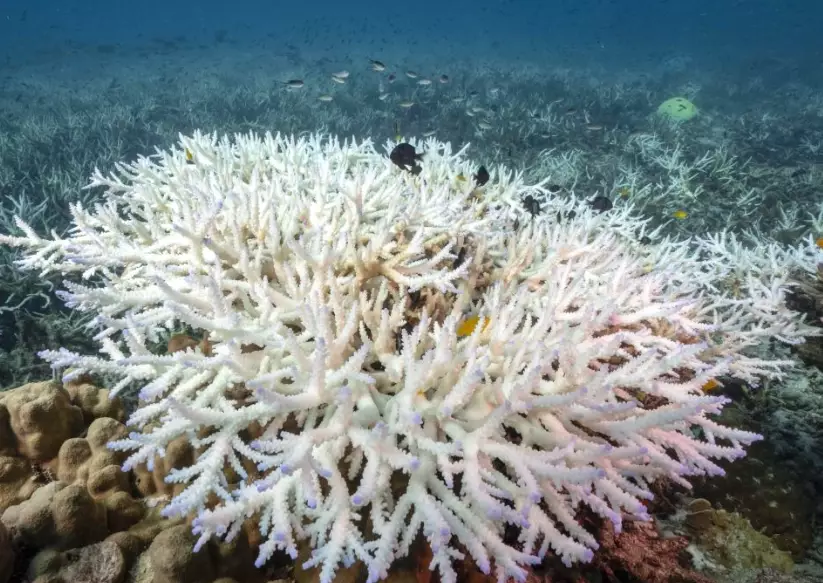
| Hotspot Region | Epicenter Examples | Severity & Recent Events | Key Local Threats |
|---|---|---|---|
| The Great Barrier Reef, Australia | Northern & Central GBR | Mass bleaching events in 2016, 2017, 2020, 2022, 2024. 2016 event killed ~30% of shallow-water corals. | Coastal runoff (sediment, pesticides), crown-of-thorns starfish outbreaks. |
| The Wider Caribbean | Florida Keys, U.S. Virgin Islands, Belize Barrier Reef | Record heat in 2023 caused severe, widespread bleaching. Florida saw near-complete bleaching in some areas. | Nutrient pollution, overfishing (removes algae-eating fish), coastal development. |
| Western Indian Ocean | Seychelles, Madagascar, parts of East Africa | Up to 90% bleaching in some Seychelles reefs in 1998; recurrent events hamper recovery. | Overfishing pressure is extreme, removing reef resilience. |
| Central Pacific | Kiribati, French Polynesia | Widespread bleaching linked to strong El Niño events. Remote reefs lack local pressure but are helpless against global heat. | Few local threats, making them a pure climate change signal. |
The Great Barrier Reef: A Case Study in Cumulative Shock
It's the poster child for a reason. The 2016 marine heatwave was a game-changer. I spoke with researchers who flew over the northern sector—a place I'd dived years before—and they described a landscape of white stretching to the horizon. It wasn't patchy. It was total.
The problem now is the lack of recovery time. The reef used to have decades between major events. Now it's getting hammered every 2-3 years. Each blow kills more of the old, slow-growing corals that provide the complex 3D structure. What grows back are often faster-growing, weedy species that don't build the same habitat. The ecosystem is simplifying, becoming less capable of supporting the life it once did.
The Caribbean: The Slow-Motion Collapse
Here's a non-consensus take: The Caribbean was in trouble long before recent heatwaves. Centuries of overfishing, especially the removal of parrotfish and other grazers, allowed algae to dominate. So when a heatwave hits, the corals are already weakened, living in an algae-dominated world. The bleaching is the final knockout punch. Recovery? Into what? An algal meadow. That's why you see such dramatic, lasting phase shifts here.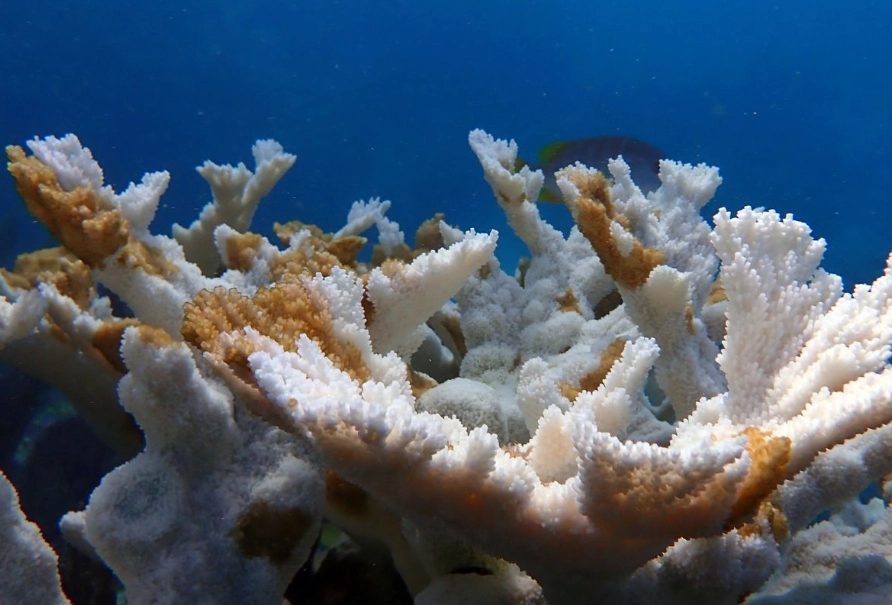
Why Are These Areas the Worst?
It's the synergy. Think of a boxer with a pre-existing injury getting hit in the same spot.
1. Oceanographic Bad Luck: Some areas sit in "hot water" pools that form during climate patterns like El Niño. The Coral Triangle, while biodiverse, is also a thermal hotspot.
2. Local Stressor Overload: This is the multiplier. A coral stressed by agricultural runoff or sediment has a lower thermal tolerance. Research shows clean, well-managed reefs can survive with 2-3 times more heat stress. The worst-hit areas consistently fail on local management.
3. The "New Normal" Baseline: We've moved past isolated events. We're now in an era of "global-scale bleaching events," where entire ocean basins heat up simultaneously. There's no safe haven to supply larvae for recovery.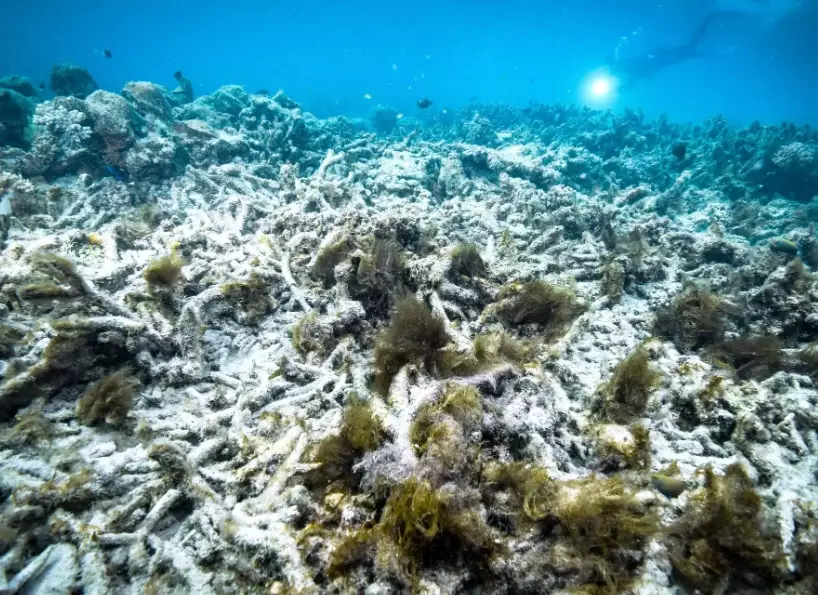
What Happens After Severe Bleaching?
The reef doesn't just turn white and stay that way. It enters a decay process.
First, algae—the fleshy, turf, and macro kinds—quickly colonize the dead skeletons. Without herbivorous fish to control them, they take over. Then, the physical structure weakens. Bioeroders—parrotfish, sea urchins, and boring worms—start chewing on the now-dead coral. Storms break it down further. Within a few years, a complex reef can flatten into a rubble field.
The economic and cultural impacts are brutal. Fisheries collapse. Coastal protection from storms vanishes. Tourism, a lifeblood for many islands, dries up. I've met dive guides in Southeast Asia who had to switch professions because their reef, their office, simply died.
What Can We Do? From Despair to Action
It's easy to feel hopeless. But action happens on two fronts: global and hyper-local.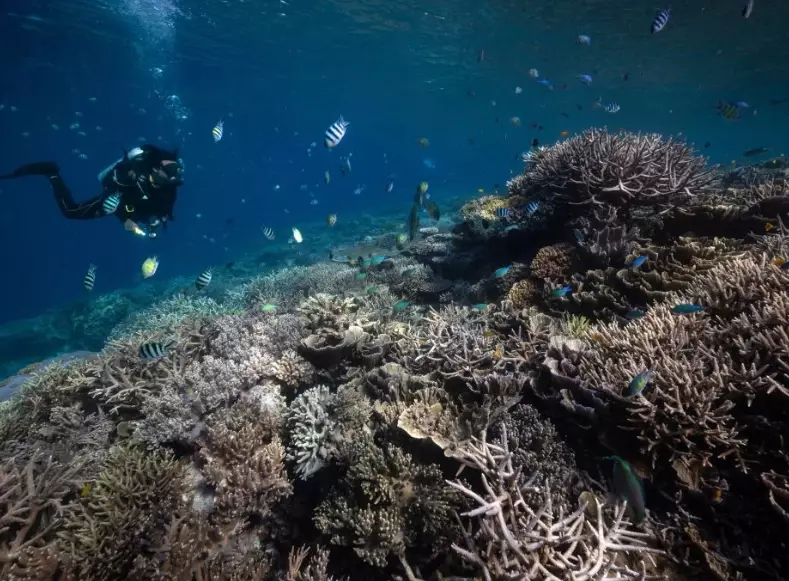
Global: The Non-Negotiable. Slashing carbon emissions is the only way to stop the driver. Every fraction of a degree of warming avoided gives reefs a fighting chance. Support policies and leaders committed to this.
Local: Building Resilience. Where we can make immediate impact:
- Radically improve water quality: Fix sewage treatment, reduce fertilizer and sediment runoff. This is the single most effective local management action.
- Enforce no-take zones: Protect herbivorous fish. They are the lawnmowers of the reef, keeping algae in check for coral recovery.
- Support science-led restoration: This isn't just planting corals. It's breeding heat-tolerant strains, stabilizing rubble, and creating conditions for natural recovery.
As a diver, your choices matter. Choose eco-operators. Don't touch. Use reef-safe sunscreen. Be a witness and share what you see—the good and the devastating.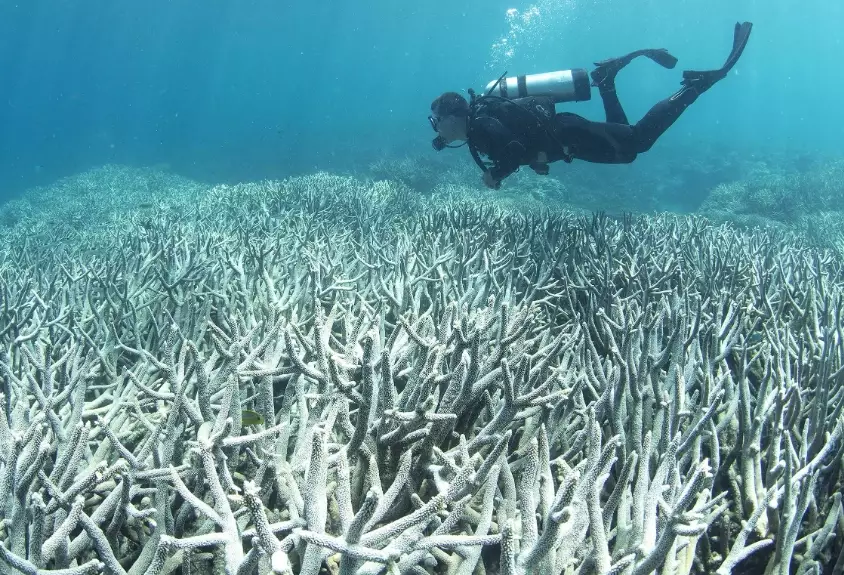
Your comment