You've seen the photos. Vibrant underwater cities turned into skeletal graveyards, all bone-white and silent. Coral bleaching. It's an environmental icon for climate change. But let's be honest—when you hear about it, a part of you might think, "That's sad, but it's far away. What does coral bleaching do to me?"
That's the wrong question. The right one is: what does it do to us? The answer isn't pretty. It hits our wallets, our dinner plates, our safety, and even our medicine cabinets. This isn't a distant ecological tragedy. It's a direct, multi-billion dollar punch to human society.
I've been diving for over a decade, and watching specific reefs fade over the years changes your perspective. It's not abstract. You see the local dive shop owner get nervous. You hear the fishermen talk about going further out for smaller catches. The connection is immediate and tangible.
Quick Navigation: How Bleaching Reaches You
How Does Coral Bleaching Hit Our Plate?
Think of a coral reef as a bustling underwater apartment complex and nursery. It houses and protects juvenile fish. About 25% of all marine species depend on reefs at some point in their life cycle. When the reef dies, the complex collapses. The tenants leave or die.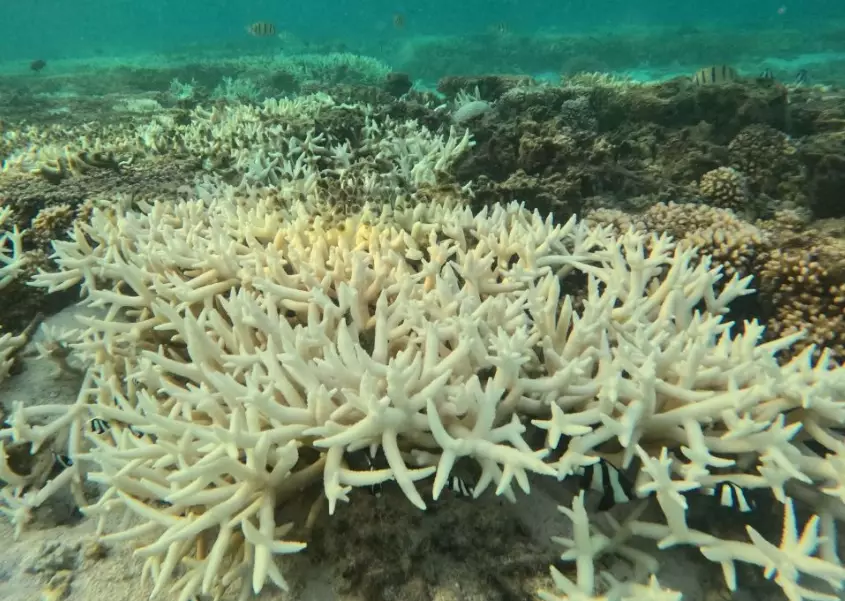
The result? Fish populations plummet.
This isn't just about losing exotic species for aquariums. We're talking about food fish. Snapper, grouper, parrotfish—species that are staples for millions. The Food and Agriculture Organization (FAO) estimates that over 500 million people rely on coral reef fisheries for protein and income. When catches drop, prices go up everywhere. The scarcity ripples through the global market.
Here's a subtle point most miss: bleaching doesn't just reduce fish numbers; it changes fish types. The complex structure of a healthy reef supports a diverse, balanced community. A dead, flattened reef often favors algae-eaters or smaller, less commercially valuable species over the larger predators we like to eat. So even if fish return, they might not be the nutritious, high-value ones communities depend on.
The Silent Killer of Jobs and Coastal Economies
Let's talk money. Coral reefs are powerhouses for tourism. People travel across the world to snorkel and dive in these vibrant wonderlands.
Imagine a small island nation. Its main export? Beauty. Its main industry? Hospitality. Now imagine the reefs turn white and die. The colorful fish vanish. The tour operators have nothing to show. The bookings dry up.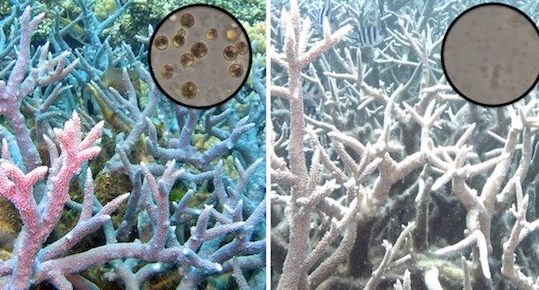
The chain reaction is brutal:
- Dive shops and snorkel tour operators close.
- Hotels and resorts see occupancy rates drop.
- Restaurants, taxi drivers, and souvenir sellers lose customers.
- Local guides lose their primary income.
A report by the World Resources Institute suggested that reef degradation could cost the global tourism economy over $12 billion annually. For some communities, this isn't an economic downturn; it's an existential threat.
The table below breaks down the economic domino effect:
| Sector Impacted | Direct Consequence of Bleaching | Long-Term Economic Ripple |
|---|---|---|
| Tourism & Recreation | Loss of dive/snorkel attractions, fewer visitors. | Job losses in hospitality, transport, retail. Lower tax revenue for public services. |
| Commercial Fishing | Dramatic drop in fish catch and species variety. | Increased food prices, loss of fishing industry jobs, shift to often unsustainable practices. |
| Coastal Real Estate & Infrastructure | Loss of natural wave barrier leads to increased erosion and storm damage. | Skyrocketing insurance costs, devaluation of coastal property, costly man-made defenses. |
The fishing job loss is even more direct. No fish, no catch. No catch, no income. It's that simple. These jobs aren't easily replaced, especially in remote coastal villages.
Weakening Our First Line of Coastal Defense
Here's a function of reefs we rarely appreciate until it's gone: they are natural breakwaters. A healthy, complex reef structure absorbs up to 97% of a wave's energy before it hits the shore.
What happens when that reef flattens and dies?
The waves come in harder and faster. Coastal erosion accelerates. Storm surges from hurricanes and typhoons penetrate further inland. The IPCC reports consistently highlight the loss of natural coastal defenses like reefs as a major multiplier of climate change risks.
This isn't a hypothetical. Look at places after major storms. Shorelines with intact mangroves and reefs often fare significantly better. Without them, the cost of damage soars, and the human toll rises. We then spend billions building sea walls—concrete substitutes that are often uglier, less effective, and far more expensive to maintain than the natural reef we lost.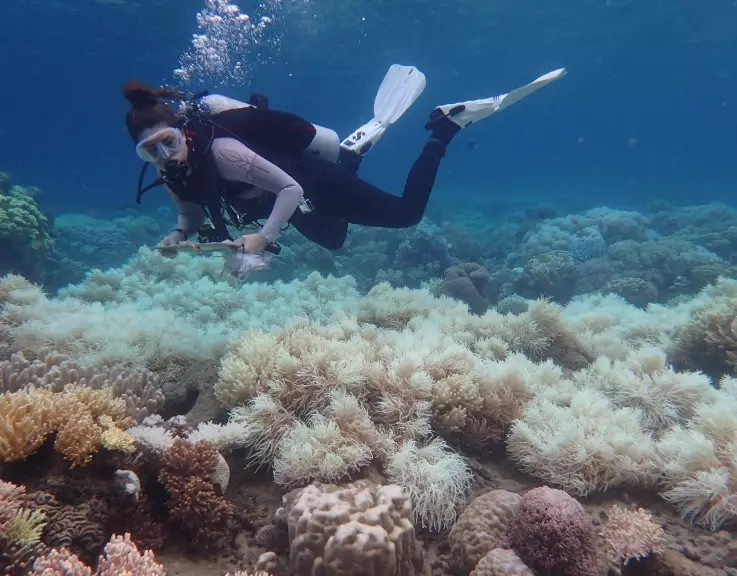
Stealing Medicine from Our Future
This might be the most profound long-term theft. Coral reefs are often called the "medicine cabinets of the 21st century." The incredible biodiversity is a treasure trove of chemical compounds that have evolved over millennia.
Scientists have already derived potential treatments from reef organisms for some of our biggest challenges:
- Cancer: Compounds from sea sponges (which thrive on reefs) are used in drugs like Cytarabine for leukemia.
- HIV: Prostaglandins from soft corals showed early promise in inhibiting the virus.
- Pain & Inflammation: Cone snail toxins have led to powerful painkillers.
- Antibiotics: Many reef bacteria produce novel compounds to fight off competitors.
We've only scratched the surface. It's estimated that less than 1% of reef species have been thoroughly screened for medicinal value. Every time a reef bleaches and dies, we are potentially burning a library of medical answers before we've even read the books. The next cure for Alzheimer's or a resistant superbug could be lost in a bleaching event happening right now.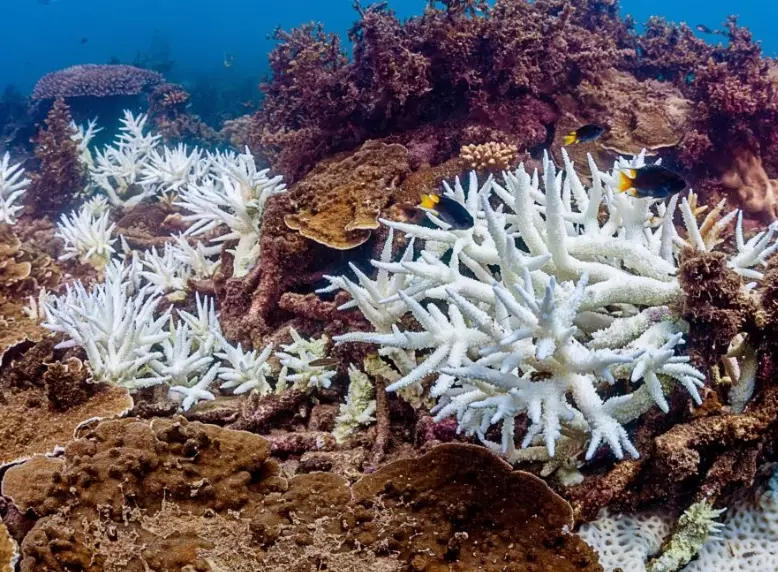
That's a human cost measured in future suffering and lives not saved.
What Can We Actually Do About It?
Feeling overwhelmed? That's normal. The scale is huge. But action is not futile. It needs to be smart and targeted.
First, tackle the root cause: climate change. Reducing your carbon footprint is the single most effective thing. Support renewable energy, reduce energy consumption, and consider sustainable transportation. This is non-negotiable. No amount of local reef cleaning can survive endlessly warming and acidifying water.
Second, be a conscious consumer. Ask where your seafood comes from. Support sustainable fisheries. If you travel to reef areas, choose eco-conscious operators who follow good practices (no touching, no anchors on the reef, proper waste management). Your tourism dollars vote for the kind of industry you want.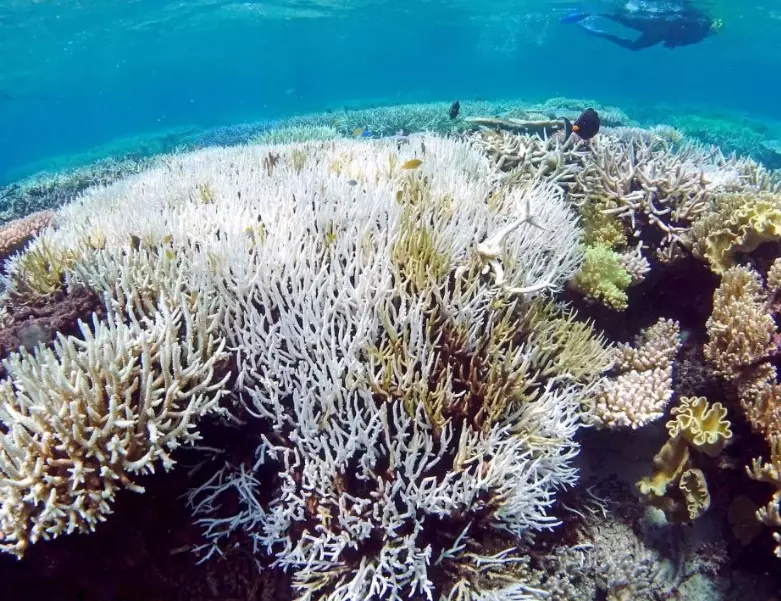
Third, support effective conservation. Not all conservation is equal. Look for organizations that combine local community engagement with solid science—groups that help fishermen find alternative livelihoods or empower locals to manage their marine protected areas. Global organizations like The Ocean Cleanup or local reef restoration projects need support.
Here's a non-consensus opinion from years on the water: small-scale, local action feels good, but it's a band-aid on a bullet wound if decoupled from global climate policy. We must push for systemic change—voting for leaders who prioritize climate action is as crucial as any personal habit change.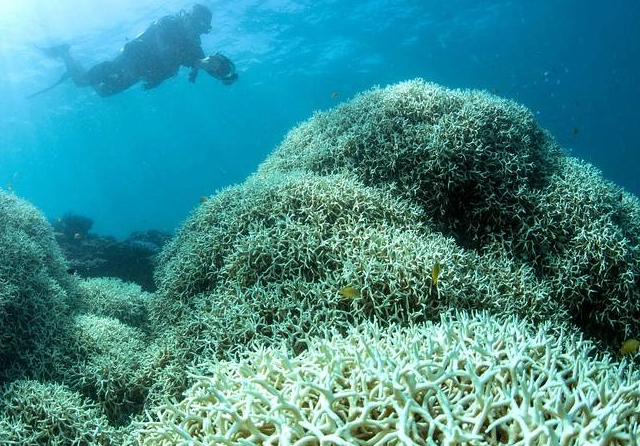
Your Questions, Answered
How does coral bleaching directly affect the food on my plate?
Can coral bleaching really cause job losses?
Are there any direct health risks to me from bleached coral reefs?
What can I actually do to help from where I live?
The connection is clear. Coral bleaching isn't a separate environmental issue. It's a direct hit to human food security, economic stability, physical safety, and future health. The white skeletons underwater are a warning sign for our own communities on land. Ignoring it means accepting a poorer, more vulnerable, and less secure future. The time to connect the dots is now.
Your comment