You've seen the photos. Vast stretches of bone-white coral skeletons, a ghostly underwater graveyard. The headlines scream about mass die-offs. It's enough to make anyone think it's all over. I felt that despair too, the first time I saw a bleached reef up close while diving. The silence was deafening.
But here's the thing most articles gloss over: bleaching is not an automatic death sentence. The real question isn't just "can they recover?"—it's "under what conditions can they recover, and how can we stack the odds in their favor?" The answer is more nuanced, and frankly, more hopeful, than you might think. Coral reefs possess a remarkable, though fragile, capacity for resilience. Let's cut through the doom and gloom and look at the actual science of coral reef recovery.
What’s Inside: Your Guide to Reef Recovery
Bleaching 101: It's Stress, Not Immediate Death
First, let's get this straight. Coral bleaching is a sign of severe distress, not instant death. Corals are animals that host millions of tiny algae called zooxanthellae in their tissues. These algae are the coral's roommates and primary food source, providing up to 90% of their energy through photosynthesis.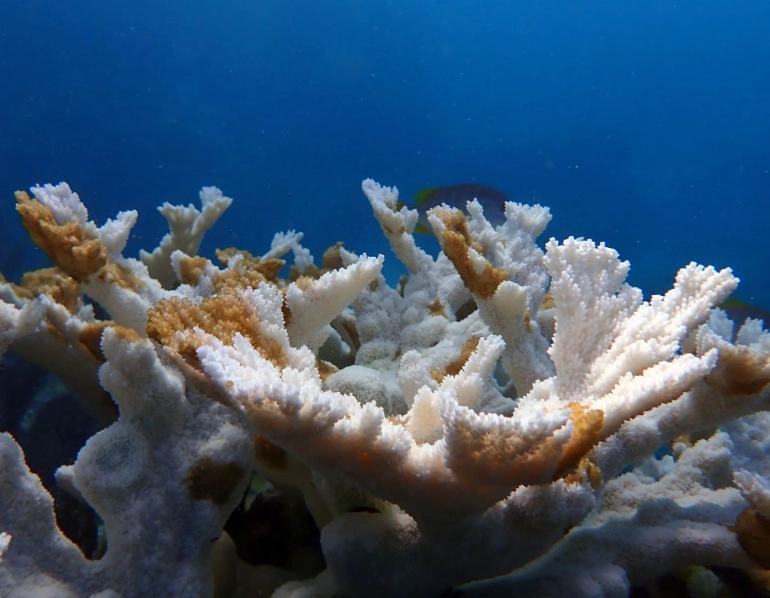
When seawater temperatures rise just 1-2°C above the seasonal average for several weeks, the symbiotic relationship breaks down. The stressed coral expels its colorful algal partners. Since the algae give the coral its color, the animal's transparent tissue over its white skeleton becomes visible—hence, "bleached."
The Comeback: How Coral Reefs Recover from Bleaching
So, the heatwave ends. The water cools. What happens next? Recovery is a multi-stage process, and it's not guaranteed.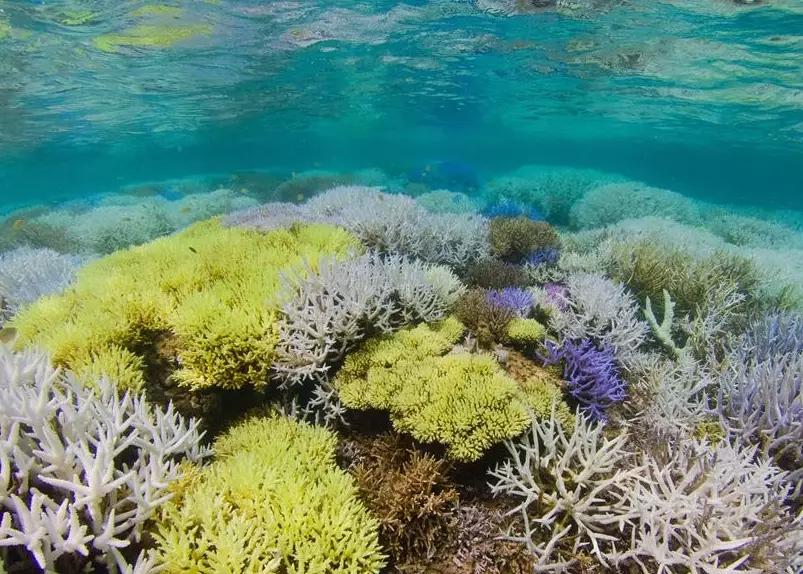
Stage 1: The Algae Return. For corals that survived the bleaching event, the first step is repopulating with zooxanthellae. They can absorb new algae from the surrounding water. This can start within weeks if conditions stabilize. I've seen corals with a faint, pastel hue return—a sure sign they're on the mend.
Stage 2: Energy Recovery. Once the algae are back, the coral needs to rebuild its energy reserves. Growth slows or stops. Reproduction is often put on hold for a year or more. This is a critical window where the coral is still highly susceptible to disease.
Stage 3: The Long Game - Regrowth and Recruitment. This is where it gets long-term. If a lot of coral died, recovery depends on "recruitment"—baby coral larvae from nearby healthy reefs settling on the bare skeleton. Fast-growing, branching corals like staghorn might recolonize an area in 5-10 years. But the big, slow-growing brain corals or massive porites that form the reef's foundation? They grow maybe a centimeter a year. Replacing a 500-year-old colony is, for all intents and purposes, impossible in our lifetime.
The reef that comes back might look very different. Heat-tolerant species often recover first, changing the ecosystem's structure. It's recovery, but not a like-for-like replacement.
What Determines if a Reef Recovers? The 4 Key Factors
Not all reefs are created equal. Some bounce back, others turn to algae fields. Why? It boils down to four main factors.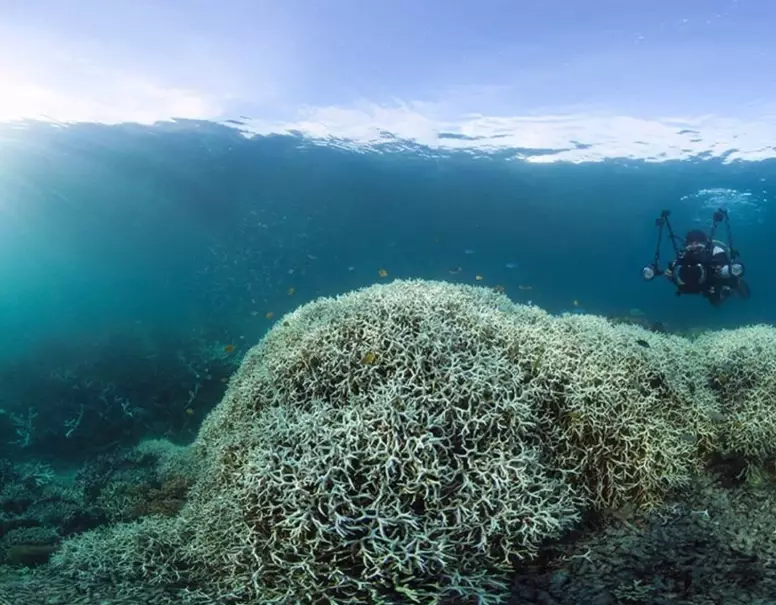
- 1. Severity & Duration of the Stress: Was it a short, sharp heat spike or months of warm water? A 4-week event might cause bleaching; an 8-week event causes mass mortality. Recovery needs a break between assaults. Back-to-back bleaching years, like the Great Barrier Reef saw in 2016 and 2017, are catastrophic.
- 2. Local Water Quality: This is huge, and often overlooked. A reef swimming in polluted runoff from farms or cities is already stressed. The nutrients fuel algal growth, which smothers baby corals trying to settle. Clear, clean water is non-negotiable for recovery.
- 3. The Fish Community (Especially Herbivores): Parrotfish and surgeonfish are the reef's lawnmowers. After bleaching, algae quickly colonize dead coral. If overfishing has removed these key herbivores, the algae take over and block any chance of new coral settlement. No fish, no recovery.
- 4. Connectivity to Healthy Reefs: A bleached reef needs a supply of coral larvae from areas that escaped the worst of the heat. Isolated reefs are in deep trouble. Networks of marine protected areas (MPAs) are crucial for creating these larval supply lines.
Look at the contrast. The 1998 global bleaching event hit Palau hard, but many reefs recovered well because of strong local management—clean water, healthy fish stocks. Conversely, parts of the Great Barrier Reef hit by severe consecutive bleaching have shifted to a degraded, algae-dominated state with little sign of coral recovery. The difference is in the local conditions we can control.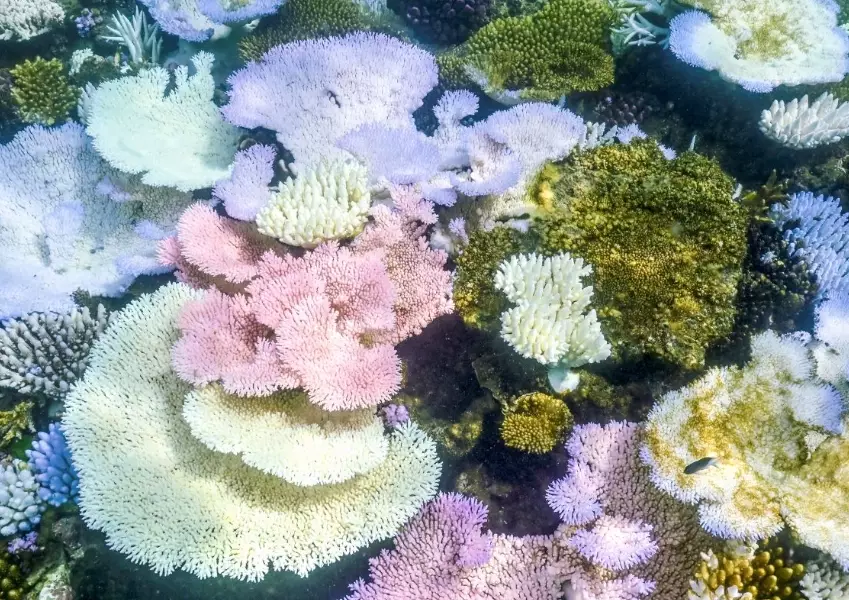
How Humans Can Actually Help Coral Reefs Recover
Feeling helpless about global warming? Don't. While slashing CO2 emissions is the ultimate solution, we're not powerless bystanders. We can directly influence the local factors that give reefs their fighting chance. It's like helping a patient recover from pneumonia—we treat the secondary infections (local threats) so their body (the reef) can focus on beating the main disease (heat stress).
Global Action (The Big Picture): Support policies and innovations that reduce carbon emissions. Your consumer choices, vote, and voice matter here.
Local Action (The Game-Changer): This is where you have direct influence, especially if you live near a coast or visit reefs.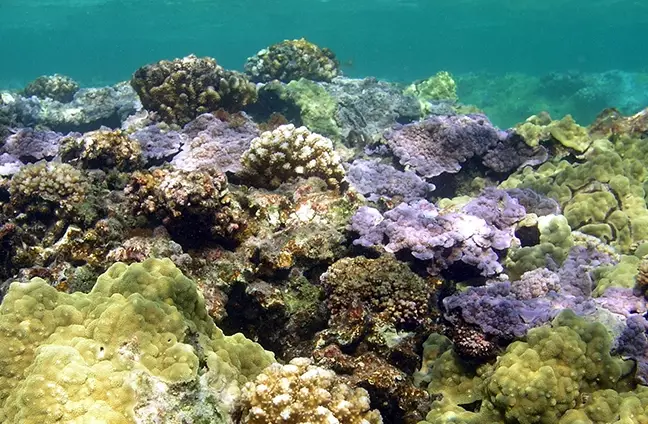
- Choose Sustainable Seafood: Use guides from the Monterey Bay Aquarium Seafood Watch to avoid fish caught using destructive methods or from overfished populations, especially reef herbivores.
- Be a Conscious Tourist: If you dive or snorkel, book with operators who enforce strict "no touch, no standing" rules. Ask about their conservation work. Wear rash guards instead of slathering on sunscreen, or use certified reef-safe products (oxybenzone and octinoxate-free).
- Reduce Runoff Pollution: Support local initiatives that protect wetlands and mangroves (nature's water filters). If you garden, minimize fertilizer use.
- Support Smart Protection: Advocate for well-managed Marine Protected Areas (MPAs) that actually restrict fishing and pollution. According to a study by the International Coral Reef Initiative, reefs within effective MPAs recover faster from disturbances.
The goal isn't to return every reef to a pristine 1950s state. That's unrealistic. The goal is to build resilience—to help reefs withstand the shocks they will inevitably face and retain their ecological function.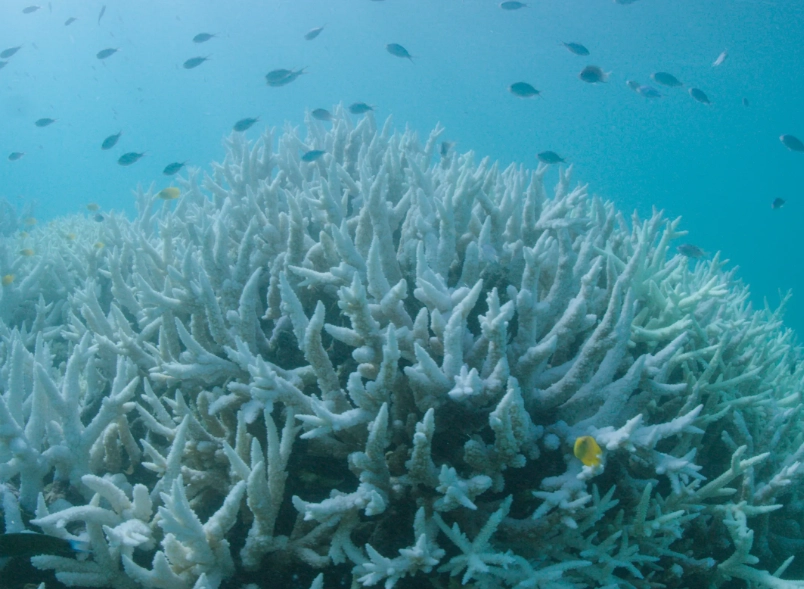
Your Burning Questions on Reef Recovery (Answered)
So, can coral reefs recover from bleaching? The biological capacity is there. They've weathered changes for millennia. But the recovery window is slamming shut under the relentless combo of global heating and local neglect. The path forward isn't naive hope or bleak despair. It's hard, practical work. It's about giving reefs a fighting chance by cleaning up their neighborhood and letting their natural resilience do the rest. The question is no longer just about what reefs can do—it's about what we're willing to do for them.
Your comment