What's Inside This Guide
I remember my first dive on a healthy reef twenty years ago. The noise. That's what struck me. The crackle of parrotfish chewing coral, the pops of shrimp, a constant, living symphony. Last year, I returned to the same spot in the Caribbean. The silence was deafening. The vibrant city had become a ghost town, the complex architecture crumbling and covered in a shaggy, brown carpet of algae. This isn't just a few corals dying. This is systemic collapse.
Coral reef collapse is the rapid, often irreversible, shift from a diverse, three-dimensional ecosystem built by corals to a flat, algae-dominated wasteland. It's the ecological equivalent of a bustling metropolis being abandoned and reclaimed by weeds. For us divers, it's the loss of everything we love about the underwater world.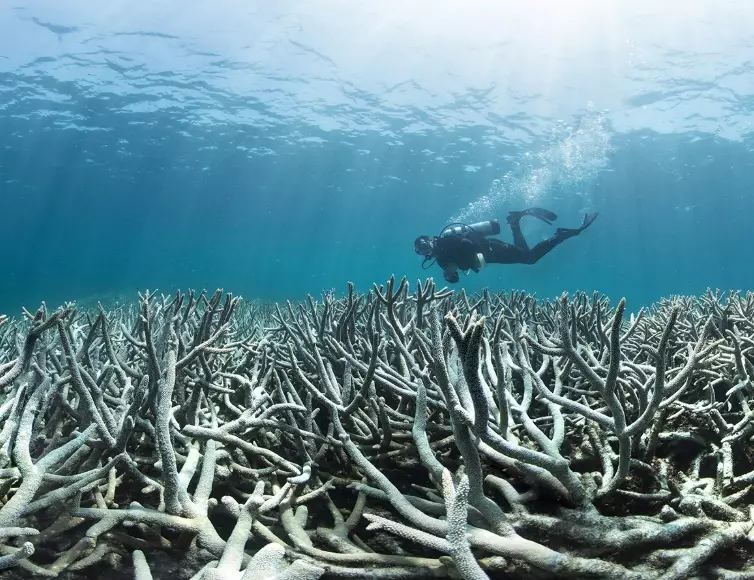
What Exactly Is Coral Reef Collapse?
Let's clear something up. Coral bleaching gets the headlines, but it's just a symptom. Collapse is the disease. A coral is a partnership—an animal (the polyp) and millions of tiny algae (zooxanthellae) living inside it. The algae provide up to 90% of the coral's food through photosynthesis. In return, they get a safe home.
When seawater gets too warm, the partnership breaks down. The coral expels its colorful algae tenants. That's bleaching—the coral turns bone white. It's not dead yet, but it's starving. If the stress lasts weeks, the coral dies. Now, the real collapse begins.
Key Point: The hard calcium carbonate skeleton left behind doesn't just sit there. Fast-growing macroalgae, like seaweeds, quickly colonize the space. They block sunlight, preventing new baby corals from settling. They release chemicals that can harm coral larvae. The reef's structure, weakened by erosion and bioeroders, starts to crumble. The fish that depended on the coral for food and shelter leave. The ecosystem unravels.
The Main Drivers of Coral Reef Collapse
Think of a coral reef as a patient with multiple organ failure. No single cause kills it. It's the combination.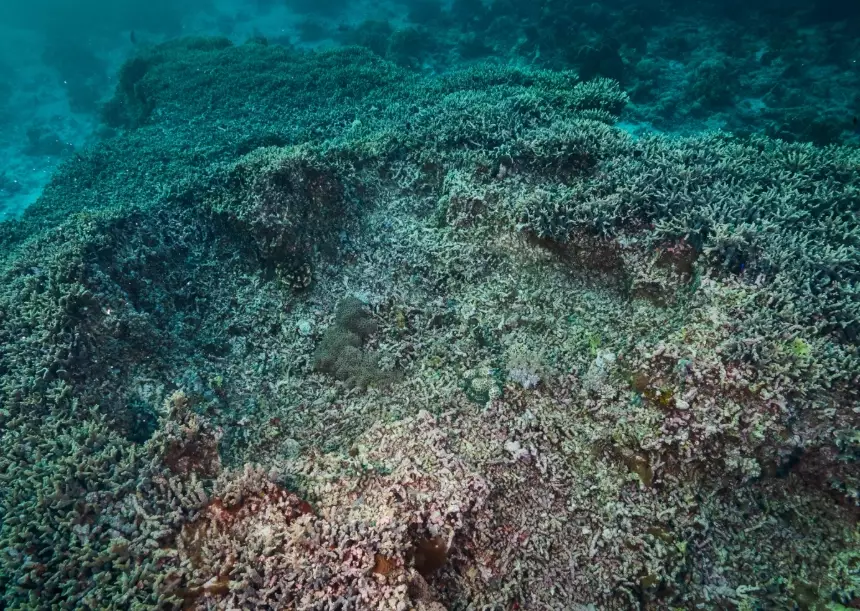
1. Climate Change: The Overwhelming Stressor
This is the big one. The Intergovernmental Panel on Climate Change (IPCC) reports are crystal clear. Rising sea temperatures cause mass bleaching events. These events are now so frequent that reefs don't have the 10-15 years they need to recover. It's like getting pneumonia before you've fully recovered from the last bout. The 2016-2017 global bleaching event, for instance, killed about 50% of the shallow-water corals on the Great Barrier Reef.
2. How Does Ocean Acidification Weaken Coral Reefs?
This is the stealth threat. The ocean absorbs about a third of our CO2 emissions. When CO2 dissolves in seawater, it forms carbonic acid. More acidic water (a lower pH) makes it harder for corals to pull carbonate ions from the water to build their skeletons. The report from the National Oceanic and Atmospheric Administration (NOAA) on ocean acidification spells it out: their structures become weaker, more brittle, and more susceptible to storm damage and erosion. They grow slower. Imagine trying to build a limestone house in vinegar.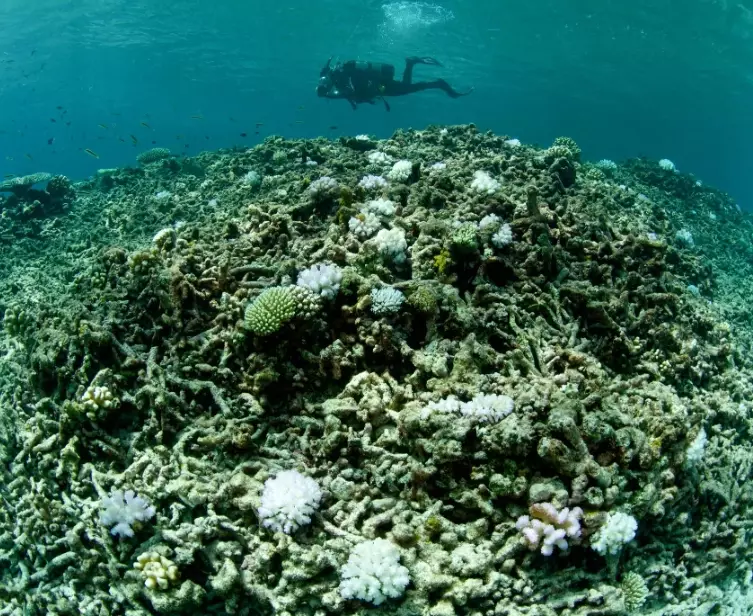
3. The Local Assaults: Pollution and Overfishing
While climate change sets the stage, local actions deliver the final blows. Nutrient runoff from agriculture (fertilizers) and sewage acts like steroids for algae, fueling their takeover. Sediment from coastal construction smothers corals. And overfishing, especially of herbivorous fish like parrotfish and surgeonfish, is catastrophic. These fish are the lawnmowers of the reef, constantly grazing on algae. Remove them, and the algae grow unchecked.
I've seen reefs near populated islands where the fish are all but gone. The algae is thick, and you can't even see the coral structure. It's a depressing dive.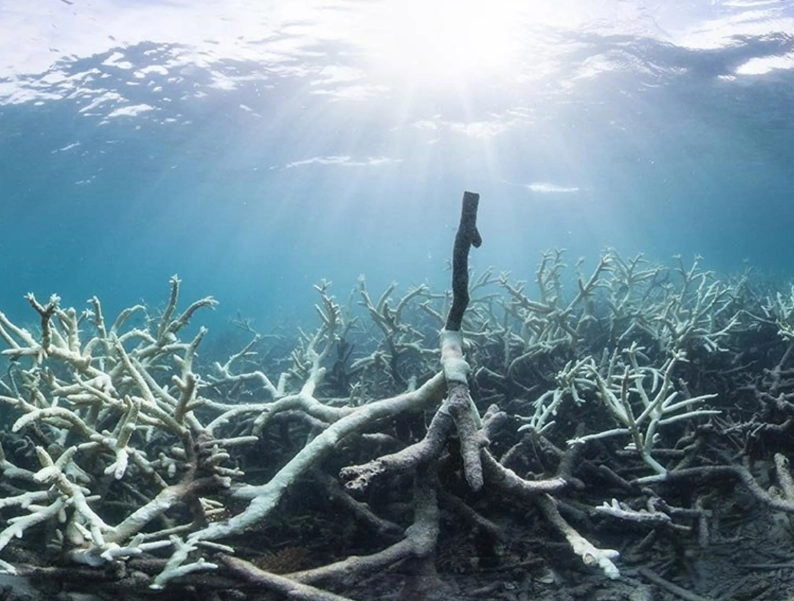
What Can Divers Do to Help Prevent Coral Reef Collapse?
Feeling helpless is normal. But divers are the reef's frontline eyes and advocates. Your actions matter more than you think.
The Buoyancy Imperative: Perfect buoyancy isn't just a skill badge; it's an ethical requirement. One fin kick on the reef can destroy decades of coral growth. On a bleached reef, it can kill a struggling coral outright. Practice over sand before you go near the reef. If you're not confident, admit it and stay farther away. No photo is worth a broken coral.
Choose Your Sunscreen Like Your Life Depends On It (The Reef's Does): Avoid oxybenzone and octinoxate like the plague. These chemicals cause coral DNA damage and larval deformation. Opt for mineral-based, non-nano zinc oxide formulas. Better yet, wear a full rash guard and leggings. You'll use less sunscreen and protect your own skin better.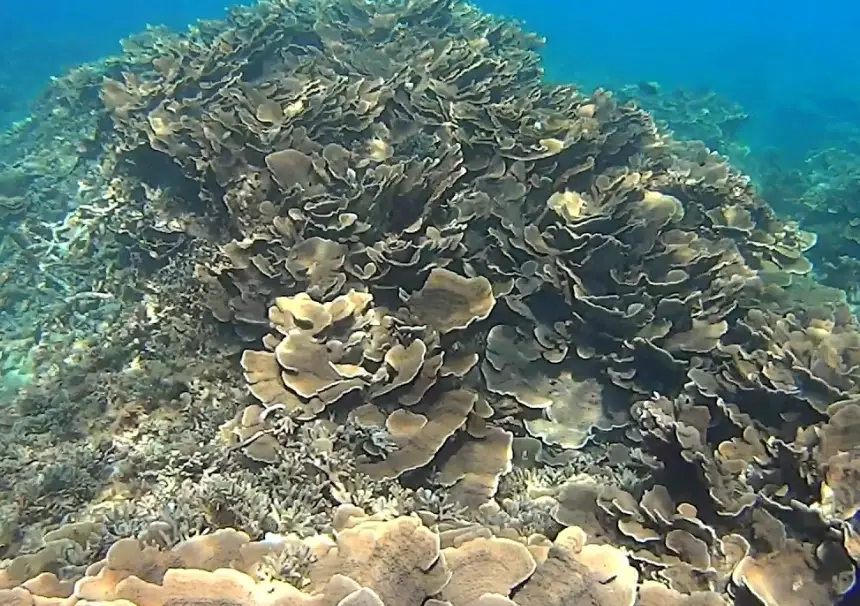
Become a Citizen Scientist: Your observations are data. Organizations like Reef Check train divers to monitor reef health. You'll learn to identify key indicator species and assess coral cover. The data you collect helps scientists track changes and prioritize conservation efforts. It transforms your dive from tourism to purpose.
Vote With Your Wallet: Support dive operators who are genuinely invested. Ask them: Do you have a mooring buoy to avoid anchor damage? Do you participate in local clean-ups or restoration projects? Do you educate guests on reef etiquette? The right operator will have answers, not just shrugs.
The Big One: Advocate. Talk about what you've seen. Share photos of healthy reefs AND bleached ones. Support policies that address climate change and create marine protected areas. Divers have a powerful voice because we've seen the magic. Use it.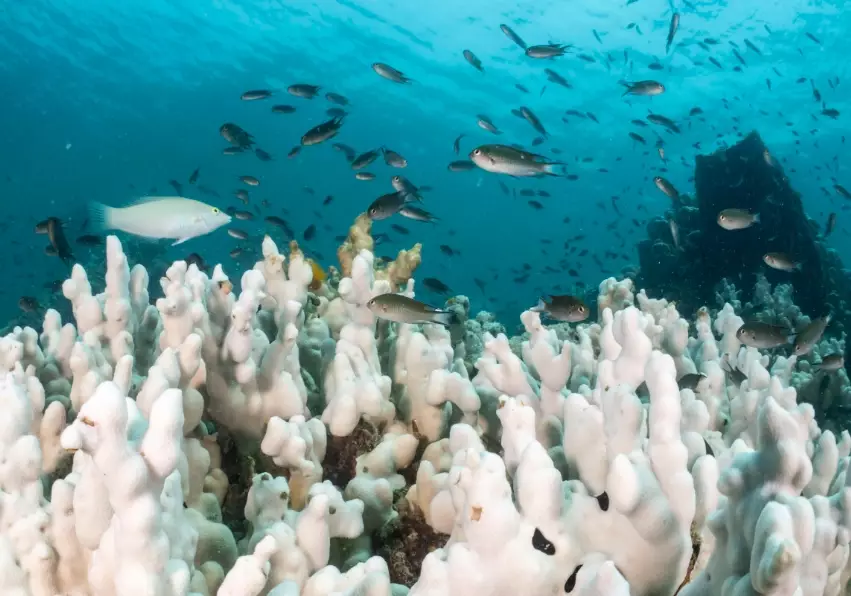
Your Burning Questions Answered
Is coral reef collapse reversible, or is the damage permanent?
It depends on the severity and frequency of the stress. A mildly bleached coral can recover if water temperatures return to normal quickly and the zooxanthellae algae return. However, severe or repeated bleaching events lead to coral mortality. The calcium carbonate skeleton remains but is quickly overgrown by algae, fundamentally changing the ecosystem. Recovery of a complex reef structure can take decades, if it happens at all, making prevention far more effective than restoration.
As a diver, what is the single most damaging thing I could accidentally do to a stressed coral reef?
Beyond the obvious like touching or breaking coral, the most insidious mistake is poor buoyancy control that kicks up sediment. On a healthy reef, this is bad practice. On a stressed or bleached reef, it's catastrophic. Sediment settling on coral polyps smothers them, blocking light and adding physical stress to an organism already fighting for survival. A diver hovering inches above the reef, even with no contact, can stir up a silt cloud that drifts onto and kills vulnerable corals.
Are all sunscreens labeled 'reef safe' actually safe for coral reefs?
Not necessarily. The term 'reef safe' is largely unregulated. The best practice is to look for mineral-based sunscreens using non-nano zinc oxide or titanium dioxide as the active ingredient. Crucially, avoid any sunscreen containing oxybenzone and octinoxate, even in small amounts. Better yet, wear a rash guard or wetsuit for physical sun protection, drastically reducing the amount of sunscreen you need.
If I visit a reef destination known for bleaching, should I still go diving there?
Yes, but choose your operator wisely. Responsible tourism funds conservation. Seek out dive shops actively involved in local reef monitoring, citizen science programs, or coral nurseries. Your visit, when done with a conscious operator, provides economic incentive for the community to protect their reefs. Ask them about their environmental policies before you book.
The picture is grim, but not hopeless. I still find pockets of resilience, reefs that have survived against the odds. They're usually in areas with strong local protection—healthy fish populations, clean water, and careful management. That tells us the solution exists. It's a combination of global action on emissions and relentless local stewardship. As divers, we have a foot in both worlds. We can push for the big systemic changes and execute the small, precise actions that give reefs a fighting chance. The symphony hasn't ended everywhere. It's our job to make sure the music doesn't fade to silence.
Your comment