I remember the first time I saw a bleached coral reef. It was in Southeast Asia, a place famous for its underwater gardens. Instead of a bustling city of color, I hovered over a silent, bone-white landscape. The guide shrugged. "Warmer water," he said. That feeling of helplessness stuck with me. We hear the warnings about coral reef conservation all the time—they're dying, they're vital, we must save them. But as an individual, especially a diver or ocean lover, what can you actually do that makes a dent? Turns out, a lot. It just requires moving past generic advice and into specific, sometimes inconvenient, action.
What You'll Find in This Guide
Why Helping Coral Reefs Matters More Than You Think
Let's skip the basic stats you've heard. Yes, reefs cover less than 1% of the ocean but house 25% of marine life. Yes, they protect coastlines. The deeper truth is about system collapse. Coral reefs are the canaries in the coal mine for ocean health. When they bleach and die, it's not just about losing pretty fish. It's a signal that the fundamental balance of the marine ecosystem—water chemistry, temperature regulation, food web structure—is unraveling.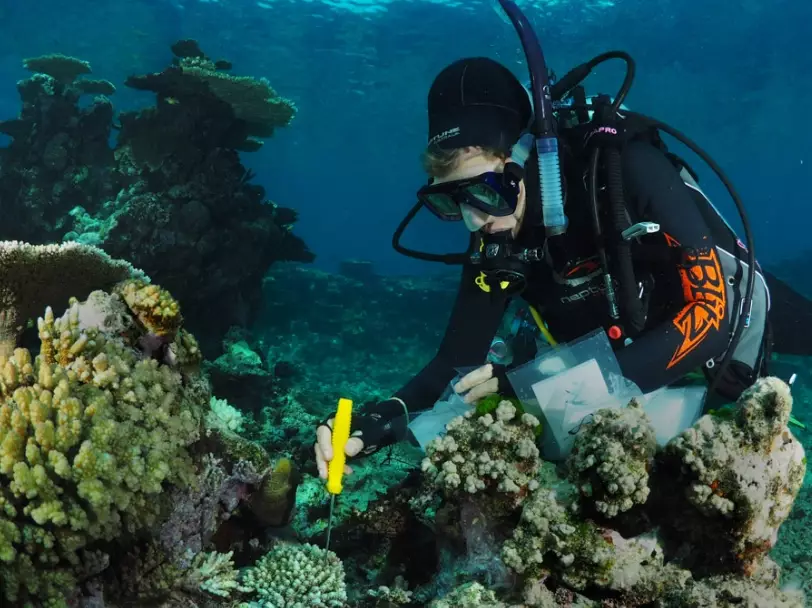
Think of a reef as both an apartment building and a grocery store for the ocean. Lose it, and you have a cascade of homelessness and starvation. The fish that local communities rely on disappear. The shoreline protection vanishes, leaving villages exposed to storms. This isn't a distant future problem. From the Great Barrier Reef to the Caribbean, mass bleaching events are now annual nightmares, as documented by agencies like the NOAA Coral Reef Watch. Global warming is the main driver, but it's not the only one. Local stressors—pollution, physical damage, overfishing—are like throwing gasoline on a fire. That's where our direct actions can actually help.
Key Insight: Helping coral reefs isn't just an environmental gesture. It's direct support for fisheries, coastal economies, and global biodiversity. Your actions on local stressors give reefs a fighting chance to survive global ones.
Your Action Plan: How to Help Coral Reefs Effectively
This is the practical part. Forget vague notions. Here’s a tiered approach, from what you do on vacation to where you put your money.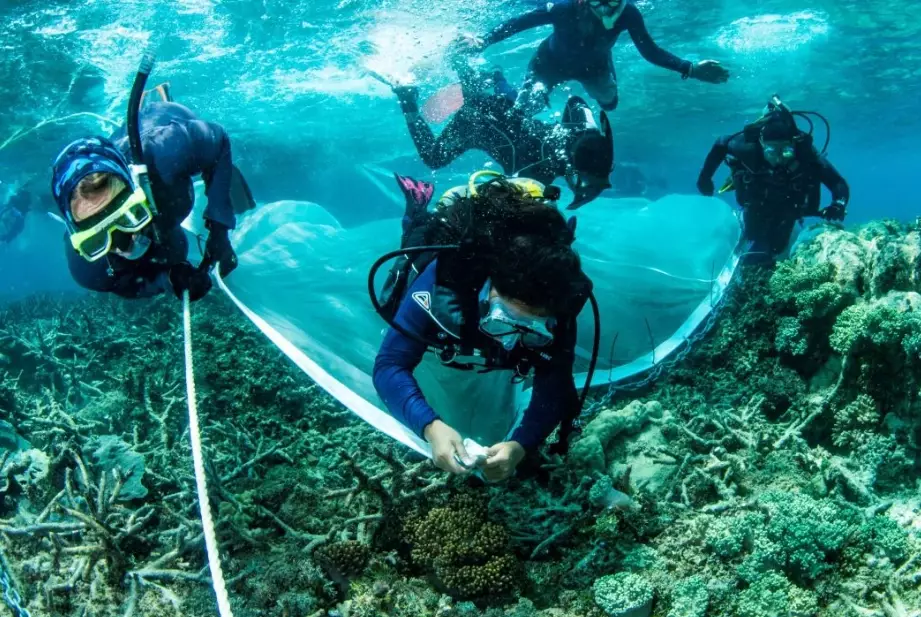
1. Be a Force for Good When You Travel
Your tourism dollars are powerful. Direct them wisely.
Choose Operators, Not Just Destinations: Research dive shops and tour boats before you book. Do they use permanent mooring buoys instead of dropping anchors? Do they give thorough briefings on buoyancy and no-touch rules? Look for operators partnered with conservation groups (like Project AWARE or local marine parks). I've walked away from shops that shrugged when I asked about their environmental policy. It matters.
Master Your Buoyancy (Seriously): This is the single most important skill for reef protection. If you're still finning to stay off the bottom, you're kicking silt onto corals, smothering them. Practice in a pool or sandy area until you're neutrally buoyant and horizontal. A single fin kick on a coral can kill a colony that took decades to grow.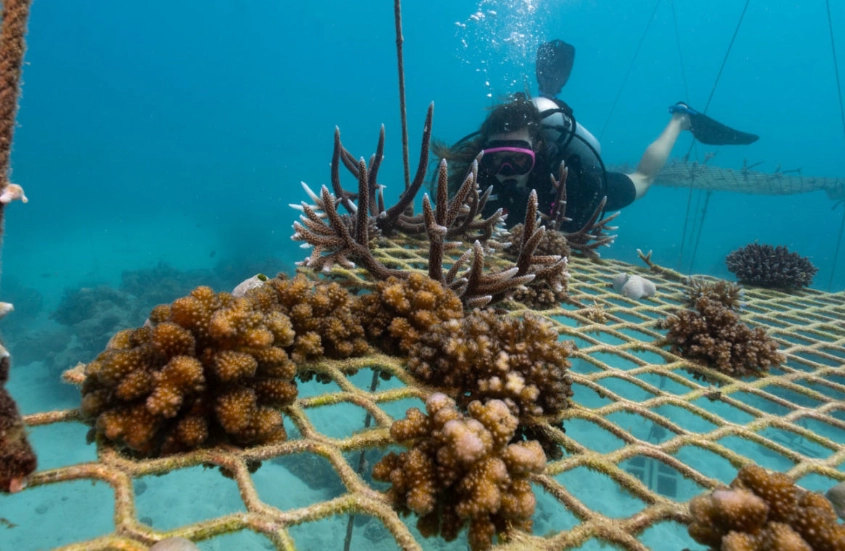
Rethink Your Gear: Wear a full wetsuit or rash guard. This drastically reduces the amount of sunscreen you need. If you must use sunscreen, choose a mineral-based (zinc oxide/titanium dioxide), non-nano formula. The label "reef-safe" is mostly marketing—check the active ingredients list.
2. Support Hands-On Coral Restoration (The Right Way)
Coral gardening and outplanting are real, science-backed methods. But not all programs are created equal.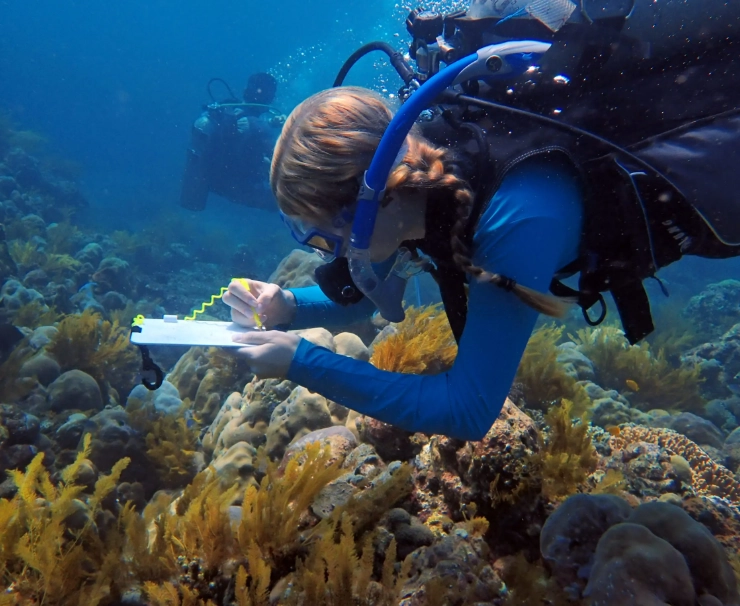
Look for restoration projects that:
- Track and publish data on survival rates. If they can't show you long-term results, be skeptical.
- Use diverse coral species, not just the fast-growing, branching ones. Genetic diversity is key for resilience.
- Involve the local community in stewardship and employment.
Organizations like the Coral Restoration Foundation in Florida or local efforts in places like Fiji and Bonaire offer volunteer opportunities and citizen science courses. You'll learn to clean nursery trees, fragment corals, or outplant baby corals. It's hard, wet work. It's also incredibly rewarding.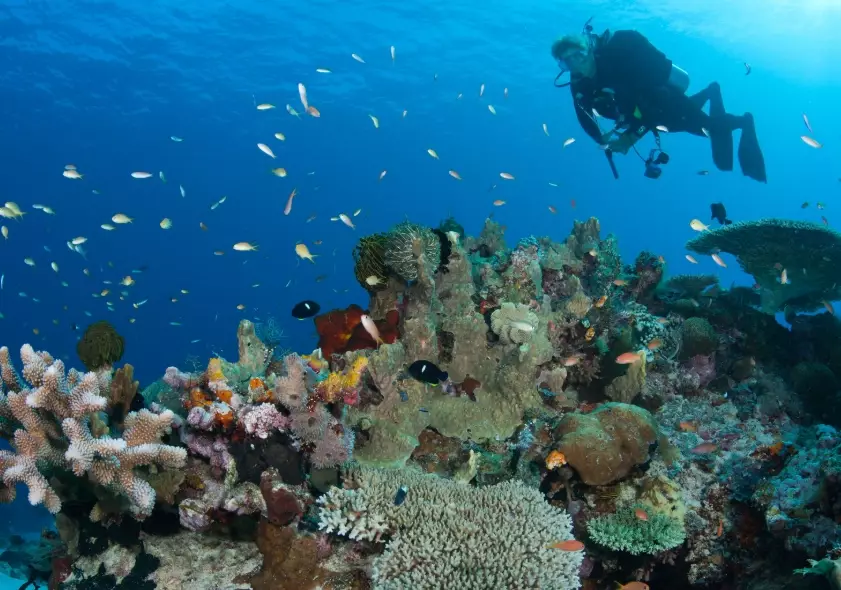
Beyond the Beach: Supporting Coral Reefs from Home
Your impact isn't limited to when you're in the water. The choices you make every day create the demand that drives—or mitigates—the pressures on reefs.
Mind Your Seafood: Overfishing disrupts the delicate balance of reef ecosystems. Herbivorous fish, like parrotfish, are crucial—they eat algae that can overgrow and kill corals. Use guides from the Monterey Bay Aquarium Seafood Watch to avoid unsustainably harvested species. Ask your restaurant where their fish comes from.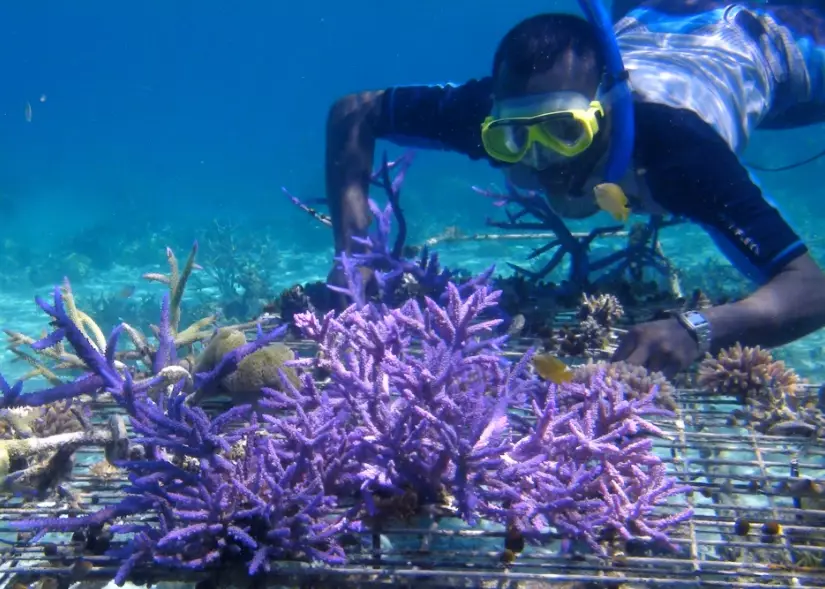
Reduce Your Chemical Footprint: Fertilizers, pesticides, and detergents from your lawn and home eventually wash into watersheds and out to sea, causing nutrient pollution that fuels algal blooms. Switch to organic lawn care, phosphate-free detergents, and fix car leaks.
Fund the Right Fight: Donate to NGOs that work on the root causes. I prefer groups that focus on policy (like establishing and enforcing Marine Protected Areas), scientific research, or community-based management over those that just promote awareness. Your money funds lawyers, scientists, and local rangers.
Myths Debunked & Your Questions Answered
Let's clear up some confusion. I've heard these questions a hundred times.
It's not just about touching coral. The most pervasive issue is poor buoyancy control, which causes fins, knees, or gauges to drag across and crush delicate structures. Many divers focus on not touching with their hands but forget their entire body and equipment footprint. A slightly overweighted diver constantly finning to stay off the bottom kicks up sediment that smothers coral polyps, a silent killer most don't even notice they're committing.
It's a good start, but it's a small piece of a massive puzzle. The term 'reef-safe' is largely unregulated. Look for mineral-based sunscreens (zinc oxide, titanium dioxide) that are 'non-nano' and free of oxybenzone and octinoxate. However, the runoff from coastal development, sewage, and agricultural chemicals dwarfs the impact of sunscreen. Your choice matters most at specific, high-traffic snorkeling sites. A more significant action is to wear a rash guard and avoid sunscreen altogether when possible.
Yes, corals can recover if the stressor (like high water temperature) is removed quickly and the colony is otherwise healthy. You can't directly 'fix' a bleached reef, but you can support its resilience. This means reducing all other local stresses. Choose dive operators with strict mooring buoy use (no anchors). Report damaged coral to local authorities or reef watch programs. Financially support NGOs that work on local water quality issues and marine protected area enforcement. A reef free from pollution, physical damage, and overfishing has a much higher chance of bouncing back after a heatwave.
Absolutely, but vet them carefully. Avoid 'voluntourism' that prioritizes the experience over the science. Look for programs affiliated with universities or established NGOs like the Coral Restoration Foundation, Reef Check, or local marine parks. Legitimate programs will train you in specific, needed tasks: fragmenting corals in nurseries, cleaning nursery structures, outplanting corals, or conducting fish and coral population surveys. Your contribution should be labour, not just funding a feel-good trip. Ask about their long-term monitoring data—real conservation tracks results for years.
The path to helping coral reefs isn't paved with guilt or grand, impossible gestures. It's built on informed choices, practiced skills, and sustained support. It's choosing the right dive boat. It's perfecting your hover. It's asking one more question about where your seafood came from. That bleached reef I saw years ago? Parts of it have shown remarkable recovery, thanks in part to a local no-fishing zone established by persistent community advocates. Change is possible. Your actions, multiplied by millions of others who care, are the mechanism. Start where you are.
Your comment