You're scuba diving in the Maldives, gliding over a reef that looks like a technicolor explosion. Electric blue staghorn corals, vibrant red sea fans, and schools of fish in every color imaginable. It feels like you're flying over a living city. Now, imagine returning a few years later and finding that same city reduced to a ghost town. The colors are gone, replaced by a vast, skeletal white landscape. The fish are scarce, the silence is eerie. That's the stark reality of coral bleaching.
It's not just an aesthetic loss. It's an ecological catastrophe unfolding underwater. Coral bleaching strips the life out of the ocean in a way few other processes can. I've seen it firsthand. I remember diving in Thailand years ago, where the coral was so dense it felt like swimming through a forest. Last year, I went back. The forest had become a graveyard.
So, what exactly happens when coral bleaches, and what are the effects of coral bleaching on marine ecosystems? Let's cut through the basics you might find on a generic website. Bleaching doesn't mean the coral is dead immediately. Think of it more like a coral going into a state of severe, prolonged starvation. It's still alive, but it's expelling its main food source. The effects of this starvation ripple outwards, touching every single creature that calls the reef home.
Key Points You'll Learn
What is Coral Bleaching? A Simple (But Frightening) Explanation
Corals are not rocks. They're animals, tiny polyps, that live in colonies. Their vibrant colors don't come from themselves. They come from millions of microscopic algae called zooxanthellae that live inside the coral's tissues. It's a perfect partnership: the algae get a safe home and sunlight, and the coral gets up to 90% of its energy from the sugars the algae produce through photosynthesis.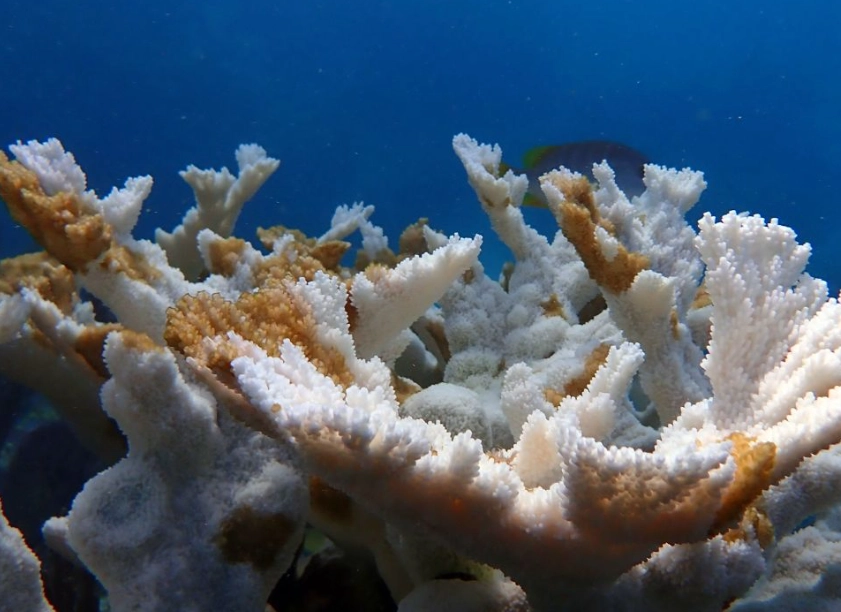
Coral bleaching is the process where this partnership breaks down.
When the coral gets stressed—primarily by high water temperatures—it panics. It's not a conscious panic, but a physiological one. The coral expels these colorful algae. This leaves the coral's clear or white limestone skeleton exposed. That's the bleached appearance. Without its algae, the coral begins to starve. It's still alive, but it's in critical condition.
It's Not Just About the Temperature
Here's a common misconception I hear, even from some guides: "If the water cools back down, everything will be fine." That's dangerously optimistic. While temperature is the primary driver, it's rarely the only stressor at play. Think of a human under extreme heat stress. Now add severe dehydration. The combination is deadly. For corals, the "dehydration" comes in the form of other factors like: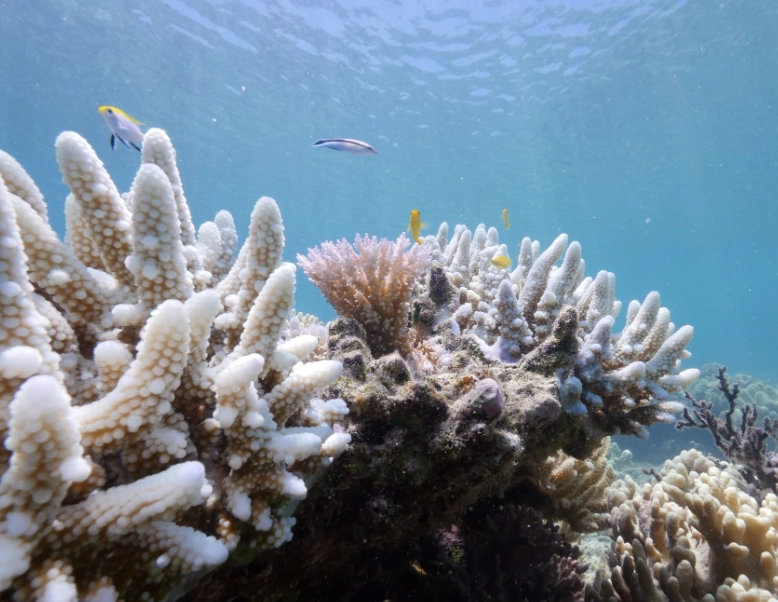
This is a subtle but crucial point. Many conservation efforts focus solely on reducing water temperatures. But if the coral is already struggling from acidification, the temperature spike becomes a knockout punch. It's not just the heat; it's the combination of stressors that pushes them over the edge.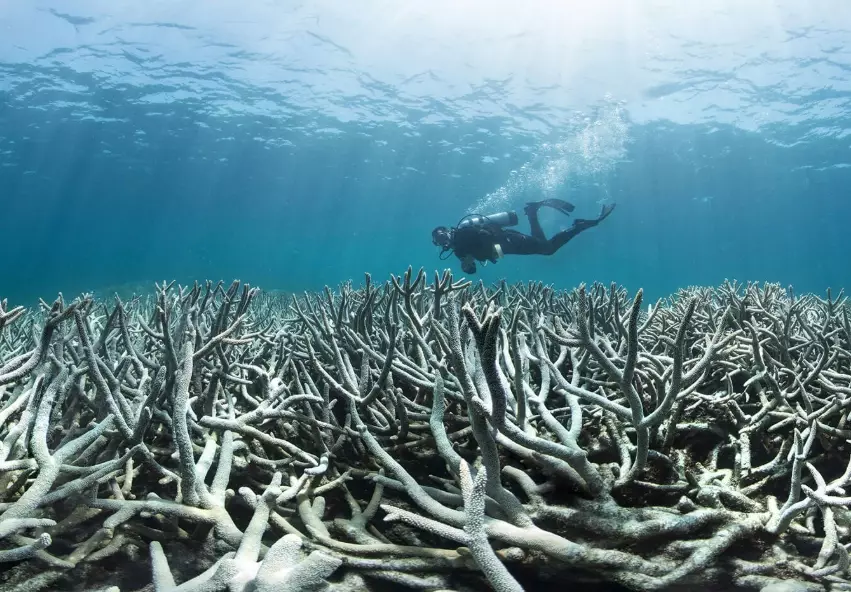
2. The Immediate Domino Effect: Food Web Collapse
Let's get one thing straight: bleached coral is not dead coral. Yet. It's in a state of severe stress. The coral animal is still there, but it's hungry, weak, and vulnerable. If the stressor persists—we're talking weeks here, not days—the coral will die.
But the immediate effect is a breakdown of the entire food web structure.
Think of it like this: the coral reef is a bustling city. The coral polyps are the architects, and the zooxanthellae are the power plants. They provide the energy that fuels the entire city. When the corals bleach, the power plants shut down. The architects are still there, but they're no longer producing energy. This means:
- The primary producers vanish: The algae are gone, so the base of the food web—the energy source for countless species—disappears.
- Herbivores starve: Fish, sea urchins, and other grazers that rely on coral for food suddenly have nothing to eat. They either leave or die.
- Predators lose their prey: With the herbivores gone, the carnivores that feed on them also face starvation.
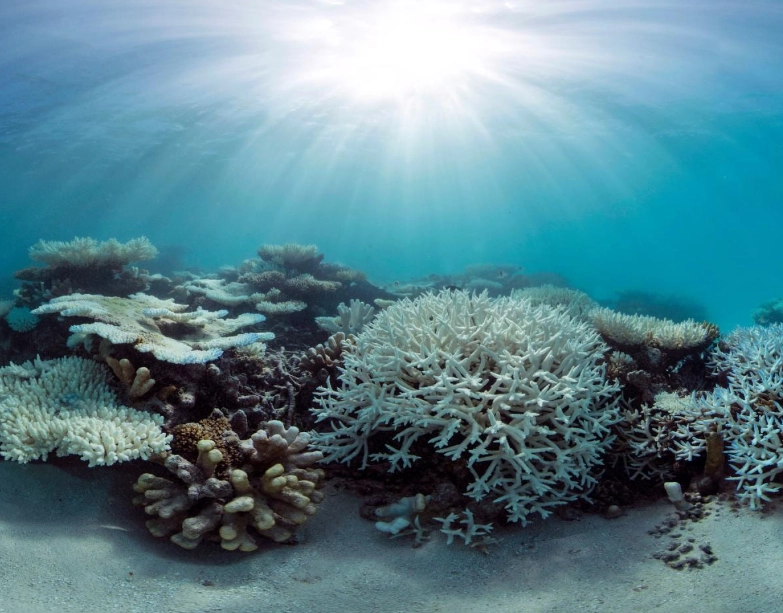
It's a domino effect that collapses the entire ecosystem. And once it starts, it's incredibly difficult to stop. The recovery time can stretch into decades, if it happens at all.
So, what happens when the coral reef food web collapses? Let's break it down:
- Loss of habitat: Countless fish and invertebrate species lose their homes, breeding grounds, and feeding stations.
- Decline in biodiversity: As species disappear, the overall variety of life in the reef plummets.
- Reduced resilience: A less diverse ecosystem is more fragile and less able to withstand shocks like disease or climate change.
This isn't just about losing a few pretty fish. It's about the entire structure that supports life in the ocean crumbling from the bottom up.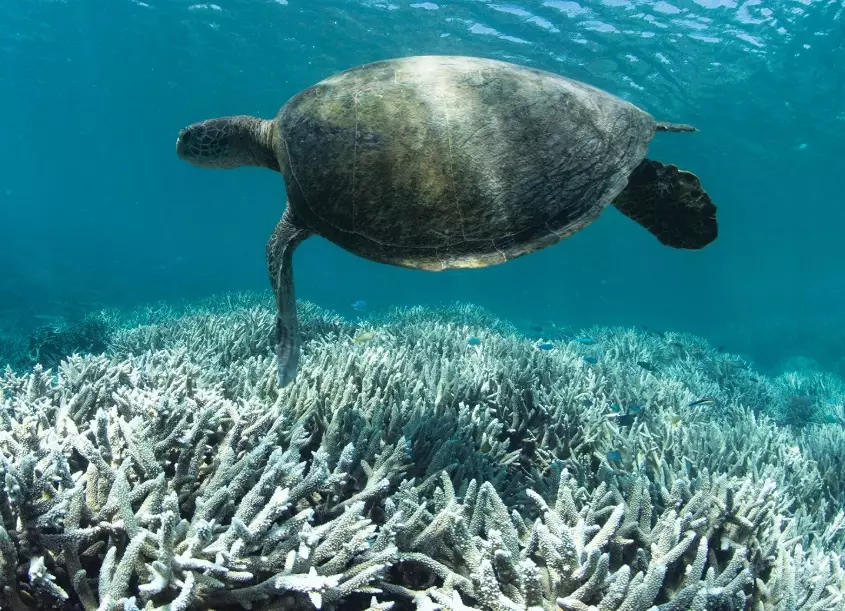
3. Long-Term Consequences: From Fish to Shorelines
The long-term impacts are even more frightening:
- Coastal erosion accelerates: Without the reef to break the waves, shorelines are exposed to increased erosion.
- Loss of tourism revenue: Many coastal communities rely on reef tourism for their livelihoods. No reef, no tourists, no income.
- Threat to human food security: Reefs support fisheries that feed millions of people. No reefs, no fish, no food.
And the consequences don't stop at the water's edge. They ripple outwards, affecting everything from local economies to global climate patterns.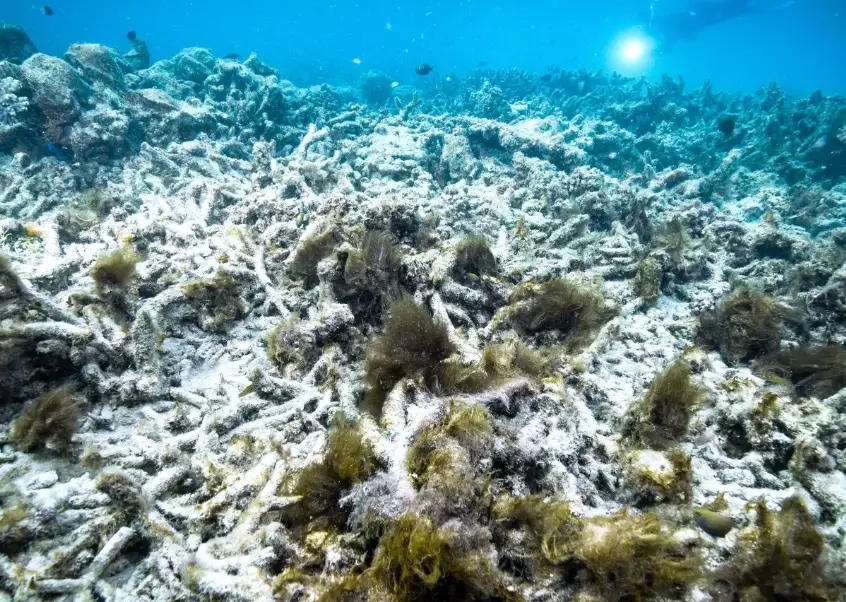
4. Conclusion: A Call to Action
So, what can we do to stop this domino effect before it's too late? The answer is simple, yet incredibly complex: we need to act now. We need to reduce our carbon footprint, protect existing reefs, and restore those that have been damaged. It's a race against time, and the stakes couldn't be higher.
But the question remains: how do we even begin to tackle a problem of this magnitude? The first step is understanding the full scope of the issue.
And that's exactly what we're going to do in this article. We're going to dive deep into the science, the impacts, and the solutions. We're going to explore the effects of coral bleaching on marine ecosystems from every angle, leaving no stone unturned.
So, if you're ready to learn more about this critical issue, keep reading. We're about to embark on a journey that could change the way you see the ocean forever.
Your comment