I remember the first time I saw a bleached coral reef. It was off the coast of Thailand, a place that used to be bursting with color. Now, it looked like a ghost town—pale, brittle, and silent. That moment stuck with me. It’s easy to read headlines about coral bleaching, but seeing it up close? That’s when it hits home. So, let’s cut to the chase: why is coral bleaching happening? It’s not just one thing; it’s a perfect storm of factors, with climate change holding the megaphone.
What You'll Find in This Guide
What Coral Bleaching Actually Means (It's Not Death)
First off, bleaching isn't immediate death. Corals are animals—tiny polyps that live in colonies. They have a symbiotic relationship with algae called zooxanthellae. These algae live inside the coral's tissues, give them their vibrant colors, and through photosynthesis, provide up to 90% of the coral's energy. Think of the algae as the coral's solar panels and food factory combined.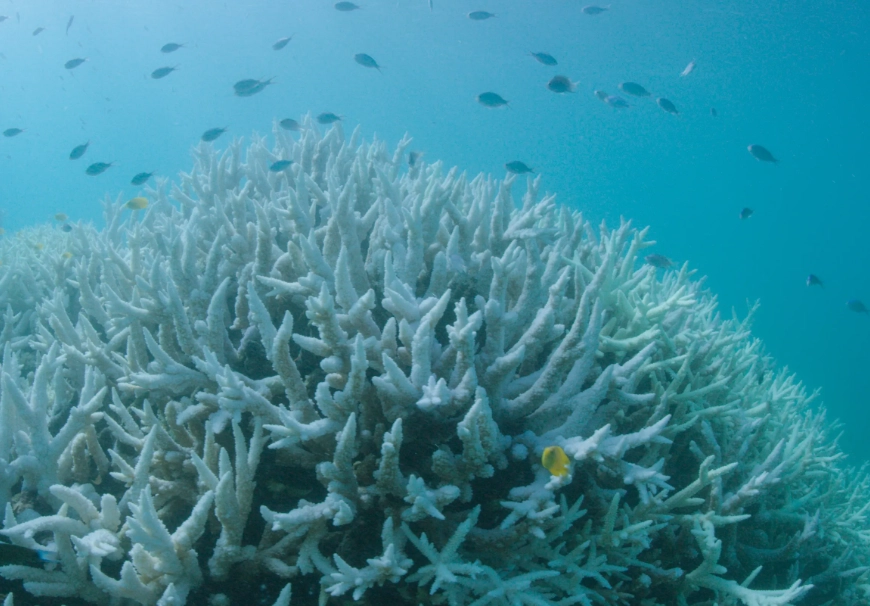
When corals get stressed, usually by high water temperatures, they kick out these algae. Without the algae, the coral's white skeleton shows through—that's the bleaching. The coral is still alive, but it's starving. If the stress goes away quickly, the algae can return. If not, the coral dies. It's a desperate survival move that often backfires.
I've heard divers say, "Oh, it's just a natural cycle." Sure, bleaching can happen naturally during extreme weather. But the scale and frequency we're seeing now? That's not natural. It's like comparing a campfire to a forest inferno.
The Main Drivers: From Heat Stress to Pollution
So, what stresses corals out enough to cause bleaching? Let's break it down. It's a mix of global and local factors, but one towers over the rest.
Rising Sea Temperatures: The Big One
This is the trigger for most bleaching events. Corals thrive in a narrow temperature range. When sea surface temperatures rise just 1-2 degrees Celsius above the summer average for several weeks, bleaching kicks in. According to the National Oceanic and Atmospheric Administration (NOAA), marine heatwaves are becoming more common and intense due to climate change. The coral's metabolism goes haywire, producing toxins, and it expels the algae to survive. Problem is, without the algae, survival is slim.
In 2016, the Great Barrier Reef experienced its worst bleaching event on record, with over 90% of reefs affected. Water temperatures were off the charts. I spoke to a researcher there who said some areas saw temperatures 3 degrees above normal for months. The reef didn't stand a chance.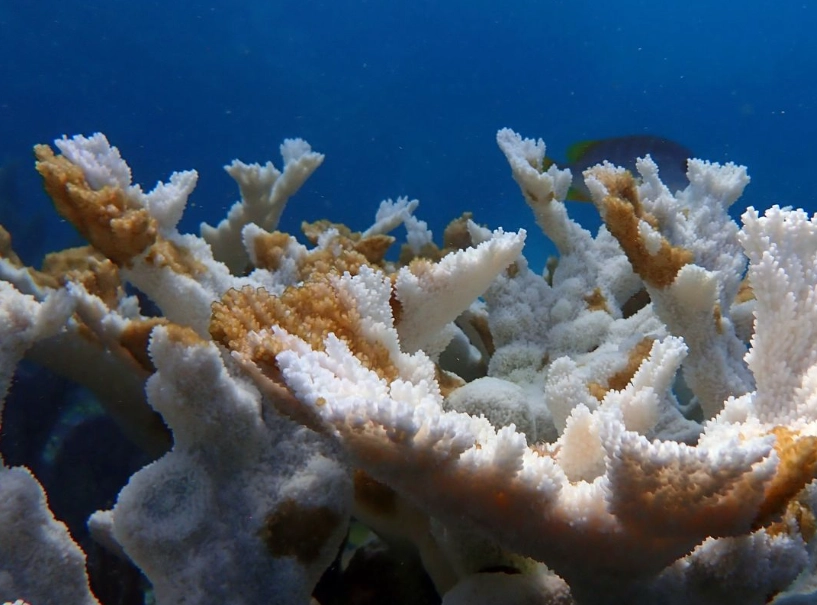
Ocean Acidification: The Silent Partner
While heat gets the headlines, acidification is the slow burn. As the ocean absorbs more carbon dioxide from the atmosphere, the water becomes more acidic. This makes it harder for corals to build their calcium carbonate skeletons. They become weaker, more brittle, and less able to withstand other stresses like storms or disease. It's like osteoporosis for reefs. The Intergovernmental Panel on Climate Change (IPCC) reports that ocean acidification has increased by about 30% since the Industrial Revolution. Corals are literally dissolving in some places.
Local Stressors: Pollution, Runoff, and Overfishing
These are the factors we have more direct control over, but they often get overlooked. Nutrient runoff from agriculture (fertilizers) and sewage can cause algal blooms that smother corals. Sediment from coastal development clouds the water, blocking sunlight the algae need. Overfishing removes key species that keep reefs healthy, like parrotfish that eat algae off corals.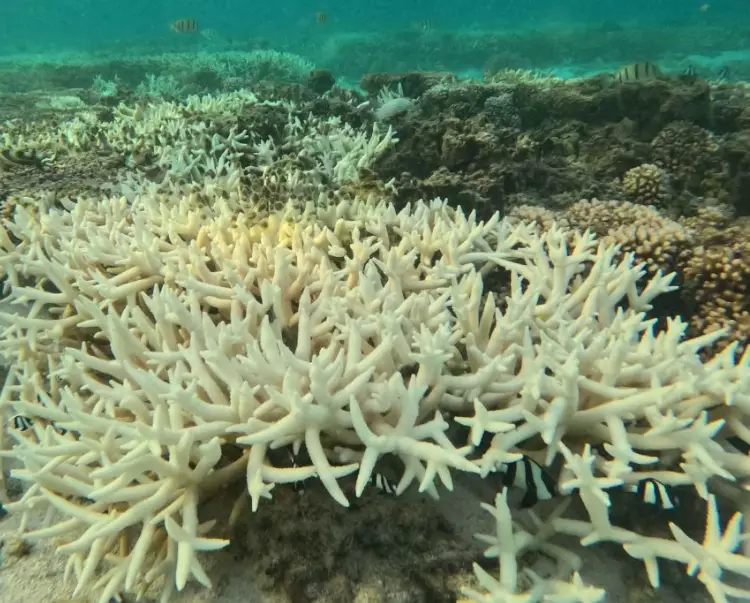
Here's a table summarizing the key stressors:
| Stress Factor | How It Causes Bleaching | Scale of Impact |
|---|---|---|
| Rising Sea Temperatures | Triggers coral to expel zooxanthellae due to heat stress. | Global, primary driver |
| Ocean Acidification | Weakens coral skeletons, reducing resilience. | Global, long-term |
| Pollution & Runoff | Increases nutrients, leading to algal overgrowth and disease. | Local, but widespread |
| Physical Damage | From anchors, tourism, or storms; stresses corals directly. | Local, manageable |
I've dived in places where local pollution was the obvious culprit. In Southeast Asia, some reefs near populated islands are choked with plastic and murky water. Even if the temperature is okay, these reefs bleach because they're already sick. It's death by a thousand cuts.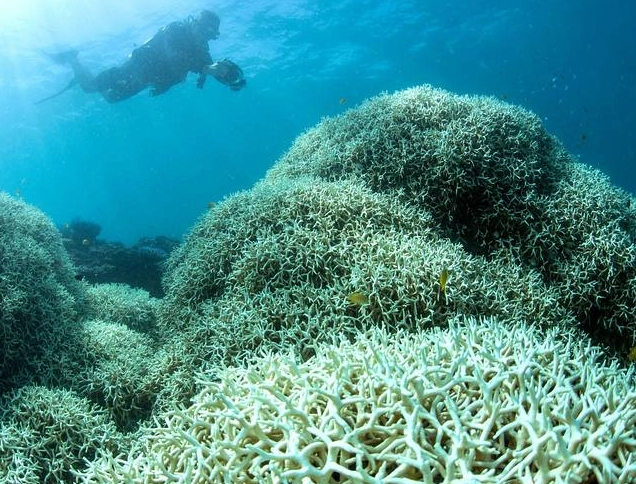
How Climate Change Turns Up the Heat
Climate change isn't just about warmer water; it's about making everything worse. It intensifies El Niño events, which bring prolonged warm periods to the Pacific. It increases the frequency and severity of storms that physically damage reefs. It alters ocean currents, affecting nutrient distribution.
One subtle point: climate change reduces the recovery time between bleaching events. Corals need years to bounce back. But with back-to-back events, like on the Great Barrier Reef in 2016 and 2017, they never get the chance. I've seen reefs that were starting to recover get hit again—it's heartbreaking. The IPCC's Special Report on the Ocean and Cryosphere highlights that if global warming hits 2 degrees Celsius, we could lose over 99% of coral reefs. We're at 1.2 degrees already.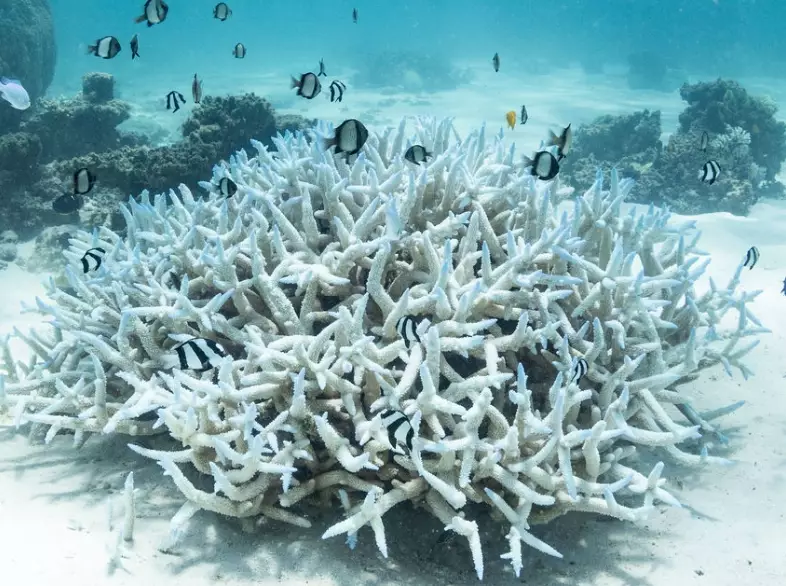
Personal Take: I used to think local conservation was enough. Clean up the beach, reduce plastic, and reefs will be fine. But after diving for over a decade, I realize that's like mopping the floor while the roof is on fire. Without addressing climate change, local efforts are just delaying the inevitable. We need both, but the big fight is in reducing carbon emissions.
Real-World Cases: When Bleaching Hits Home
Let's look at two examples to make this concrete.
The Great Barrier Reef, Australia: The world's largest reef system has bleached massively in 1998, 2002, 2016, 2017, and 2020. The 2016 event alone killed about 30% of shallow-water corals. Scientists from the Australian Institute of Marine Science have documented that northern sections lost over 50% of their coral cover. Why? Record-breaking sea temperatures, compounded by crown-of-thorns starfish outbreaks (linked to nutrient runoff). Recovery is patchy; some areas are resilient, others are gone for good.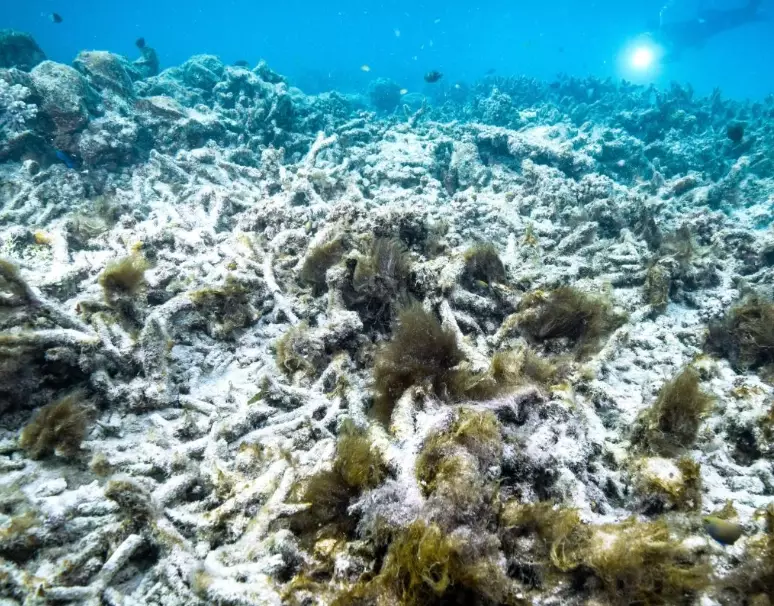
The Caribbean Reefs: Here, bleaching is often tied to local stressors plus heat. In the Florida Keys, I've seen reefs suffer from sewage pollution and overfishing. When a heatwave hits, these already-stressed reefs bleach faster and die more quickly. A study published in the journal Science showed that Caribbean coral cover has declined by over 80% since the 1970s, with bleaching being a major cause. The loss of key fish species has made it worse—no one's around to clean the reefs.
These aren't isolated incidents. NOAA's Coral Reef Watch shows bleaching alerts across the tropics almost every year now. It's becoming the new normal, and that's terrifying.
What We Can Do: Actions That Actually Matter
It's easy to feel helpless, but there are steps we can take. I've divided them into personal actions and bigger-picture moves.
- For Divers and Travelers: Choose eco-friendly operators who follow guidelines like not anchoring on reefs. Use reef-safe sunscreen (mineral-based, without oxybenzone). Practice good buoyancy—touching coral can damage it and spread disease. Support marine protected areas by visiting and donating.
- For Everyone: Reduce your carbon footprint. This is the big one. Drive less, eat less meat, switch to renewable energy if possible. Vote for leaders who prioritize climate action. Support organizations like The Ocean Foundation or Coral Restoration Foundation.
- For Local Communities: Reduce fertilizer use to prevent runoff. Improve wastewater treatment. Establish no-fishing zones to let reefs recover. I've worked with groups in the Philippines that do community-based monitoring—it makes a difference.
Restoration projects, like coral gardening or artificial reefs, can help, but they're triage. They won't work if the ocean keeps warming. We need systemic change.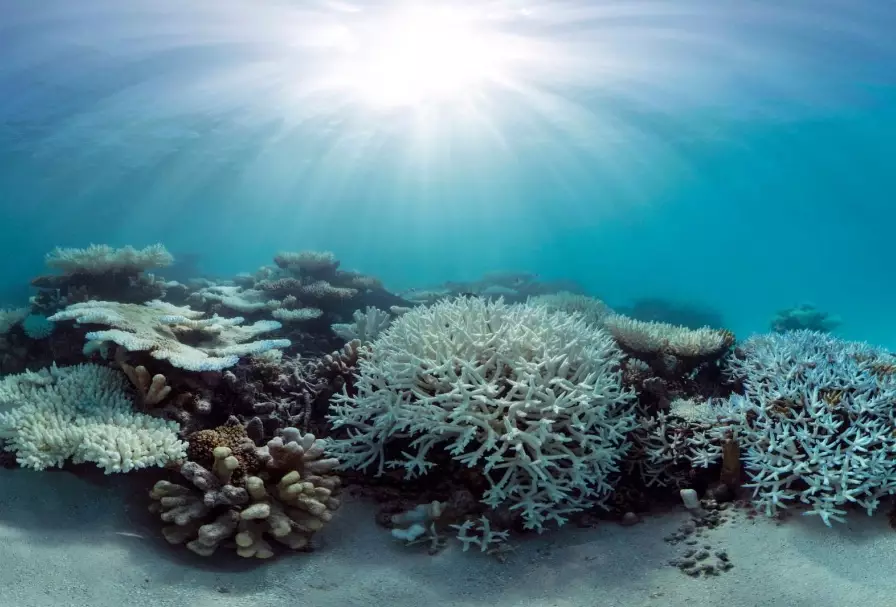
One thing I've learned: don't underestimate the power of spreading the word. When I post photos of bleached reefs on social media, people pay attention. It sparks conversations. That's how change starts.
Your Burning Questions Answered
We're at a crossroads. Coral reefs support 25% of marine life, protect coastlines, and sustain economies. Let's not lose them. Start with one action today—maybe share this article or look up your local coral conservation group. Every bit helps.
Your comment