What You'll Learn
Coral bleaching isn't just a colorful term—it's a silent killer that's dismantling ocean ecosystems at an alarming rate. If you've ever wondered why scientists are so worried about those pale, ghostly corals, the answer lies in the domino effect it triggers across the environment. From personal diving trips in Southeast Asia, I've seen vibrant reefs turn into graveyards within years, and the consequences stretch far beyond the water's edge. This article dives deep into why coral bleaching is disastrous for our planet, breaking down the science, the real-world impacts, and what we can do about it.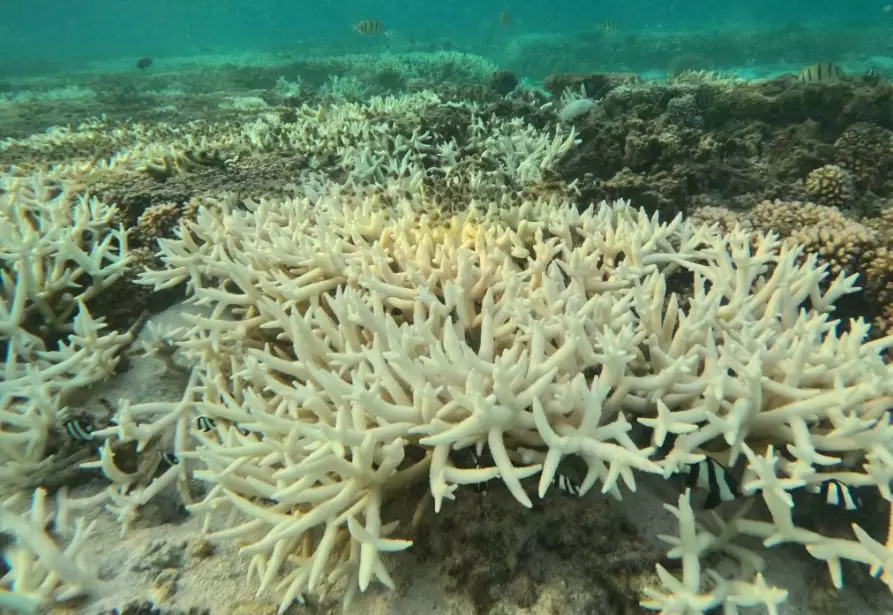
What Exactly Is Coral Bleaching?
At its core, coral bleaching is a stress response. Corals are animals that host tiny algae called zooxanthellae in their tissues. These algae provide food through photosynthesis and give corals their brilliant colors. When corals get stressed—usually by warmer water temperatures—they expel the algae. Without them, the coral turns white and slowly starves.
But here's a nuance many miss: bleaching doesn't always mean immediate death. Corals can recover if conditions improve quickly. However, in today's climate, stressors are often prolonged. I recall a dive off the coast of Thailand where a reef had bleached after a sudden temperature spike. Locals told me it partly bounced back after a monsoon cooled things down, but repeated heatwaves left it permanently damaged.
The Symbiotic Relationship Between Coral and Algae
Think of it as a roommate agreement gone wrong. The coral offers shelter; the algae provides food. When water heats up, the algae produce toxins, and the coral kicks them out to survive short-term. But without this partnership, the coral's energy reserves drain fast.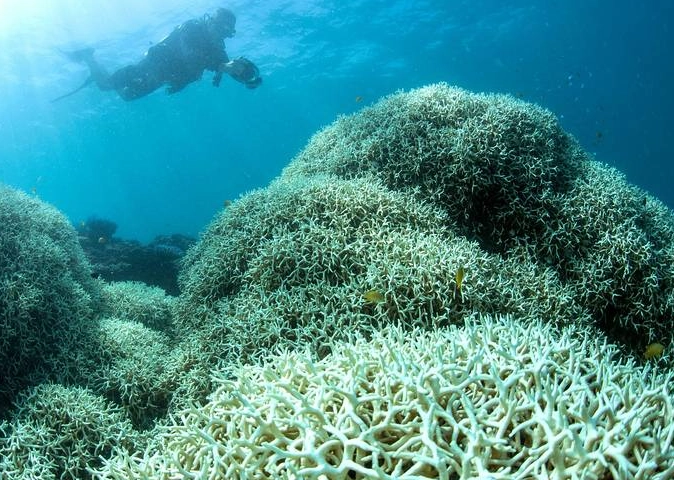
Triggers of Coral Bleaching: Heat Stress and Beyond
While ocean warming is the big culprit, other factors pile on. Pollution from farm runoff can cloud water, blocking sunlight and stressing corals. Even sunscreen chemicals like oxybenzone can trigger bleaching in high concentrations. A study by the National Oceanic and Atmospheric Administration (NOAA) highlights that combined stressors—like warm water plus nutrient pollution—make reefs more vulnerable.
From my experience, the most heartbreaking bleaches happen in shallow reefs near tourist hotspots. Too many boats, too much sunscreen, and rising temperatures create a perfect storm. It's not just about climate change; it's about local mismanagement too.
The Chain Reaction: How Bleaching Rips Apart Marine Ecosystems
Coral reefs are often called the rainforests of the sea, and for good reason. They cover less than 1% of the ocean floor but support about 25% of all marine species. When bleaching wipes out corals, the entire ecosystem unravels.
Let's start with fish. Reefs provide nooks and crannies for fish to hide from predators, breed, and feed. Bleached corals lose their structure, becoming smooth and barren. Fish populations plummet. I've seen this firsthand in the Great Barrier Reef, where areas hit by mass bleaching in 2016 saw a drop in fish diversity by up to 60%. Species like clownfish and parrotfish struggle to find homes.
Then there's the food web. Corals are primary producers in a way, thanks to their algae. Their loss means less food for herbivorous fish, which then affects larger predators. Invertebrates like crabs and shrimp also decline, disrupting nutrient cycles.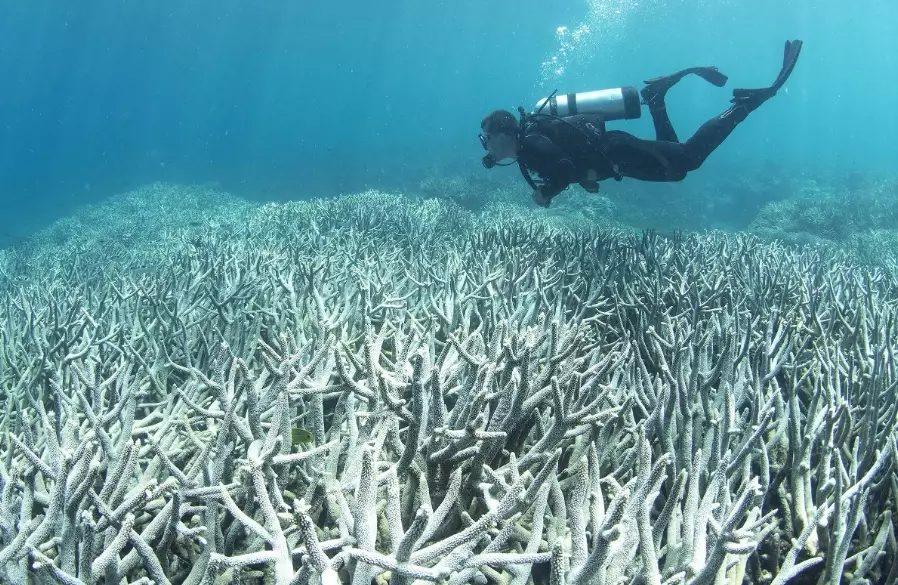
| Ecosystem Component | Impact of Coral Bleaching | Example Species Affected |
|---|---|---|
| Fish Habitat | Loss of shelter and breeding grounds | Clownfish, Grouper |
| Biodiversity | Reduced species richness and abundance | Parrotfish, Butterflyfish |
| Coastal Protection | Weakened reef structure increases erosion | Mangroves, Seagrasses |
| Fisheries | Decline in catch volumes and economic loss | Snapper, Lobster |
Beyond fish, other organisms suffer. Sea turtles lose foraging grounds, and marine mammals like dolphins face disrupted food chains. The irony? Some people think bleaching only affects corals, but it's a whole-system collapse.
Beyond the Reef: Coral Bleaching's Threat to Human Societies
This isn't just an ocean problem—it's a human problem. Coastal communities rely on reefs for food, income, and protection. When reefs die, the ripple effects hit hard.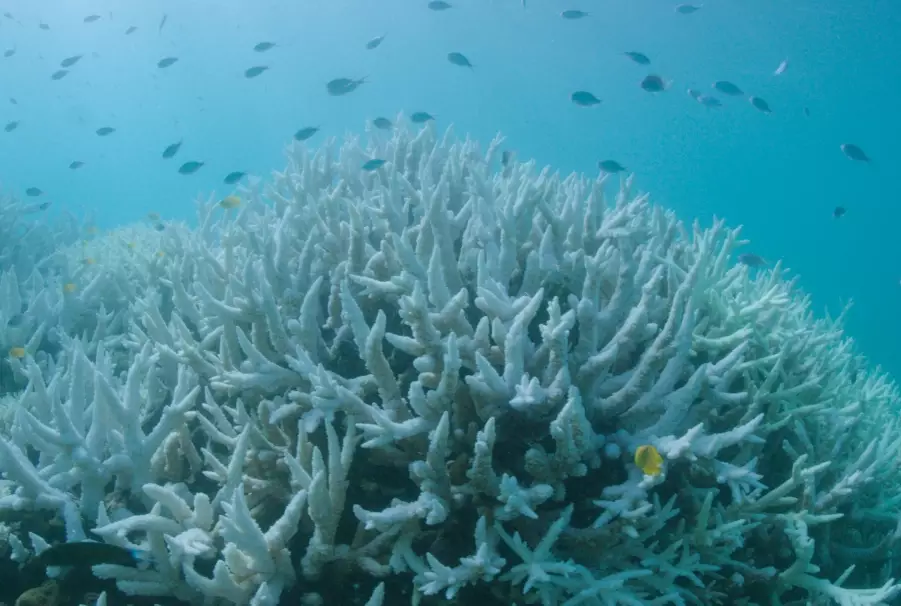
Take fisheries. In places like the Coral Triangle in Southeast Asia, millions depend on reef fish for protein and livelihood. Bleaching events have led to reduced catches, pushing fishers further out to sea or into poverty. I've spoken to fishers in Indonesia who say their daily hauls have halved after local bleaching.
Tourism takes a hit too. Reef-based tourism generates billions globally. When corals bleach, dive sites lose their appeal. In the Caribbean, some resorts have seen bookings drop after bleaching events, impacting local economies. It's a vicious cycle: fewer tourists mean less money for conservation.
Then there's coastal protection. Reefs act as natural breakwaters, reducing wave energy by up to 97%. Without them, shorelines erode faster, exposing communities to storms and sea-level rise. After bleaching damaged reefs in Florida, some coastal areas reported increased flooding during hurricanes.
The cultural loss is often overlooked. For indigenous communities, reefs are sacred and integral to traditions. When they degrade, part of their heritage fades too.
Is There Any Hope? The Fight Against Coral Bleaching
Despite the gloom, there's action on multiple fronts. Science and community efforts are paving ways for resilience.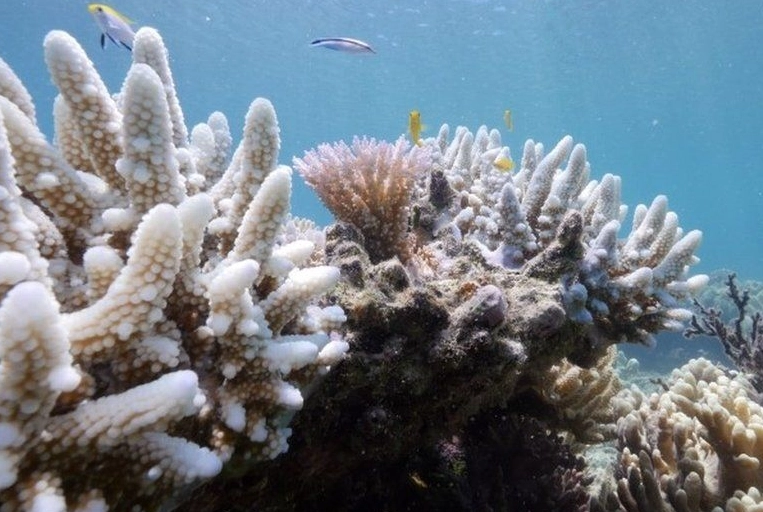
One approach is coral restoration. Projects like coral gardening—where fragments are grown in nurseries and transplanted—show promise. I've volunteered with a group in the Philippines that's restored small patches, though it's labor-intensive and costly. The key is selecting heat-resistant coral strains, which researchers are breeding in labs.
Marine protected areas (MPAs) help by reducing local stressors like overfishing and pollution. Data from NOAA indicates that well-managed MPAs can boost reef recovery rates. But they need enforcement; paper parks don't cut it.
On the policy side, cutting carbon emissions is non-negotiable. The Paris Agreement targets are crucial, but individual countries must also regulate coastal development and runoff. Some places, like Hawaii, have banned reef-harming sunscreens—a small but meaningful step.
What can you do? Start with your carbon footprint. Choose sustainable seafood, avoid single-use plastics, and support conservation NGOs. When traveling, pick eco-friendly operators who follow reef-safe practices. Every bit counts, but let's be real: systemic change is what'll turn the tide.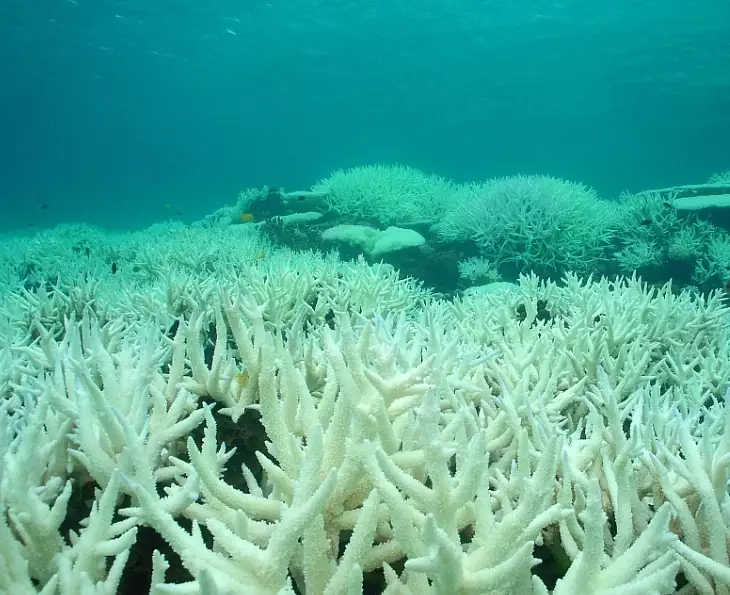
Your Questions Answered: Coral Bleaching FAQ
Wrapping up, coral bleaching is bad for the environment because it triggers a cascade of failures—from biodiversity loss to human hardship. It's not just about pretty corals fading; it's about the stability of our oceans and coasts. The good news? We understand the problem, and solutions exist. But they demand urgency and collective action. Next time you hear about bleaching, remember it's a symptom of a larger imbalance, one we can address if we choose to act now.
Your comment