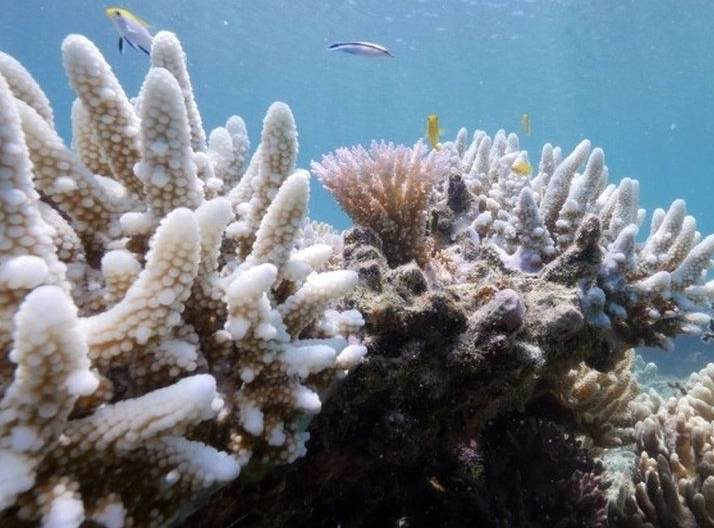
You've seen the photos. Stunning underwater landscapes turned into fields of white skeletons. Coral bleaching looks like an environmental tragedy, and it is. But here's the part we often miss: it's a human tragedy with a direct line to our dinner plates, our safety, and our wallets. Thinking of it as just a "fish problem" is a mistake. The truth is, when corals bleach and die, the ripple effects hit us where we live.
I remember diving in a region a few years after a major bleaching event. The guide pointed to a vast, flat plain of rubble. "This used to be a thriving reef wall," he said. "Now the fish are mostly gone, and the waves come right into the village." That connection—dead coral to a vulnerable coastline—stuck with me. It's personal.
What You'll Learn in This Guide
The Direct Economic Hit: From Tourism Crashes to Empty Nets
Let's talk money first, because it's the impact you can feel in your community and on your vacations.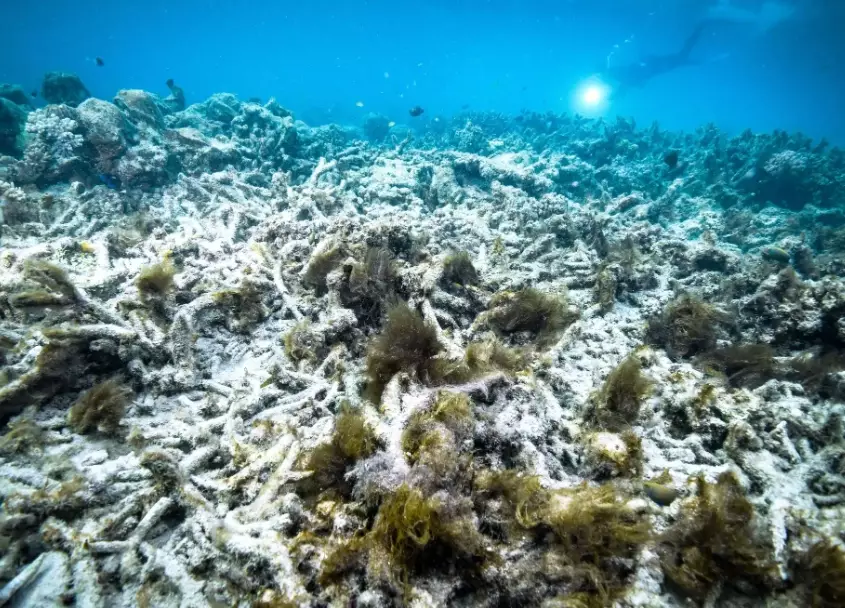
Tourism Takes a Nosedive
Imagine planning a dream dive trip to, say, the Great Barrier Reef. You pay for flights, hotels, and expensive boat charters. You get in the water and see... a pale, ghostly landscape with little movement. You feel disappointed, maybe even cheated. You won't return, and you'll probably tell your friends.
This isn't hypothetical. After the severe back-to-back bleaching events on the Great Barrier Reef in 2016 and 2017, a study by the Great Barrier Reef Marine Park Authority and tourism bodies reported significant concerns from operators. While some areas remain resilient, others saw a drop in bookings. The reputation damage alone is a multi-million dollar threat. Reef-based tourism is a pillar for dozens of countries, supporting hotels, restaurants, dive shops, and guides. When the main attraction sickens, the entire local economy coughs.
A Quick Reality Check: Not every bleached coral dies. Some can recover if water temperatures drop and stressors are removed. But recovery takes years, sometimes decades. For a tourism business operating season to season, even a temporary loss of color and marine life can be devastating.
Your Seafood Dinner Gets More Expensive (or Disappears)
This is the most direct link to your life. Coral reefs are often called the "rainforests of the sea" because they house about 25% of all marine species. They are nurseries.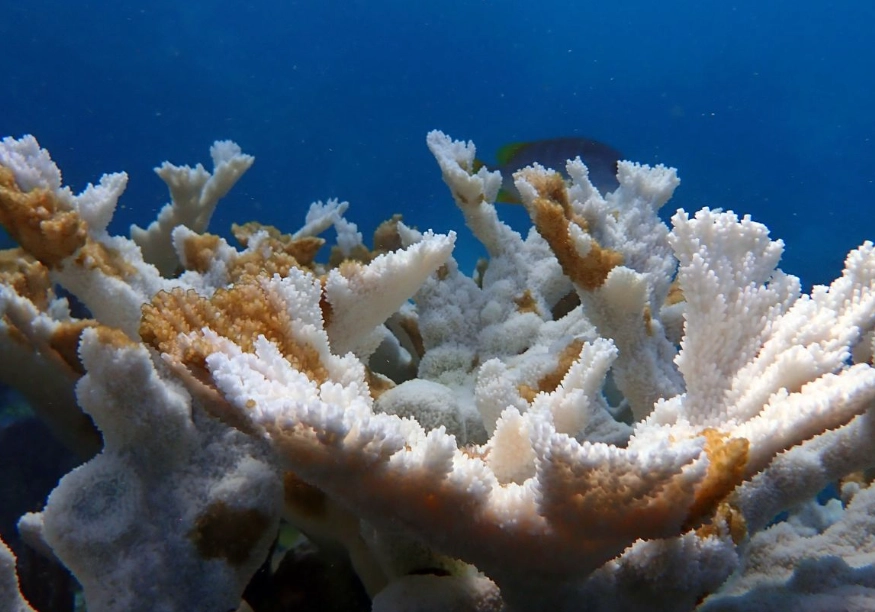
Countless commercially important fish species—like snapper, grouper, and lobster—spend their juvenile stages hiding in the complex structure of a healthy reef. No reef means no safe place to grow up. The adult population plummets.
The result? Fisheries collapse. According to reports from the Food and Agriculture Organization of the UN, small-scale fisheries that depend on reefs are acutely vulnerable. This isn't just about the price of fish fingers at a supermarket in a landlocked country. It's about food security for hundreds of millions of people in coastal communities from the Philippines to the Caribbean, for whom reef fish are a primary source of protein.
When the catch declines, prices soar, and local people go hungry. It's a quiet, ongoing crisis driven by a warming ocean.
Your Lost Coastal Defense: How Bleaching Weakens Shorelines
This is the impact most people never think about until a storm hits. A healthy coral reef isn't just pretty; it's a brilliant, living seawall.
Here’s how it works: The complex, rough surface of a reef acts as a natural breakwater. It absorbs and dissipates the energy of waves—up to 97% of their force—before they reach the shore. This dramatically reduces coastal erosion and buffers the impact of storms, hurricanes, and tsunamis.
Now, picture that reef after a severe bleaching event. The corals die. Over time, the skeleton erodes. The complex 3D structure collapses into flat rubble. The rough surface becomes smooth.
The result? Waves now travel unimpeded. They hit the coastline with full force. Beaches wash away faster. Properties and infrastructure built near the shore become far more vulnerable to flooding and damage. The The Nature Conservancy has done extensive work valuing this "coastal defense" service, estimating it's worth billions of dollars globally. We're literally dismantling our first line of climate defense.
In places like the Maldives or low-lying Pacific islands, this isn't just about property value; it's about national survival. Losing their reefs means losing the vital barrier that keeps their homes above water.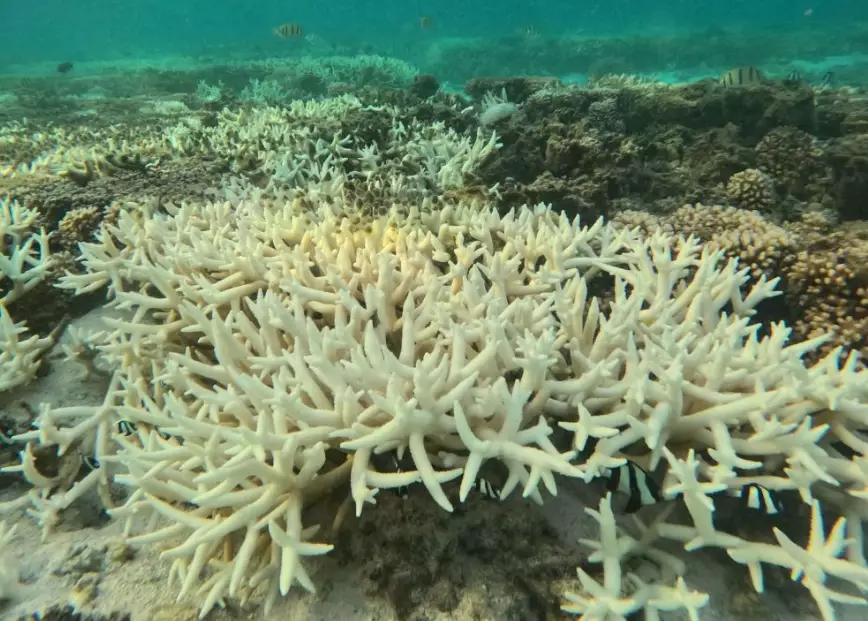
Beyond Money: The Cultural and Medical Loss We Can't Quantify
The economic and protective values are huge, but the loss goes deeper.
A Cultural Heartbeat Fades
For many Indigenous and coastal communities, the reef is not a resource; it's part of their identity, spirituality, and history. It's where ancestors fished, where stories originated, and where traditions are passed down. The bleaching and death of a reef represent a severing of that cultural lineage. It's a form of non-material poverty that's hard to measure but profoundly felt.
The Pharmacy of the Future Closes Its Doors
This one blows my mind. Coral reef organisms are a treasure trove for biomedical research. Their unique chemical compounds, evolved for survival in a competitive environment, have led to breakthroughs.
- Medicines derived from reef sponges and corals are used in treatments for cancer, HIV, and arthritis.
- The structure of coral is being studied for bone graft substitutes.
- Suncreens have been inspired by the natural UV protection of some reef organisms.
We are burning the library of potential cures before we've even read most of the books. Each species lost to bleaching is a potential medical breakthrough that may never happen.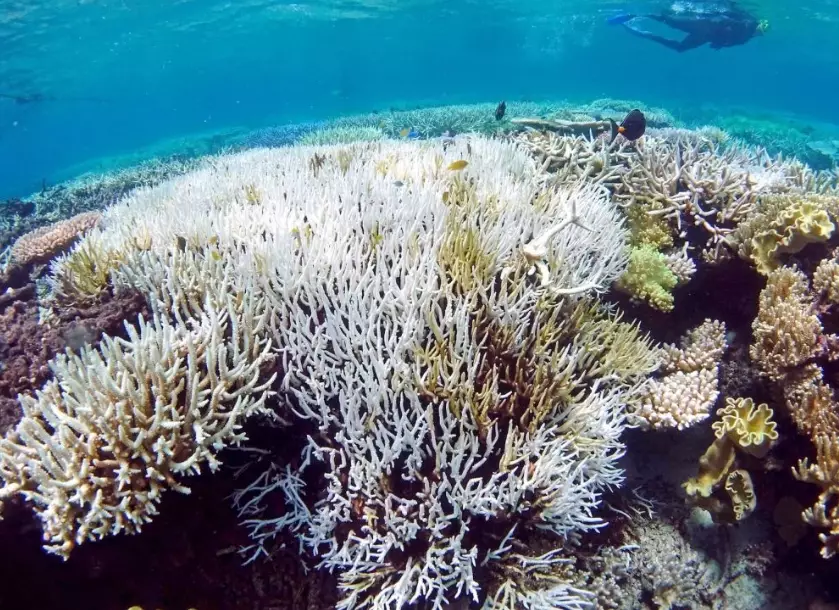
What You Can Actually Do About It
Feeling overwhelmed is normal. The problem is global and complex. But action isn't futile. It's about choosing the right leverage points.
Think Global, Act Global (and Local): The number one cause of mass bleaching is climate change—specifically, ocean warming. So, the most impactful thing you can do is reduce your carbon footprint and advocate for systemic change. Support renewable energy, vote for climate-conscious leaders, and consider the carbon cost of your lifestyle. This is the big, non-negotiable fight.
Be a Conscious Tourist: If you visit a reef, choose operators with genuine eco-certifications. Ask how they minimize impact (e.g., no anchor drops on coral, briefings on no-touch policies). Use mineral-based, reef-safe sunscreen. Your tourism dollars should support those protecting the resource.
Support the Right Organizations: Donate to or volunteer with groups doing on-the-ground reef restoration and science-based advocacy, like the Coral Reef Alliance or local marine conservation societies. They're in the trenches.
The story of coral bleaching isn't just a nature documentary. It's a report on the health of our own life support system. We built our coastal societies in the lee of these natural wonders for a reason. Letting them die isn't an option if we want a secure, prosperous, and culturally rich future.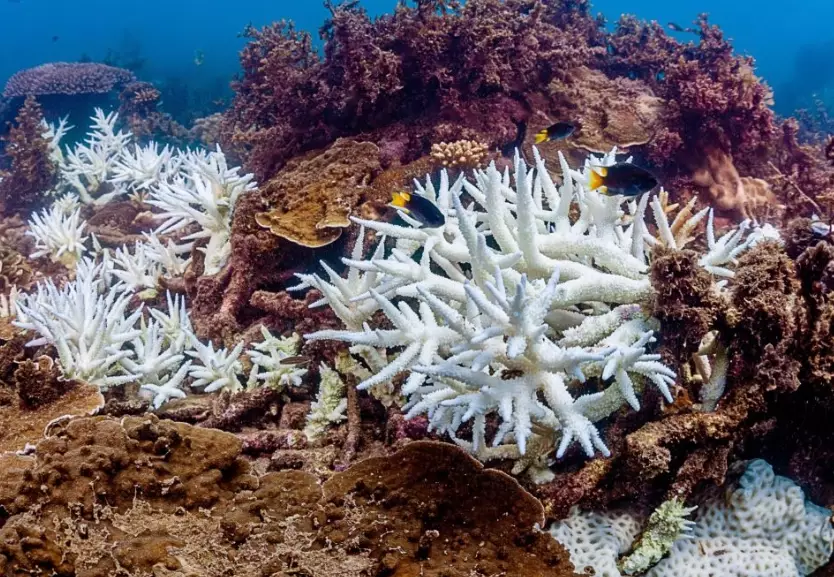
Your Questions, Answered
How does coral bleaching directly affect the price of the fish I eat?
Can coral bleaching really make coastal storms and erosion worse where I live?
As a scuba diver planning a trip, how can I tell if a reef is bleached or recovering?
What's one simple, high-impact action I can take to help reduce coral bleaching?
Your comment