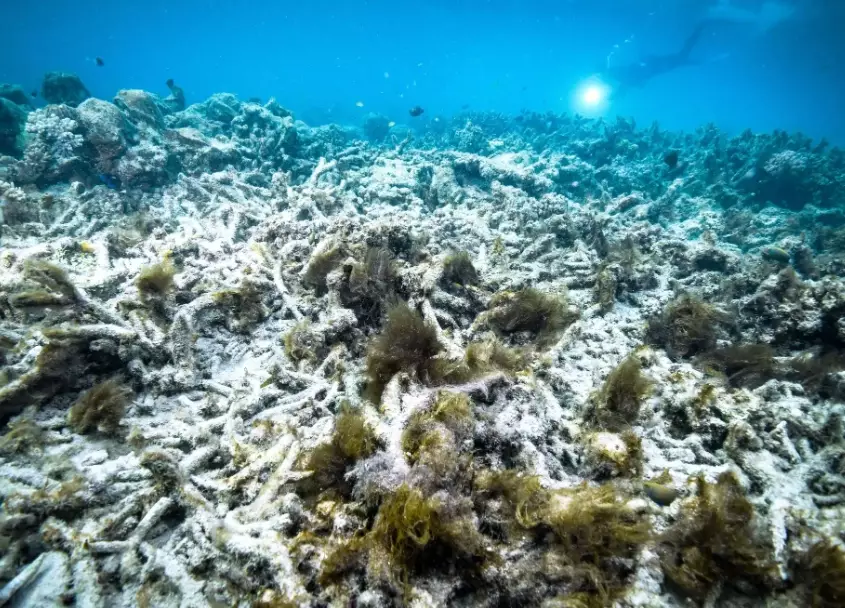
I was diving off the coast of Florida a few years ago, and the scene was heartbreaking. Corals that once shimmered with life looked like bleached bones—white, brittle, and silent. That's when it hit me: coral bleaching isn't just an environmental issue; it's a ticking time bomb for everything from fish stocks to our own livelihoods. Let's cut to the chase. Coral bleaching happens when stressed corals expel the algae that give them color and energy, turning them white. If it lasts, they starve and die. But why should you care? Because the ocean's health is directly tied to ours, and bleaching rips apart that connection.
What You'll Learn in This Guide
- What Exactly is Coral Bleaching?
- How Bleaching Wipes Out Marine Biodiversity
- The Economic Fallout: Fisheries and Tourism
- Loss of Coastal Protection: A Hidden Danger
- Real-World Case Studies: From the Great Barrier Reef to the Caribbean
- What Can We Do? Practical Solutions and Hope
- Your Burning Questions Answered
What Exactly is Coral Bleaching?
Think of corals as tiny animals that build reefs by hosting algae called zooxanthellae. These algae are like roommates that pay rent through photosynthesis, providing corals with up to 90% of their energy. When water temperatures rise just 1-2°C above normal—often due to climate change—corals get stressed and kick out the algae. That's bleaching. Without algae, corals lose their color and food source. They can survive for a few weeks, but prolonged stress leads to death. It's not just about heat; pollution, overfishing, and acidification add fuel to the fire. The National Oceanic and Atmospheric Administration (NOAA) tracks bleaching events globally, and the trends are alarming. Since the 1980s, mass bleaching has become more frequent and severe.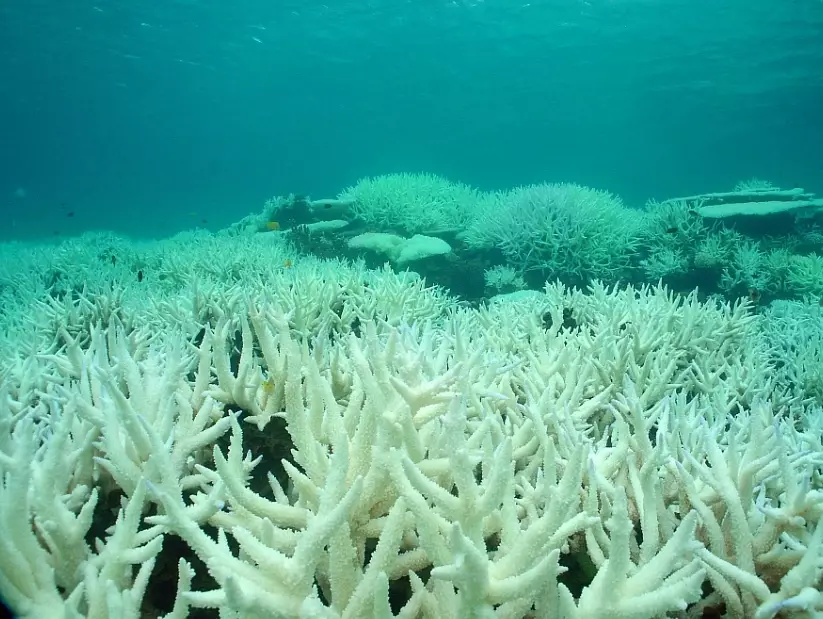
Here's a subtle point many miss: bleaching isn't uniform. Some coral species are more resilient, like certain types in the Red Sea that tolerate higher temperatures. But most reefs, especially in tropical areas, are highly vulnerable. I've seen dive operators downplay bleaching as a natural cycle, but the scale today is anything but natural. Human activities have turned a rare event into a chronic crisis.
How Bleaching Wipes Out Marine Biodiversity
Coral reefs are often called the "rainforests of the sea" for a reason. They cover less than 1% of the ocean floor but support around 25% of all marine species. When bleaching kills corals, the entire ecosystem unravels. Let's break it down.
Fish Populations Crash
Reefs provide food, shelter, and breeding grounds for countless fish. Parrotfish, angelfish, clownfish—you name it. After a bleaching event, fish diversity can drop by 50% or more. I spoke with researchers in the Philippines who documented a sharp decline in juvenile fish after a 2016 bleaching episode. Without corals, fish have nowhere to hide from predators or spawn. It's a domino effect: fewer fish mean less food for larger predators like sharks, disrupting the food web.
Invertebrates and Microorganisms Suffer
It's not just fish. Crabs, shrimp, and sea urchins rely on reefs too. For instance, some sea urchins graze on algae that can overgrow dead corals, but if bleaching is widespread, even they struggle. Microorganisms that recycle nutrients in the water column also decline, reducing overall ocean productivity. A study from the University of Queensland highlighted how bleaching reduces the complexity of reef structures, making them less hospitable for tiny creatures. Once the structure goes, everything else follows.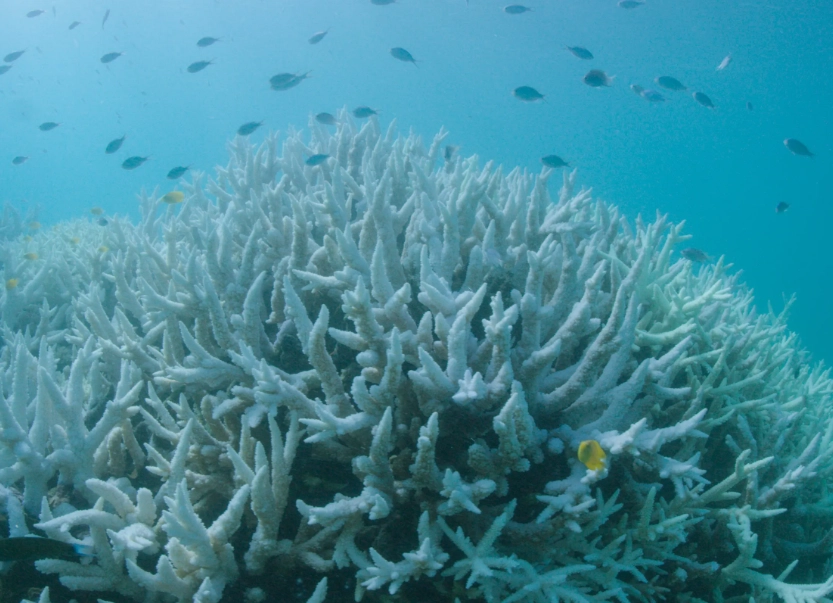
Key Insight: Biodiversity loss from bleaching isn't just about species counts; it's about functional roles. When key species like herbivorous fish disappear, algae take over, preventing coral recovery and creating a feedback loop of degradation.
The Economic Fallout: Fisheries and Tourism
If you think coral bleaching is an abstract environmental problem, think again. It hits wallets and dinner tables hard. Coral reefs contribute an estimated $375 billion annually to the global economy through fisheries, tourism, and coastal protection. Bleaching undermines all that.
Take fisheries. Reefs are nurseries for many commercially valuable fish. In the Coral Triangle—spanning Indonesia, Malaysia, and the Philippines—over 100 million people depend on reef-based fisheries for food and income. After the 2015-2016 global bleaching event, catches of snapper and grouper fell by up to 40% in some areas. Fishers I met in Bali had to travel farther out to sea, increasing costs and risks. For coastal communities, this isn't just an inconvenience; it's a threat to survival.
Tourism takes a hit too. Dive tourism in places like the Great Barrier Reef or the Maldives generates billions. But when reefs bleach, tourists stay away. A report from the Australian Institute of Marine Science noted a 30% drop in visitor numbers to parts of the Great Barrier Reef after severe bleaching. Dive shops lose business, hotels empty out, and local economies shrink. I've seen resorts invest in artificial reefs to attract divers, but it's a band-aid solution if natural reefs keep dying.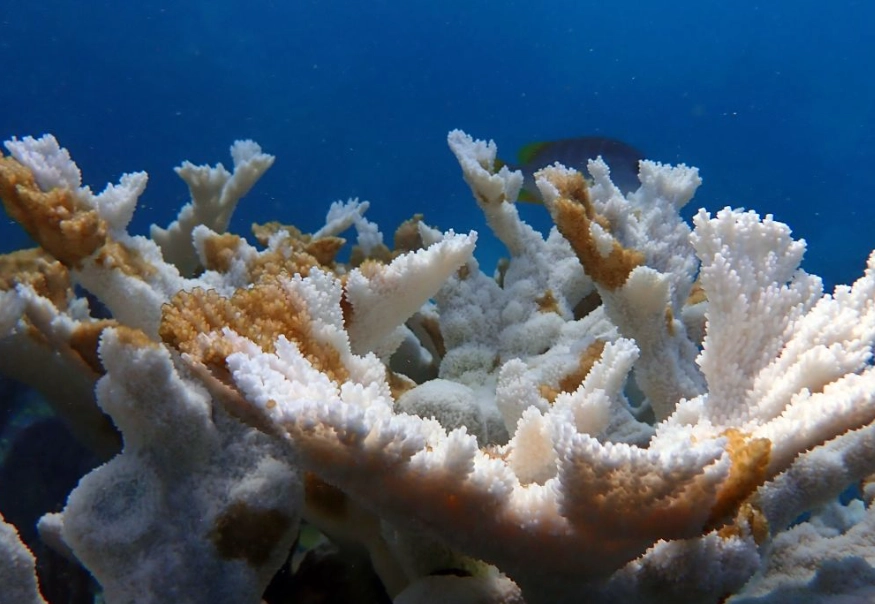
| Region | Economic Loss from Bleaching (Estimated) | Primary Impacts |
|---|---|---|
| Great Barrier Reef, Australia | $1 billion+ in tourism revenue | Reduced dive bookings, job losses |
| Caribbean Islands | $350 million in fisheries decline | Lower fish catches, increased poverty |
| Southeast Asia | $500 million in coastal damage | Erosion, loss of storm protection |
The table above shows just a snapshot. The real costs are often hidden, like the long-term decline in property values due to eroded beaches.
Loss of Coastal Protection: A Hidden Danger
Here's something most people overlook: coral reefs act as natural breakwaters, reducing wave energy by up to 97%. They protect coastlines from storms, erosion, and flooding. When bleaching weakens and kills corals, reef structures crumble. Without them, waves slam directly into shores.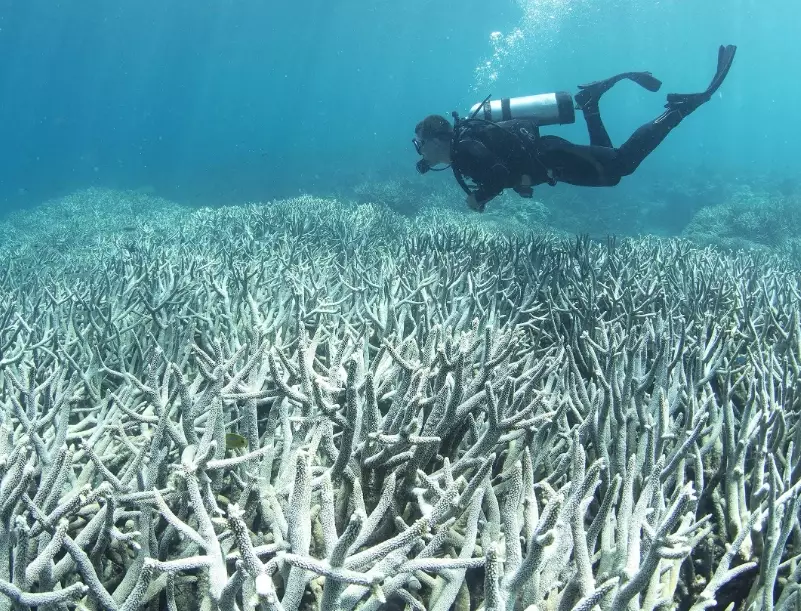
In the Maldives, I saw firsthand how bleached reefs led to accelerated beach erosion. Villages had to build expensive seawalls, but they're not as effective. A study by the Nature Conservancy found that healthy reefs can save coastal communities billions in disaster recovery costs. After Hurricane Irma in 2017, areas with intact reefs in Florida had less damage compared to those with degraded reefs. It's a stark reminder that bleaching isn't just an ocean problem—it's a human safety issue.
Coastal protection loss also affects infrastructure. Roads, buildings, and freshwater sources become vulnerable to saltwater intrusion. In small island nations, this can mean relocation or massive investment in engineering solutions. The irony? Many of these communities contribute least to climate change but suffer most from its effects.
Real-World Case Studies: From the Great Barrier Reef to the Caribbean
Let's get concrete. Bleaching isn't a hypothetical threat; it's happening now. I'll walk through two major cases that show the scale and impact.
The Great Barrier Reef: A Warning Sign
The Great Barrier Reef, the world's largest coral system, has suffered mass bleaching in 1998, 2002, 2016, 2017, and 2020. The 2016 event alone killed about 30% of its shallow-water corals. I've dived there multiple times, and the changes are jarring. Sections that were vibrant a decade ago are now graveyards of dead coral. Scientists from the Australian Research Council report that recovery is patchy and slow, with some areas showing resilience but others beyond repair. The reef's decline affects not just biodiversity but also Indigenous cultures that have relied on it for millennia.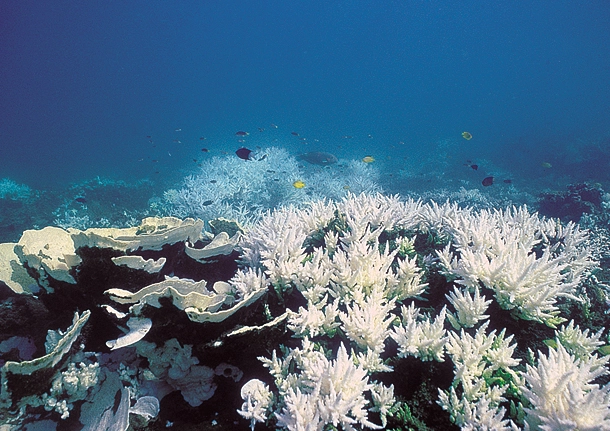
The Caribbean: A Tale of Tourism and Tragedy
In the Caribbean, reefs support a $3 billion tourism industry. But bleaching events in 2005 and 2010 caused widespread damage. In Jamaica, coral cover dropped from over 50% in the 1970s to less than 10% today, partly due to bleaching combined with overfishing. Dive operators in Cozumel, Mexico, told me they've shifted to promoting other activities like cenotes diving because reefs are less reliable. The economic ripple effect includes job losses and increased reliance on imports for food. What's worse, local conservation efforts often lack funding, making recovery an uphill battle.
These cases highlight a critical lesson: bleaching impacts are cumulative. Each event weakens reefs further, reducing their ability to bounce back.
What Can We Do? Practical Solutions and Hope
It's easy to feel hopeless, but action is possible. Solutions range from global policies to local initiatives.
Reduce Carbon Emissions: This is the big one. Cutting greenhouse gases slows ocean warming. Support renewable energy and advocate for climate policies. Individual choices matter, but systemic change is key.
Improve Local Management: Protect reefs from overfishing, pollution, and coastal development. Marine protected areas (MPAs) can help. For example, the Phoenix Islands Protected Area in Kiribati has shown resilience due to strict regulations.
Coral Restoration: Techniques like coral gardening—growing corals in nurseries and transplanting them—are gaining traction. In Florida, organizations like the Coral Restoration Foundation have planted thousands of corals. But it's labor-intensive and not a silver bullet. Restoration works best when combined with habitat protection.
Community Engagement: Involve local people in monitoring and conservation. In the Philippines, community-based patrols have reduced destructive fishing, helping reefs recover faster after bleaching.
I've volunteered in restoration projects, and while progress is slow, seeing new coral growth gives hope. The key is to act now, before tipping points are reached.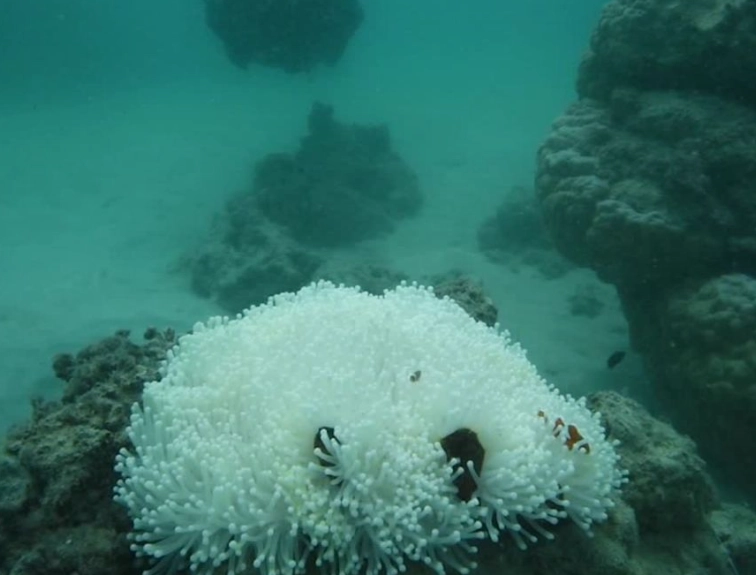
Your Burning Questions Answered
Looking back at that dive in Florida, I realize coral bleaching is more than an ecological tragedy—it's a wake-up call. The ocean's health is intertwined with our own, from the food we eat to the coasts we call home. By understanding the why and how, we can move from despair to action. Let's not wait until the last coral fades.

Comments