I remember diving off the coast of Thailand a few years back, expecting vibrant reefs teeming with life. Instead, I saw ghostly white corals, like underwater skeletons. It hit me then: coral bleaching isn't just an environmental buzzword; it's a crisis with real, ugly downsides that ripple through ecosystems and our lives. If you're wondering what the disadvantages of coral bleaching are, you're probably thinking about dead corals, but it goes way deeper. Let's cut to the chase—bleaching wrecks biodiversity, tanks local economies, and even puts coastal homes at risk. In this guide, I'll break down the bad stuff, backed by science and my own messy observations from years of diving and talking to marine biologists.
What You’ll Find in This Guide
What Coral Bleaching Really Means (And Why It Sucks)
First off, coral bleaching isn't just corals turning white. It's a stress response—corals kick out the tiny algae (zooxanthellae) living in their tissues because of things like warm water, pollution, or acidification. Those algae are like solar panels and food factories combined; without them, corals starve. They can die if the stress lasts too long. The National Oceanic and Atmospheric Administration (NOAA) calls it a major threat to reef health, and they've tracked a global increase in events since the 1980s.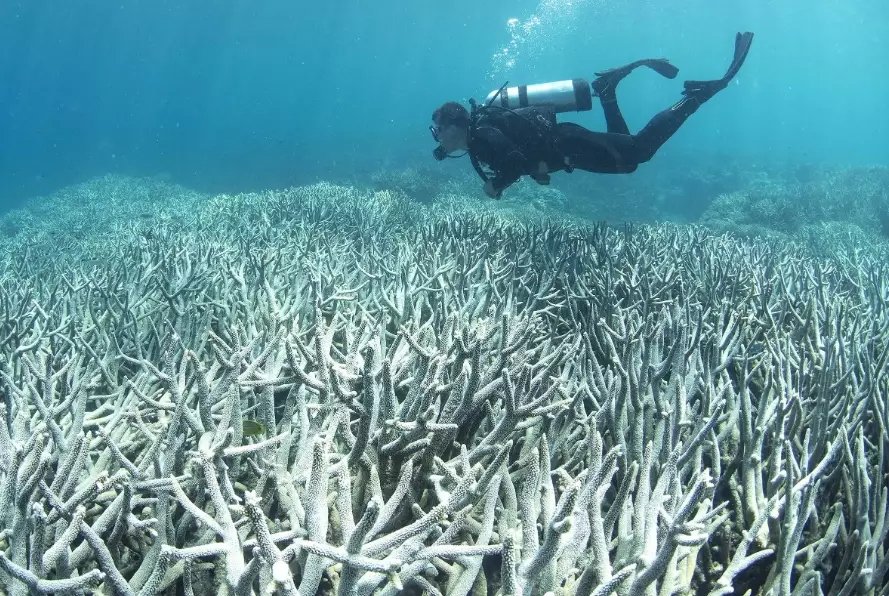
Here's the kicker: many people think bleaching is a cosmetic issue. Wrong. It's a survival crisis. When I guided dives in the Caribbean, tourists would ask if the white corals were just "sleeping." Nope, they're on death's door. And that leads to a cascade of problems.
The Science Behind the Bleaching
Corals are animals, not rocks. They build reefs that support 25% of marine species. Bleaching happens when water temperatures rise just 1-2°C above normal for weeks. Climate change is the big driver, but local stuff like runoff from farms adds fuel. A report from the International Union for Conservation of Nature (IUCN) notes that over 50% of the world's reefs have seen severe bleaching in the past decade.
It's not always fatal—corals can recover if conditions improve. But recovery takes years, and with frequent bleaching, they never catch up. I've seen reefs in the Philippines that bleached in 2010 and still look patchy. That's the silent disadvantage: even if corals don't die immediately, they become weak, prone to disease, and lose their reproductive mojo.
The Direct Downsides: From Dead Reefs to Empty Nets
Let's get concrete. The disadvantages of coral bleaching aren't abstract; they hit you in the face if you depend on the ocean. Here are the big ones.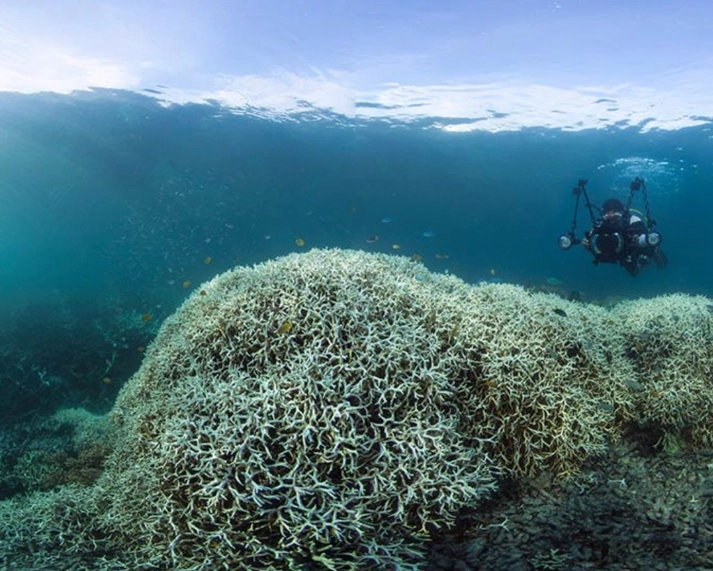
Loss of Biodiversity: The Domino Effect
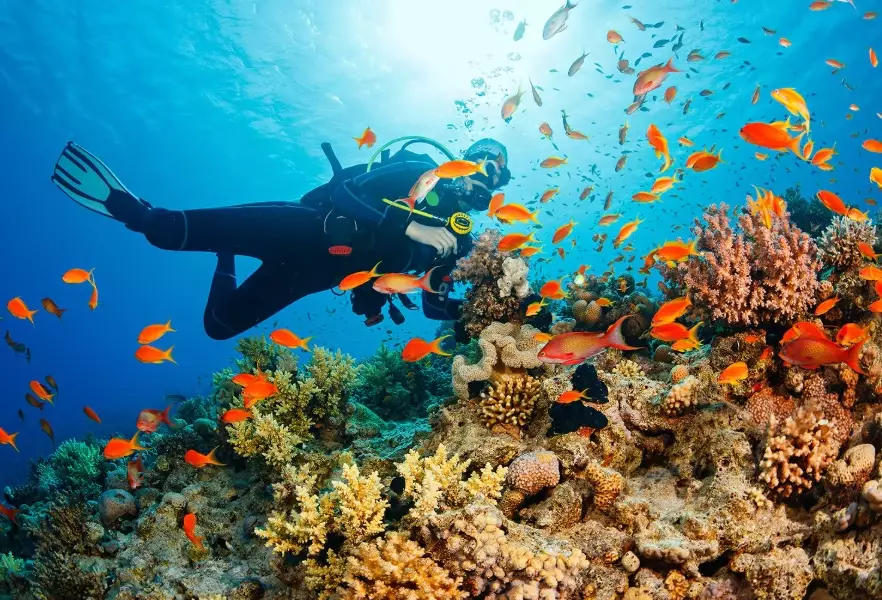
Coral reefs are like underwater cities. When bleaching kills corals, the whole community collapses. Fish lose homes, crustaceans vanish, and predators starve. I've counted fish species on dives—after bleaching, diversity drops by up to 60% in bad spots. It's not just about losing pretty fish; it's about breaking food chains. For example, parrotfish that eat algae keep reefs clean. No corals, no parrotfish, algae takes over, and the reef suffocates.
A study published in Marine Pollution Bulletin found that bleached reefs in the Indian Ocean saw a 40% decline in species richness. That's huge. And it's not reversible overnight. Once key species go, it's a slippery slope to a dead zone.
Impact on Fisheries and Food Security
This one hurts communities directly. Reefs support fisheries that feed millions. When bleaching hits, fish populations crash. In Southeast Asia, where I've worked with local fishers, catches of reef-dependent fish like snapper and grouper fell by half after a major bleaching event. That means less food on the table and lower incomes.
Table: Impact of Coral Bleaching on Key Fisheries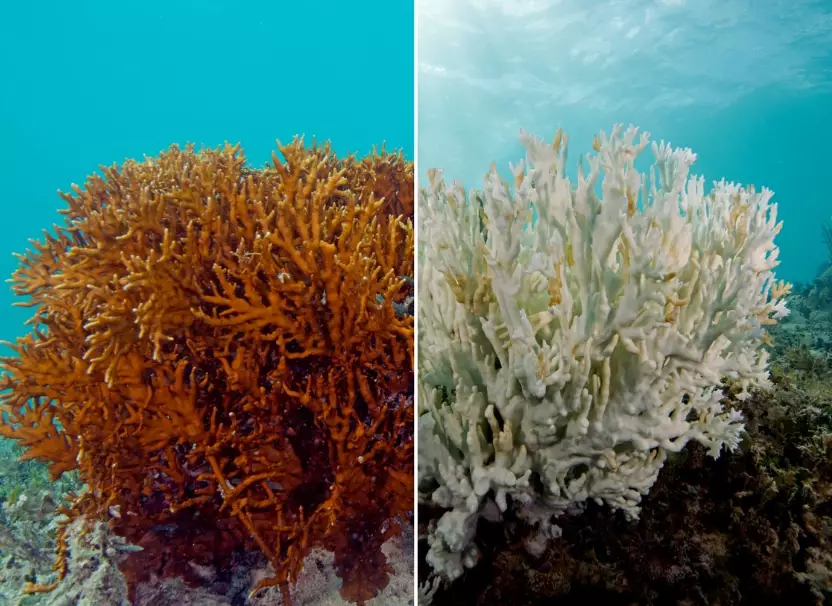
| Region | Fish Species Affected | Estimated Catch Decline | Timeframe |
|---|---|---|---|
| Caribbean | Lobster, Grouper | 30-40% | Post-2005 bleaching |
| Southeast Asia | Snapper, Emperor Fish | 50-60% | After 2016 event |
| Great Barrier Reef | Coral Trout, Sweetlip | 20-30% |
Fishers end up traveling farther, using more fuel, and sometimes overfishing other areas, making the problem worse. It's a vicious cycle. I've talked to families in Indonesia who switched to risky deep-sea fishing because their local reefs died—accidents increased, and costs soared.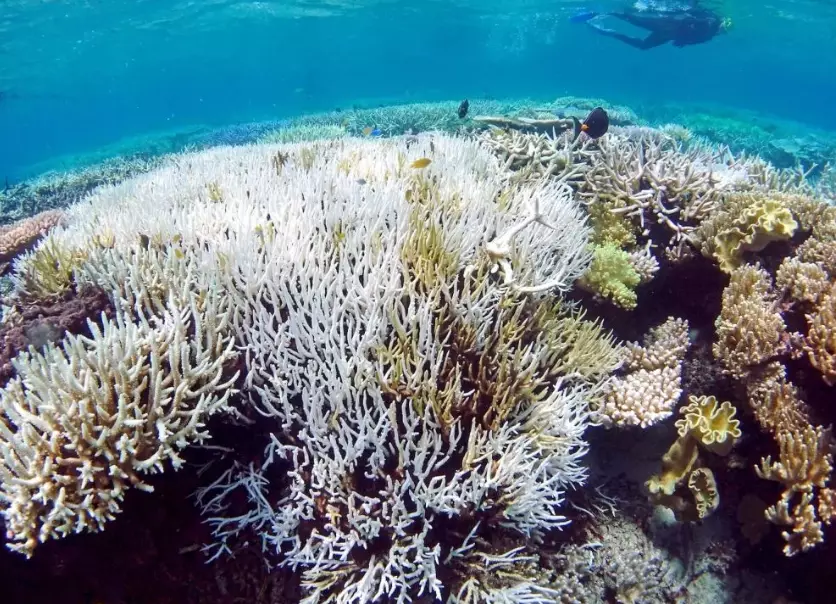
Coastal Protection Erosion: Your Home at Risk
Here's a disadvantage few think about: reefs act as natural breakwaters. They absorb wave energy, reducing storm damage and erosion. When bleaching weakens or kills corals, that protection fades. In Florida, after severe bleaching, coastal erosion rates jumped by 20% in some areas, according to the U.S. Geological Survey. That means more flooding, damaged property, and expensive engineering fixes like seawalls.
Imagine a hurricane hitting a bleached reef versus a healthy one. The difference can be millions in damages. I've seen beaches in the Maldives shrink post-bleaching, forcing resorts to spend big on sand replenishment. It's a hidden tax on coastal living.
Hidden Consequences: Economy, Culture, and Coastlines
Beyond the direct hits, bleaching has ripple effects that sneak up on you.
Economic Losses in Tourism
Tourism is a huge money-maker for reef areas. People flock to see colorful corals and fish. When bleaching turns reefs white and lifeless, visitors stay away. The Great Barrier Reef, for instance, saw a 30% drop in tourism revenue after the 2016-2017 bleaching events. That's billions lost, and jobs vanish—from dive guides to hotel staff.
I've spoken to dive shop owners in Hawaii who had to lay off employees because bookings dried up. It's not just about bad PR; it's about real livelihoods. And recovery isn't fast. Even if corals partly recover, the perception of a "dead reef" lingers, scaring off tourists for years.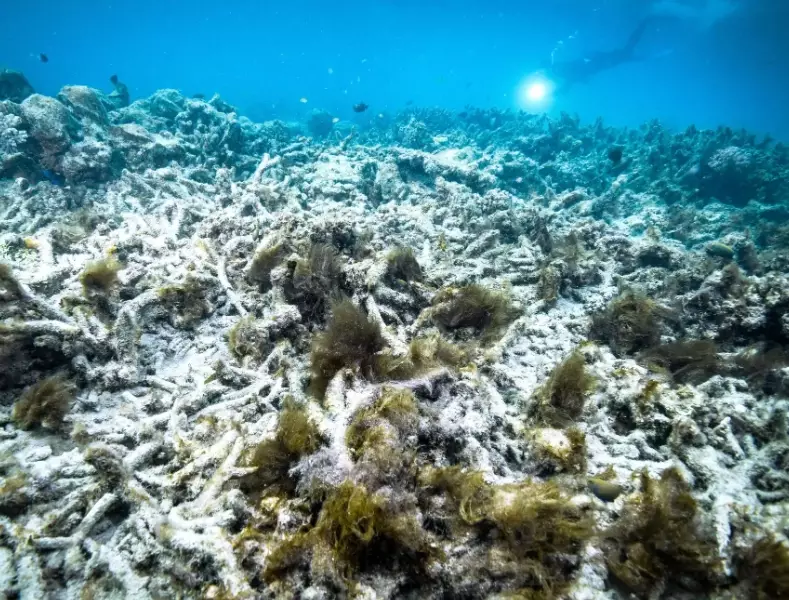
Personal take: Many tourism boards downplay bleaching, calling it "temporary." That's a mistake. I've seen resorts in the Red Sea lose repeat customers because the reefs didn't bounce back as promised. Honesty matters—tourists appreciate it, and it builds trust for long-term recovery.
Cultural and Social Impacts
For indigenous and coastal communities, reefs are part of culture. Bleaching erodes traditions like fishing practices, ceremonies, and knowledge passed down generations. In the Pacific, I've met elders who say their ancestral fishing grounds are gone, and with them, stories and identity. It's a slow, painful loss that doesn't show up in economic stats.
Plus, conflicts can arise over dwindling resources. When fish stocks drop, competition heats up, leading to tensions between communities or even illegal fishing. I've seen this in East Africa, where bleaching exacerbated poverty and social strife.
A Real-World Mess: The Great Barrier Reef Case Study
Let's zoom in on a specific example. The Great Barrier Reef in Australia has been hammered by bleaching. What happened? In 2016 and 2017, back-to-back bleaching events killed about 50% of the shallow-water corals, according to the Australian Institute of Marine Science.
What Happened and What We Learned
Warm water from climate change triggered mass bleaching. The northern sections got hit hardest—up to 90% coral mortality in some areas. The disadvantages piled up: biodiversity crashed, with declines in fish and invertebrate populations; tourism took a hit, with estimates of over 1 billion AUD in losses; and coastal protection weakened, affecting nearby islands.
But here's a non-consensus point: recovery efforts often focus on planting new corals, but that's like putting a band-aid on a broken leg. The real issue is water quality and temperature. I've dived there post-bleaching, and the reefs look patchy—some areas recover, others don't, depending on local conditions like pollution runoff. It shows that global action on climate is key, but local management (like reducing farm runoff) can buy time.
Lessons? Bleaching isn't a one-off; it's a symptom of bigger problems. And the disadvantages compound if we ignore the root causes.
So, What Can We Actually Do About It?
Enough doom and gloom. There are ways to mitigate these disadvantages, but they require action.
Individual Actions: Small Steps That Add Up
You don't need to be a scientist to help. Reduce your carbon footprint—drive less, eat local, support renewable energy. When diving or snorkeling, choose eco-friendly operators who follow guidelines (like not touching corals). I always recommend operators certified by the Green Fins initiative; they minimize impact.
Avoid sunscreens with oxybenzone, which can harm corals. Spread awareness—share what you've learned. Every bit counts.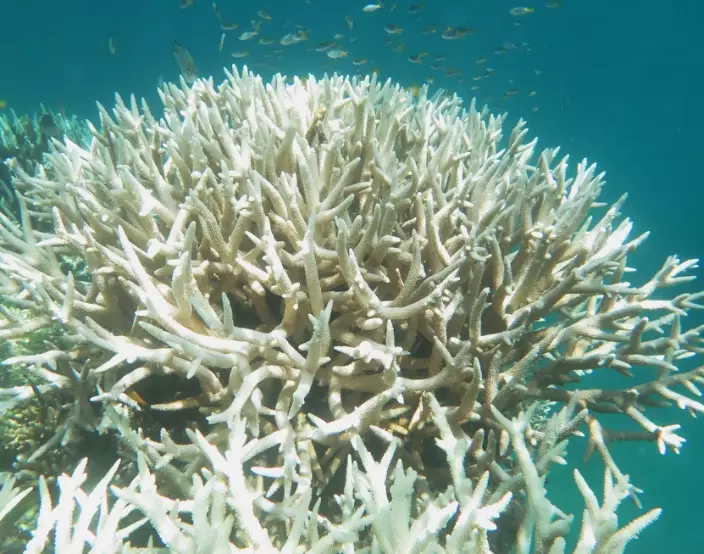
Global Efforts: The Big Picture
Support policies that address climate change and protect marine areas. Organizations like the Coral Reef Alliance work on local conservation. Donate or volunteer if you can. On a larger scale, reducing greenhouse gas emissions is non-negotiable. The Paris Agreement targets matter here.
Innovations like coral nurseries and assisted evolution show promise, but they're supplements, not solutions. I've visited nurseries in the Florida Keys—they help, but they're expensive and slow. Real change needs systemic shifts.
Your Burning Questions Answered
Wrapping up, the disadvantages of coral bleaching are vast and interconnected. From biodiversity loss to economic pain, it's a crisis we can't ignore. But by understanding the impacts and taking action, we can push for healthier oceans. Next time you hear about bleaching, think beyond the white corals—think about the fishers, the coastal homes, and the cultures at stake. Let's not wait until it's all gone.
Comments