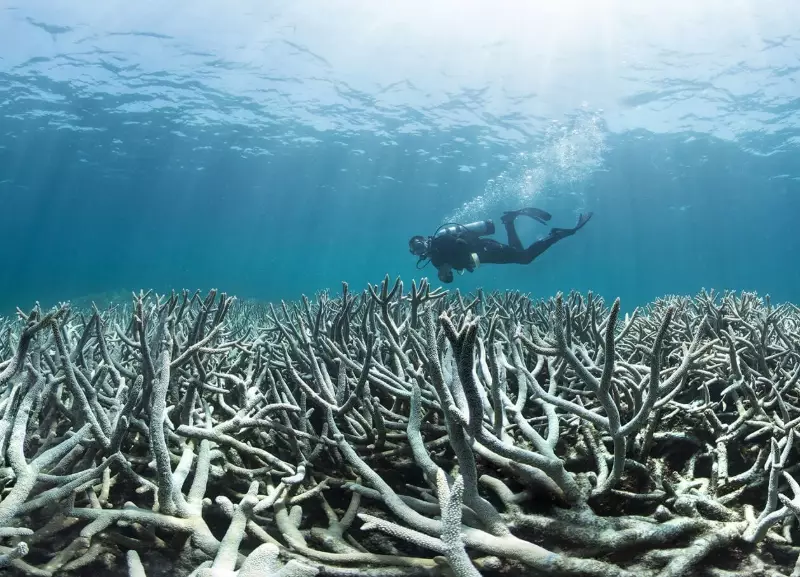
You've seen the photos. Vibrant underwater cities turned into ghostly white graveyards. Coral bleaching. It looks bad, and it is. But here's the part that often gets lost in the environmental headlines: this isn't just a problem for fish and scuba divers. The collapse of coral reefs punches a hole straight through human society in ways that are immediate, tangible, and costly. We're talking about your food, your safety, your medicine cabinet, and your wallet.
Let's cut past the abstract science. When corals bleach, they expel the symbiotic algae (zooxanthellae) that give them color and up to 90% of their energy. Stressed by heat, they turn bone-white. If the stress lasts, they die. That death triggers a domino effect. I've dived on reefs before and after major bleaching events. The silence is what gets you—the lack of the constant crackle and pop of a healthy reef. It feels empty. That emptiness has a direct human cost.
What You'll Learn in This Guide
This table sums up the five critical human impacts we're going to unpack. Keep it in mind as you read.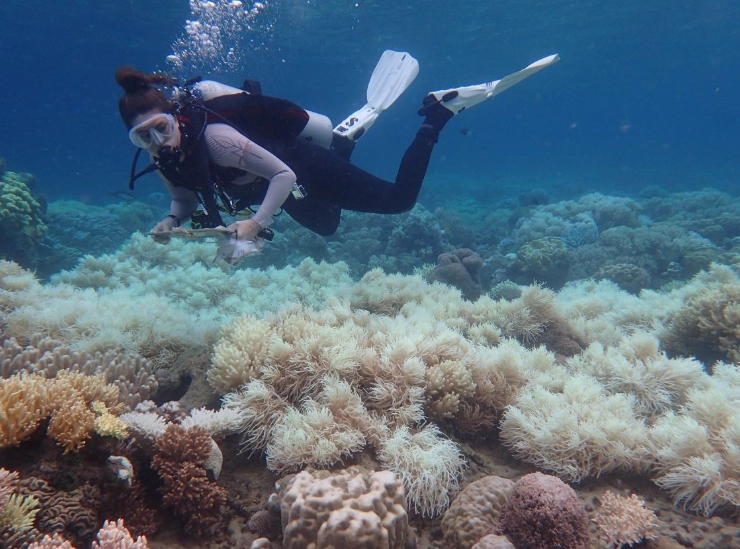
| Impact Area | Mechanism | Direct Human Consequence |
|---|---|---|
| Food Security | Loss of reef nursery habitat for fish | Collapsed fisheries, higher seafood prices, protein scarcity for millions |
| Coastal Protection | Weakened, dead reef structures fail to dissipate wave energy | Increased flooding, shoreline erosion, higher storm damage costs |
| Economy & Livelihoods | Loss of dive tourism, fishing jobs, related services | Mass unemployment in coastal communities, national GDP loss |
| Medicine & Research | Extinction of species before their chemical compounds are studied | Lost potential cures for cancer, arthritis, bacterial infections |
| Culture & Identity | Physical loss of sacred sites and traditional fishing grounds | Erosion of indigenous knowledge, cultural dislocation, loss of heritage |
1. How Coral Bleaching Affects Human Food Security
Think coral reefs are just for pretty pictures? They're actually underwater supermarkets. Reefs cover less than 1% of the ocean floor but support about 25% of all marine life. They are the breeding grounds, nurseries, and hunting grounds for countless species of fish and shellfish.
When bleaching kills a reef, this complex habitat collapses. The nooks and crannies that juvenile fish hide in vanish. The algae many fish eat disappears. The entire food web unravels.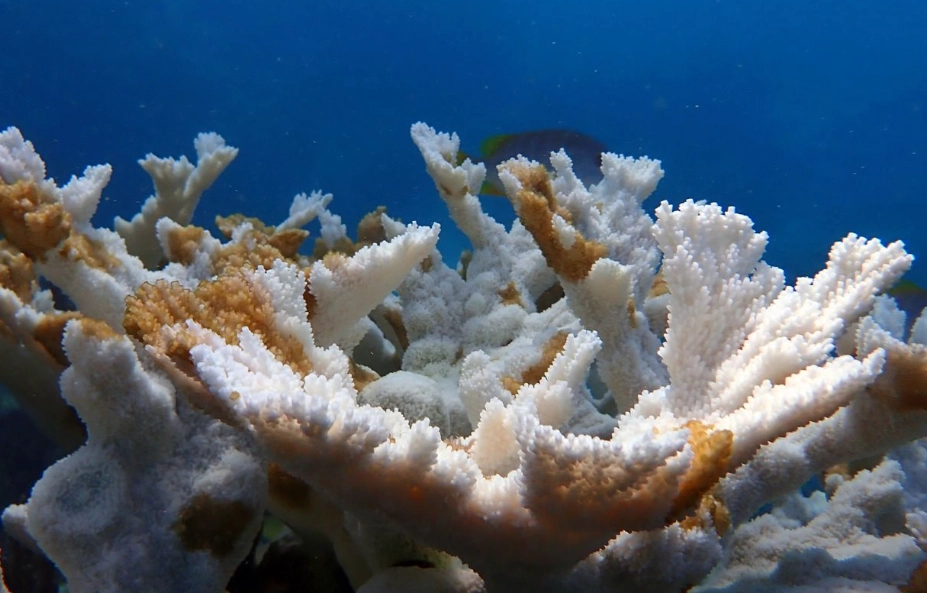
The result? Fisheries collapse.
This isn't a future prediction; it's current reality in places like Southeast Asia and parts of the Caribbean. A report from the World Resources Institute highlights that over 500 million people depend on coral reefs for food, income, and coastal protection. For many coastal communities in developing nations, reef fish are the primary—sometimes only—source of protein. When the reefs die, malnutrition rates climb. Local fishermen are forced to go further out to sea, burning more fuel for smaller catches, or abandon fishing altogether.
And it hits the global market too. Species like grouper, snapper, and lobster are reef-dependent. As supply dwindles, prices soar. That $20 lobster roll? It might become a luxury of the past.
2. The Vanishing Natural Sea Wall: Your First Line of Defense
Here's a function of coral reefs most people never think about: they are natural, self-repairing breakwaters. A healthy, complex reef structure can absorb up to 97% of a wave's energy before it hits the shore.
But a dead reef is a brittle reef. Without the living coral polyps to build and maintain the calcium carbonate skeleton, the structure begins to erode. Storms and waves break it down. Over a few years, that robust, porous barrier that dissipated wave energy turns into a flat, rubble-strewn plain that does little to slow incoming water.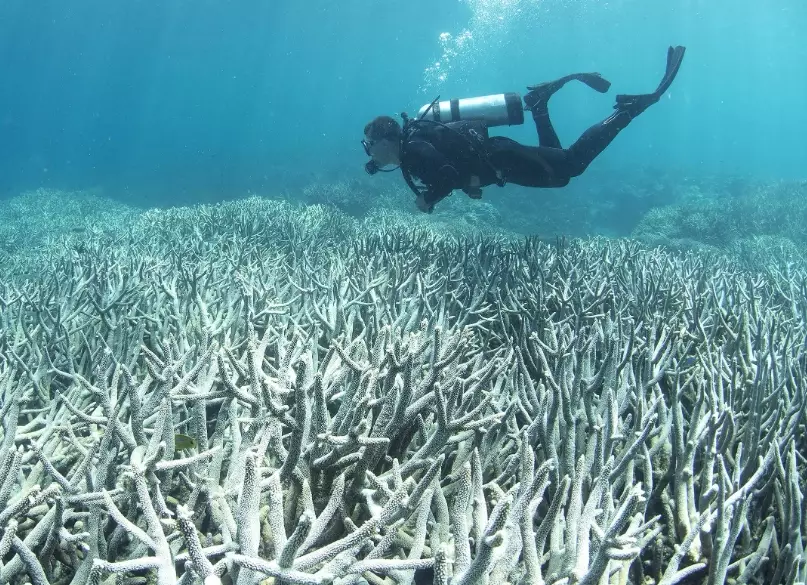
The human impact is brutally simple: increased flooding and catastrophic erosion.
Coastal engineers will tell you that replacing a natural reef with a man-made seawall is astronomically expensive—often running into tens of millions of dollars per mile—and often less effective. A study following the 2004 Indian Ocean tsunami found that villages behind healthy mangrove forests and coral reefs sustained significantly less damage. When Super Typhoon Haiyan hit the Philippines in 2013, areas with degraded coastal ecosystems suffered the worst devastation.
So, coral bleaching doesn't just kill coral. It literally dismantles our cheapest and most effective coastal defense system, leaving homes, hotels, roads, and entire communities exposed. Your flood insurance premiums? They're indirectly tied to the health of distant reefs.
3. The Multi-Billion Dollar Tourism Crash
Let's talk money. Coral reef tourism is a massive global industry. We're talking about scuba diving, snorkeling, glass-bottom boat tours, and the hotels, restaurants, and shops that exist solely because tourists come to see the reefs.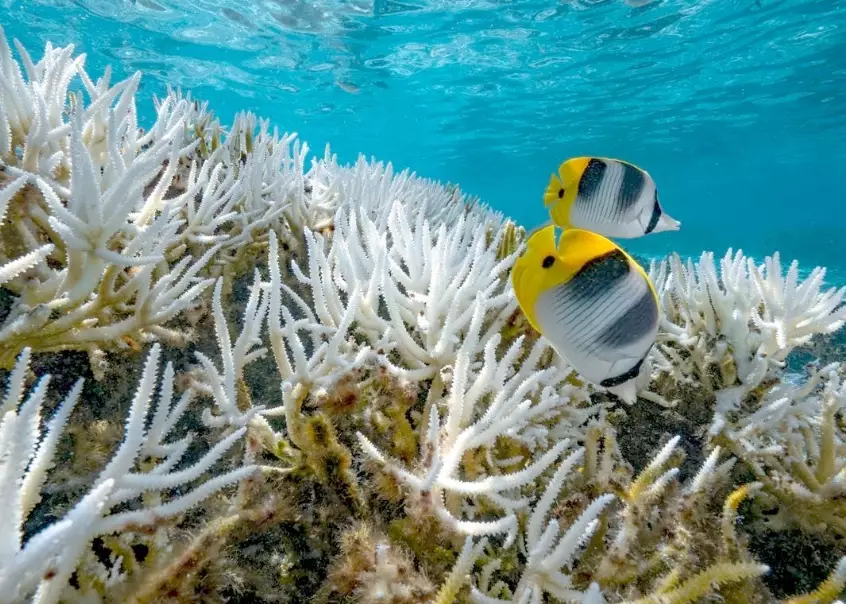
The United Nations Educational, Scientific and Cultural Organization (UNESCO) estimates the global economic value of coral reefs for tourism at a staggering $36 billion annually. For countries like Australia, the Maldives, Egypt, and Belize, it's a cornerstone of their economy.
Now, picture a dive operator in Queensland, Australia. Their entire business model is built on the Great Barrier Reef. When a mass bleaching event hits and large sections of the reef turn white and die, the bookings dry up. Why would a tourist spend thousands to see a dead reef? I've spoken to operators who had to lay off staff, and some who sold their boats. It's a direct, personal economic shock.
The domino effect is vicious. Fewer tourists mean empty hotel rooms, quiet restaurants, and unemployed tour guides, drivers, and cooks. A 2017 study found that the 2016-2017 bleaching event on the Great Barrier Reef could cost the region over 1 million visitors and 10,000 jobs in the long term.
This economic impact of coral bleaching isn't a slow burn. It's a sudden cliff that coastal communities fall off.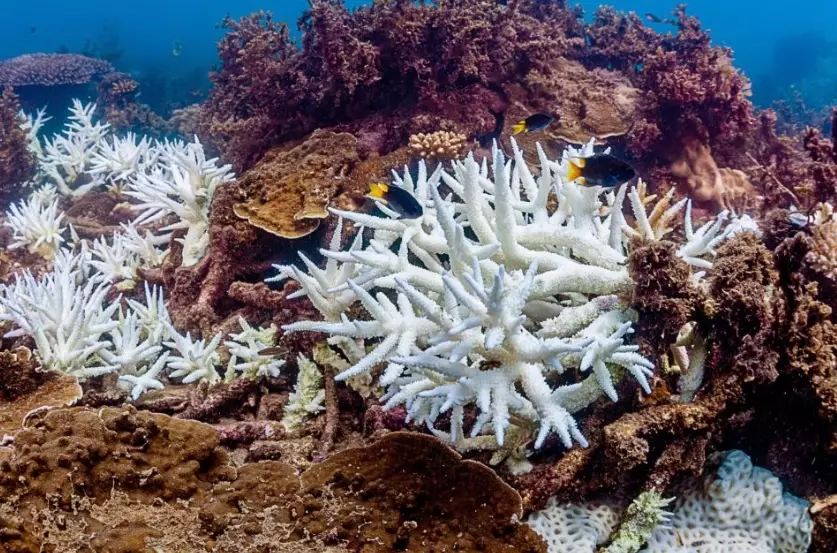
4. Lost Medicine and Broken Cultural Heritage
This is the silent, long-term theft. Coral reefs are often called the "medicine cabinets of the 21st century." The unique chemicals that corals, sponges, and other reef organisms produce to defend themselves, communicate, and compete are goldmines for biomedical research.
We've already found potential treatments in reef organisms:
- Anti-inflammatory compounds from soft corals are being studied for arthritis.
- Cancer-fighting agents have been isolated from reef sponges.
- Bone graft materials are modeled after coral skeletons.
But here's the brutal truth: we've likely studied less than 1% of the potential pharmaceutical compounds on reefs. When a species goes extinct due to reef collapse, it takes its unique chemical blueprint with it forever. That could be the lost cure for a major disease. The human impact of coral bleaching here is measured in future suffering that could have been prevented.
Then there's culture. For many Indigenous coastal and island communities, the reef is not a resource; it's the foundation of their identity. It's their calendar, their church, their history book, and their pantry. In places like Palau or parts of Australia, specific reefs are sacred sites, central to creation stories and spiritual practices.
Bleaching severs that millennia-old connection. When the reef dies, a living library of traditional ecological knowledge—about fish behavior, navigation, and sustainable harvest—becomes obsolete. The cultural loss is profound and often overlooked in economic analyses.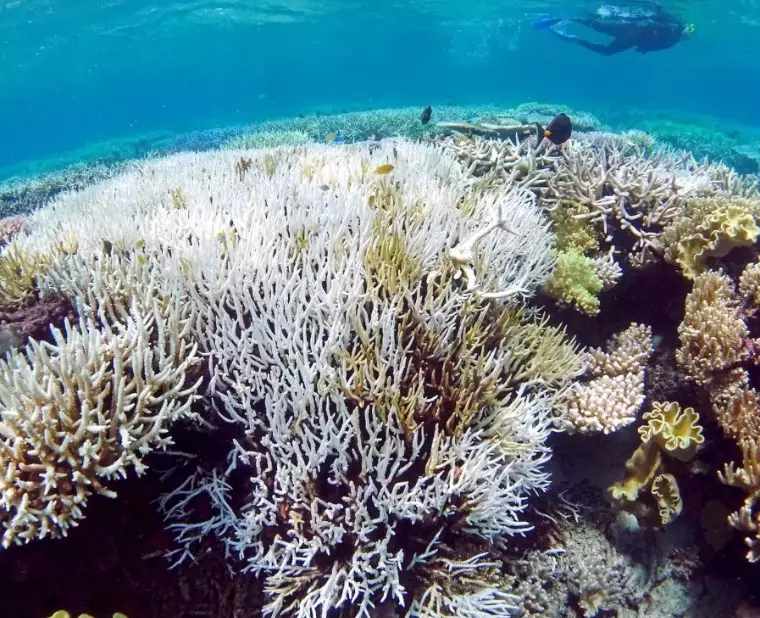
5. What You Can Actually Do About Coral Bleaching
Feeling overwhelmed? Good. That means you get the scale. But paralysis isn't an option. The causes are global, but the actions are personal and collective.
Your Action Plan
Address the Root Cause: Climate Change. This is non-negotiable. Reduce your carbon footprint. Vote for leaders and policies that prioritize climate action. Support the transition to renewable energy. The primary driver of mass bleaching is ocean warming from greenhouse gases.
Be a Conscious Consumer. Choose sustainable seafood (look for MSC certification). When you travel, pick eco-certified tour operators who follow reef-safe practices. Never touch or stand on corals.
Cut the Pollution. Reduce plastic use. Chemicals from sunscreens containing oxybenzone and octinoxate are proven to harm coral larvae. Switch to mineral-based, "reef-safe" sunscreen. Support better wastewater treatment—nutrient pollution from land weakens corals.
Support & Amplify. Donate to or volunteer with legitimate marine conservation NGOs that do on-the-ground reef restoration and policy advocacy. Spread awareness, but move beyond sad pictures. Talk about the human costs outlined here.
The link between a bleached reef and your life is not a fragile thread; it's a sturdy rope made of food, safety, jobs, health, and heritage. When we save the reefs, we're not just saving nature. We're protecting a critical piece of our own human infrastructure.

Comments