Let's cut to the chase. Scuba diving in the Georgia Aquarium isn't like any ocean dive you've done. There's no current, the visibility is perfect, and you're guaranteed to see whale sharks. For some divers, that sounds like a dream. For purists, it might feel like cheating. After doing it myself, I can tell you it's a profoundly unique experience that sits in its own category—part animal encounter, part confidence-building dive, and 100% memorable.
The program is called "Journey with Gentle Giants," and it's the only opportunity in the U.S. where certified divers can share the water with these filter-feeding behemoths. But before you book, there's a lot the glossy brochures don't tell you. Like how the acoustics are weirdly quiet, or why you can't use your own regulator.
What's Inside This Guide
What is the Georgia Aquarium Dive Experience Really Like?
You're not just dropping into a fish tank. You're entering the Ocean Voyager exhibit, which holds 6.3 million gallons of water. It's the largest aquatic habitat in the Western Hemisphere. The scale is the first thing that hits you.
The dive is a guided, 30-minute immersion. You'll be with a small group (typically 8-10 divers) and two guides. You don't swim freely; you follow a predetermined route along the bottom, holding onto a guide rope at times. This isn't for exploration—it's for observation and to ensure animal safety.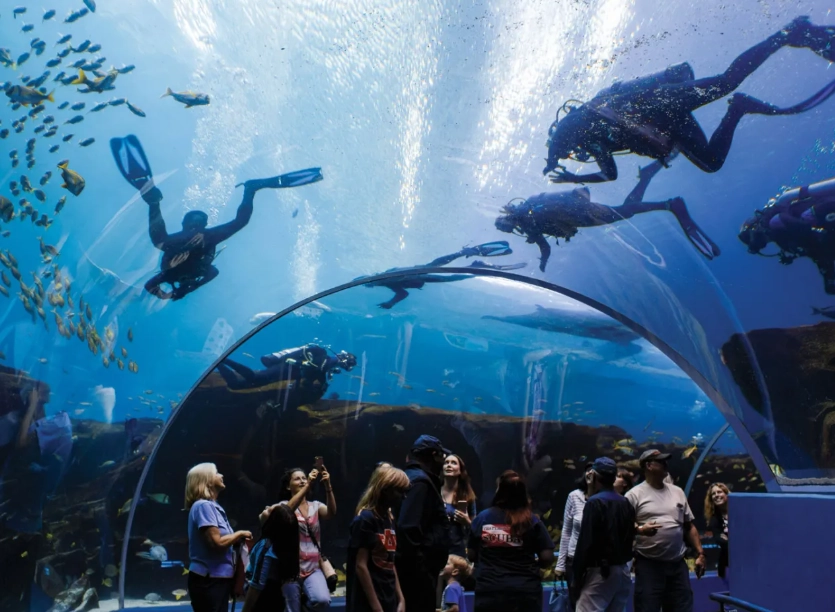
The Cast of Characters
You're sharing the water with more than just whale sharks. Keep your eyes peeled for:
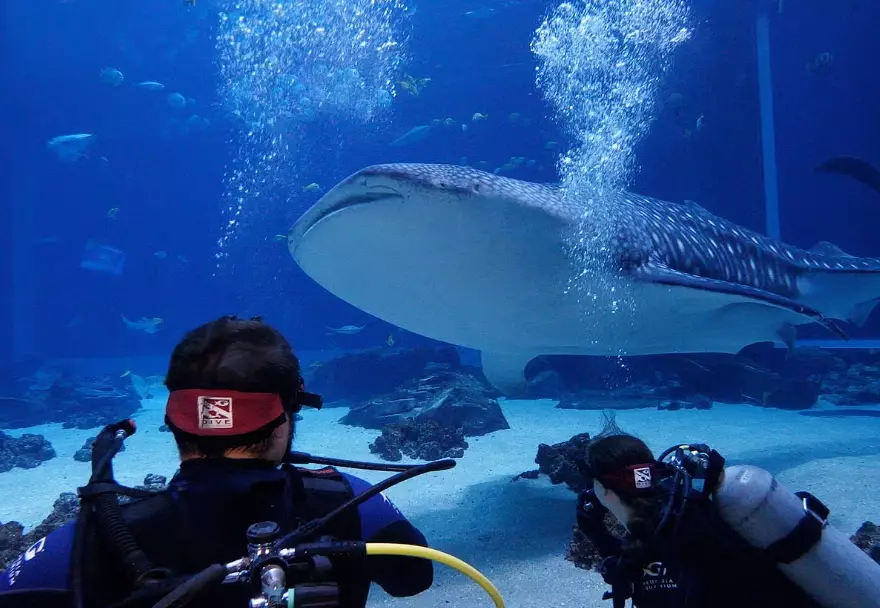
- Whale Sharks: The stars. Usually 4-5 of them, like slow-moving, spotted buses.
- Manta Rays: My personal favorite. One named Nandi has a wingspan over 11 feet and does graceful loops.
- Sand Tiger Sharks: They look menacing with their needle-like teeth but are generally docile.
- Thousands of Schooling Fish: Jacks, groupers, and snappers that create living walls of silver.
The vibe is serene but structured. The guides are excellent at pointing out animal behaviors. You'll spend a lot of time looking up as the giants cruise over you. The silence is notable—no boat noise, just the sound of your own breathing. It's meditative.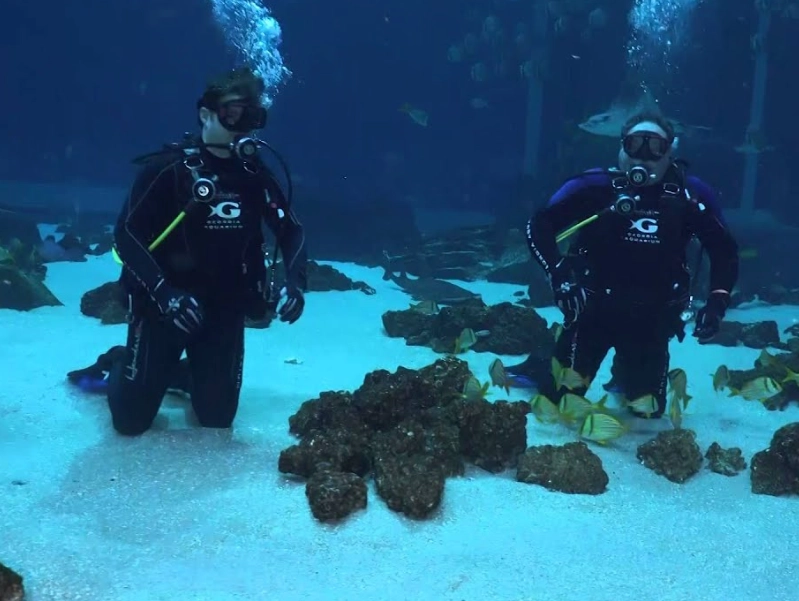
Who Can Dive and How to Prepare
This isn't a discover scuba experience. The barrier to entry is clear and non-negotiable.
Mandatory Requirements
- Certification: A valid Open Water Diver (or higher) card from PADI, NAUI, SSI, etc. You must bring the physical card or e-card.
- Age: You must be at least 12 years old. Divers under 18 need a parent/guardian present.
- Health: You must complete a standard medical questionnaire. If you answer "yes" to any conditions, you'll need a doctor's clearance.
Here’s a quick breakdown of the logistics you need to plan for:
| Item | Details | Notes |
|---|---|---|
| Cost | $229.95 per diver (as of 2023 pricing) | Does NOT include general aquarium admission. Non-diving observers need a ticket. |
| Location | Georgia Aquarium, 225 Baker St NW, Atlanta, GA 30313 | The dive check-in is at the "Group Sales" window, not the main entrance. |
| Schedule | Dives run daily, typically at 3:00 PM and 4:30 PM. | Arrival time is 90 minutes before your dive time. Book weeksin advance. |
| How to Book | Online via the Georgia Aquarium website or by phone. | This is the only official booking channel. No third-party vendors. |
The Gear You Don't Need to Bring
This is crucial: You cannot use your personal scuba equipment. The aquarium provides everything—BCD, regulator, tank, wetsuit, mask, fins, weights. This biosecurity policy prevents introducing contaminants or parasites into their closed system. The only personal item you might use is a prescription mask, which must be arranged weeks in advance and will be disinfected by their team.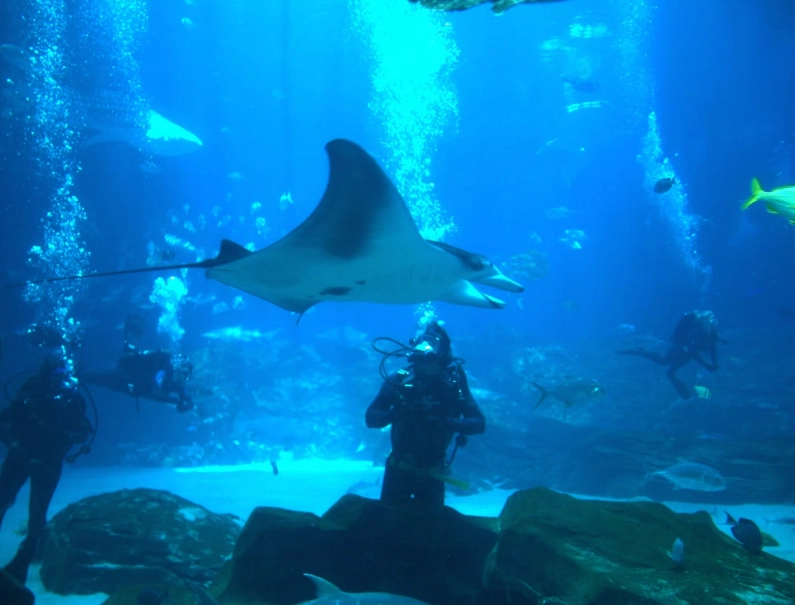
A Step-by-Step Guide to Your Dive Day
Knowing what to expect removes the stress. Here’s how the day unfolds, minute by minute.
90 Minutes Before Dive: Check in at the Group Sales window. They verify your certification and ID. You sign waivers. Then you're directed to the dive locker area behind the scenes.
60 Minutes Before: Briefing time. A dive master runs through the rules (no touching, stay with the group, hand signals). You get fitted for your wetsuit, boots, BCD, etc. They assign you a tank and regulator. This is also when you can ask those nitty-gritty questions.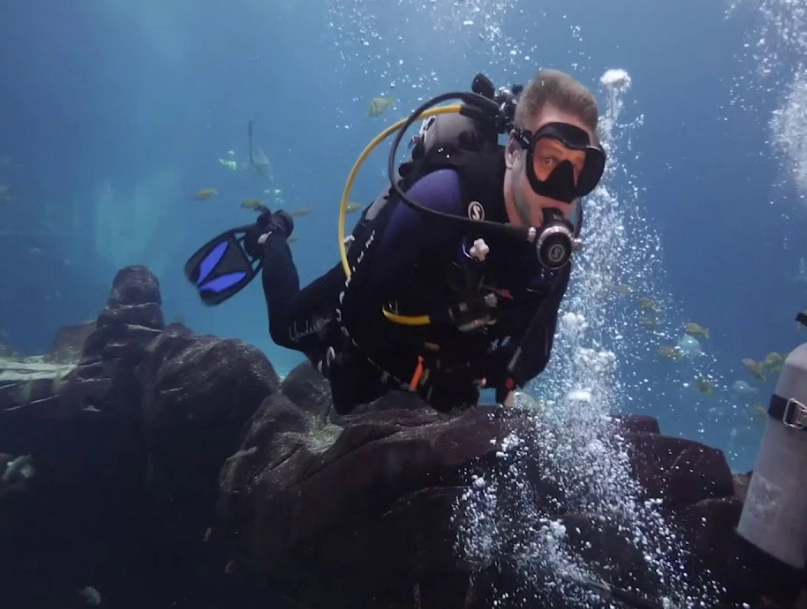
30 Minutes Before: You get changed, store your belongings in a locker, and do a final gear check. Then you walk as a group to the top of the Ocean Voyager exhibit. You see the vast tank from the surface view first—it's a great perspective shift.
Dive Time: You giant-stride in from a platform. The water is a cool 76-78°F (24-26°C). You descend quickly to the sandy bottom at about 20 feet. The group forms a line, and you start the slow-paced tour. The 30 minutes flies by.
After the Dive: You exit at a different platform, walk back to the locker room, rinse off in a shower, and change. The whole process from check-in to being back in your street clothes takes about 2.5 to 3 hours.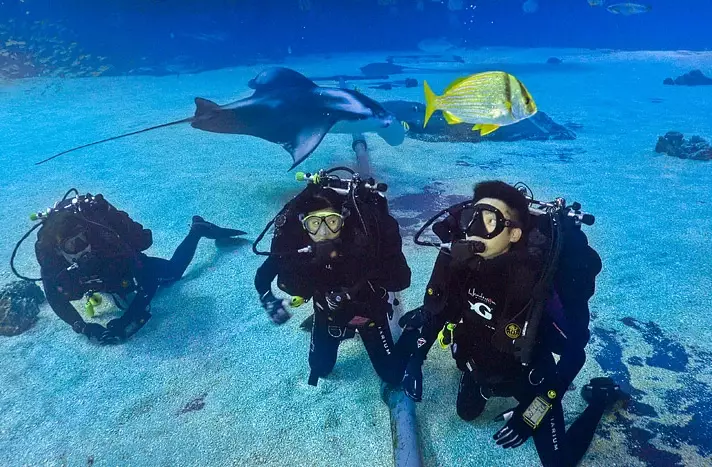
Beyond the Dive: Making the Most of Your Visit
Your dive ticket does not include general admission. This is a common point of confusion. You have two options:
Option 1: Dive and Depart. You only have access to the dive locker and the path to the exhibit. Once you're done, you leave. This is for those on a tight schedule or budget.
Option 2: Dive and Explore (Recommended). Purchase a general admission ticket for the same day. Since dives are in the afternoon, come in the morning to see the entire aquarium. Watch the dolphin show, see the sea lions, explore the tropical reef. Then, you're already inside for your dive check-in. It makes for a full, fantastic day.
Getting There: Parking in downtown Atlanta can be expensive ($15-$25). The smarter move is to use Atlanta's MARTA train. Get off at the Dome/GWCC/Philips Arena/CNN station. The aquarium is a 2-minute walk. Saves money and hassle.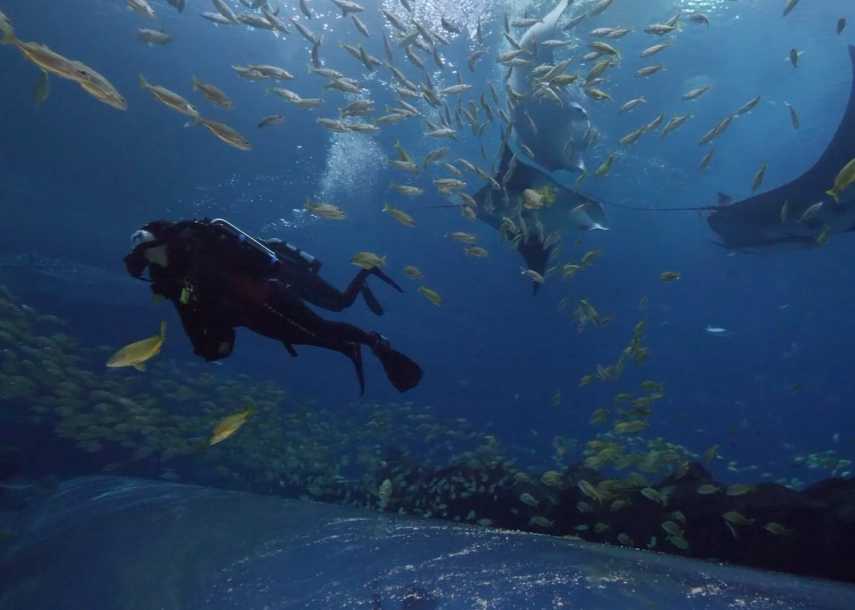
Your Questions, Answered (The Real Stuff)
These are the questions I had, and the ones I get asked most after doing the dive.
So, should you do it? If you meet the certification requirement and go in with the right expectations—understanding it's a guided, rule-following, awe-inspiring wildlife encounter rather than a free-form ocean dive—you'll have an amazing time. It's not a replacement for the open ocean, but it's a spectacular addition to any diver's logbook.
Book early, take the MARTA, and spend the whole day there. Look up, breathe slowly, and enjoy the view from inside the world's largest window.

Comments