Let's cut to the chase. If you're picturing kaleidoscopic coral reefs and 100-foot visibility like the Caribbean, you're asking the wrong question. The better question is: is there unique and rewarding scuba diving in Georgia? The answer is a resounding yes, but it requires a shift in expectation. Georgia's diving is a world of cold-water wonders, historical artifacts, and ecological surprises that tropical destinations simply can't offer.
I've logged dives here for over a decade, and the most common mistake I see is divers showing up with a 3mm shorty, expecting bathwater. They're miserable within minutes. Georgia diving demands respect for its environment. But for those prepared, it unlocks experiences you'll brag about for years.
What You'll Find in This Guide
Top Dive Sites in Georgia: From Grey Whales to Ghost Ships
Georgia's diving splits into three distinct categories: the epic marine mammal migration in the Pacific, the crystal-clear freshwater springs, and the Atlantic coast's artificial reefs. Each offers a completely different flavor.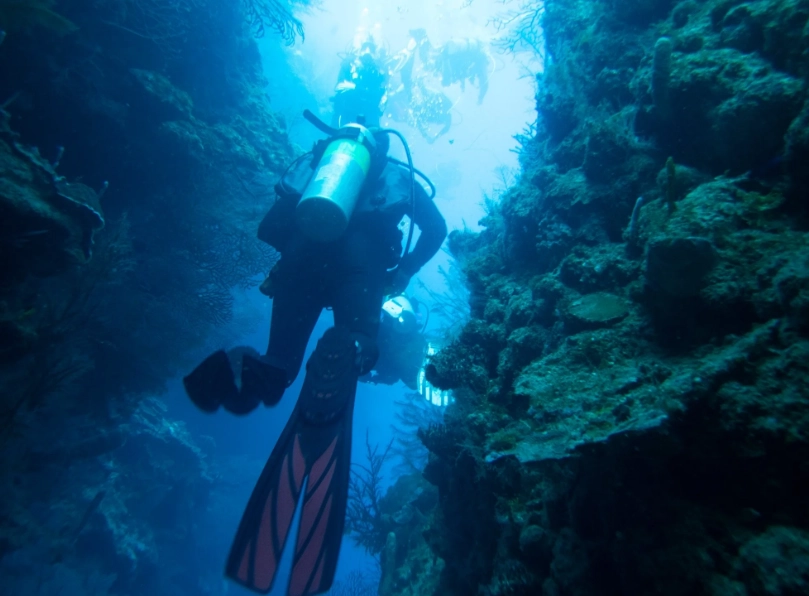
The Crown Jewel: Grey Whale Watching near Vancouver Island
This is Georgia's secret weapon. While the state of Georgia is on the Atlantic, operators based in Georgia often run expeditions to the Pacific side near Vancouver Island, British Columbia. Here, from March to May, the eastern Pacific grey whales complete one of the longest migrations of any mammal. Diving with them is a regulated, low-impact snorkeling experience. You don't chase them; you wait quietly in the water as these 40-foot, barnacle-encrusted giants sometimes approach out of curiosity. The raw power and size are humbling. It's not a "dive" in the traditional sense, but it's arguably the most profound water experience accessible from Georgia.
Freshwater Clarity: The Springs and Blue Holes
Head inland, and you'll find a diver's playground in the aquifer-fed springs. The water is a constant 72°F (22°C) with visibility often exceeding 100 feet. It's like diving in liquid air.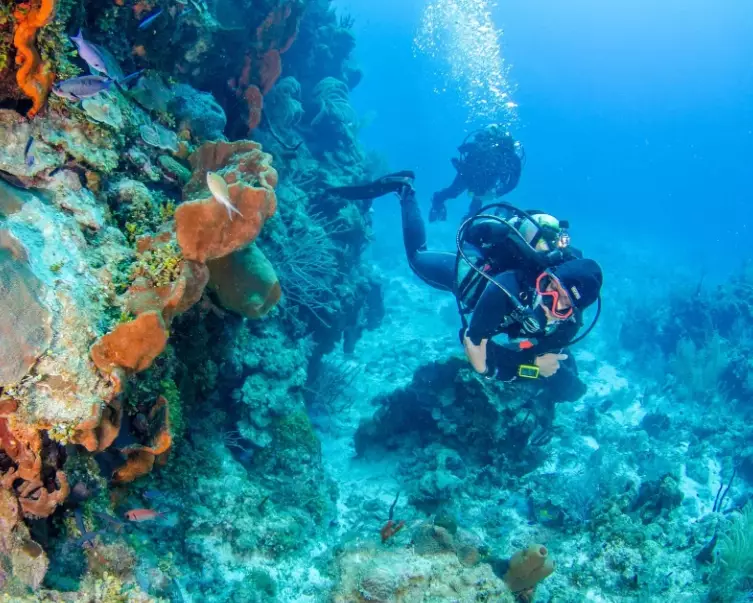
Ginnie Springs is the most famous. It's a private park with several spring vents. The Devil's Eye system is a fantastic introduction to cavern diving (not to be confused with cave diving—you always see the entrance light). You'll swim through sandy-bottomed caverns dotted with fossilized sharks' teeth, with sunbeams cutting through the crystal water.
Less crowded but equally stunning are spots like Blue Hole Spring (at Ichetucknee Springs State Park) or Vortex Spring in Florida, a common training ground for Georgia-based dive shops. These are perfect for checkout dives, buoyancy practice, or just a refreshing, clear dive without dealing with ocean currents.
The Atlantic Coast: Artificial Reefs & Purpose-Sunk Wrecks
Georgia's coastline has sandy, shifting bottoms, so the state has invested heavily in artificial reefs. These aren't random junk piles; they're carefully planned marine habitats.
The USS "Spray" Artificial Reef, a 185-foot Coast Guard cutter sunk in 2004 off Savannah in about 70 feet of water, is now encrusted with oysters, sponges, and barnacles. It attracts massive schools of baitfish, which in turn bring in predators like amberjack and barracuda. The wheelhouse is intact, offering a great swim-through.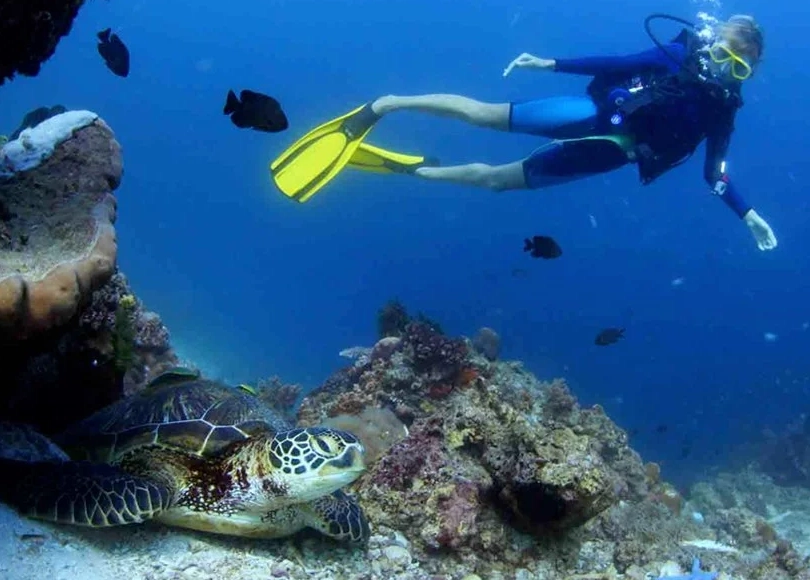
Further south, the Liberty Ships Reef near St. Simons Island is composed of sections of WWII-era ships. The marine life colonization here is impressive—you'll find large black sea bass, sheepshead nibbling on the hull, and curious spadefish. The relief of the structures creates a fantastic oasis on the otherwise flat seabed.
Visibility on the coast is variable, typically 15-40 feet, heavily dependent on recent weather and tides. You dive here for the structure and the life it supports, not for endless blue vistas.
Practical Planning: When to Go, What to Wear, and How to Book
Success in Georgia diving is 90% preparation. Get this wrong, and you'll have a short, cold dive. Get it right, and you'll be comfortable exploring for an hour.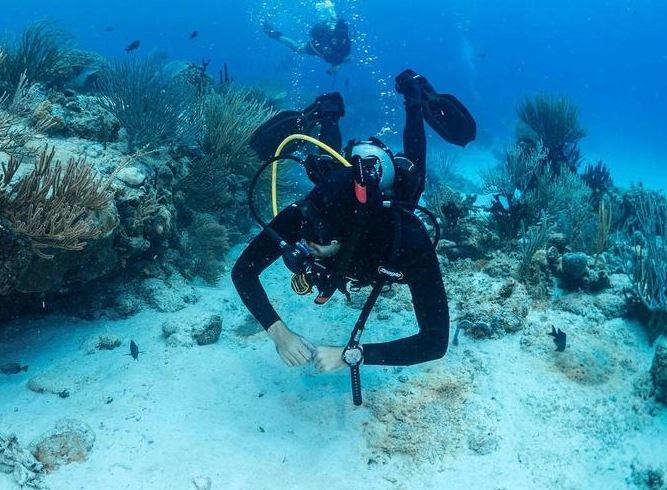
Best Time to Dive
- Grey Whale Expeditions: A narrow window from mid-March to mid-May. Book these a year in advance.
- Atlantic Coast & Springs: May through October offers the warmest air and water temps. Summer (June-August) brings the calmest seas but also the most boat traffic. Spring and fall have fewer people and can be glorious.
- Winter Diving: Possible for the hardy. Springs remain 72°F, but the air is cold. Coastal water temps can drop to the low 50s°F (10-12°C). This is drysuit territory.
Exposure Protection is Non-Negotiable
This is the biggest rookie mistake. For coastal Georgia dives from late spring to early fall, a 7mm wetsuit is standard. A hood and gloves are essential—you lose most heat through your head and hands. In winter, or if you're prone to chill, a drysuit is a game-changer and worth renting if you're not certified. For the springs, a 5mm or 7mm is fine year-round.
Finding a Dive Operator
You can't just show up and hop on a boat. Research is key. Look for shops with boats that regularly service the artificial reefs. Reputable operators like those affiliated with Professional Association of Diving Instructors (PADI) or Divers Alert Network (DAN) are a good start. Read recent reviews that specifically mention boat conditions and guide knowledge. For grey whale trips, you're looking at specialized expedition companies that handle all the permits and logistics to British Columbia.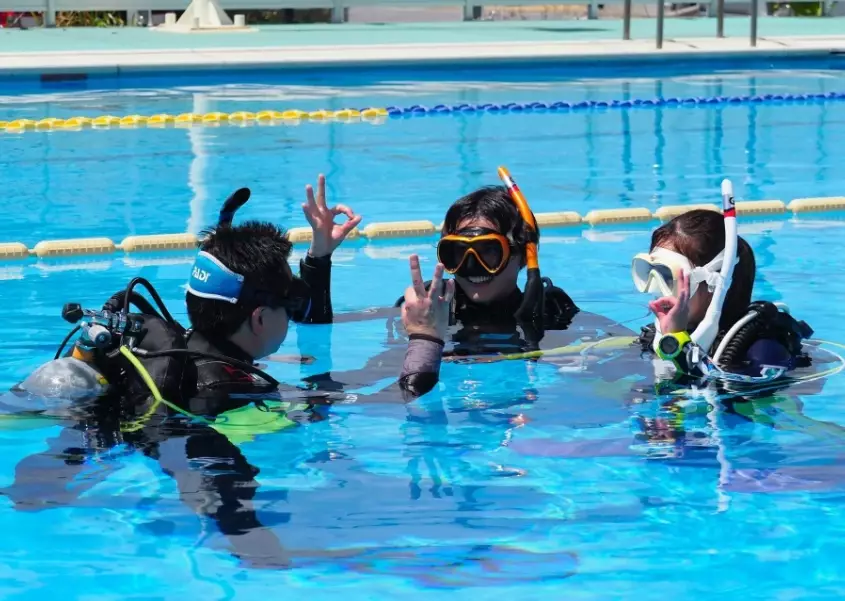
Beyond the Dive: Logistics for Your Georgia Trip
Where you stay depends on your dive target. For coastal diving, Savannah and St. Simons Island/Brunswick are your main hubs.
Savannah offers historic charm and plenty of post-dive restaurants. Look for hotels near the historic district or midtown for easy access to dive shops. St. Simons is more laid-back and beachy, putting you closer to the southern reef sites.
For spring diving, you'll be staying near the springs themselves, often in cabins or campgrounds. High Springs, FL (near Ginnie) is a tiny town built around divers and river tourism.
Getting there: Fly into Savannah/Hilton Head International Airport (SAV) for the coast or Gainesville Regional Airport (GNV) in Florida for the springs. You will need a rental car. Dive sites and amenities are spread out.
My personal routine? After a cold coastal dive, nothing beats a hearty meal. In Savannah, skip the tourist traps on River Street and find a local spot for some low-country boil or fresh shrimp and grits. It's the perfect way to warm up from the inside out.
Your Georgia Diving Questions, Answered
So, back to the original question: Is there good scuba diving in Georgia? It's not good in the conventional, postcard sense. It's challenging, unique, and incredibly rewarding. It's for the diver who values ecology over aesthetics, adventure over comfort, and a good story over a perfect photo. If that sounds like you, Georgia's cold waters are waiting.
Comments