Quick Navigation
Can you go scuba diving in the Georgia Aquarium? Absolutely. I've done it twice, and it's one of those experiences that sticks with you—but it's not without its quirks. Let's cut to the chase: yes, you can dive in the world's largest aquarium, swim alongside whale sharks, and feel like you're in an underwater IMAX film. But before you book, there's a lot the brochures don't tell you. This guide covers everything from the practical details like tickets and timing to the subtle pitfalls that can make or break your dive.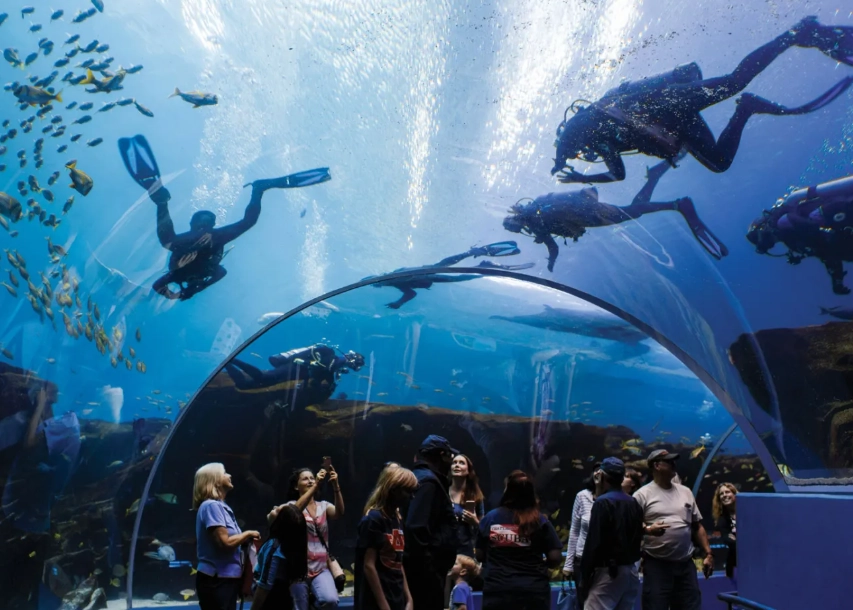
What is the Georgia Aquarium Dive Experience Really Like?
The Georgia Aquarium, located in Atlanta, offers a dive program called "Journey with Gentle Giants." It's a controlled scuba experience in the Ocean Voyager exhibit, which holds 6.3 million gallons of water. Think of it as diving in a giant, pristine tank—no waves, no currents, just you and thousands of fish. But here's the thing: it's more intense than you might expect. The scale is overwhelming. On my first dive, I remember floating there, staring up at a whale shark that looked like a subway car gliding overhead. It's serene but also surreal.
The logistics are straightforward. You need to be at least 12 years old and certified as an Open Water Diver by agencies like PADI or NAUI. They verify this rigorously—I saw someone turned away because their certification card was expired. The dive lasts about 30 minutes underwater, with a total experience time of around 3 hours including briefing and gear-up.
Key Details at a Glance: Address: 225 Baker St NW, Atlanta, GA 30313. Operating hours for dives vary, but slots typically run from 9 AM to 3 PM daily, with weekends booking up fast. General aquarium admission isn't included in the dive price, so if you want to explore the rest of the exhibits, factor that in. Parking is in the adjacent garage, and it's not cheap—plan for $15-$20.
Requirements and Certifications: More Than Just a Card
Beyond the basic certification, they require a medical form signed by a doctor if you have any health issues. I had a friend with mild asthma who needed clearance, which added extra steps. The aquarium staff are professional, but they're not babysitters—you're expected to manage your own buoyancy and air consumption. If you're rusty, consider a refresher course beforehand. The water temperature is a constant 76°F (24°C), which feels warm initially but can get chilly; I regretted not bringing a thicker wetsuit.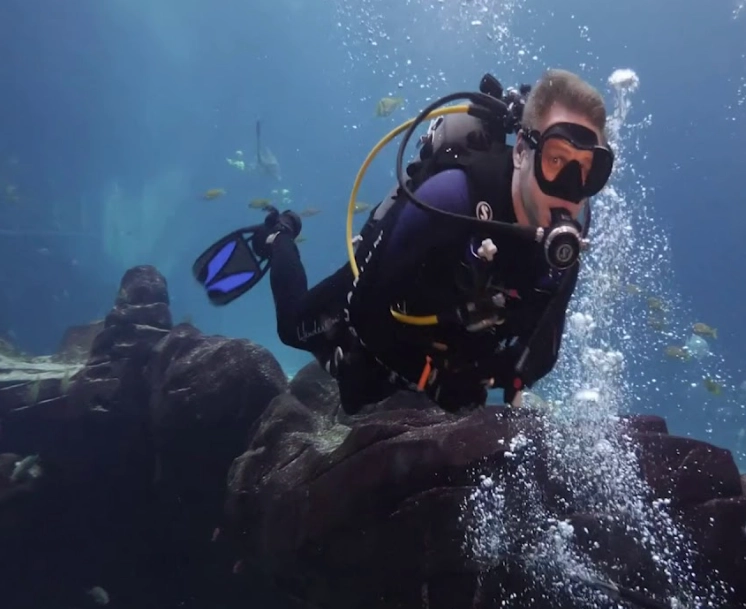
How to Book Your Dive: Steps, Costs, and Hidden Fees
Booking is done online through the Georgia Aquarium website. It's a straightforward process, but here's where many slip up. Prices start at $290 per person, but that's the base rate. During peak seasons like summer or holidays, it can jump to $350 or more. I booked last minute once and paid a premium—so plan ahead.
| Item | Cost Estimate | Notes |
|---|---|---|
| Base Dive Experience | $290 - $350 | Varies by season and time slot |
| Gear Rental (optional) | $30 - $50 | For mask, wetsuit, or fins if needed |
| Parking | $15 - $20 | At aquarium garage, cashless payment |
| General Admission (add-on) | $40 - $50 | If you want to visit other exhibits |
| Photos/Video Package | $50 - $100 | Professional shots, but pricey |
The aquarium requires a non-refundable deposit at booking, usually 50%. Cancellation policies are strict—if you cancel within 48 hours, you lose the deposit. I learned this the hard way when a flight got delayed. Also, they don't mention that the dive price includes basic gear, but if you want a better mask or full wetsuit, rentals add up. For a family of four, the total can easily cross $1,200. It's an investment, but compared to a dive trip to the tropics, it's accessible and unique.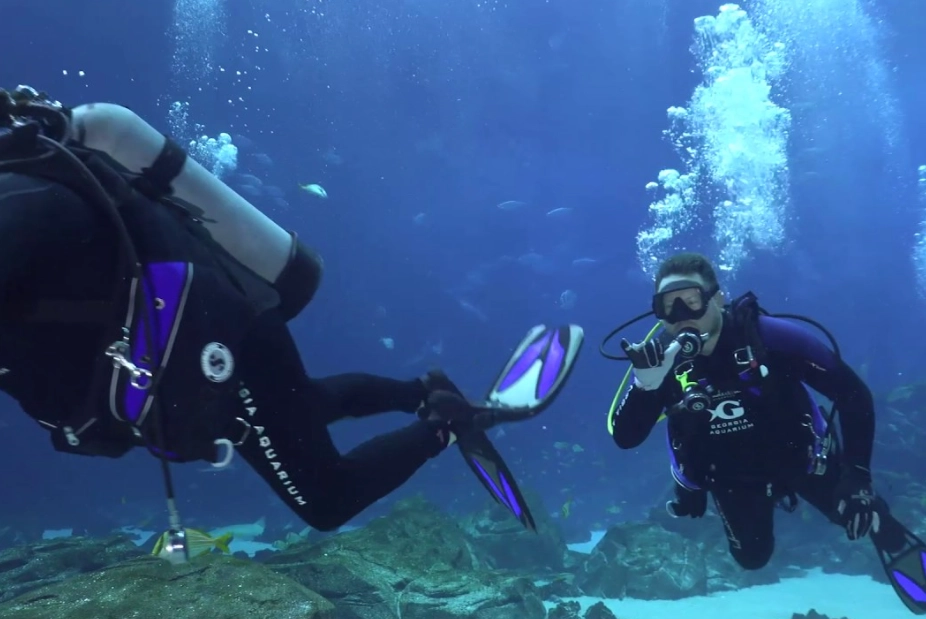
Transportation and Timing Tips
Getting there is easy if you're driving—take I-75/85 to downtown Atlanta. Public transport is an option via MARTA to the Dome station, but with dive gear, it's a hassle. Arrive at least 90 minutes before your slot for check-in. The briefing is thorough, covering hand signals and safety, but it can feel rushed if you're late. Morning dives are best; the animals are more active, and the crowds are thinner. Afternoon slots can get busy with aquarium visitors peering in from the tunnels, which feels a bit like being in a fishbowl yourself.
What You'll See Underwater: Marine Life Up Close
This is the highlight. The Ocean Voyager exhibit is home to whale sharks, manta rays, giant groupers, and schools of smaller fish. But let's be realistic—you won't see every animal up close. The whale sharks, the stars of the show, are majestic but often keep their distance. On my dives, they came within 10-15 feet, but I've heard stories where they stayed farther away. The rays, however, are more interactive; they glide right past you, sometimes brushing against your tank.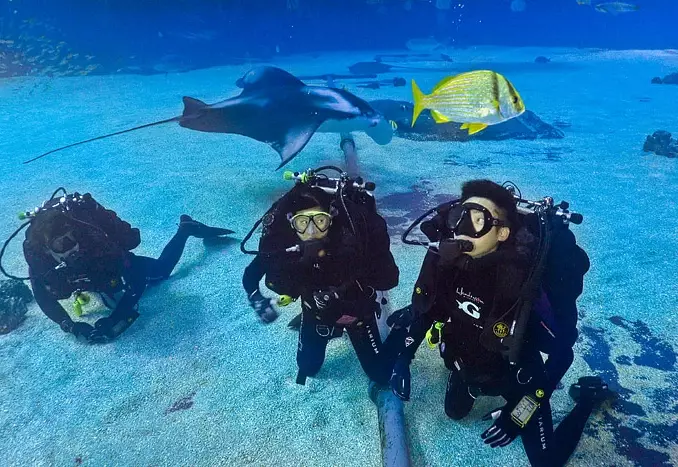
Here's a breakdown of what you might encounter:
- Whale Sharks: Four of them, each over 20 feet long. They're filter feeders, so they're harmless, but their size is awe-inspiring.
- Manta Rays: Several species with wingspans up to 12 feet. They're curious and often swim in loops near divers.
- Schooling Fish: Thousands of jacks, tarpon, and snappers that form moving walls around you.
- Other Species: You might spot sea turtles, giant groupers, or even the occasional zebra shark.
One thing they don't advertise well: you can't touch the animals. It's strictly enforced, and I saw a diver get a warning for reaching out. The experience is about observation, not interaction. The visibility is perfect—crystal clear—but that also means every move you make is visible to the audience above. It adds a performative element that some divers find distracting.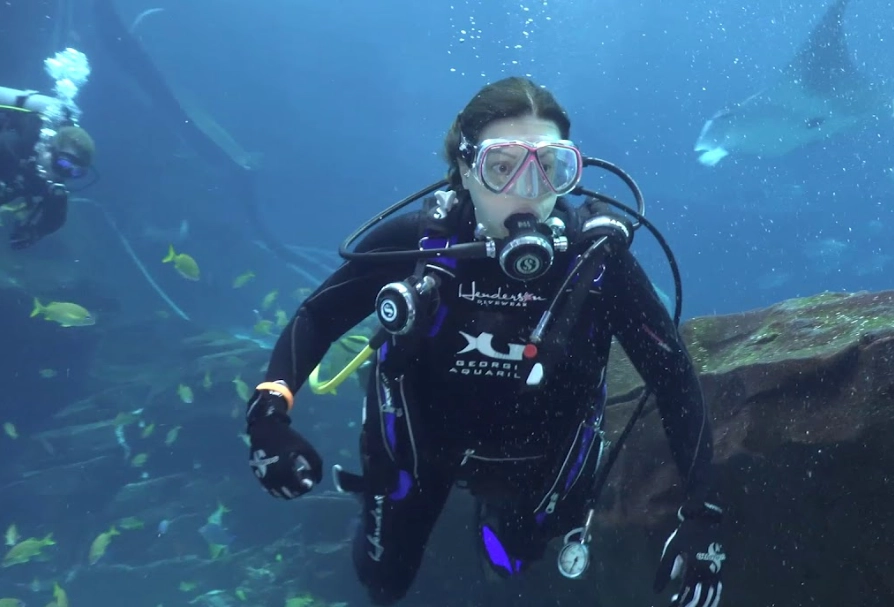
Personal Experience and Insider Tips
I've dived here twice, once as a novice and once more prepared. The first time, I made mistakes: I didn't bring my own mask, and it fogged up halfway through, ruining my view of a whale shark. The second time, I came with my gear and booked an early slot—it was transformative. The staff are knowledgeable, but they're managing groups of up to 10 divers, so personal attention is limited.
My top tips:
- Bring your own mask and wetsuit if possible. The rentals are functional but not great.
- Book at least a month in advance, especially for weekends. Slots fill fast.
- Arrive early to secure locker space and avoid the rush.
- If you're prone to anxiety, practice breathing exercises beforehand—the confined space can feel claustrophobic.
- Don't skip the briefing; they cover emergency procedures that are specific to the aquarium environment.
Also, consider the photo package. It's expensive, but having professional shots of you with the marine life is worth it for memories. I skipped it the first time and regretted it.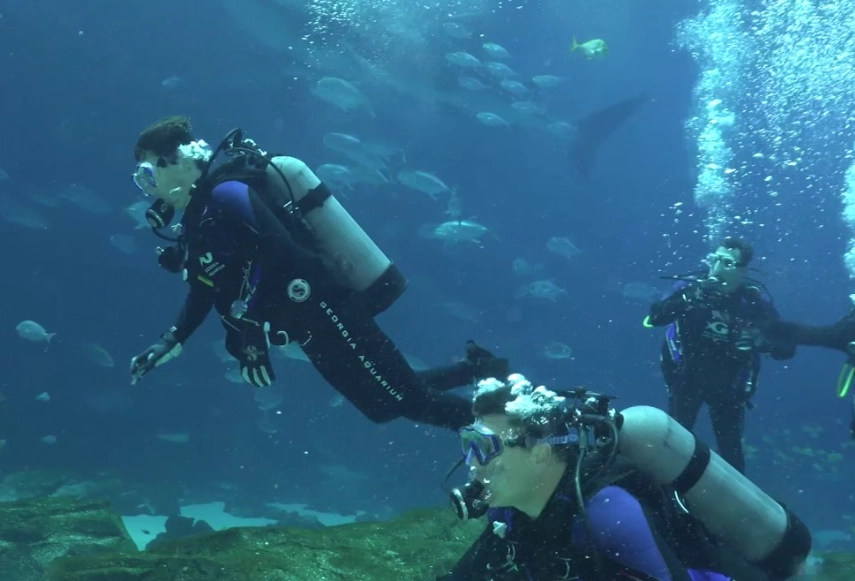
Common Mistakes to Avoid for First-Timers
Based on my observations and chats with other divers, here are pitfalls to watch for:
- Underestimating the psychological impact: Even experienced divers can feel overwhelmed by the scale. It's not like ocean diving where you have endless blue; here, you're in a defined space with giant animals. I saw a diver panic and surface early because they couldn't handle the proximity.
- Ignoring the temperature: 76°F sounds warm, but after 30 minutes, you'll feel the chill. Bring a full wetsuit if you get cold easily.
- Forgetting logistics: Parking, timing, and gear rentals add up. Budget accordingly.
- Overlooking certification details: Ensure your certification is current and from a recognized agency. They check thoroughly.
Another subtle point: the dive is guided, but the guides focus on safety, not narration. Don't expect a marine biology lesson underwater—they'll point out animals, but it's up to you to enjoy the spectacle.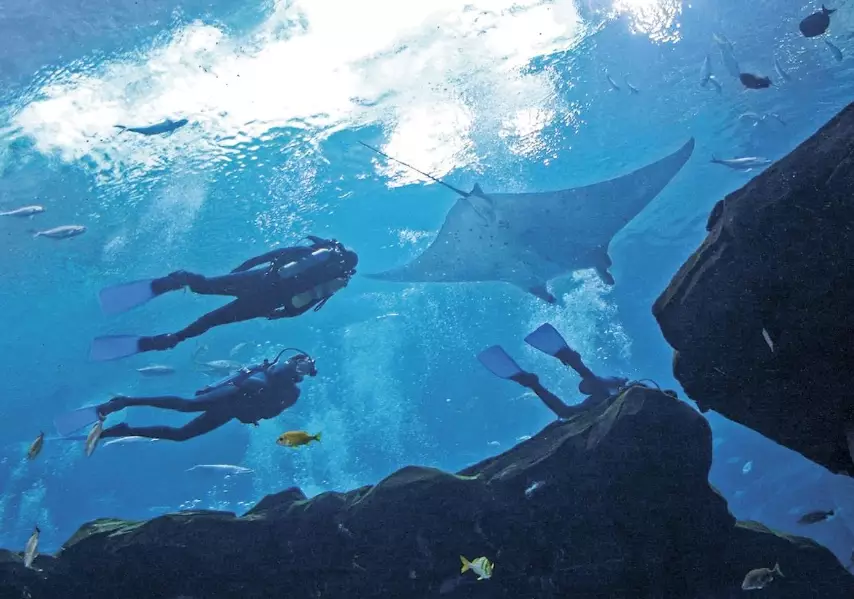
Frequently Asked Questions (FAQ)
In summary, diving in the Georgia Aquarium is a bucket-list experience, but it requires planning and realistic expectations. It's not just a dive; it's an immersion into a meticulously crafted underwater world. For more information, check the official Georgia Aquarium website or refer to diving resources like PADI's guidelines for aquarium dives. Whether you're a seasoned diver or a curious beginner, this adventure offers something unforgettable—just go in with your eyes open.


Comments