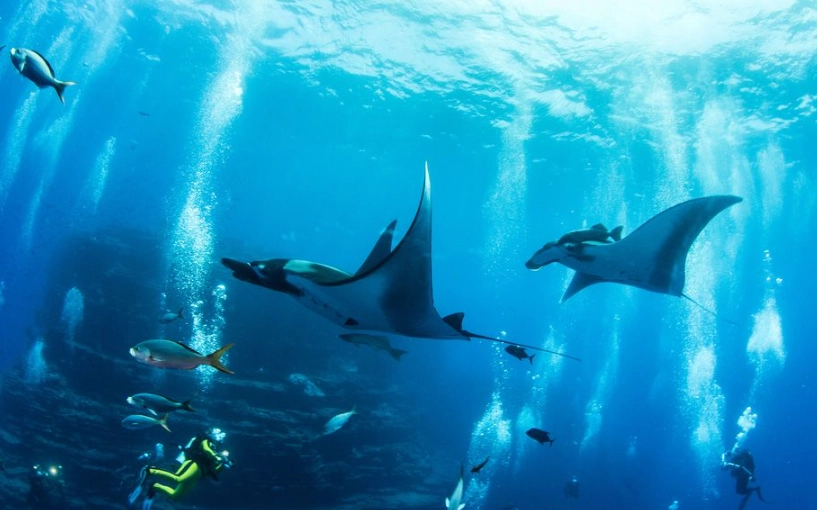
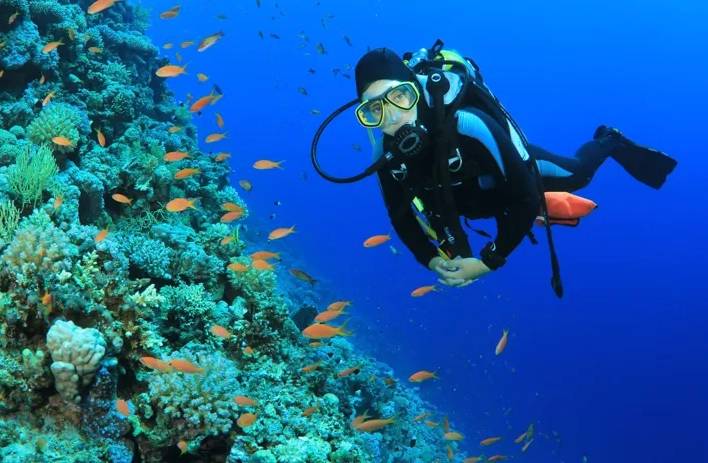
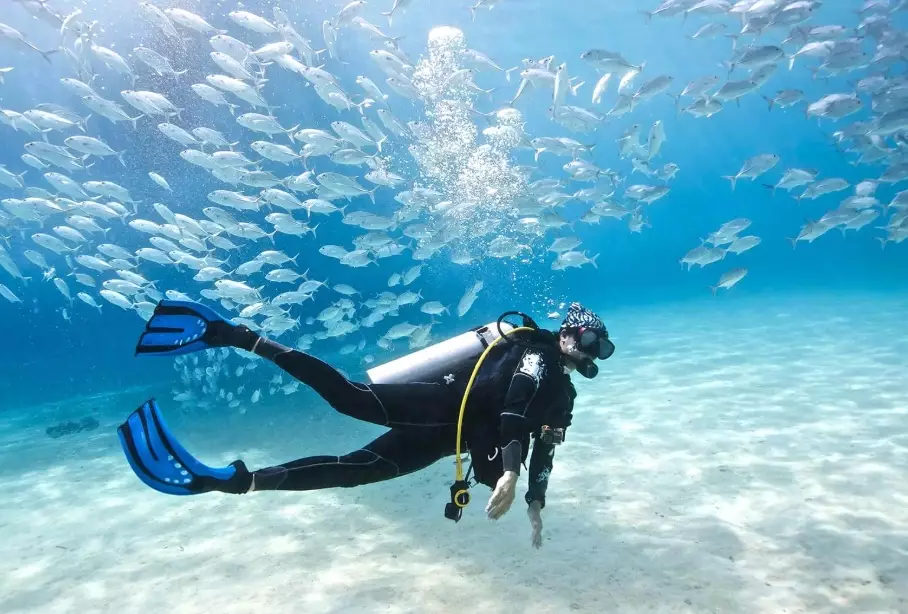
Picture this: you're gliding weightlessly through crystal-clear water, surrounded by thousands of tropical fish. A gentle giant manta ray soars overhead. A school of jacks forms a shimmering wall in front of you. This isn't a remote reef in the Maldives. You're in the heart of a major city, diving in one of the world's most spectacular aquariums.
The short answer is a resounding yes, you absolutely can scuba dive in many aquariums around the globe. But it's not just a gimmick. For many divers, it's a bucket-list experience that offers something even the wildest ocean dive can't: guaranteed, up-close encounters in perfect conditions.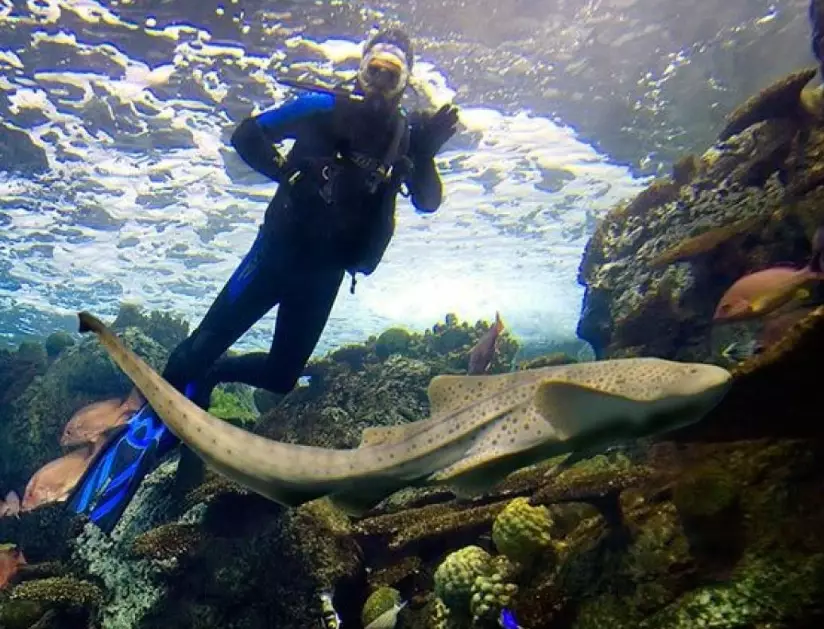
Let's cut through the marketing. Is it worth the price tag? How does it compare to real ocean diving? And which aquariums offer the most unforgettable underwater adventures?
What You'll Discover in This Guide
Why Dive in a Tank? Beyond the Novelty
I was skeptical at first. As someone who's logged dives from the Red Sea to the Great Barrier Reef, the idea of paying to dive in a "fish tank" seemed... less authentic. Then I tried it. The sheer density and variety of marine life was staggering. I was eye-to-eye with a sand tiger shark in a way that felt safe yet thrillingly intimate. It was a different kind of dive, one focused purely on observation and photography in a way the open ocean rarely allows.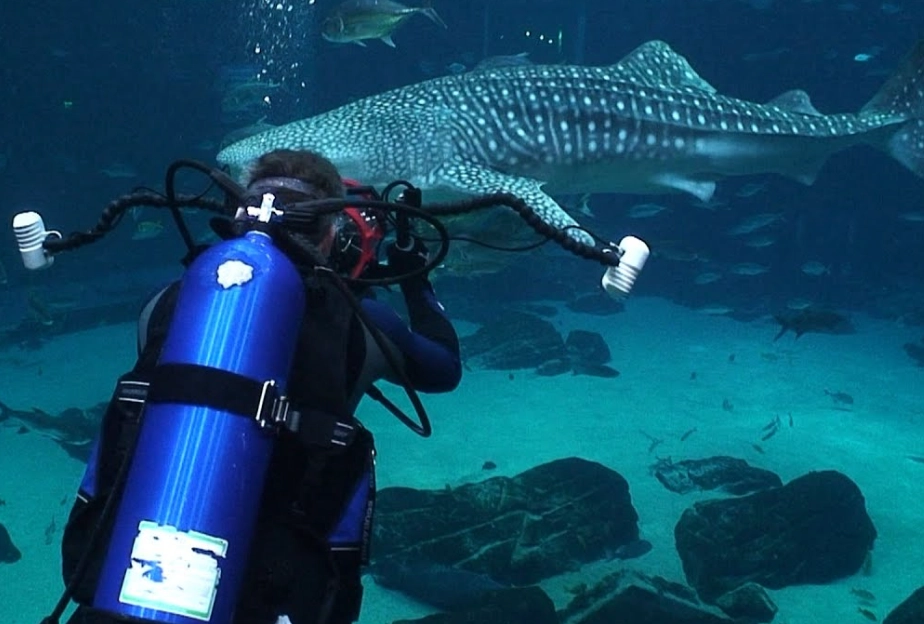
Here's why divers, from beginners to pros, are flocking to these underwater sanctuaries:
- Guaranteed Wildlife Encounters: No more hoping to spot that elusive sea turtle or shark. In a controlled environment, you're swimming with a curated cast of characters. It's a photographer's dream.
- Perfect Conditions, Every Time: Forget about canceled trips due to weather, poor visibility, or strong currents. The water is warm, clear, and calm. It's diving on easy mode.
- Accessibility and Safety: It's a phenomenal way for non-divers to try scuba in a supremely safe setting. For certified divers with less-than-confident buddies or family members, it's a perfect shared adventure.
- Conservation and Education: Your participation fee directly supports the aquarium's conservation, rescue, and breeding programs. The dive briefing often includes fascinating insights into animal behavior and the threats they face in the wild, from organizations like the National Oceanic and Atmospheric Administration (NOAA).
How is Aquarium Diving Different from Ocean Diving?
Think of it as two sides of the same coin. One offers adventure and the unknown; the other offers intimacy and consistency.
| Aspect | Aquarium Diving | Ocean Diving |
|---|---|---|
| Visibility | Consistently 100+ feet. Perfect for photos. | Variable. Can be 5 feet or 150 feet. |
| Wildlife | Predictable, dense, diverse. Guaranteed sightings. | Unpredictable. The thrill of the hunt. |
| Safety & Environment | Controlled, no currents, warm water, immediate safety support. | Natural elements, variable conditions, boat/beach access required. |
| Buoyancy Skills | Critical. You must be a "hovering pro" to avoid damaging the habitat. | Important, but sand or reef contact is more forgiving (though not advised). |
| Cost | Higher upfront cost ($200-$500+), all-inclusive. | Variable. Can be cheaper per dive, but travel/gear adds up. |
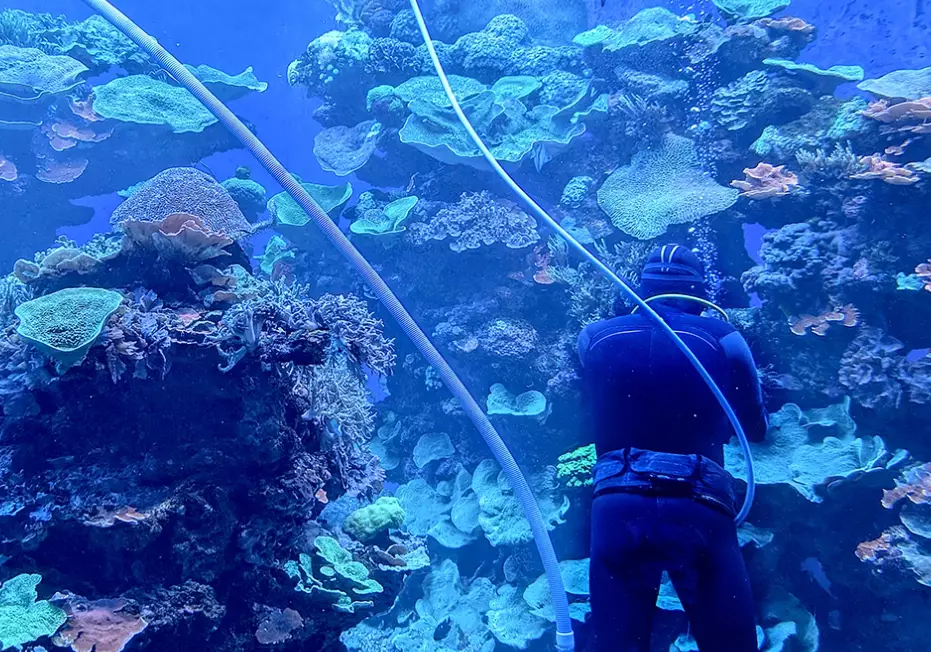
That last point on buoyancy is crucial and rarely discussed. In the ocean, if you accidentally kick the sand, it settles. In an aquarium, you're inside a finely tuned ecosystem. A clumsy fin kick can cloud the water for other divers and stress the animals. The guides watch you like a hawk. If your buoyancy is shaky, they'll keep you on a very short leash—sometimes literally holding your tank valve. It's humbling.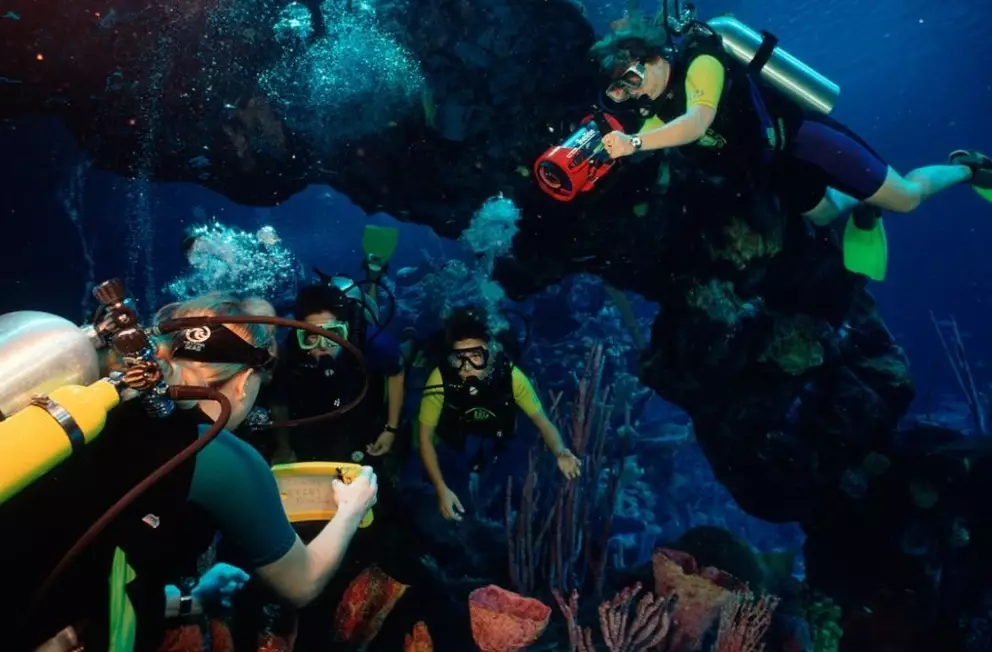
Top Aquarium Dive Programs Around the World
Not all aquarium dives are created equal. Some are small, fish-only encounters. Others are epic journeys into habitats that rival small oceans. Here are a few standouts that deliver a world-class experience.
Georgia Aquarium (Atlanta, USA) – Ocean Voyager
This is the granddaddy of them all. Diving in the 6.3-million-gallon Ocean Voyager exhibit is a legitimate pilgrimage. You're sharing the water with whale sharks, manta rays, and thousands of other pelagic fish. The scale is mind-boggling. It's the closest most will ever get to diving in the open ocean without leaving the continent.
- Program: "Journey with Gentle Giants."
- Price Range: Starts around $350 for certified divers. Non-certified "Swim" programs are also available.
- Vibe: Awe-inspiring, slightly surreal. You feel very, very small.
The Dubai Aquarium & Underwater Zoo (Dubai, UAE)
Talk about a backdrop. You dive in the colossal tank at the center of the Dubai Mall, with hundreds of shoppers watching from the tunnel and viewing panel. It's a unique blend of high-octane marine life and high-end retail. The tank is packed with sand tiger sharks, giant groupers, and stingrays. It's a theatrical, unforgettable experience.
- Program: "Shark Dive" and "Aquarium Dives."
- Price Range: Approximately $200-$400 depending on the package.
- Vibe: Glamorous, adrenaline-filled, perfect for an Instagram story.
Okinawa Churaumi Aquarium (Okinawa, Japan) – Kuroshio Sea
Home to the first successful captive breeding of manta rays, Churaumi offers a dive in its massive Kuroshio Sea tank. The experience is more serene and focused on the graceful ballet of the mantas and the large schools of trevally. The Japanese approach is meticulous, respectful, and deeply educational.
- Note: Programs are often suspended or have limited availability. Advanced booking and checking current status is essential.
- Vibe: Peaceful, majestic, and deeply connected to Okinawan marine science.
Many excellent local options exist too, like the SEA LIFE centers across Europe and Australia or the Ripley's Aquariums in North America. They often offer more intimate, shark-focused dives at a slightly lower price point, making them a fantastic introduction.
How to Book an Aquarium Scuba Dive Experience
Ready to take the plunge? Don't just show up. Here's the smart way to plan your tank dive.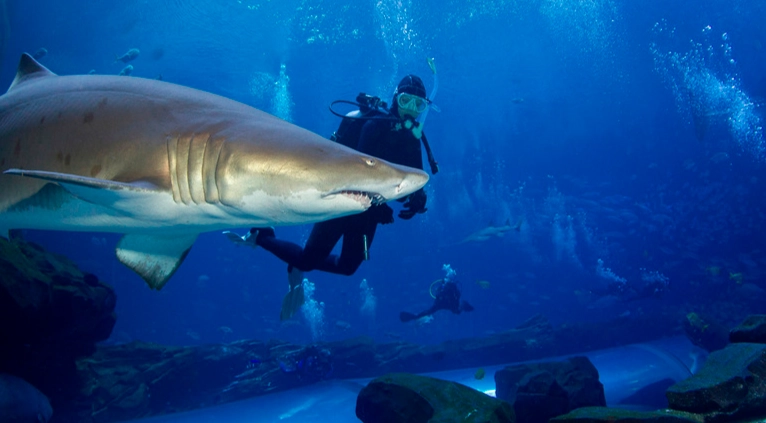
Step 1: Research and Choose Your Aquarium
What's your priority? Whale sharks? Sharks in general? Photography? Check the aquarium's official website for their "Animal Experiences" or "Dive Programs" page. Look for recent participant reviews on TripAdvisor for unvarnished truth about the guide quality and animal activity.
Step 2: Check Requirements Meticulously
This is where people get tripped up.
- Certification: Do they accept non-certified divers via a "Discover Scuba Diving" program? For certified divers, is Open Water enough, or do they require Advanced or a minimum number of dives?
- Age & Health: Minimum age is usually 10-12. You'll need to complete a medical questionnaire. If you have any doubts, get a doctor's clearance beforehand.
- What's Provided: All gear is provided. You typically just need a swimsuit. They'll supply wetsuit, regulator, BCD, etc.
Step 3: Book Well in Advance
These experiences sell out, especially on weekends and holidays. Book online directly through the aquarium's website for the best availability and to ensure you're getting the official program.
Step 4: Prepare on the Day
Arrive early. You'll fill out paperwork, get a detailed briefing (covering hand signals, animal interaction rules, and emergency procedures), and get fitted for gear. The briefing is long but vital—listen up.
Step 5: The Dive Itself
You'll be guided in a small group. Follow their instructions precisely. Focus on your breathing and buoyancy. Look, but don't touch. The time flies, so soak in every moment. Most dives are 30-40 minutes, which feels much longer due to the sensory overload.
Your Aquarium Dive Questions, Answered
Let's tackle the specifics that keep popping up.
 So, can you scuba dive in an aquarium? Not only can you, but you probably should—at least once. It's not a replacement for the wild, unpredictable beauty of the ocean. It's something else entirely: a chance to become part of a living diorama, to connect with marine life in a profound and accessible way, and to support global conservation efforts with your ticket. Just remember to practice your hovering.
Comments