Let's cut straight to it. Yes, you absolutely can scuba dive at the Georgia Aquarium in Atlanta, and it's one of the most surreal diving experiences on the planet. It's not a trick question or a hypothetical. For certified divers, swimming alongside whale sharks, manta rays, and thousands of other fish in the 6.3-million-gallon Ocean Voyager exhibit is a real, bookable adventure. But before you start packing your fins, there's a massive list of "buts" and "hows" you need to understand. This isn't your local quarry dive. The price, the requirements, and the sheer scale of it all demand a proper guide. I've talked to divers who've done it, sifted through the fine print, and I'm here to give you the complete picture—not just the marketing brochure version.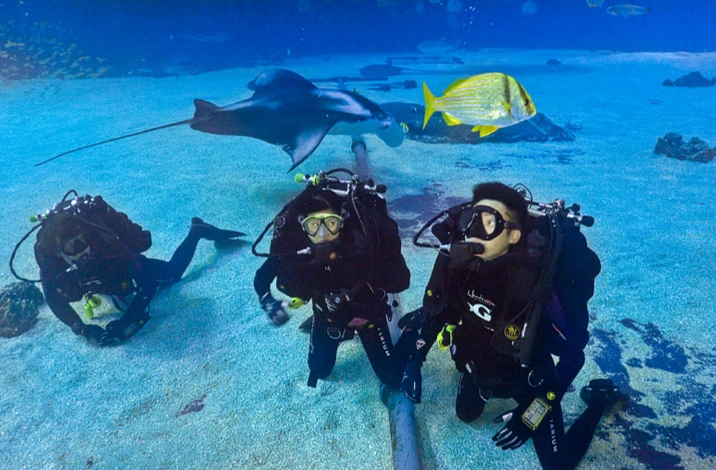
Your Dive Plan at a Glance
What It's Really Like Down There
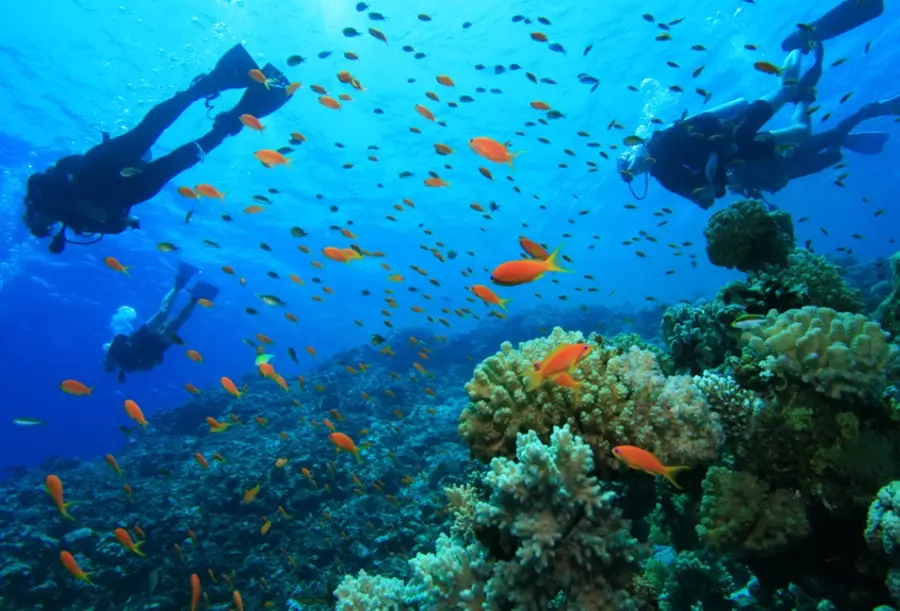
Imagine descending into crystal-clear, 70-degree water. The first thing that hits you isn't the temperature—it's the silence, broken only by your own bubbles. Then you see it. A school of enormous grouper glides past, utterly uninterested in you. A spotted eagle ray soars overhead like an underwater bird. And then, in the blue distance, the silhouette appears. A whale shark, the size of a school bus, moving with a gentle, effortless power that makes you feel incredibly small.
That's the "Journey with Gentle Giants" dive. The dive lasts about 30 minutes in the water, but the entire experience, from check-in to debrief, takes around 3-4 hours. You're in a group of 8-10 divers, led by two aquarium dive masters. The route is structured; you'll swim along a predetermined path, often pausing as the dive masters point out specific animals or behaviors.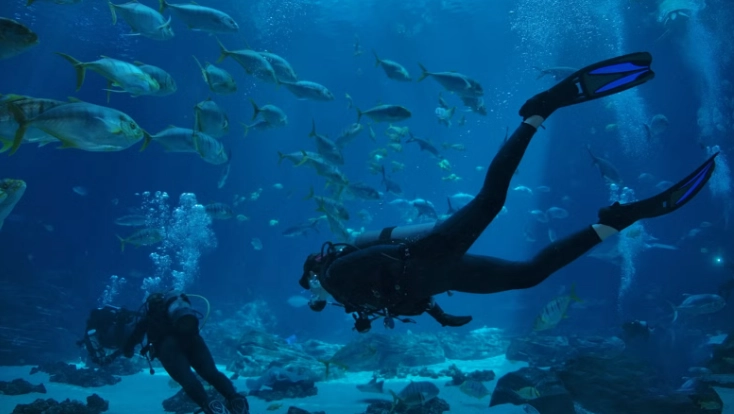
Here's the insider detail most blogs miss: The biggest challenge isn't the animals—it's your own buoyancy and spatial awareness. You're sharing the water with some of the most expensive marine life on Earth, housed behind acrylic walls that cost a fortune. A stray fin kick or losing control and bumping into something is the real no-no. They screen for this with their experience requirements, but it's the mental focus during the dive that matters most.
You're not free to explore every corner. Certain areas, like directly under the giant acrylic tunnel where visitors walk, might be off-limits to avoid disrupting the guest view. It's a managed, conservation-focused experience first, an adventure second. And honestly, that's how it should be.
Choosing Your Dive Package & Costs
There's essentially one main scuba offering for adults, but it's crucial to know what you're paying for and what your alternatives are if you're not certified.
| Experience | Who It's For | Approx. Cost (Per Person) | What's Included |
|---|---|---|---|
| Journey with Gentle Giants (Scuba) | Certified divers (18+) with 10+ logged dives. | $350+ (varies) | 30-min dive, all gear, dive masters, souvenir shirt, digital photos, full-day aquarium admission. |
| Journey with Gentle Giants (Snorkel) | Anyone 12+ (min height req.). No experience needed. | $250+ (varies) | 30-min surface snorkel, gear, guide, shirt, photos, admission. |
| Sea Lion & Dolphin Presentations | General visitors. No water entry. | Included with general admission. | Theatrical shows from the stands. |
The price tag is steep. You're paying for exclusive access, expert oversight, animal care, and the mind-blowing facility itself. It's a bucket-list splurge. General admission, for comparison, is around $40-$50. Think of the dive cost as the premium for getting inside the world's most famous fish tank.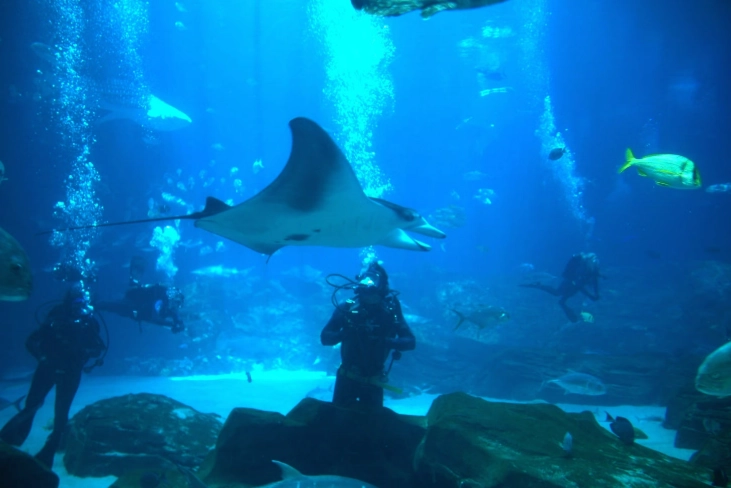
You must book in advance. Spots fill up weeks, sometimes months, ahead, especially for weekends and holidays. The official Georgia Aquarium website is the only booking channel.
The Strict Requirements: Are You Qualified?
This is where many get tripped up. The aquarium isn't being snobby; they're managing risk in an incredibly sensitive environment.
Mandatory Credentials
- Certification: A current Open Water Diver certification (or higher) from PADI, NAUI, SSI, or an equivalent recognized agency. Your e-card or physical card is required.
- Logbook Proof: A minimum of 10 logged open water dives. They may ask to see your logbook. This isn't the place for a diver with 4 quarry dives since certification.
- Age: You must be 18 or older.
- Medical: You'll complete a comprehensive medical questionnaire. Any "yes" answers to conditions like heart issues, asthma, or recent surgeries may require a doctor's clearance.
The Unwritten Skill Test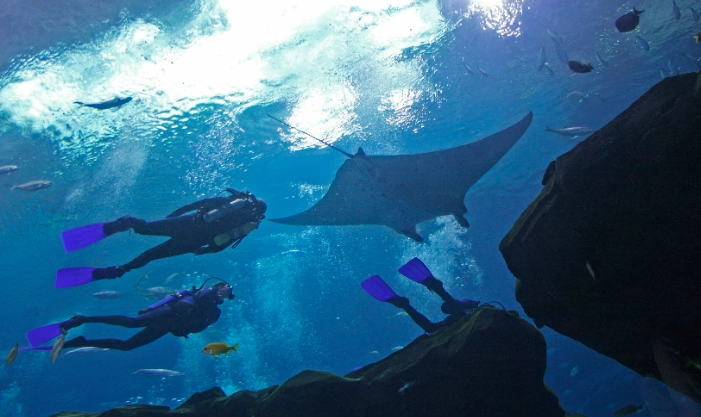
Beyond the paperwork, you need demonstrable comfort in the water. If you get nervous in low visibility, struggle with buoyancy, or haven't dived in over a year, this will be stressful. The aquarium staff are pros, but they're not there to give you a buoyancy refresher. They expect you to show up dive-ready.
A common mistake? Assuming a warm, clear aquarium is easier than the ocean. The confinement and the sheer size of the animals can be psychologically intense. It's easier in some ways, harder in others.
Step-by-Step Booking & Preparation Guide
Let's make this actionable. Here's exactly what to do, from now until you're in the water.
Step 1: Audit Your Qualifications. Right now, check your certification card and logbook. Do you have 10 dives? Has it been more than 12 months since your last dive? If yes, book a refresher course with a local dive shop immediately.
Step 2: Pick Your Date & Book Early. Go to the Georgia Aquarium's "Experiences" page. Select your date far in advance. Have your certification info ready during booking. You'll pay upfront.
Step 3: Handle Logistics.
Address: Georgia Aquarium, 225 Baker St NW, Atlanta, GA 30313.
Parking: The aquarium garage is convenient but pricey ($20+). Look for nearby parking apps for cheaper lots.
Check-in: Arrive at the "Group & Experience Check-in" desk at least 90 minutes before your scheduled time. Not the main ticket line.
Step 4: What to Bring. Your certification card, a government-issued ID, swimsuit, and a towel. That's it. They provide all dive gear, including wetsuits. Don't bring your own reg or BCD unless you have a specific medical need (and have cleared it beforehand).
Step 5: The Pre-Dive Process. You'll change, get fitted for gear, attend a detailed safety briefing (they'll emphasize the no-touch, no-chase rules), and then walk to the dive platform. The entry is a giant stride off a platform into the exhibit. And then, the magic begins.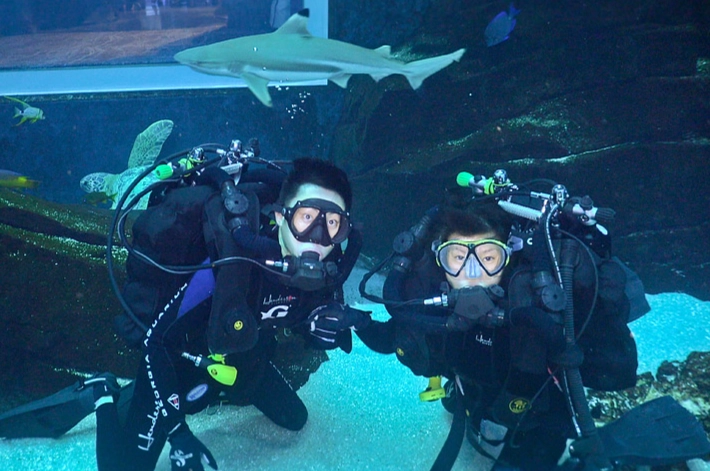
Your Top Questions, Answered
So, can you scuba dive at the Atlanta aquarium? Unequivocally, yes. But it's a privilege with a high barrier to entry—in cost, certification, and skill. It's not a casual swim. For the certified diver who meets the bar, it's a transcendent experience that blurs the line between observing nature and being a temporary part of it. You're not just watching the fish; for 30 minutes, you're in their world, following their rules. And that perspective is worth every penny and every bit of preparation.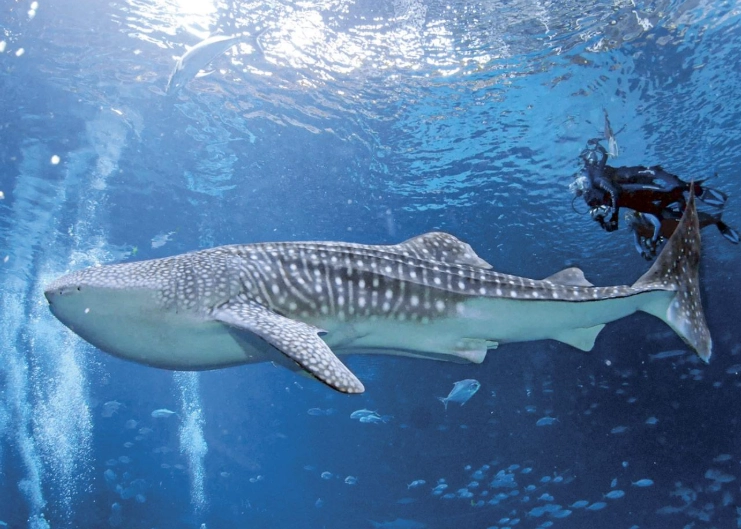
Your next step is simple. Check your logbook. If the numbers and dates add up, head to the Georgia Aquarium site and secure your spot. The whale sharks aren't going anywhere, but your chance to join them is a ticket that sells out fast.

Comments