Ask ten divers for their top diving destinations, and you might get fifteen different answers. That's the beauty of this sport—it's deeply personal. One person's paradise is a serene coral garden in Fiji, while another's is a thrilling drift dive alongside hammerheads in the Galápagos. After logging dives from the Arctic to the tropics, I've learned that the "best" spot isn't about a universal ranking. It's about the perfect match for what you want to feel, see, and experience beneath the surface.
This guide cuts through the generic lists. We'll explore iconic sites and hidden gems, but more importantly, we'll talk about why they're special and who they're for. Because booking a flight to Palau only to find you're not comfortable with strong currents is a quick way to ruin a dream trip.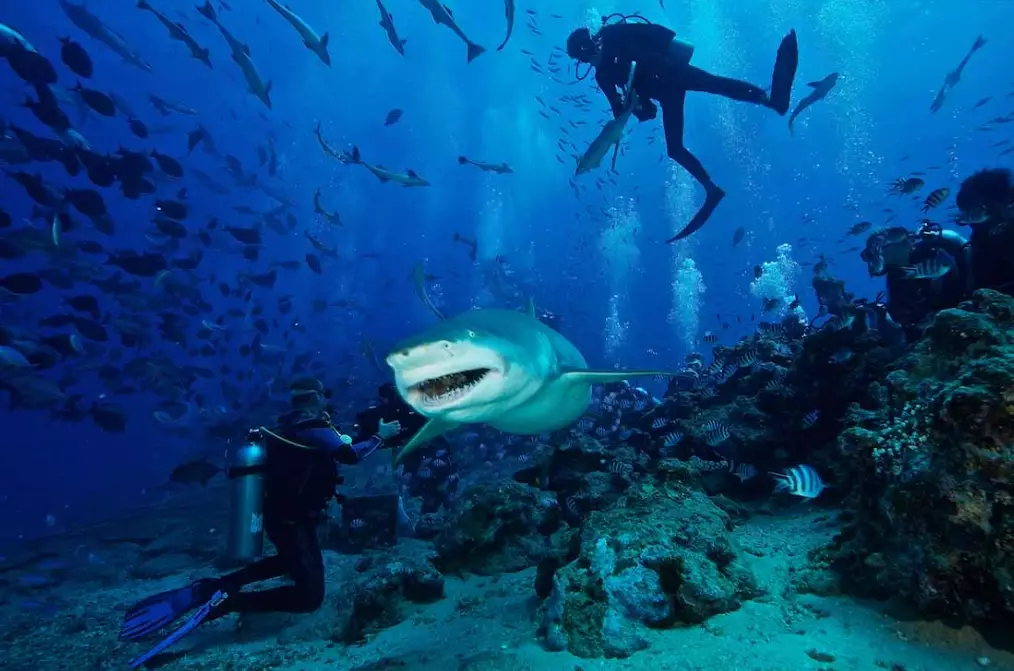
Your Dive Trip Blueprint
The Heavy Hitters: Iconic Must-Sees
These places are famous for a reason. They deliver consistent, world-class diving that often defines a region's underwater identity. Expect stunning visuals, but also expect company—these sites are popular.
The Great Barrier Reef, Australia
Let's address the elephant in the room first: yes, parts have suffered from bleaching. But declaring the entire GBR "dead" is a massive oversimplification. The reef is a massive system, roughly the size of Italy. Resilient sections, particularly in the far north and outer reefs, still burst with color and life. I was on the Spirit of Freedom liveaboard last year, and at sites like the Ribbon Reefs, the coral coverage was staggering—plate corals the size of dinner tables, soft corals in electric purples, and fish so dense they blocked the light.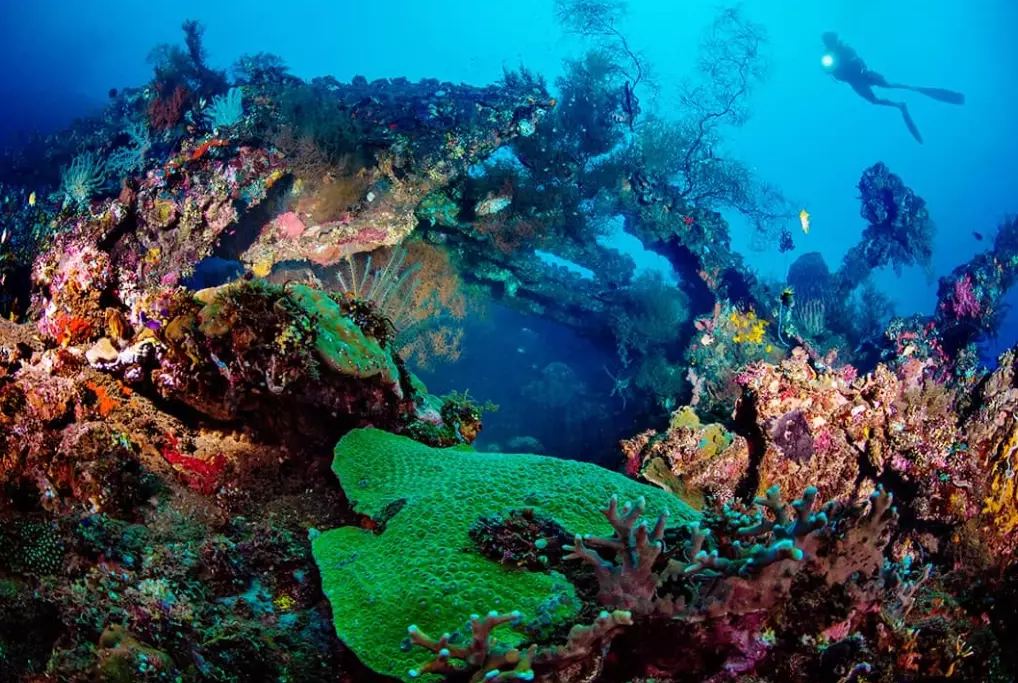
Great Barrier Reef Fast Facts
Best for: Macro life, coral diversity, beginner to intermediate divers (on selected reefs).
Peak Season: June to November (cooler, drier, best visibility).
Don't Miss: The Cod Hole (friendly potato cod), the Yongala Wreck (a marine life magnet).
Base Yourself: Cairns or Port Douglas for liveaboard access. Day trips can be hit-or-miss; invest in a multi-day liveaboard to reach pristine outer reefs.
Awareness: Choose operators with advanced eco-certification (like Ecotourism Australia) who actively support reef research.
Palau, Micronesia
Palau isn't a gentle dive. It's an action movie. The currents are the star here, funneling nutrients and attracting pelagics. Blue Corner is the legendary site—you hook into the reef with a reef hook and float in the current like a kite, watching sharks, eagle rays, and Napoleon wrasse cruise by. It's advanced diving. If you have less than 50 dives or poor buoyancy control, you'll be a hazard to yourself and the reef. But if you're ready, it's pure adrenaline and awe.
Galápagos Islands, Ecuador
This is cold water, strong currents, and sometimes challenging conditions. You don't come for the coral. You come for the wildlife spectacle that feels prehistoric. Schools of hammerhead sharks at Darwin's Arch, marine iguanas grazing underwater, playful sea lions, and penguins darting past. It's a liveaboard-only destination, and trips are expensive. But as a marine biologist friend put it, "It's less of a dive trip and more of a pilgrimage."
| Destination | Signature Experience | Skill Level | Water Temp | Travel Note |
|---|---|---|---|---|
| Great Barrier Reef | Vast coral ecosystems, macro life | Beginner - Advanced | 24-30°C (75-86°F) | Liveaboards essential for best sites |
| Palau | High-voltage drift dives with sharks | Advanced+ | 28-30°C (82-86°F) | Strong currents; reef hooking required |
| Galápagos | Large pelagics & unique endemic species | Advanced+ | 18-24°C (64-75°F) | Cold, challenging; liveaboard only |
| Raja Ampat, Indonesia | Ultimate biodiversity, pristine reefs | Intermediate - Advanced | 28-30°C (82-86°F) | Remote; requires time & budget |
| Cozumel, Mexico | Effortless, colorful drift dives | Beginner - Intermediate | 26-28°C (78-82°F) | Easy access, great for beginners |
Beyond the Brochure: Hidden Gems for the Curious Diver
Sometimes the magic lies off the beaten path. These spots offer incredible diving with fewer crowds, often because they're harder to get to or just less marketed.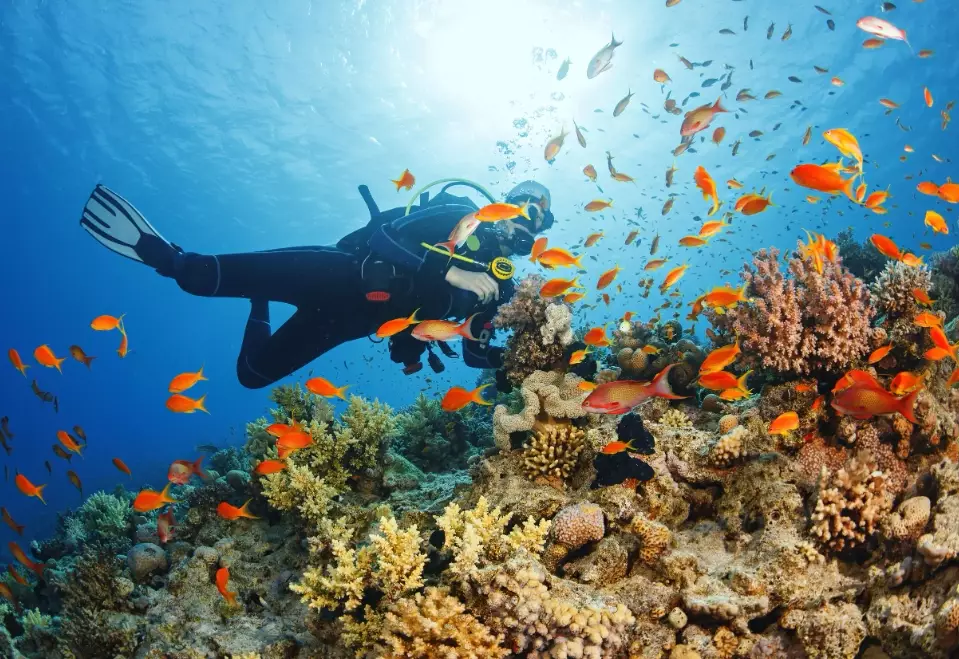
Silfra Fissure, Iceland
This is the only place you can dive between two continental plates (North American and Eurasian). The glacial water filtered through porous lava rock is so clear, visibility exceeds 100 meters. You drink it through your regulator. It's a shallow, cold (2-4°C/35-39°F) dive, more about the surreal landscape and purity than fish. You need a drysuit certification. It's a logistical one-off, not a dive vacation, but it's an experience that reshapes your definition of what diving can be.
Socorro Islands, Mexico
Nicknamed "Mexico's Galápagos," this remote archipelago, a 24-hour boat ride from Cabo San Lucas, is for giant creature lovers. From November to May, you're almost guaranteed encounters with giant Pacific manta rays with wingspans over 6 meters. Humpback whales, dolphins, and sharks are common. The diving is big, blue, and often in current. It's a liveaboard adventure where the boat is your moving hotel for 8-10 days.
Here's a personal take: we spent 45 minutes with a curious manta that kept looping back to look at its reflection in our diver's dome port. No cages, no baiting. Just wild, curious interaction.
How do I choose the right diving destination for me?
Forget the Instagram top 10 list. Start with an honest self-assessment.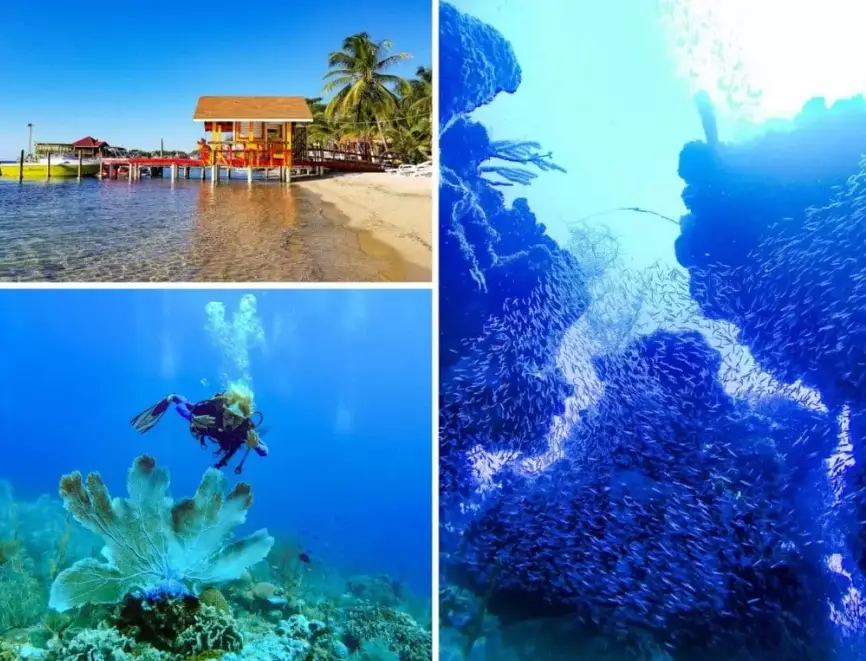
- Your Skill Level & Comfort: How many dives do you have? Are you confident in current? Be brutally honest. An intermediate diver will have more fun in Cozumel's easy drifts than being overwhelmed in Palau.
- What Fascinates You? Tiny critters (muck diving in Lembeh Strait), big animals (Socorro), historic wrecks (Truk Lagoon), or pristine coral walls (Fiji)? Pick your passion.
- Travel Realities: Budget, time, and travel companions. A 10-day liveaboard in remote Raja Ampat is a different commitment than a long weekend of shore diving in Bonaire.
- Seasonality is Everything: A destination can be world-class one month and a stormy, murky mess the next. Research the specific best months for visibility and animal activity.
My rule of thumb: if you're under 50 dives, prioritize destinations with reliable, calm conditions and great instruction. Build experience before tackling the expedition-level sites.
What are the essential steps for planning a scuba diving trip?
Planning is half the fun. Here's a streamlined approach.
1. Lock in the Logistics First: Book your liveaboard or dive resort before flights. The best operators fill up a year in advance for peak season. This is your anchor.
2. Gear Check & Certifications: Service your regulator. Get any advanced certifications (Deep, Nitrox, Drift) done locally. Nitrox is a game-changer for reducing fatigue on multi-dive days.
3. Build in Buffer Days: Never fly within 24 hours of a planned dive. Flight delays happen. I always arrive two days early to adjust, meet the operator, and do a gentle check-out dive. This also lets you off-gas before flying home.
4. Insurance is Non-Negotiable: Standard travel insurance won't cover scuba-related incidents or hyperbaric chamber treatment. Get proper dive insurance from DAN (Divers Alert Network) or similar. It's cheap peace of mind.
5. Connect with the Operator: Email them. Ask about typical conditions, what they recommend bringing, and if there are any site-specific requirements. This builds rapport and shows you're prepared.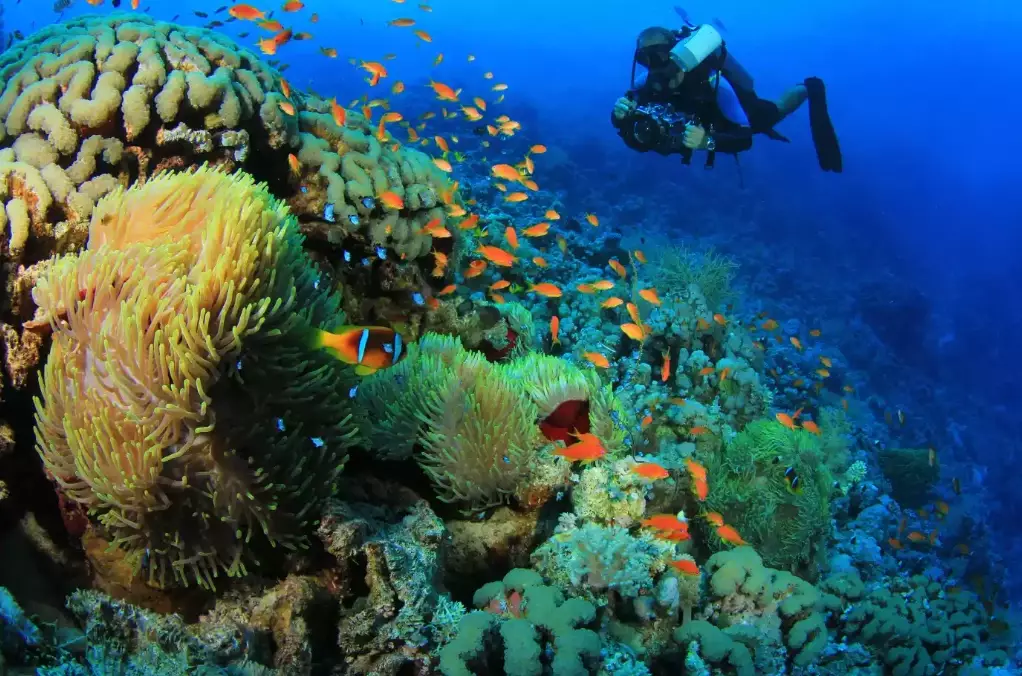
Dive Deeper: Your Questions Answered
The world's top diving destinations are out there, each with its own personality. Your perfect dive isn't on a list; it's the one that matches your skills, stokes your curiosity, and leaves you buzzing on the boat ride back, already dreaming of the next descent. Do your homework, plan smart, and dive safe. The ocean's waiting.
Comments