So you're thinking about diving in the Pacific? Good call. It's not just one place—it's a massive blue playground with everything from tiny nudibranchs to whale sharks. I've been diving here for over a decade, and let me tell you, picking the right spot can make or break your trip. This guide cuts through the hype to show you the best diving spots in the Pacific, with the nitty-gritty on costs, seasons, and how to avoid tourist traps.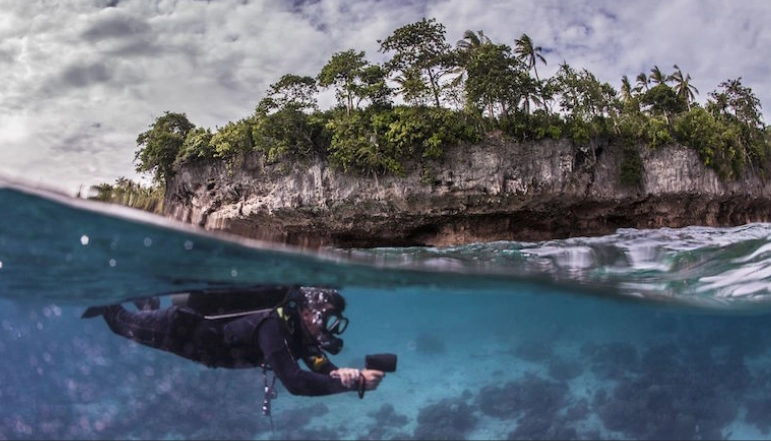
Jump Straight to What Matters
Top 5 Diving Spots in the Pacific You Can't Miss
Forget generic lists. These are spots I've personally dived or guided clients to, and they deliver. Each has its own flavor, so I've broken it down with details you can actually use.
1. Great Barrier Reef, Australia
Yeah, it's obvious, but for a reason. The reef stretches over 2,300 km, but not all parts are equal. Head to the outer reefs like Agincourt Ribbon Reefs near Cairns—visibility hits 30 meters on good days. I once saw a manta ray glide by there, and it never gets old.
Skip the inner reefs if you're after pristine coral—bleaching has hit some areas hard. Check reports from the Great Barrier Reef Marine Park Authority for updates.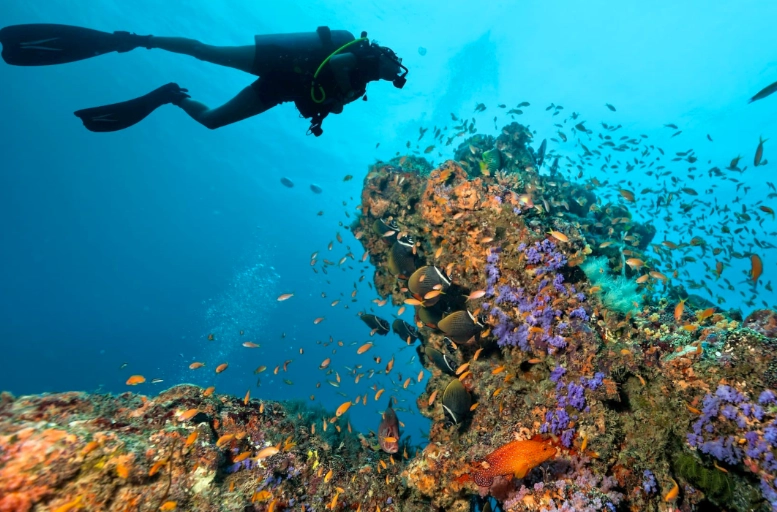
2. Palau, Micronesia
Palau is a hidden gem, but it's getting popular. The Blue Corner wall dive is legendary for shark action, but currents can be fierce. I've seen newbies struggle here, so be honest about your skills.
Jellyfish Lake is a must-do surface snorkel—don't dive it, as bubbles harm the jellies. A local guide told me that, and it's a rule many tourists ignore.
3. Fiji
Fiji is my go-to for variety. The Soft Coral Capital around Taveuni is insane—colors pop like a rainbow. But it's not just about reefs; Shark Reef Marine Reserve near Pacific Harbour lets you dive with bulls and tigers.
Budget tip: Stay on the Coral Coast and dive with local operators. I saved a bundle by avoiding resort packages.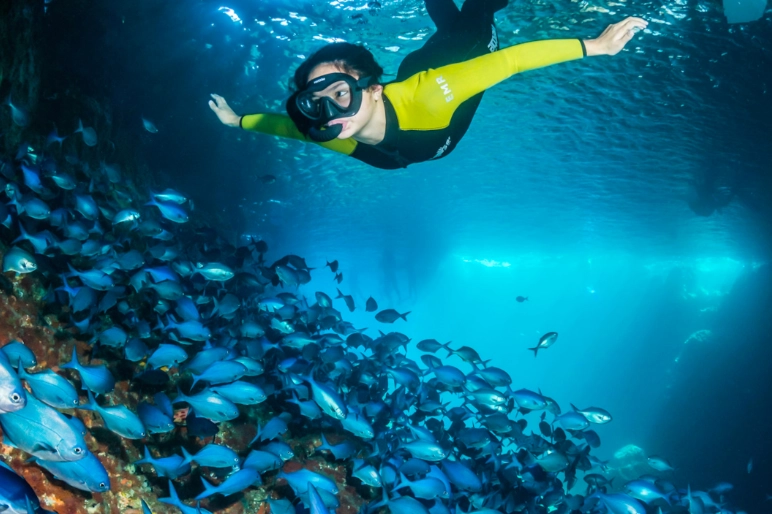
4. Galapagos Islands, Ecuador
This is advanced territory. Darwin and Wolf Islands are for the brave—strong currents, cold water (around 20°C), but hammerheads everywhere. I did a liveaboard here, and it was worth every penny, though seasickness hit half the group.
You need at least 50 logged dives and advanced certification. Don't fudge this—the operators check.
5. Raja Ampat, Indonesia
Raja Ampat is biodiversity central. The reefs are healthier than many Pacific spots, but it's remote. I spent a week on a liveaboard and still didn't see it all.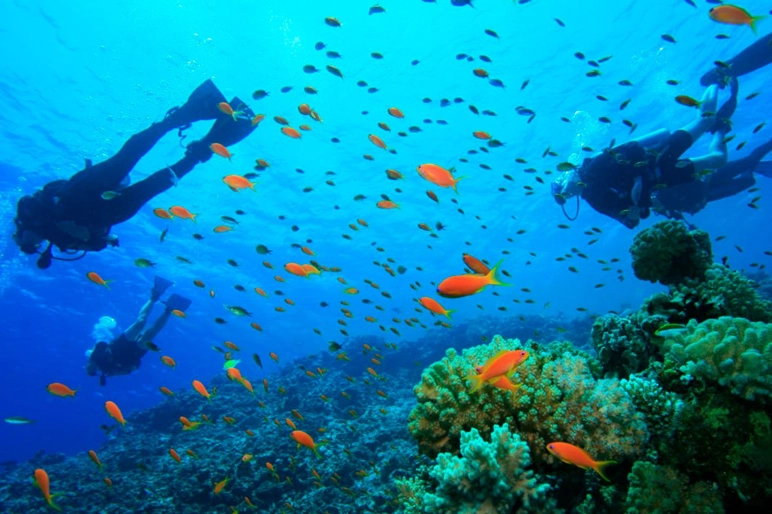
The homestays are basic but authentic. Bring your own gear if you're picky—rental quality varies.
| Diving Spot | Best For | Avg Cost per Dive | Skill Level |
|---|---|---|---|
| Great Barrier Reef | Coral reefs & beginners | $200 AUD | Beginner to Intermediate |
| Palau | Sharks & advanced divers | $120 USD | Advanced |
| Fiji | Soft corals & variety | $80 USD | All levels |
| Galapagos | Pelagics & adventure | $500+ USD (liveaboard) | Expert |
| Raja Ampat | Biodiversity & remote diving | $100 USD | Intermediate to Advanced |
How to Choose the Right Diving Spot for Your Skill Level
Picking a spot isn't just about pretty fish. It's about matching the dive to your logbook. I've seen too many divers get in over their heads—literally.
Beginners: Stick to calm, shallow sites. Great Barrier Reef's outer reefs are good, but avoid the northern sections with currents. Fiji's Beqa Lagoon is perfect—depths under 18 meters, and operators hold your hand. A common mistake? Going to Palau without enough drift dive experience. The currents at Blue Corner can sweep you away if you're not ready.
Intermediate divers: You can handle mild currents. Try Raja Ampat's manta ray sites or Truk Lagoon in Micronesia for wrecks. But check your buoyancy—I've seen divers crash into coral because they focused too much on cameras.
Advanced divers: Go for the big stuff. Galapagos or Cocos Island. These require tech diving skills and comfort in cold, deep water. Don't underestimate the logistics; liveaboards book out months ahead.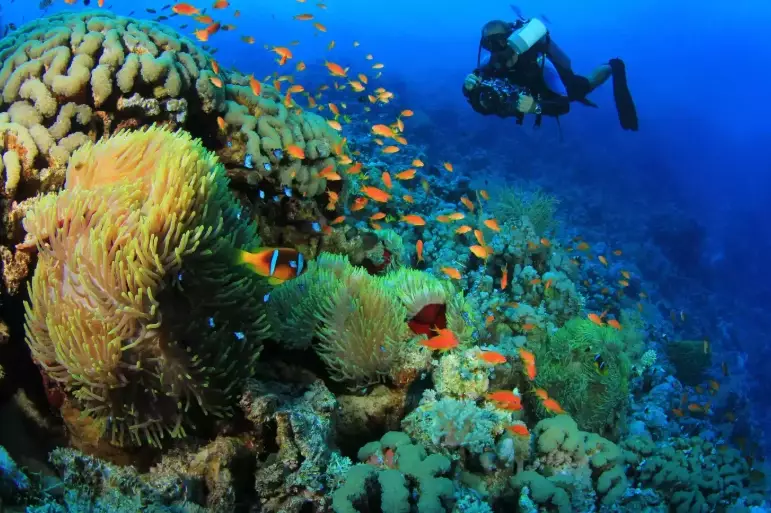
Practical Tips for Planning Your Pacific Diving Adventure
Let's get real. Diving in the Pacific isn't cheap, but you can smarten up your planning.
Budgeting: A week-long trip can run from $1,500 to $10,000. Break it down: flights ($800-$2,000), accommodation ($50-$300/night), diving ($50-$500/day). I save by traveling offseason—like Fiji in April—when prices drop but conditions are still decent.
Gear: Bring your mask and computer. Rental gear in remote spots can be worn out. On a liveaboard in Socorro, my regulator leaked, and it ruined a dive. Lesson learned.
Health and safety: Get dive insurance. DAN (Divers Alert Network) is a lifesaver—literally. I had a buddy who needed decompression chamber treatment in Fiji, and insurance covered the $10,000 bill. Also, check vaccination requirements; some Pacific islands still need yellow fever proof.
Sustainability: Choose operators with Green Fins certification. In Palau, they've banned reef-toxic sunscreens—pack mineral-based ones. I learned this from a local marine biologist; most tourists don't know and harm the reefs.
FAQs from Divers Like You
Diving the Pacific is a dream, but it's not a one-size-fits-all. Pick your spot based on what you can handle, budget wisely, and respect the ocean. I've had my share of blown dives and epic moments—hopefully this guide steers you toward the latter. Now go get wet.
Comments