Let's cut to the chase. Asia is home to the planet's most biodiverse marine ecosystems. The Coral Triangle, spanning Indonesia, the Philippines, and Papua New Guinea, holds that title. But "best" is subjective. For a new diver, best might mean calm, clear water and patient instructors. For a photographer, it's about weird critters. For an adrenaline junkie, it's drift dives with sharks.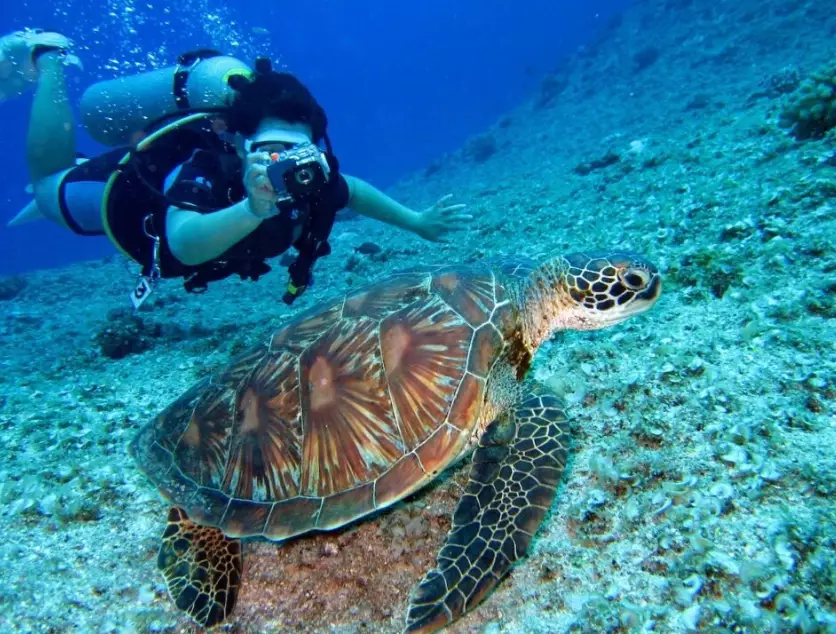
I've spent over a decade diving these waters, from packed beginner sites to remote atolls you reach by liveaboard. The hype is real, but so are the crowds, the seasonal shifts, and the logistical headaches nobody talks about.
Your Dive Plan at a Glance
Why Asia's Diving is Unmatched (It's Not Just One Thing)
You get everything here. Muck diving in black sand where pygmy seahorses hide. Walls dropping into the abyss swarmed by barracuda. Pristine coral gardens untouched by mass tourism. The variety is staggering.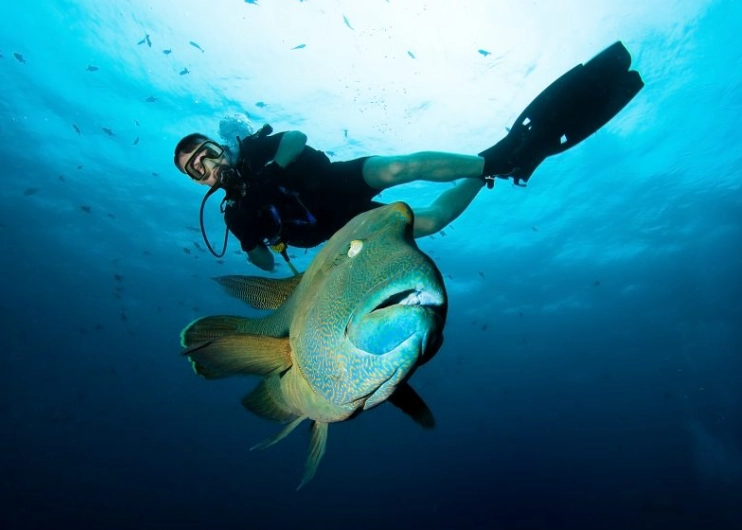
The infrastructure is also a huge draw. In Southeast Asia, diving is a well-oiled tourism machine. That means you can find courses, gear rental, and competent guides almost everywhere. It's also incredibly cost-effective compared to the Caribbean or the Pacific.
But that popularity has a downside. Some sites are loved to death. You need to know where to go and when.
The Top Spots, Broken Down by Vibe
Forget a simple ranked list. Here’s how these legendary places stack up against what you're looking for.
| Destination & Country | Best For | Signature Sightings | Season & Logistics | Cost Vibe |
|---|---|---|---|---|
| Raja Ampat, Indonesia | Biodiversity overload, pristine reefs, epic scenery | Mantas, wobbegongs, walking sharks, birds of paradise | Oct-April (calm seas). Access via Sorong. Liveaboard essential. | $$$ Premium |
| Komodo, Indonesia | Strong currents, big pelagics, dramatic landscapes | Manta rays, sharks (reef & hammerhead), dolphins | Year-round (avoid Feb-Mar monsoon). Labuan Bajo base. Liveaboard or day trips. | $$ Mid-Range |
| Tubbataha Reefs, Philippines | Remote, big animal action, world-class wall diving | Sharks (many species), tuna, jacks, pristine coral | Liveaboard ONLY. March-June window. Puerto Princesa access. | $$$ Premium |
| Sipadan, Malaysia | Sheer fish density, turtle tornadoes, iconic walls | Green & hawksbill turtles, barracuda tornado, bumphead parrotfish | Year-round. Permit required. Base in Semporna (Mabul/Kapalai). | $$ Mid-Range (plus permit hassle) |
| Similan Islands, Thailand | Granite boulders, clear water, whale sharks (seasonal) | Whale sharks (Mar-Apr), leopard sharks, mantas | Nov-Apr only. Liveaboard from Phuket/Khao Lak. | $$ Mid-Range |
| Anilao, Philippines | Macro/muck photography, critter heaven, accessibility | Nudibranchs, pygmy seahorses, ghost pipefish, rare octopus | Year-round. 3-4 hour drive from Manila. Resort-based diving. | $ Budget-Friendly |
| Koh Tao, Thailand | Beginner divers, certifications, social scene | Whale sharks (rare), reef fish, easy corals | Mar-Oct best. Ferry from Chumphon or Surat Thani. | $ Budget-Friendly |
See the pattern? Raja Ampat and Tubbataha are the pinnacle, but they demand time and money. Komodo and Sipadan deliver insane action but come with challenges (currents, permits). Anilao and Lembeh (not in table, but similar to Anilao) are for the patient, detail-oriented diver.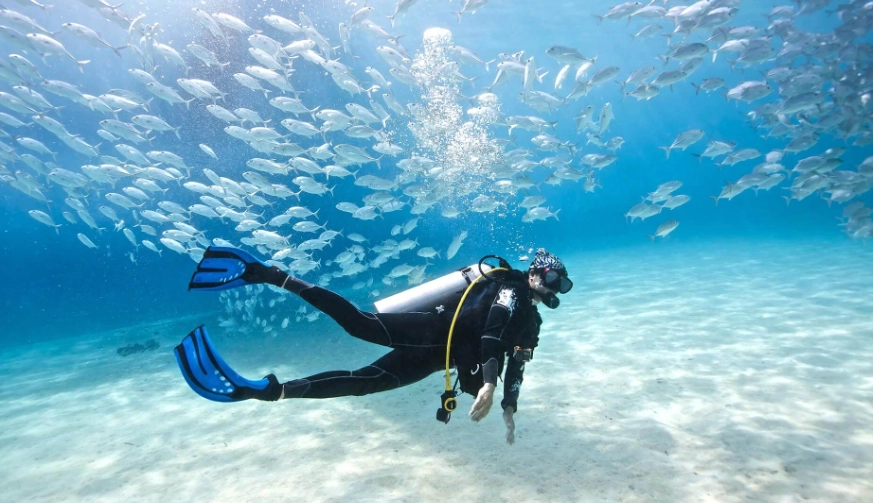
The Hidden Gem Most Lists Miss: Alor, Indonesia
If Komodo feels too busy now (it can), head east to Alor. Similar volcanic topography, insane currents funneling nutrients, but maybe one other boat at a site. You'll see mantas, dolphins, and stunning coral. The downside? Infrastructure is basic. You're there to dive, not party. Flights connect via Kupang.
How to Choose Your Asian Dive Destination
Ask yourself these questions before booking a flight:
What's your budget really? A liveaboard in Raja Ampat can cost $4000+ for a week. A week of diving and basic accommodation in Koh Tao can be under $800. Be honest.
What's your experience level? New divers should not start in Komodo. Full stop. Currents there are serious. Build skills in Thailand or the Philippines' easier sites first.
What do you want to see? Be specific. "Cool fish" isn't enough. Are you dreaming of a manta ray gliding overhead, or are you happy to spend an hour finding a perfectly camouflaged frogfish?
What else do you want from the trip? Just diving? Diving plus great food and culture? Bali (with day trips to nearby sites like Nusa Penida) offers that mix. A pure diving safari means a liveaboard.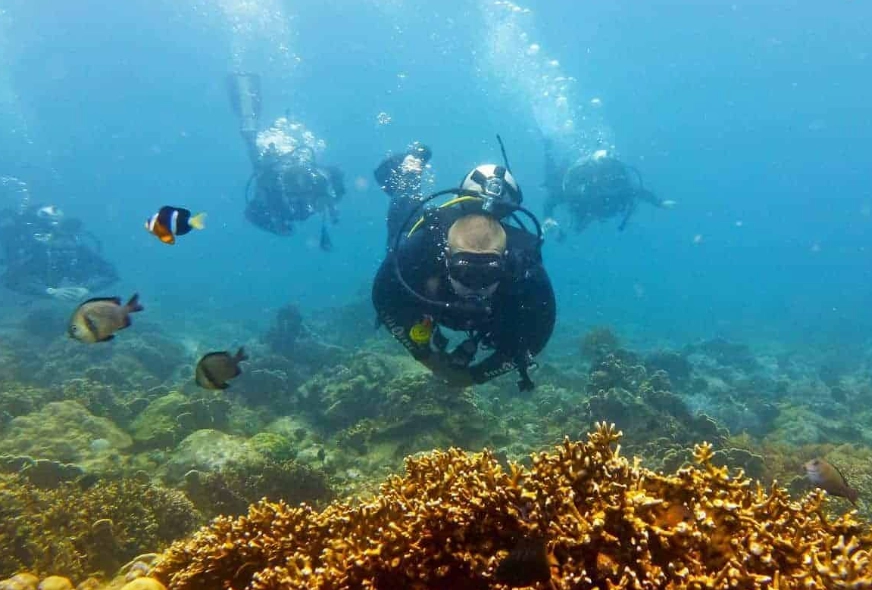
Expert Tips & The Non-Obvious Advice
A Reality Check From the Water
Here's what most blog posts won't tell you. The "best" site on any given day can be mediocre due to weather, luck, or crowds. I've had dives in "legendary" Sipadan where the visibility was poor and the famous tornadoes were absent. I've also had magical dives in supposedly "secondary" sites because we were the only ones there.
Don't fixate on one famous name. Pick a region known for consistency. The Coral Triangle's richness means even a "slow" day here is better than a great day most places.
Seasonality is king. Monsoon seasons will shut down whole regions (like the Similans or the Andaman Sea side of Thailand). Diving in the wrong season means rough seas, poor visibility, and closed resorts. Always check the specific region's weather window.
Book operators, not just locations. A great guide makes all the difference. They know where the critters hide, how to read the currents, and prioritize safety. Look for small, well-reviewed operators. In places like Anilao, the resort you choose dictates your guide.
Don't overlook muck diving. Beginners often think it's "boring." It's the opposite. It turns diving into a treasure hunt. The critters in Lembeh or Anilao are some of the most bizarre animals on Earth. It will change how you see the ocean.
Crafting Your Itinerary: A 10-Day Sample
Let's make this concrete. Say you're an intermediate diver with 10 days and a mid-range budget, wanting big fish and variety.
Komodo Liveaboard Focus (My Personal Recommendation for Action)
Days 1-2: Fly into Bali (DPS). Catch a connecting flight to Labuan Bajo (LBJ). Spend a night ashore, maybe see the Komodo dragons on Rinca Island.
Days 3-8: 6-day/5-night liveaboard. This gets you to the northern sites (Cauldron, Castle Rock) and southern sites (Manta Alley, Cannibal Rock). You'll experience everything from wild drifts to manta cleaning stations.
Days 9-10: Disembark in Labuan Bajo, fly back to Bali. Decompress with a meal and fly out.
Why this works: You maximize time on the best sites. Liveaboards get to remote areas at the right time (early morning). You dive, eat, sleep, repeat. It's efficient and immersive. A good mid-range Komodo liveaboard runs about $1500-$2200.
Your Questions, Answered
The best scuba diving in Asia is out there, waiting. It's not a single pin on a map. It's the right combination of place, time, and your own expectations. Do your homework, pick a zone that matches your skills and dreams, and dive in. The water's fantastic.
Comments