Let's cut right to it. Asking for the single "best" dive in the Caribbean is like asking for the best food—it depends entirely on your taste. Are you a new diver trembling at the thought of a current? A seasoned tech diver hunting for a deep wreck? Or maybe you're traveling with a non-diver who needs a great beach? The Caribbean's magic is its diversity. From the sheer walls of the Cayman Islands to the easy shore dives of Bonaire, there's a perfect match for every underwater explorer. This isn't just a list; it's a matchmaking guide to find your personal best.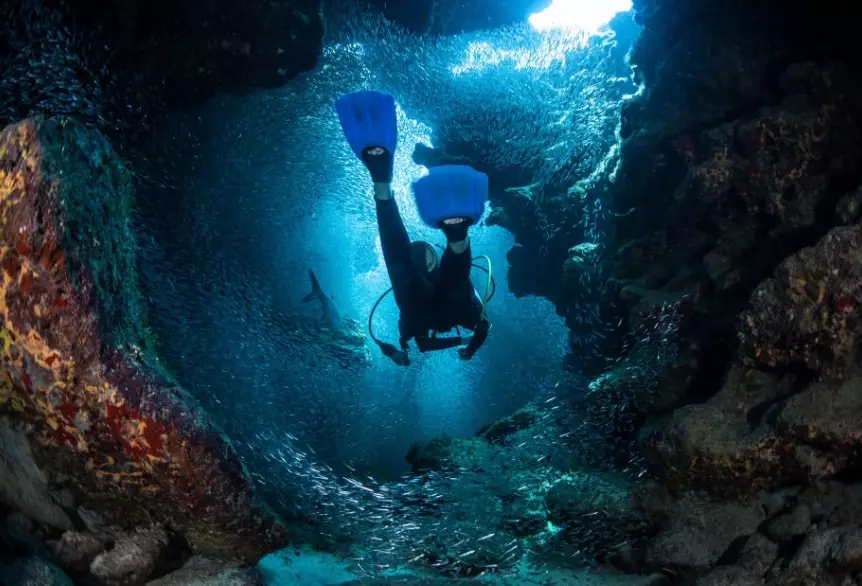
Your Quick Dive Guide
How to Choose Your Perfect Caribbean Dive Destination?
Forget the glossy brochures for a second. The first step is a brutally honest self-assessment. I've seen too many advanced divers get bored on a shallow reef, and too many beginners get terrified on a strong drift dive. Matching the destination to your profile is everything.
What kind of diver are you?
- The Beginner/Newly Certified: You need calm, protected water, good visibility, and patient dive operators. Boat diving can be intimidating, so easy shore access is a huge plus. Your goal is building confidence, not battling currents.
- The Macro & Muck Diving Fanatic: You live for frogfish, seahorses, and nudibranchs. You want nutrient-rich waters, often with sandy or silty bottoms that other divers overlook. You're happy to hover in one spot for twenty minutes.
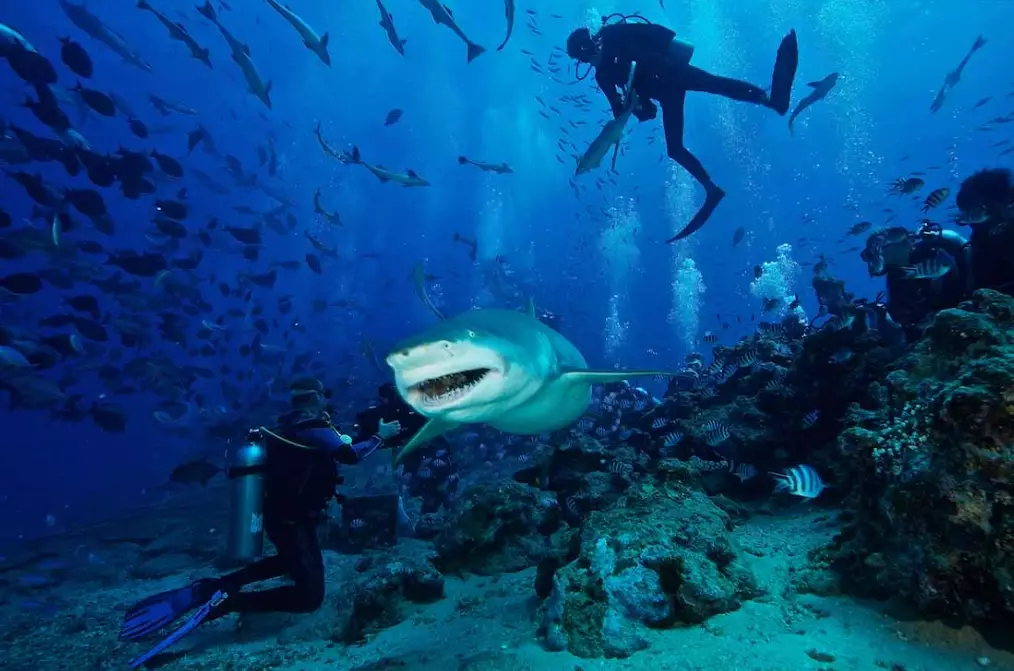
- The Big Animal & Wall Diver: You crave adrenaline. Sharks, rays, pelagics, and the blue abyss of a wall dropping into nothingness. Current is your friend, bringing in the big stuff.
- The Wreck & History Buff: You're drawn to stories. A sunken warship, a deliberately sunk cruise liner, or a plane wreck. Penetration skills might be on your mind.
- The "I Travel with Non-Divers" Diver: This is crucial. Your paradise also needs great topside activities: beaches, restaurants, culture, and maybe a kids' club.
Here’s a mistake I made early on: I picked a destination famous for its sharks without considering the 45-minute, often choppy boat ride to get there. I spent half the trip feeling seasick. Now, I always check the typical boat ride times and sea conditions. A rough ride can ruin a perfect dive.
Top Caribbean Dive Sites by Diver Profile
Based on the profiles above, let's break it down. This table gives you the quick match, and then we'll dive into the details.
| Diver Profile | Top Island Picks | Signature Experience | Best Time to Visit |
|---|---|---|---|
| Beginners & Families | Bonaire, Curacao, Cayman Islands | Stress-free shore diving, calm protected bays, abundant marine life. | Year-round (Dec-Apr for calmest seas) |
| Macro & Muck Lovers | Bonaire, Curacao, Bay Islands (Roatan) | Frogfish, seahorses, rare nudibranchs on accessible shore dives. | Year-round |
| Big Animals & Walls | Bahamas, Turks & Caicos, Cayman Islands | Shark dives, eagle ray aggregations, sheer vertical walls. | Winter for pelagics (Dec-Apr) |
| Wreck Enthusiasts | Bahamas, Cayman Islands, Bonaire | Large, intact wrecks, some penetrable, often with great marine growth. | Year-round |
| Traveling with Non-Divers | Aruba, Grand Cayman, St. Lucia | Excellent topside infrastructure, beaches, dining, and non-dive tours. | Dry season (Dec-Apr) |
For the Wreck & History Buff: Grand Cayman & The Bahamas
Grand Cayman's USS Kittiwake is a dream. A former U.S. Navy submarine rescue vessel, it was cleaned and sunk in 2011 at a max depth of 65 feet. It's perfectly intact, sitting upright, and you can swim through the engine room, crew quarters, and even the iconic decompression chamber. The penetration is easy and well-lit by large openings. It's covered in sponges and visited by tarpon. It's a photographer's and explorer's playground. George Town, Grand Cayman is the access point, and dozens of operators run trips there daily.
My personal favorite? The wrecks of Bimini, Bahamas. The Sapona, a concrete-hulled cargo steamer from WWI, sits in 15-20 feet of water. It's half above the surface, so you can snorkel or dive it. Then there's the Bimini Barge and various airplane wrecks. The history feels tangible. But here's the tip: Bimini is small. Book your dive operator and accommodation well in advance, especially if you're taking the fast ferry from Florida.
For Big Animals & Walls: Little Cayman & Turks and Caicos
Bloody Bay Wall, Little Cayman is legendary. You descend along a vertical coral wall that plummets to over 1,000 feet. One moment you're looking at a Christmas tree worm on a sponge, the next you're gazing into an endless blue void where shadows of passing sharks materialize. The sheer density of life—from schools of horse-eye jacks to curious reef sharks—is humbling. It's advanced diving due to depth and potential currents, but operators know the protected moorings. You fly into Cayman Brac and take a short boat to Little Cayman, a remote, dedicated dive paradise.
For consistent big animal action, Turks and Caicos is hard to beat. The walls off Providenciales and Grand Turk are stunning, but the showstopper is the chance to dive with a resident pod of Atlantic spotted dolphins off South Caicos. Operators like the Aqua Cat liveaboard have special permits for in-water encounters. It's not a petting zoo; it's observing wild, curious animals on their terms. An experience that redefines "best."
For Coral Reefs & Biodiversity: Bonaire & Curacao
If you love a vibrant, healthy reef system you can access on your own schedule, Bonaire is the undisputed king of shore diving. The entire leeward coast is a protected marine park with over 60 marked shore dive sites. Rent a truck, load tanks, and go. 1,000 Steps (there aren't really a thousand) offers a stunning reef slope. Salt Pier is a macro heaven with incredible pilings covered in life. Bonaire's commitment to conservation, enforced by STINAPA, shows. The reefs are resilient and teeming.
Its sister island, Curacao, offers similar shore diving with a more developed topside scene in Willemstad. Superior Producer, a sunken freighter sitting upright at 100 feet, is one of the Caribbean's best wreck dives. The current can be strong, but it's covered in gorgeous purple tube sponges and schooling fish.
For Beginners & Family-Friendly Diving: Grand Cayman & Curacao
Stingray City, Grand Cayman is iconic for a reason. Standing in 12 feet of sand, surrounded by dozens of friendly, wild southern stingrays is a surreal and gentle introduction to marine interaction. It's a snorkel or shallow dive site. For first-time boat dives, the west side of Grand Cayman has sites like Eden Rock and Devil's Grotto—calm, shallow, and full of swim-throughs and silversides.
In Curacao, the Tugboat site near Caracasbaai is perfect. A small tug rests in just 15 feet of water, already encrusted with coral. It's safe, fun, and packed with photo ops. The adjacent reef is also shallow and stunning. You can do a 60-minute dive here on a single tank without a worry.
Planning Your Caribbean Diving Trip: Beyond the Dive
Flights and lodging are the obvious parts. Here's what else you need to think about.
Getting Around: On islands like Bonaire or Curacao with epic shore diving, you must rent a truck or a car with a big trunk. You'll be transporting tanks. In more resort-focused destinations like parts of the Bahamas or Turks, you might not need one. Check this before you book a "beautiful remote villa"—it might be miles from the nearest dive shop.
Dive Insurance: Don't even think about skipping this. A decompression chamber ride and treatment can cost over $30,000. DAN (Divers Alert Network) or DiveAssure are essential. Ensure your policy covers the depth you plan to dive and any planned overhead environments (wrecks).
What to Pack Beyond Gear: A reef-safe sunscreen (chemical sunscreens are banned in many places like Bonaire and Key West), a surface marker buoy (SMB) and reel (even if you're a beginner, discuss its use with your instructor), and a small mesh bag for collecting any trash you find underwater. A waterproof case for your phone is also a lifesaver for boat rides and surface photos.
For Non-Divers: Research the island's other offerings. Aruba has windsurfing and desert tours. St. Lucia has the Pitons and rainforest hikes. Grand Cayman has Seven Mile Beach and the turtle centre. A happy non-diver makes for a relaxed diver.
Responsible Diving: Protecting a Fragile Ecosystem
This is the most important part of finding the "best" diving—ensuring it stays that way for others. The Caribbean reefs face immense pressure from climate change, pollution, and yes, careless divers.
- Master Your Buoyancy. Before a dream trip, do a few local dives or a buoyancy clinic. Crushing coral with a fin kick or dragging gauges is preventable.
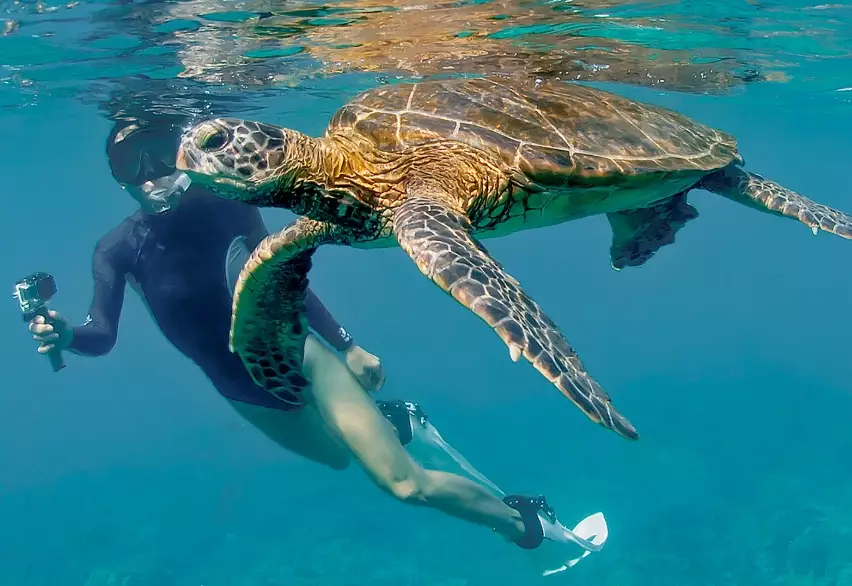
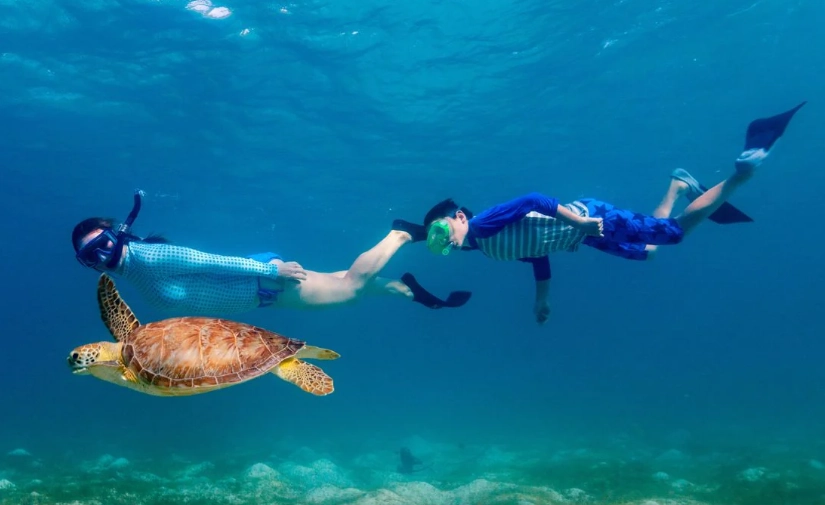
- Look, Don't Touch. Never harass wildlife. That includes riding sea turtles, chasing seahorses, or poking octopuses. Use a camera zoom, not your hands.
- Support Sustainable Operators. Choose shops that use mooring buoys (not anchors), have small group sizes, and talk about conservation. Look for affiliations with Project AWARE or Green Fins.
- Be a Plastic Patrol. Bring a reusable water bottle and say no to plastic straws. On dives, if it's safe and you have an extra hand, pick up a piece of trash.
The best dive sites are the ones we collectively choose to protect.
Comments