Dive Right In: Your Quick Navigation
If you're asking "where are the best scuba diving places?", you've come to the right spot. After over a decade of diving across the globe, I've learned that the answer isn't just about famous names—it's about matching destinations to your skills, budget, and dreams. Let's cut to the chase: here are the top spots that deliver unforgettable underwater adventures, with real-world details to help you plan.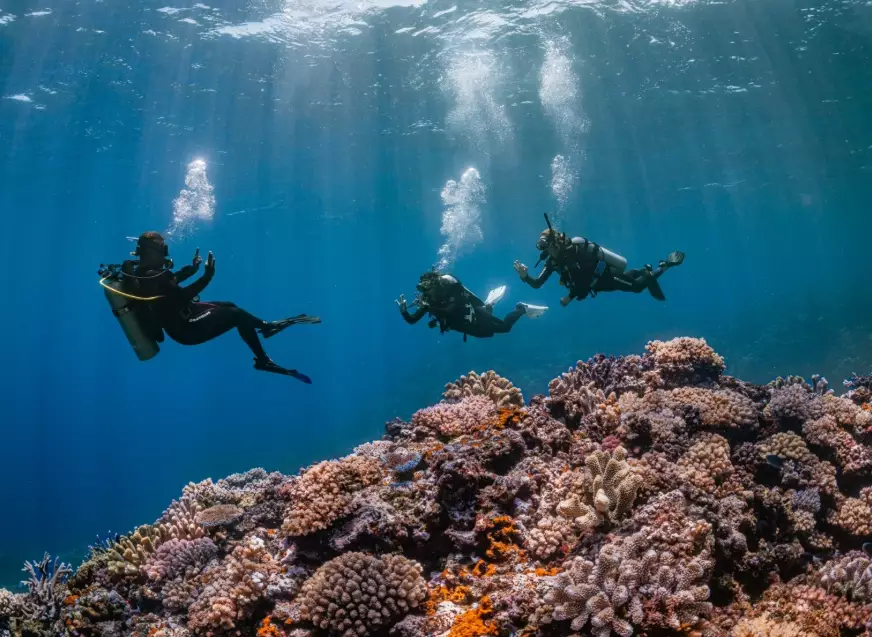
Top Scuba Diving Destinations at a Glance
To save you time, here's a snapshot of the best places, based on my personal dives and diver feedback. This table covers key factors like cost and skill level.
| Destination | Country | Best Time to Visit | Average Cost per Dive | Recommended Skill Level |
|---|---|---|---|---|
| Raja Ampat | Indonesia | October-April | $100-$150 | Intermediate to Advanced |
| Great Barrier Reef | Australia | June-October | $80-$120 | Beginner to Advanced |
| Cozumel | Mexico | November-April | $50-$80 | Beginner |
| Maldives | Maldives | November-April | $90-$140 | Intermediate |
| Palau | Palau | November-April | $110-$160 | Advanced |
Costs include gear rental but not park fees or transfers. Always check for seasonal discounts—I once saved 20% by booking a Maldives trip in late April.
The Coral Triangle: Biodiversity Hotspot
This region is a diver's paradise, teeming with marine life. But it's not just about the fish; the currents can be tricky. Here are my top picks.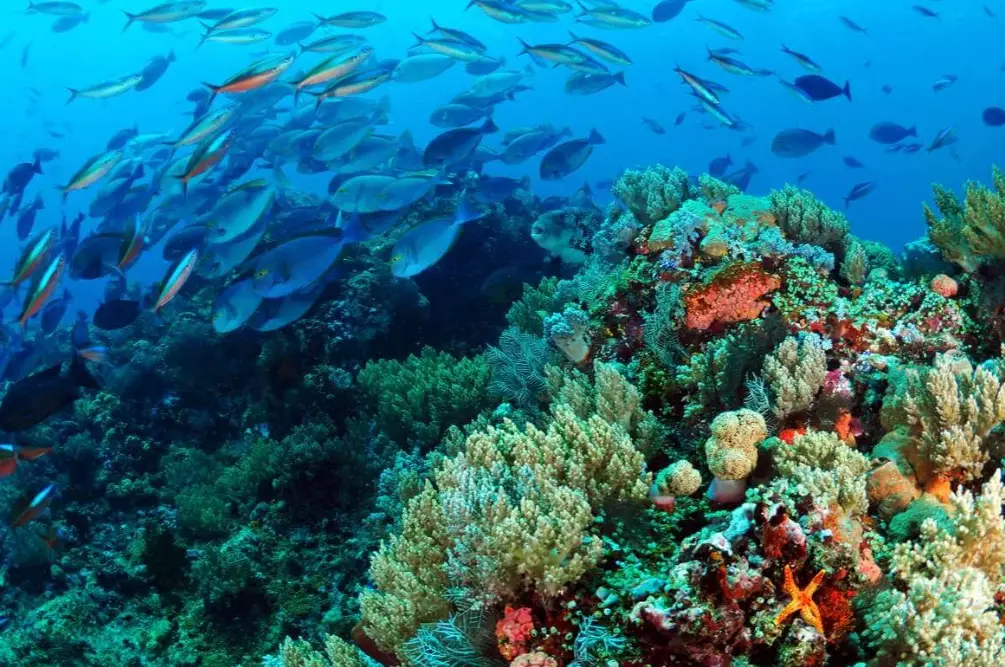
Raja Ampat, Indonesia
Address: West Papua, Indonesia. Access via Sorong airport followed by a boat ride.
Best Time: October to April for calm seas and visibility up to 30 meters.
Cost: Liveaboards range from $2000 to $5000 per week. Day trips from resorts cost around $100 per dive.
Highlights: Vibrant coral reefs, manta rays, and rare species like the walking shark. I once spent an hour watching a school of bumphead parrotfish—it felt like another world.
Tip: Book through reputable operators like Papua Diving. Avoid the rainy season (May-September) when seas get rough.
Komodo National Park, Indonesia
Address: Between Flores and Sumbawa islands. Fly to Labuan Bajo.
Best Time: April to December for mild currents.
Cost: Day dives around $90; liveaboards start at $1500 for 3 days.
Highlights: Strong currents bring in sharks and mantas. The diving is adrenaline-pumping—not for beginners. I've seen Komodo dragons on the islands, but the underwater action is the real draw.
Warning: Currents can exceed 5 knots. Ensure your guide is experienced. I once got separated from my group; having a surface marker buoy saved the day.
Iconic Reefs and Walls
These spots are legendary for a reason, but they require smart planning to enjoy fully.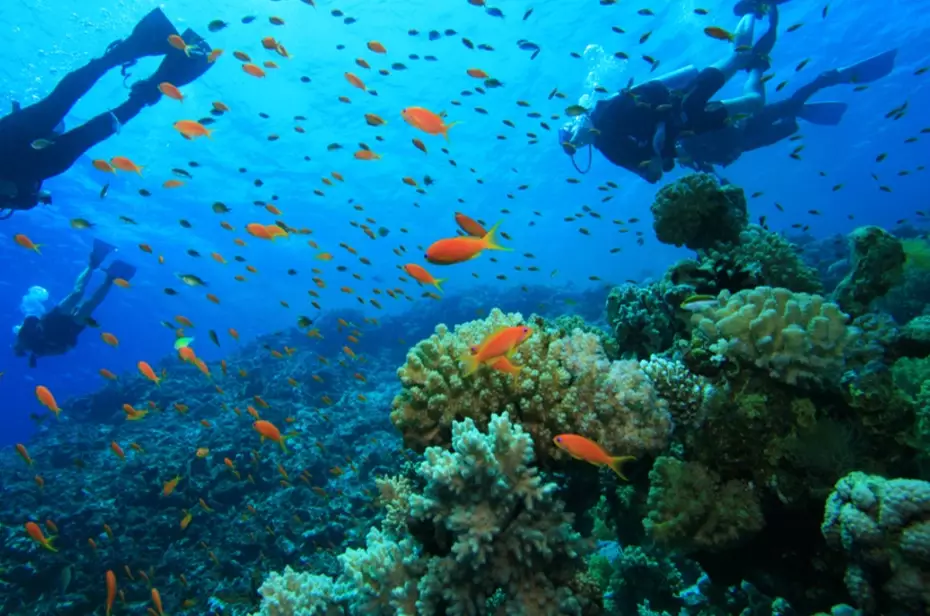
Great Barrier Reef, Australia
Address: Off Queensland coast. Major hubs: Cairns and Port Douglas.
Best Time: June to October avoids stinger season and rain.
Cost: Day trips from $150; liveaboards from $1000 for 3 days. Park fees apply ($7 per day).
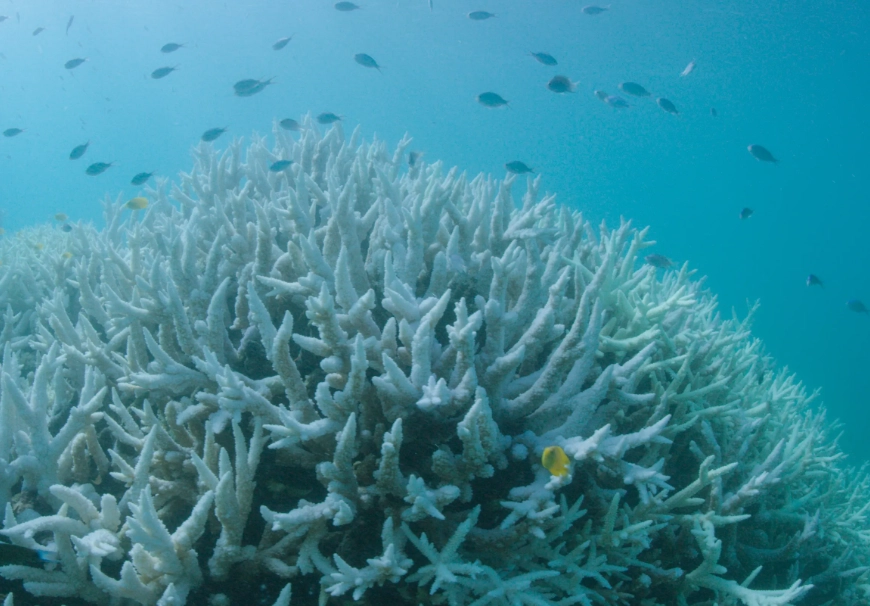
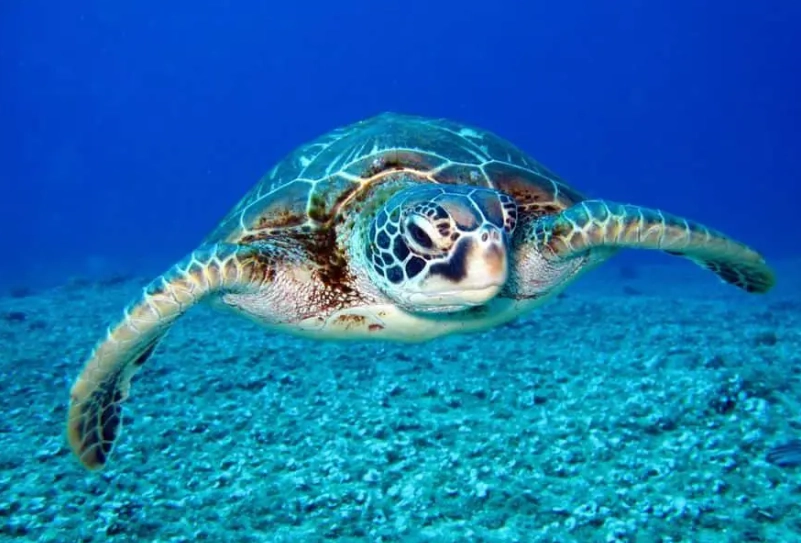
Highlights: Vast coral systems, turtle encounters. The outer reefs like Ribbon Reefs are less crowded. I've dived here over 20 times and still find new sites every trip. { }
Personal Note: Many tourists stick to the inner reefs near Cairns, which are degraded. Spend extra on a trip to the Coral Sea—it's worth it.
Blue Hole, Belize
Address: Lighthouse Reef, about 70 km off Belize City.
Best Time: April to June for calm conditions.
Cost: Day trips from $250; includes a 2-hour boat ride.
Highlights: A circular sinkhole with stalactites at 40 meters. It's deep diving, so advanced certification is a must. The visibility is surreal, but the depth limits bottom time.
Tip: Combine with dives at Half Moon Caye for shallower reefs. I found the Blue Hole overhyped—it's a quick dive, but the surrounding reefs are more engaging.
Wreck Diving Paradises
For history buffs, these wrecks offer a haunting beauty. Safety is key here.
SS Yongala, Australia
Address: Off the coast of Townsville, Queensland.
Best Time: April to September for minimal currents.
Cost: Day trips around $200; includes two dives.
Highlights: A 110-meter steamship sunk in 1911, now covered in soft corals and home to giant groupers. The marine life is dense—I've seen sea snakes and eagle rays in one dive.
Warning: Currents can be strong. Dive operators require advanced certification and a check dive. I once had to abort due to sudden surge; always listen to your guide.
USS Liberty, Bali
Address: Near Tulamben, Bali. It's a shore dive—easy access.
Best Time: Year-round, but May to September offers the best visibility.
Cost: Shore dive entry is free; guide services cost $20-$30.
Highlights: A WWII wreck at 5-30 meters, perfect for beginners and night dives. I've guided new divers here; the macro life like ghost pipefish is astounding.
Tip: Go at sunrise to avoid crowds. The site gets packed by midday, especially with snorkelers.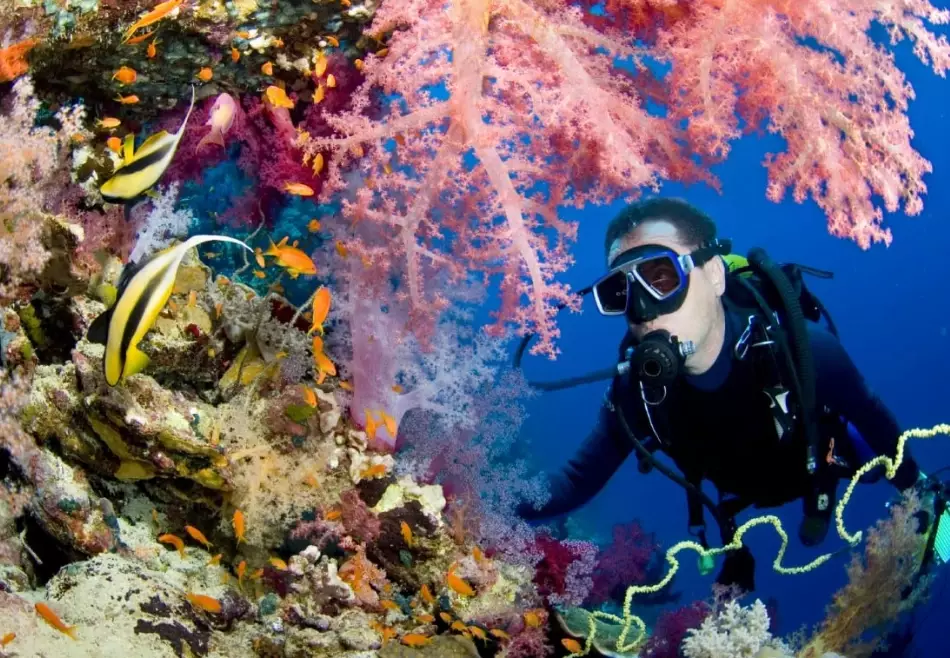
Unique Diving Experiences
Beyond reefs and wrecks, these spots offer something different.
Silfra Fissure, Iceland
Address: Thingvellir National Park, about 50 km from Reykjavik.
Best Time: June to August for warmer air temps (water is always 2-4°C).
Cost: Dives start at $300; includes drysuit rental.
Highlights: Diving between tectonic plates with visibility over 100 meters. It's a cold-water dive, so drysuit certification is required. The clarity is unreal—I felt like floating in space.
Challenge: The cold can be brutal. I underestimated it and had numb fingers; proper thermal layers are non-negotiable.
Galápagos Islands, Ecuador
Address: Pacific Ocean, about 1000 km off Ecuador's coast. Fly to Baltra.
Best Time: December to May for warmer water and calmer seas.
Cost: Liveaboards from $5000 per week; park fees add $100.
Highlights: Hammerhead sharks, marine iguanas, and unique currents. This is advanced diving due to strong surges. I've done over 50 dives here and still get thrilled by the schooling scalloped hammerheads.
Note: It's remote and expensive, but the wildlife is unparalleled. Book a year in advance for peak season.
Planning Your Dive Trip: Key Considerations
Choosing the right destination isn't just about rankings. Here's what I've learned from planning dozens of trips.
Skill Level: Be honest about your experience. Cozumel is great for beginners with its gentle drifts, while Palau's strong currents demand advanced skills. I've seen intermediate divers struggle in Komodo—it's not worth the risk.
Seasonality: Timing affects everything. The Great Barrier Reef has stinger season (November-May), requiring stinger suits. In Southeast Asia, monsoon seasons (varies by region) can limit access. I always check with local dive shops before booking.
Environmental Impact: Choose eco-friendly operators. Look for Green Fins certification or partnerships with marine conservation groups. In Raja Ampat, some resorts fund coral restoration—diving there supports conservation.
Frequently Asked Questions
 Diving is more than a sport—it's a journey into another world. By picking the right spot and planning carefully, you can experience the underwater marvels that make our planet so incredible. Remember, the best dive isn't just about the location; it's about the preparation, respect for marine life, and the stories you'll bring back.
Comments