Ask a dozen divers where the scuba capital of the world is, and you might get a few different answers. The Great Barrier Reef? The Red Sea? The Philippines? But if you press them on a single location that embodies the spirit, accessibility, history, and sheer density of world-class diving in one concentrated spot, the answer almost always converges on one place: Key Largo, Florida.
It's not just hype. This isn't a title claimed by a marketing brochure. It's earned through decades of divers, from wide-eyed beginners to grizzled tech divers, all finding exactly what they're looking for in its warm, gin-clear waters.
Dive Right In: Your Quick Guide
Why Key Largo Earns the Title ‘Scuba Capital’
Think of it like this. Some places have one incredible wreck. Others have a beautiful reef. Key Largo has it all, packed into a stretch of coastline you can drive in twenty minutes.
The case is built on a few undeniable pillars.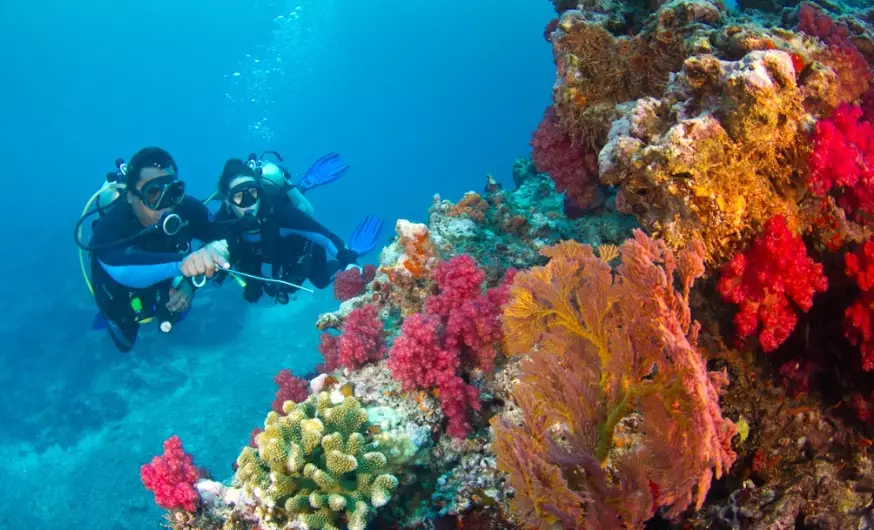
History & The First Underwater Park: Key Largo is home to John Pennekamp Coral Reef State Park, established in 1963 as the first underwater park in the United States. This wasn't an accident. It was a recognition that this stretch of the Florida Keys National Marine Sanctuary held something priceless worth protecting. That legacy of preservation means the reefs here, while facing global challenges, are actively managed and in better shape than many unprotected areas.
Unmatched Density & Variety: Within a 20-minute boat ride from multiple marinas, you can choose between:
- A massive artificial reef teeming with life (the USS Spiegel Grove).
- A legendary wreck encrusted in coral (the USCGC Duane).
- The most famous coral reef in the continental US (Molasses Reef).
- A unique underwater statue (Christ of the Abyss).
- Shallow, pristine nursery reefs perfect for learning.
Name another location where that's true. You'll struggle.
Infrastructure Built for Divers: This is the subtle magic. The entire town is geared towards diving. You have more than two dozen professional dive operators, from large fleets to boutique charters. Gear shops on every corner. Hotels with dedicated rinse tanks and gear storage. Restaurants where you can show up in a wetsuit top and no one blinks. It's a functional, working diver's town, not a tourist spot that happens to have diving.
Perfect Conditions for Progression: The water is warm year-round. Visibility is reliably good to excellent (60-100 ft is common). Currents are generally mild. This creates a safe, forgiving, and visually rewarding environment. It's why it's a premier destination for getting certified—your first open water dives are on a vibrant reef, not in a murky quarry.
Local Insight: A mistake I see new visitors make is trying to "hit all the big sites" in two days. The beauty of Key Largo is the micro-worlds. Spend a dive on the Spiegel Grove just looking at the macro life on the hull. The next day, do a slow drift along the edge of Molasses Reef. Savor the variety; you're in the capital, so you have the luxury of choice.
Top Dive Sites in Key Largo: From Iconic Wrecks to Living Reefs
Let's get specific. These aren't just dots on a map; they're the landmarks that define the diving here.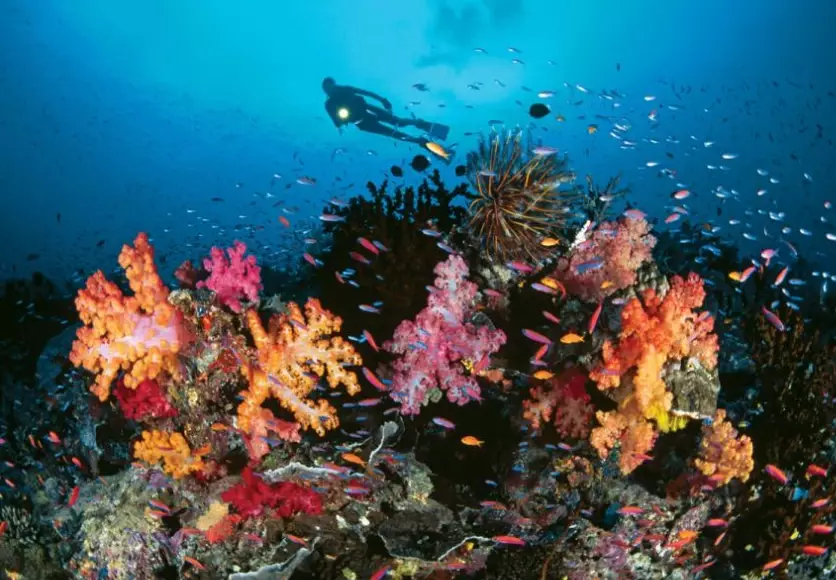
The Wrecks: Purpose-Sunk Giants
The USS Spiegel Grove: A 510-foot long Navy landing ship dock. Sunk in 2002, it's now one of the largest artificial reefs in the world. You can penetrate it (with proper training), but the exterior is a spectacle—covered in enormous sponges, schools of baitfish, and frequent visits by massive Goliath Grouper. It sits upright in about 130 feet, with the deck around 60-70 feet.
The USCGC Duane: A 327-foot Coast Guard cutter. Sunk in 1987, it's older than the Spiegel Grove and it shows in the incredible coral growth. Barracuda often patrol the crow's nest. Its profile is more dramatic, sitting on its side in about 120 feet. The marine life density on this wreck is often thicker, feeling more like a natural reef that just happens to be ship-shaped.
The Living Reefs: The Original Attraction
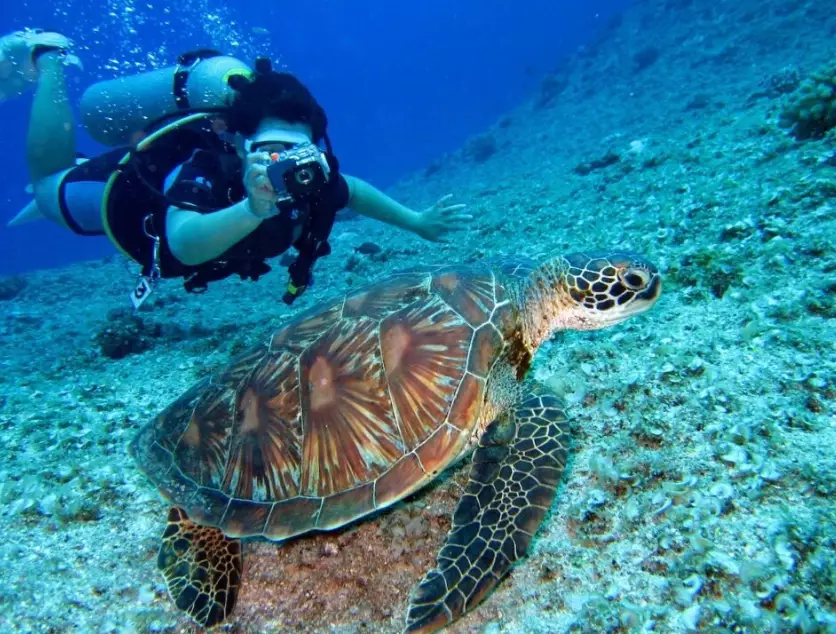
Molasses Reef: The crown jewel of the living reef system. A sprawling coral formation with spur-and-groove formations, swim-throughs, and an incredible diversity of life. Expect sea turtles, nurse sharks, eagle rays, and every tropical fish you can name. Depths range from 15 to 60 feet, making it fantastic for all levels.
Christ of the Abyss: A 9-foot-tall bronze statue of Jesus, arms uplifted, in about 25 feet of water. It's a serene, almost spiritual site, often used for ceremonies. The statue is encrusted with coral and surrounded by schools of grunts. It's a shallow, easy dive, but the iconic imagery makes it a must-do.
Benwood Wreck: A World War II-era freighter that was torpedoed. It's now a broken-up, shallow wreck (max depth 45 feet) that's become a nursery for juvenile fish and an excellent spot for snorkelers and new divers. It's a great second dive after a deeper morning wreck dive.
How to Plan Your Key Largo Scuba Trip?
Okay, you're convinced. Here’s how to make it happen without the headaches.
Choosing a Dive Operator
This is your most important decision. Don't just pick the cheapest. Match the operator to your style.
| Operator Type | Best For | What to Expect |
|---|---|---|
| Large Fleet Operators (e.g., Rainbow Reef, Horizon Divers) | Beginners, large groups, courses | Big, stable boats with large dive platforms, multiple guides, scheduled departures. Often have dedicated "beginner" boats. Very structured. |
| Mid-Size / Boutique Charters (e.g., Silent World, Key Largo Dive Center) | Intermediate divers, photographers, smaller groups | Smaller boats (6-15 divers), more flexibility on sites, personalized service. Can often cater to specific requests. |
| Tech / Charter-by-Request | Advanced/Technical divers, private groups | Small, fast boats. You charter the whole boat. You dictate the sites, schedule, and gas mixes. Premium price, premium experience. |
My personal take? For a first visit, a mid-size operator hits the sweet spot. You avoid the cattle-car feel but still get the benefit of a knowledgeable captain picking the best site for the day's conditions.
Logistics: Staying, Eating, Getting Around
Getting There: Fly into Miami International Airport (MIA) or Fort Lauderdale (FLL). Key Largo is about a 1-hour drive from MIA and 1.5 hours from FLL down the Overseas Highway (US-1). You need a rental car. There's no real public transport, and dive operators, hotels, and restaurants are spread out.
Where to Stay: Look for diver-friendly lodging. Places like Marriott's Beach Resort, Holiday Inn Key Largo, or smaller motels like Sea Dell Motel have rinse tanks, gear storage, and often package deals with operators. Staying on the ocean side (the north side of US-1) is more scenic.
Eating: You'll be hungry. For a classic post-dive burger and beer, The Fish House is an institution. For something nicer, Key Largo Conch House. For breakfast, Harriette's Restaurant is a no-frills local spot with massive pancakes.
A Sample 4-Day Diver's Itinerary
- Day 1 (Arrival): Fly into MIA, pick up rental car, drive to Key Largo. Check into hotel. Do a late afternoon checkout dive or a sunset snorkel to shake off travel legs. Dinner at a casual seafood spot.
- Day 2 (The Big Wreck): Morning 2-tank boat dive. Request the USS Spiegel Grove and the Benwood as a follow-up. Afternoon: Relax, visit the dive shop if you need anything. Evening: Casual dinner.
- Day 3 (The Living Reef): Morning 2-tank boat dive on Molasses Reef (different sections for each tank). Afternoon: Visit the History of Diving Museum (it's fantastic). Or, book a guided kayak tour through the mangroves. Evening: Nicer dinner.
- Day 4 (Icon or Adventure): Morning: Do a 1-tank dive to Christ of the Abyss or, if conditions allow, the USCGC Duane. Afternoon: Drive back to Miami for your evening flight.
Is Key Largo Only for Experienced Divers?
This is the biggest misconception. People see pictures of the massive wrecks and assume it's an advanced-only zone. Nothing could be further from the truth.
Key Largo is, in my opinion, the best place in the country for a beginner to fall in love with diving. Here's why:
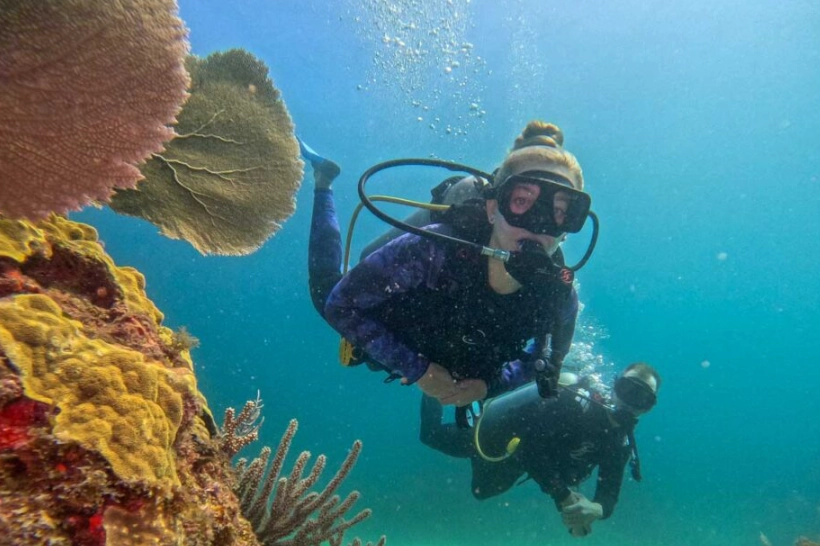
The shallow reefs (15-30 feet) are phenomenally rich. A new diver's first open water dive here is among colorful coral, parrotfish, and maybe a turtle—not in a cold, dark lake. That immediate reward is priceless for building confidence.
Most major operators run dedicated "beginner boats" that go to sites specifically chosen for minimal current, great visibility, and max wildlife. They often have a higher guide-to-diver ratio.
The warm, calm water means you're not fighting a thick wetsuit or poor visibility. You can focus on your breathing and buoyancy, not on being uncomfortable.
The Expert Caveat: The big wrecks like the Spiegel Grove and Duane are advanced dives due to depth (100+ feet) and potential for entanglement. A good operator will vet your experience before taking you there. But for every deep wreck, there are five amazing shallow reefs. The beginner has more than enough to be utterly amazed for a full week of diving.
 So, is Key Largo the scuba capital of the world? For its unique combination of accessibility, variety, history, and a community that lives and breathes diving, the answer is a definitive yes. It's a place that serves the complete spectrum of divers, from someone taking their first breath underwater to a technical explorer visiting a wreck for the 50th time. That inclusivity, backed by world-class resources, is what makes a capital.
It's not just a destination. It's the heart of recreational diving in America. And that's a title no other spot can quite claim.
Comments