You just got your Open Water certification. Congrats! Now comes the real fun: planning your first real dive trip. But staring at a map of the world's oceans is overwhelming. You hear about epic walls, thrilling drift dives, and mysterious wrecks—all sounds amazing, but maybe not for dive number 11.
I remember that feeling. My first post-certification trip was to a site that was technically "beginner-friendly" but had a surprisingly strong current. I spent 40 minutes white-knuckling my reef hook instead of enjoying the fish. It taught me a hard lesson: not all beautiful dive sites are created equal for new divers.
The perfect beginner dive site isn't just about being shallow. It's a combination of predictable conditions, abundant but non-threatening life, easy access, and a supportive dive community. It's a place where you can build confidence, not just log minutes.
Your Dive Trip Jump-Off Point
What Makes a Dive Site "Beginner-Friendly"?
Forget depth for a second. A 12-meter/40-foot dive in surge is harder than a calm 18-meter/60-foot dive. Here’s what you should actually look for:
- Minimal to No Current: You want to practice buoyancy, not become a kite. Look for protected bays, lagoons, or inland seas.
- Easy Entry/Exit: A gentle sandy slope from a beach is gold. A giant stride from a boat into flat water is a close second. Avoid sites requiring tricky climbs or jumps into choppy water.
- Good, Reliable Visibility: Being able to see your buddy and the reef reduces anxiety immensely. Aim for sites known for 15m/50ft+ visibility on average.
- Interesting but Not Overwhelming Life: Colorful coral gardens, friendly reef fish, maybe a turtle or harmless shark. You don't need a manta ray swarm on dive five.
- Established Dive Infrastructure: Plenty of dive shops with patient guides, good rental gear, and a culture of guiding newbies.
A quick note from experience: The most common mistake new divers make is chasing a specific animal (like whale sharks) to a site with conditions that are beyond their current skill level. See the animal as a bonus, not the goal. A calm, beautiful reef dive where you feel in control is worth ten stressful dives where you saw something "big."
The Top 10 Sites: A Detailed Breakdown
This list is curated from personal dives and countless conversations with instructors and fellow divers. These spots consistently deliver safety, beauty, and a fantastic first experience.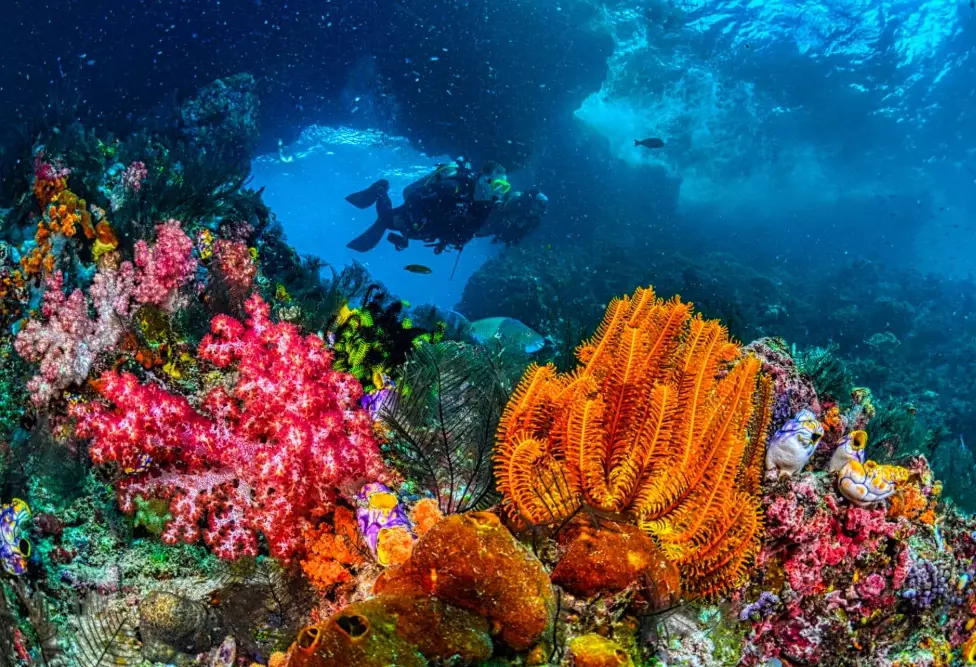
1. The Great Barrier Reef (Cairns & Port Douglas, Australia)
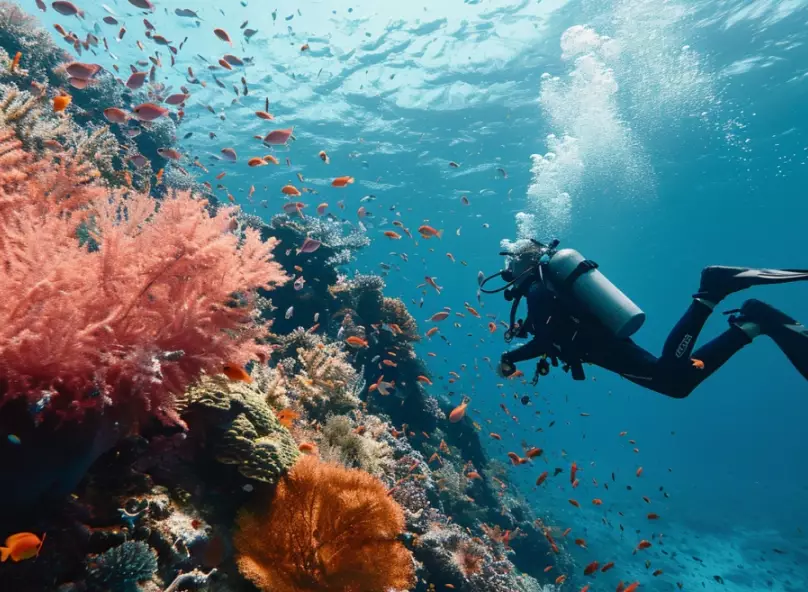
Why it's great for beginners: Don't let its size intimidate you. Operators from Cairns and Port Douglas specifically take beginners to selected inner reefs like Moore, Saxon, or Norman Reef. These sites are in the lagoon, protected from ocean swell. The water is warm, the coral is stunning (despite bleaching events, recovery areas are vibrant), and fish life is prolific. You'll see giant clams, parrotfish, and maybe a Maori wrasse.
Logistics: Fly into Cairns (CNS). A typical day trip costs ~$250 AUD, including 2-3 dives, gear, and lunch. Liveaboards are an option but choose shorter 2-3 day trips focused on the inner reef.
My tip: Avoid the cheapest boat. Pay a bit more for a smaller group or a operator known for education (like Pro Dive Cairns). The extra guide attention is worth it.
2. Bora Bora & the Society Islands (French Polynesia)
Why it's great for beginners: The ultimate lagoon diving. Bora Bora's lagoon is a giant, placid bathtub. You'll dive around coral "motus" (islets) inside the lagoon. The star attraction is the blacktip reef shark and stingray feeding in shallow, crystal-clear water. It's a controlled, safe, and absolutely mind-blowing experience for a new diver.
Logistics: Fly into Papeete (PPT), then a short flight to Bora Bora (BOB). It's expensive. Expect to pay $150-$200 USD for a two-tank lagoon dive. Topside luxury is part of the deal here.
My tip: Look for dive centers that use small boats. The lagoon is huge, and a smaller boat means they can pick the calmest, clearest spots that day.
3. Koh Tao, Thailand
The backpacker and dive training capital of Southeast Asia. The island is built for new divers. Sites like Japanese Gardens and Twins are shallow, sandy-bottomed coral gardens with zero current. It's where you go to do your first navigation dive, your first night dive. The water is 28-30°C (82-86°F) year-round. It's affordable, social, and incredibly easy. The downside? It can feel a bit like a diver factory at times.
4. The Bay Islands, Honduras (Roatán & Utila)
The Caribbean's answer to Koh Tao. Roatán has a massive, healthy reef system just a few fin kicks from the shore along its south coast. West Bay is famous for its easy beach diving. Utila is even more budget-focused and is one of the most reliable (and affordable) places in the world to dive with whale sharks, often seen in shallow, calm water. The Mesoamerican Barrier Reef provides endless, gentle dive sites.
5. The Red Sea (Egypt - Sharm el-Sheikh & Hurghada)
Ignore the political headlines for a moment (always check travel advisories). The northern Red Sea, accessed from Sharm or Hurghada, offers some of the world's most colorful and accessible reefs. Sites in the Ras Mohammed National Park or the Straits of Tiran can have currents, but there are plenty of sheltered alternatives like the SS Thistlegorm (a wreck, but its shallow deck is at 16m). The marine life density is insane, and the water is clear and warm. It's fantastic value for money.
6. Silfra Fissure, Iceland
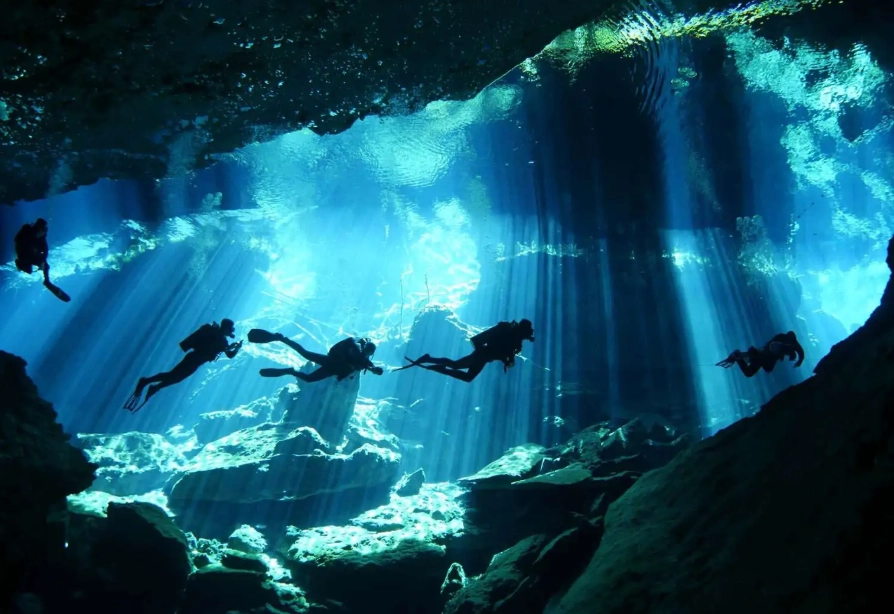
This is the wildcard. It's a freshwater dive between tectonic plates with 100m+ visibility. Why is it beginner-friendly? You are always guided, holding a line, in a drysuit. There is no current in the main section, no fish to scare, no buoyancy worries (you're in a drysuit). It's a pure, surreal experience focused on the sensation of flying over a deep crack. It requires a drysuit specialty or a quick introductory course on site, but the actual diving is mechanically simple and utterly unique.
7. Gili Islands, Indonesia
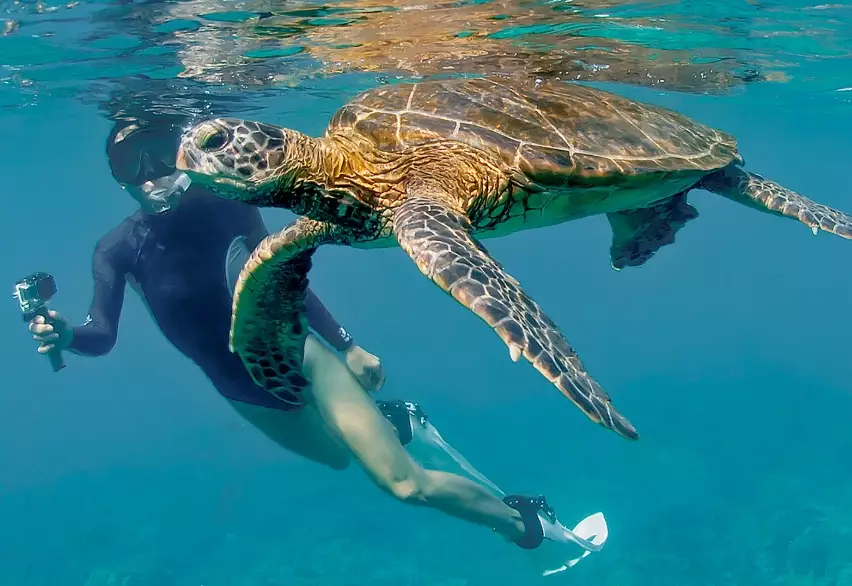
Bali's laid-back little sisters. Gili Trawangan has dozens of dive shops and a vibrant scene. The diving is all about turtles. Sites like Halik and Deep Turbo are shallow, gentle slopes where you are almost guaranteed multiple turtle encounters. The current is usually mild, and the vibe is super relaxed. It's a perfect combo of great diving and a fun island atmosphere.
8. Maui, Hawaii (USA)
Molokini Crater is the poster child. This crescent-shaped, partially submerged volcanic crater is a marine sanctuary. The back wall is for advanced divers, but the inside of the crater is a shallow, calm basin rarely deeper than 10m/30ft. It's packed with fish. Shore diving at places like Olowalu or Mala Wharf is also incredibly easy and rewarding. Hawaii has high standards for dive operations, which translates to safety.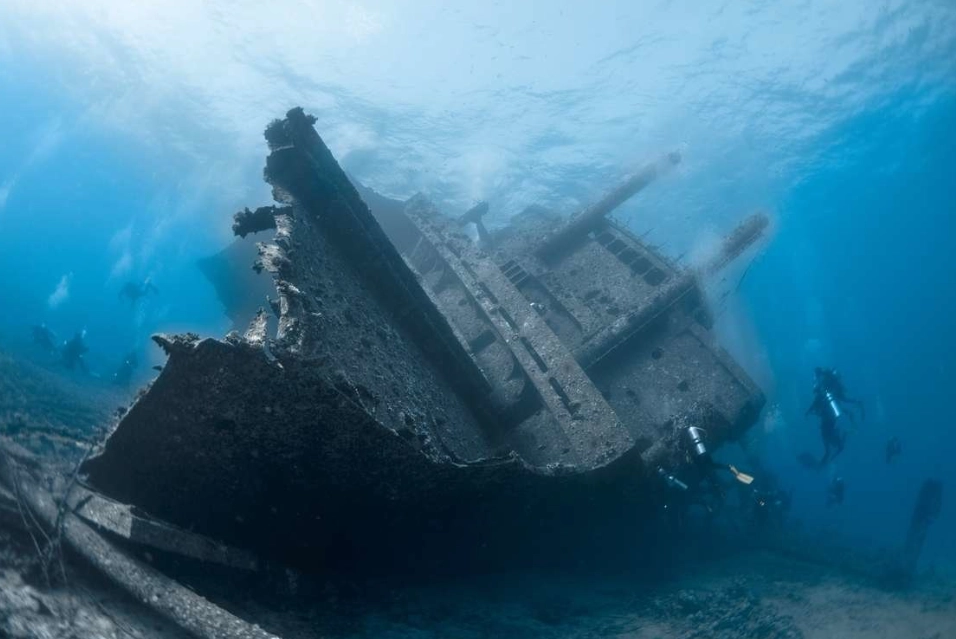
9. The Maldives
Yes, the Maldives! While famous for channel drifts, many inner atoll and house reef dives are perfectly suited for beginners. Resorts on islands like Maafushi or in South Ari Atoll have house reefs you can snorkel or dive right from the beach, teeming with life. You can do easy boat dives inside the atoll lagoons. Just be crystal clear with your dive center: you are a beginner and want the calmest sites available.
10. Ambergris Caye & Hol Chan, Belize
The Belize Barrier Reef is the second largest in the world and very accessible. From Ambergris Caye, a short boat ride takes you to Hol Chan Marine Reserve and Shark Ray Alley. Hol Chan is a channel cut through the reef—you drift gently along with nurse sharks, rays, and giant groupers. Shark Ray Alley is a 4m/12ft deep sandy area where you jump in with dozens of nurse sharks and rays. It's thrilling but completely safe and controlled. The vibe in San Pedro is wonderfully casual.
| Destination | Best For | Avg. Water Temp | Budget Level | Signature Beginner Experience |
|---|---|---|---|---|
| Koh Tao, Thailand | Affordable Skills Practice | 28-30°C (82-86°F) | Low | Easy coral gardens & night diving |
| Roatán, Honduras | Caribbean Reef & Convenience | 26-28°C (79-82°F) | Low-Mid | Shore diving from the beach |
| Great Barrier Reef, AU | Iconic Reef & Big Fish | 24-29°C (75-84°F) | Mid-High | Inner reef protected lagoons |
| Bora Bora, FP | Luxury & Shark Encounters | 26-28°C (79-82°F) | High | Lagoon diving with blacktips & rays |
| Gili Islands, ID | Turtles & Island Vibe | 27-29°C (81-84°F) | Low-Mid | Guaranteed turtle sightings |
Planning Your First Major Dive Trip
Okay, you've picked a place. Now what?
Booking Your Dives
Don't just book the first shop you see online. Email them. Tell them: "I am a newly certified Open Water diver with [X] dives. I am comfortable with [mention skills, e.g., buoyancy, mask clearing] but want to avoid strong currents. Can you recommend specific sites and confirm your guides are attentive to new divers?" A good shop will respond with detail and reassurance.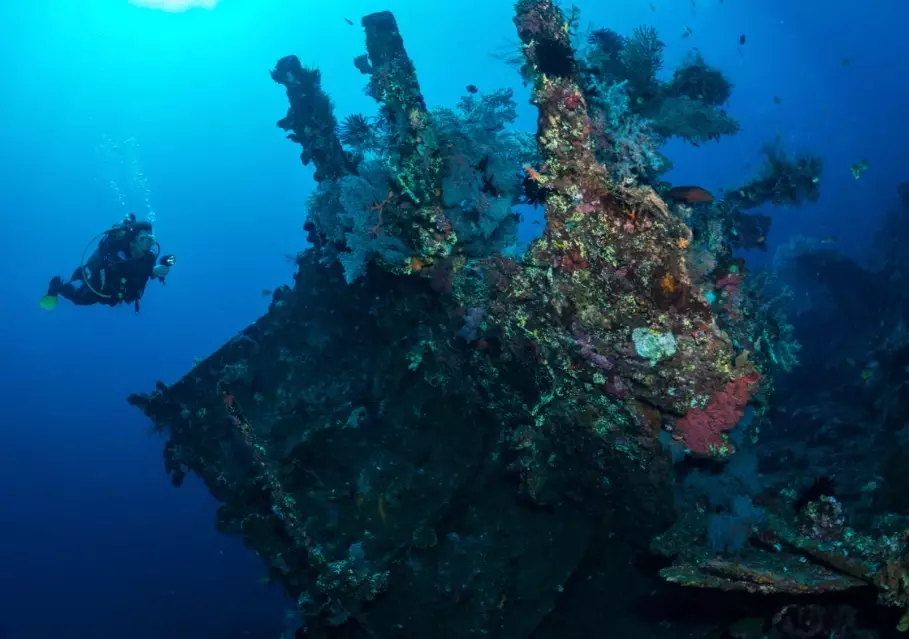
What to Pack Beyond Gear
- Your Certification Card: Physical and digital copy.
- Logbook: Even if digital, have a backup.
- Dive Insurance: Like DAN or DiveAssure. Regular travel insurance often excludes scuba.
- Ear Drops & Seasickness Meds: Trust me on this.
- A Surface Marker Buoy (SMB): Even if you've never deployed one. Ask your guide to teach you on a calm dive. It's a critical safety skill.
The Budget Reality
A week in Koh Tao doing 10 dives might cost $800 total for diving, food, and a basic bungalow. A week in Bora Bora doing 6 dives will cost $5000+. Be honest with your budget. The diving is amazing at both ends of the spectrum.
Your Beginner Diving Questions Answered
What is the single most important factor for a beginner when choosing a dive site?
Calm, predictable conditions. Beginners should prioritize sites known for minimal current, good visibility year-round, and easy beach or boat entries. A site being 'shallow' isn't enough if it has surging waves or sudden drop-offs. Look for protected bays, lagoons, or reef shelves where the water is consistently gentle, allowing you to focus on buoyancy and breathing without fighting the environment.
As a new diver with under 10 dives, should I avoid popular destinations like the Great Barrier Reef?
Not at all, but you must choose the right part of it. Vast reef systems have specific beginner zones. On the Great Barrier Reef, for example, the inner reefs near Cairns (like Moore Reef) are purposefully selected for their sheltered conditions. The mistake is booking a generic 'outer reef' trip that might go to more advanced sites. Always communicate your experience level to the dive operator and ask explicitly if the day's itinerary is suitable for novice divers.
How much should a beginner budget for a dive trip to one of these top sites?
A realistic budget for a week-long trip, including flights, mid-range accommodation, food, and 6-8 guided boat dives, typically ranges from $1,500 to $3,000 USD, depending on the destination. Locations like Roatan or Koh Tao are on the lower end, while Bora Bora is at the premium extreme. Remember to factor in gear rental ($30-$50/day if you don't own it), park fees, and tips for your dive guides. Booking a 'dive package' with a resort often provides the best value.
Can I see sharks as a beginner diver, and is it safe?
Yes, you safely can at specific beginner-friendly sites. Nurse sharks and reef sharks are common at places like Shark Ray Alley in Belize or certain reefs in the Bahamas. These encounters are carefully managed by guides. The sharks are habituated to divers and are not predatory towards humans. It's an incredible first experience. The key is to go with a reputable operator who conducts thorough briefings. Your safety is enhanced by staying close to the group, moving calmly, and following the guide's instructions precisely.
Your first dive trip should leave you hungry for more, not shaken. By picking a destination from this list and communicating clearly with your dive operator, you're setting yourself up for a lifetime of incredible underwater exploration. Now go get your fins wet.
Comments