So you've got your Open Water certification card. Congratulations! Now comes the fun part: actually using it. But staring at a map of the US coastline, you might wonder—where do I go first? You want calm water, cool stuff to look at, and an operator that won't make you feel like a burden for checking your air every five minutes.
I've been guiding new divers for over a decade, and I'll tell you a secret most blogs miss: the "best" site isn't about the most famous wreck or deepest wall. It's about the entire experience—easy logistics, patient guides, and conditions that let you focus on breathing, not battling a current.
Your Quick Dive Plan
Florida: Crystal Springs & Gentle Coastlines
Florida is a beginner's dream, and it's not just about the Keys. Up north, you find something unique: freshwater springs.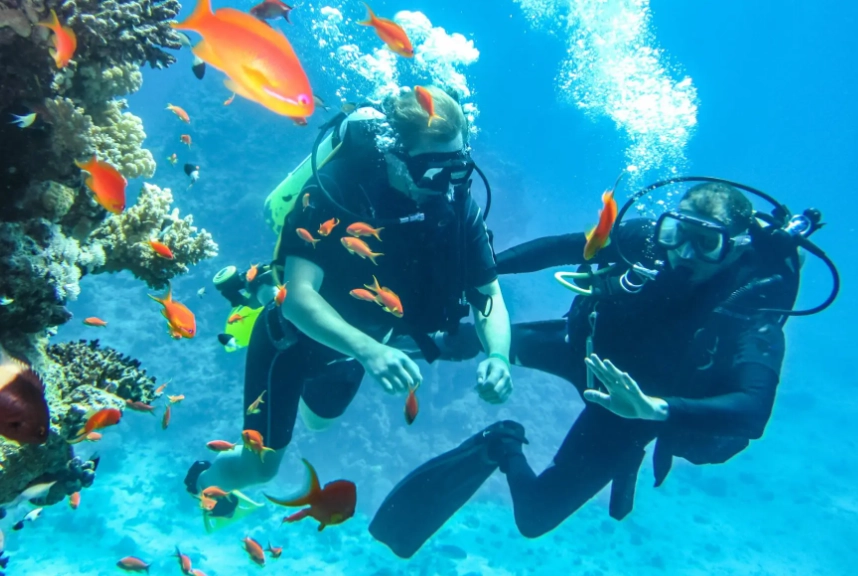
Rainbow River & King's Spring (Crystal River)
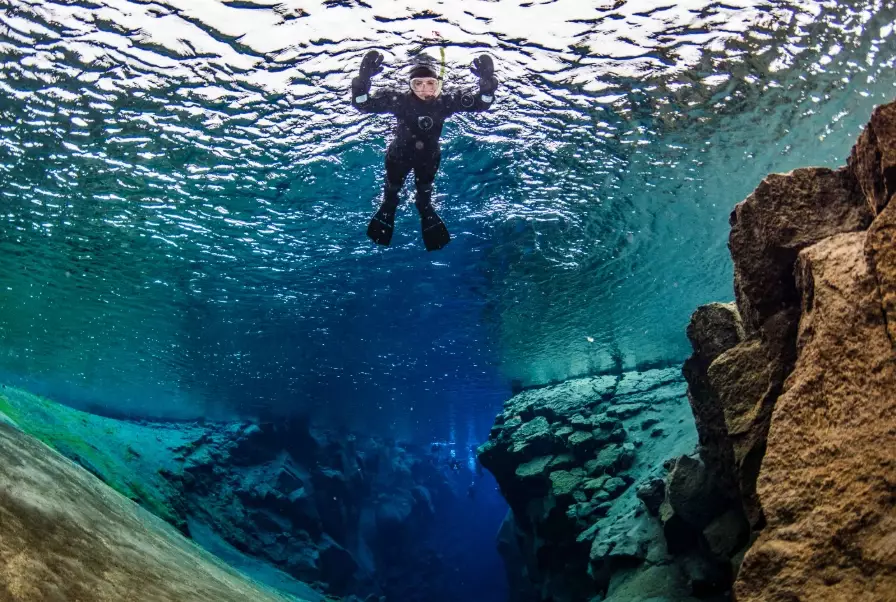
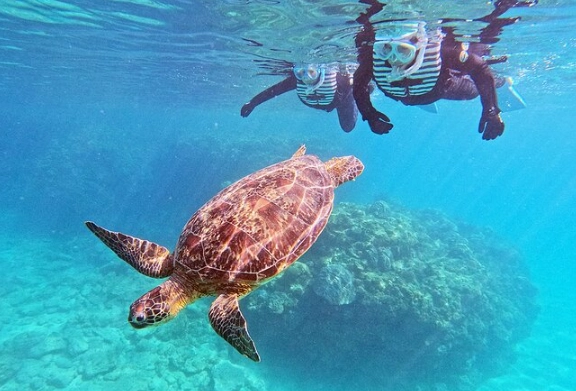
Forget everything you think about diving. Here, there's no salt, no waves, and visibility that feels like swimming in air. The Rainbow River is a slow-moving, crystal-clear river. You do a gentle drift dive along a sandy bottom lined with eelgrass. Depth stays around 10-15 feet. You'll see turtles, bass, and endless sunlight beams. It's the most stress-free diving environment imaginable.
Nearby, King's Spring at Crystal River is a cavern (not a cave—big difference) you can swim into. Sunlight pours through the opening, illuminating the sand below. It's a magical, confined space that's perfectly safe with a guide.
Make it happen: Operators like American Pro Diving Center in Crystal River specialize in these dives. A 2-tank river/spring trip runs about $130-$150, gear included. The water is a constant 72°F year-round, so a 5mm wetsuit is fine. Best time? Any time, but weekdays avoid the kayak crowds on the river.
The Gulf Coast: Destin & Panama City Beach
The Emerald Coast has sand as white as snow and water that's often incredibly calm. Dive operators here are used to beginners. Sites are mostly artificial reefs and wrecks in 40-60 feet of water. The USS Strength wreck off Destin is a favorite—it's intact, sits upright, and is covered in life. The sandy bottom and generally mild currents make it manageable.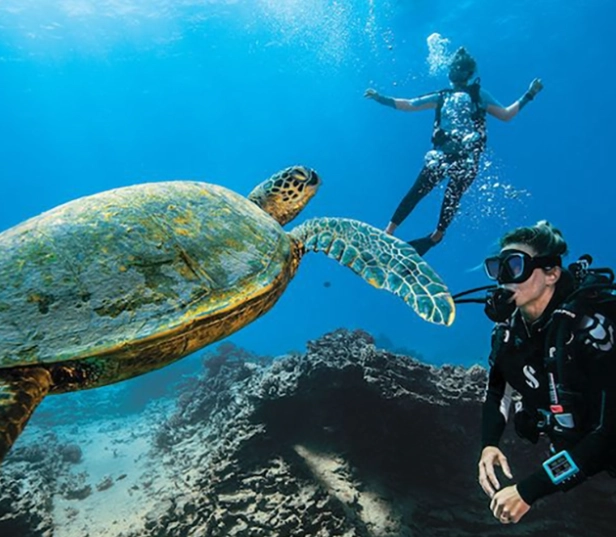
One rookie mistake here? Assuming the Gulf is always flat. Summer afternoons can see thunderstorms roll in quickly. Always book morning dives for the calmest conditions.
California: An Island Escape for Beginners
California diving has a reputation for being cold and advanced. But there's a glaring exception: Catalina Island.
The channel crossing can be choppy, I won't lie. But once you're in the coves on the island's lee side, it's a different world. The star here is the giant kelp forest. Swimming through shafts of light filtering down through a canopy of kelp is a surreal, almost spiritual experience. The kelp itself holds a universe of critters—garibaldi (California's bright orange state fish), spiny lobsters, and curious seals.
Casino Point Dive Park in Avalon is a game-changer. It's a protected marine reserve accessible right from a concrete stairway into the water. You can shore dive at your own pace. Depth ranges from 20 to 50 feet along a wall covered in life. I've taken more first-time divers here than anywhere else. The confidence they gain from managing their own dive, without a boat schedule, is huge.
Water temps range from low 60s in winter to low 70s in late summer/fall. A 7mm wetsuit or drysuit is mandatory. Operators like Catalina Divers Supply right at the park handle everything. A boat dive from the island runs $140-$160. The park itself is free to enter and dive.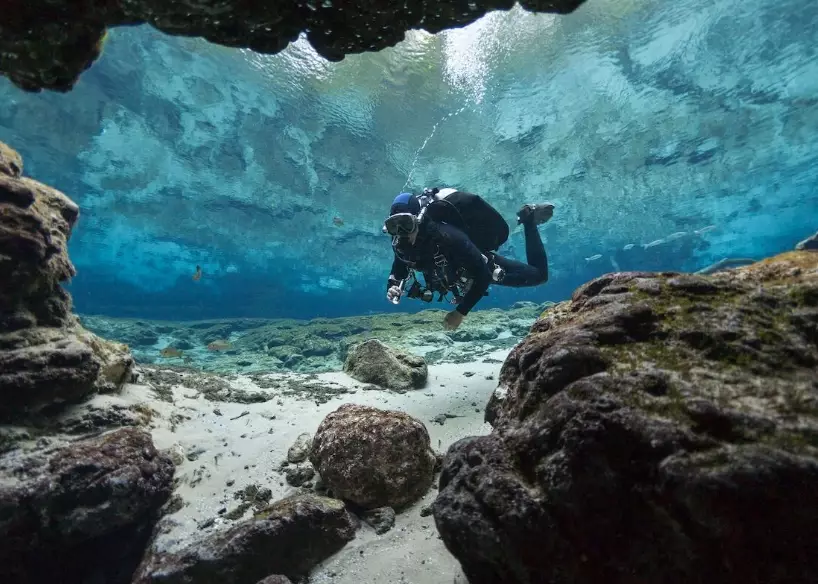
Hawaii: A Protected Bay Perfect for First-Timers
Hawaii feels like the pinnacle, and for beginners, one spot stands above all: Hanauma Bay Nature Preserve on Oahu.
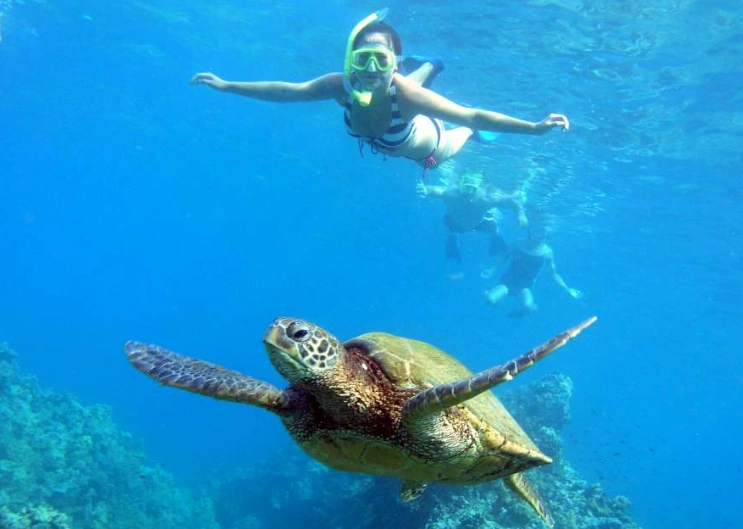
This is a volcanic crater that flooded, creating a perfect, crescent-shaped bay. It's a state-mandated marine life conservation district. The result? Fish are everywhere, and they're not shy. You'll see parrotfish, trumpetfish, and maybe a green sea turtle resting on the sand. The maximum depth in the main snorkeling/diving area is about 25 feet, with a sandy bottom sloping gently out.
Critical Local Tip: You must make an online reservation in advance. They sell out days, sometimes weeks, ahead. Entry is $25 per person, which includes a short conservation video. Parking is limited and fills by 8 AM. Go on a weekday, arrive right at opening (7 AM Wednesday through Sunday), and you'll have the calmest water before the wind picks up. The on-site dive center, Hanauma Bay Dive Tours, is the only operator allowed to rent scuba gear and guide in the bay.
It can feel crowded at the surface with snorkelers, but once you descend, the crowd melts away. It's the single most forgiving ocean environment for a new diver I've seen in the Pacific.
Florida Keys: Wrecks & Reefs in Shallow Seas
The Keys are the stateside diving capital. For beginners, the Upper and Middle Keys are your sweet spot.
The water is warm (78-85°F), shallow, and the reefs are prolific. But the real magic for new divers is the artificial wreck sites. Ships were sunk intentionally to create habitats, and they're placed in ideal, shallow depths.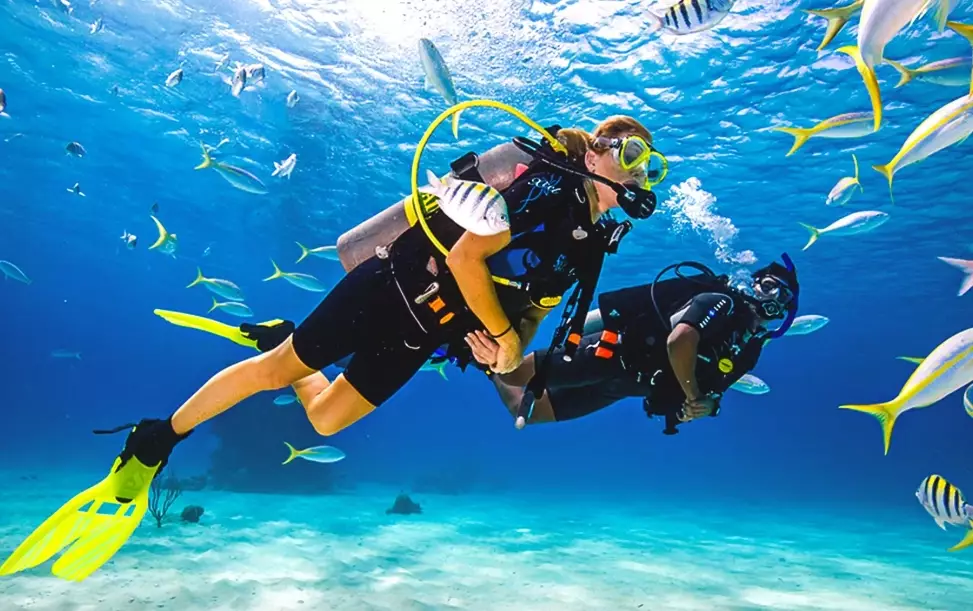
| Site Name | Location | Depth (Max) | Why It's Great for Beginners |
|---|---|---|---|
| The USCG Duane | Key Largo | 120 ft (deck at 60ft) | A famous wreck, but you can explore the superstructure in 60-70ft. Big, impressive, and clear. |
| The Christ of the Abyss | Key Largo (Dry Rocks) | 25 ft | A iconic statue in a sandy patch near the reef. Super shallow, perfect for buoyancy practice. |
| The Benwood Wreck | Key Largo | 45 ft | A broken-up wreck now a massive fish apartment. Very shallow, tons of life, minimal current. |
| Molasses Reef | Key Largo | 40 ft | The classic spur-and-groove reef. Many mooring buoys mean you can pick a calm site. Teeming with fish. |
Operators like Rainbow Reef Dive Center in Key Largo run multiple boats daily specifically for beginners. They call them "Easy Diver" trips—they pick the calmest sites, give thorough briefings, and keep groups small. A 2-tank trip costs around $160. Stay in Key Largo or Islamorada for the easiest access.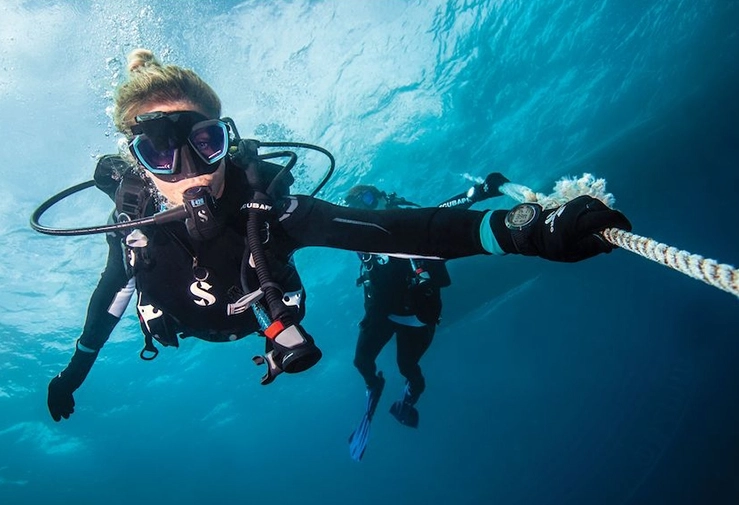
Southeast Florida: The Ultimate Shore Diving Playground
If you want maximum freedom and minimal cost, this is your spot. From Palm Beach down to Miami, a living coral reef runs parallel to the beach, often just a 100-yard swim from shore.
The crown jewel for beginners is Lauderdale-by-the-Sea. Drive up, park (metered or garage), walk across the beach, and swim out. In waist-deep water, you hit the first reef line (the "first ledge") at about 15-20 feet. It's a maze of coral rock with sergeant majors, angelfish, and octopus. Swim further to the second ledge at 25-35 feet.
Why is this perfect? You go on your own schedule. You can do a 30-minute dive or a 60-minute dive. No boat, no schedule, no pressure. Rent tanks and weights from Gold Coast Scuba a block away for $25. The pier is a central landmark. Go on a day with light winds from the east or southeast for the best visibility.
The one downside? This is boat traffic territory. You must carry a dive flag on a float, and stay close to it. It's a non-negotiable safety rule.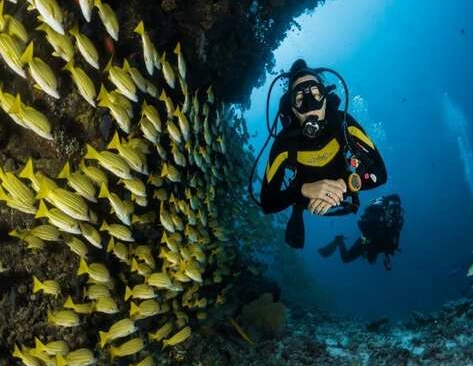
Your Beginner Diving Questions Answered
The key to a great first dive trip isn't chasing the most extreme location. It's finding a place where the conditions work with you, not against you. Pick one of these spots, communicate your experience level clearly, and you're set for an incredible start to a lifetime of underwater exploration.
Comments