Let's cut through the Instagram filter. The "best" place to learn scuba diving isn't just about the clearest water or the most turtles. It's about safety, patient instruction, and an environment that builds confidence, not fear. Get that foundation wrong, and even the Great Barrier Reef feels stressful. Get it right, and a local quarry can feel magical.
I've been diving for over a decade and seen too many friends have a mediocre (or worse) first experience because they picked a destination based on a brochure, not on what matters for a rookie. The perfect spot balances four things: world-class instruction, forgiving conditions, incredible rewards (the marine life), and sensible value.
Your Quick Dive Guide
What Actually Makes a Spot Great for Beginners?
Before we name names, let's set the criteria. When you're learning, you're not a tourist; you're a student. The priorities shift.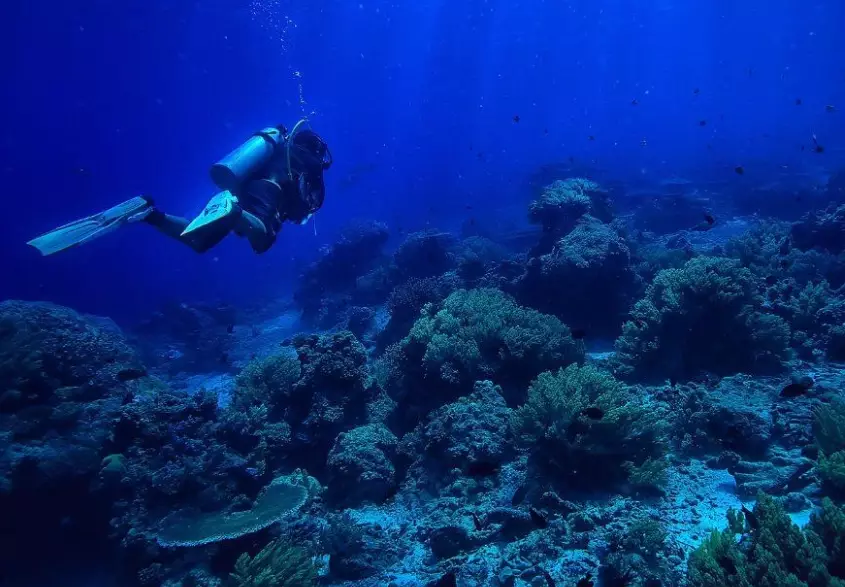
The Non-Negotiables: A high-quality, safety-obsessed dive center (look for PADI 5-Star or equivalent). Warm, generally calm water with good visibility (5m+). Shallow, protected training sites free from strong currents. Patient instructors fluent in your language.
Here’s the subtle mistake most make: they prioritize "amazing coral" over "calm bay." Your first four open water dives are about mastering buoyancy, clearing your mask, and not kicking up sand. A gentle, sandy patch with a few fish is a better classroom than a stunning, current-swept wall. The wow factor comes after you've earned your certification card.
The Top Global Contenders, Broken Down
Based on teaching infrastructure, conditions, and overall experience, these places consistently deliver for new divers.
1. The Gold Standard: The Great Barrier Reef, Australia (Cairns/Port Douglas)
Yes, it's iconic for a reason. But for learning, it's not just the reef—it's the system.
Why it's elite for beginners: The Australian dive industry is heavily regulated. Standards are exceptionally high. The inner reef sites, like those around Norman or Saxon Reef, are purpose-built for training: shallow (5-12 meters), calm lagoon-like conditions, and stunning coral gardens that feel incredibly rewarding from day one. You learn in a literal wonder of the world.
The practicalities: Courses are not the cheapest, but you're paying for top-tier safety and instruction. Most courses are liveaboard-based (3 days/2 nights), meaning you eat, sleep, and dive on the reef. This is immersive and efficient. Operators like Pro Dive Cairns or Deep Sea Divers Den have this down to a science.
My take: If budget is less of a concern and you want the most seamless, professional intro to diving, this is hard to beat. The "wow" factor is guaranteed, and it's a safe bet.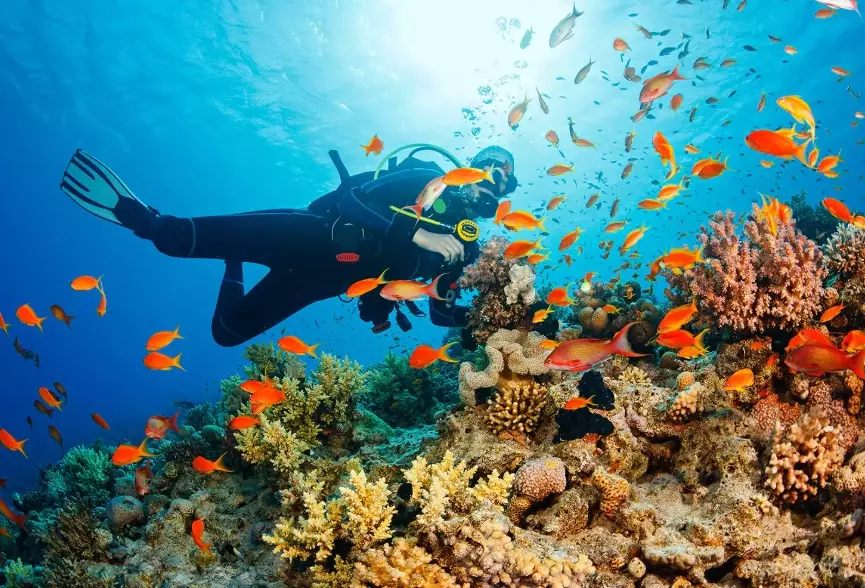
2. The Value & Vibes Champion: Koh Tao, Thailand
Koh Tao certifies more new divers than perhaps anywhere else on Earth. That volume creates efficiency and affordability.
Why beginners flock here: The price is compelling. A PADI Open Water course can be half the cost of other global destinations. The west coast bays, like Sairee or Mae Haad, offer protected, shallow, warm water perfect for confined training. The island has a dedicated backpacker/diver social scene.
The caveat (and this is crucial): Not all shops are equal. The high volume can sometimes mean crowded classes or rushed instruction if you pick poorly. You must do your homework.
How to pick right on Koh Tao: Avoid the shop with the loudest bar. Look for centers that cap their student-to-instructor ratio at 4:1. Read recent reviews specifically about the beginner course. Good bets are shops like Big Blue Diving or Master Divers, which have maintained strong reputations for years by not cutting corners on safety.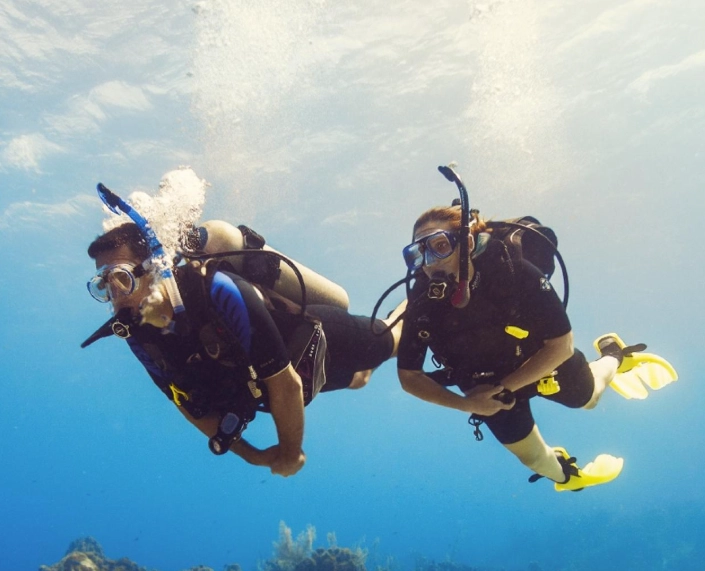
3. The Calm-Water Specialist: Bonaire, Caribbean
This is the secret weapon for anyone anxious about boats or choppy water.
The unique advantage: Bonaire is a shore-diving paradise. Your open water training dives can literally be done from the beach at sites like 1000 Steps or Something Special. You wade in from a pebbly shore into a calm, sloping reef. This eliminates seasickness worries and lets you progress at your own pace. The visibility is almost always stellar, and the marine life is abundant and approachable.
Considerations: It's more expensive than Southeast Asia. The island is quiet, focused purely on diving. The training is superb, but the nightlife is not Koh Tao's.
Perfect for: The learner who values a relaxed, self-paced, and highly practical environment above a party scene.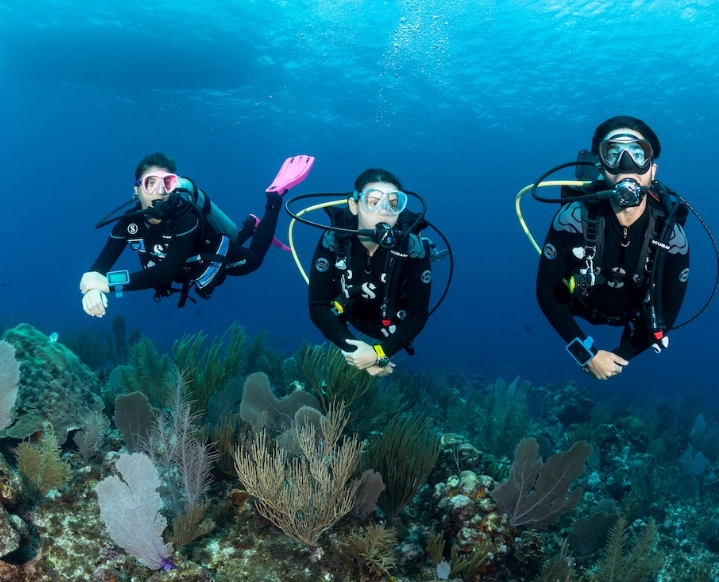
4. The Adventure-Classroom: The Bay Islands, Honduras (Utila & Roatán)
Similar to Koh Tao in vibe and value, but with a Caribbean twist and bigger animals.
Utila is the budget king, with a hyper-social atmosphere and a chance to see whale sharks (seasonally). The training sites on the north side are protected. Roatán is slightly more upscale. Its fringing reefs are teeming with life, and the conditions are typically calm. The Mesoamerican Barrier Reef provides a stunning backdrop for learning.
The instruction can be excellent, but again, shop selection is key. Look for established operations like Utila Dive Centre or Roatan Divers.
| Destination | Best For | Typical Cost (OW Course) | Key Consideration |
|---|---|---|---|
| Great Barrier Reef | Unmatched professional standards & iconic dives | $$$$ | Higher cost, liveaboard format |
| Koh Tao, Thailand | Best value & social scene | $ | Must research dive shops carefully |
| Bonaire | Calm, shore-based learning & consistency | $$$ | Quieter island, less "party" vibe |
| Bay Islands, Honduras | Caribbean value & big animal potential | $$ | Similar shop selection diligence needed |
How to Choose Your Perfect Learning Base
Don't just pick a place. Match it to your personal trip.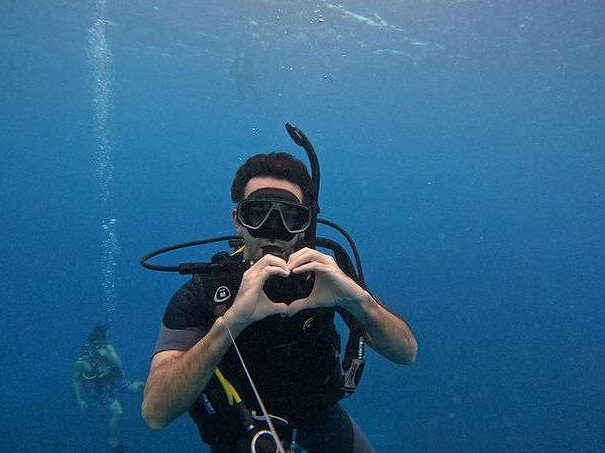
Ask yourself:
- Budget: Is this a splurge trip or a backpacker adventure?
- Travel Style: Do you want a dedicated dive trip or to mix diving with other tourism?
- Comfort Zone: How do you feel about boats, currents, or deep water? Be honest.
- Post-Certification Goals: Will you stay to do fun dives right after your course? If so, pick a place with great diving beyond the training sites.
Once you narrow down a location, vet the dive center, not just the island. Email them. Ask about their student-to-instructor ratio, equipment maintenance schedule, and safety record. A good shop will be transparent and proud to answer.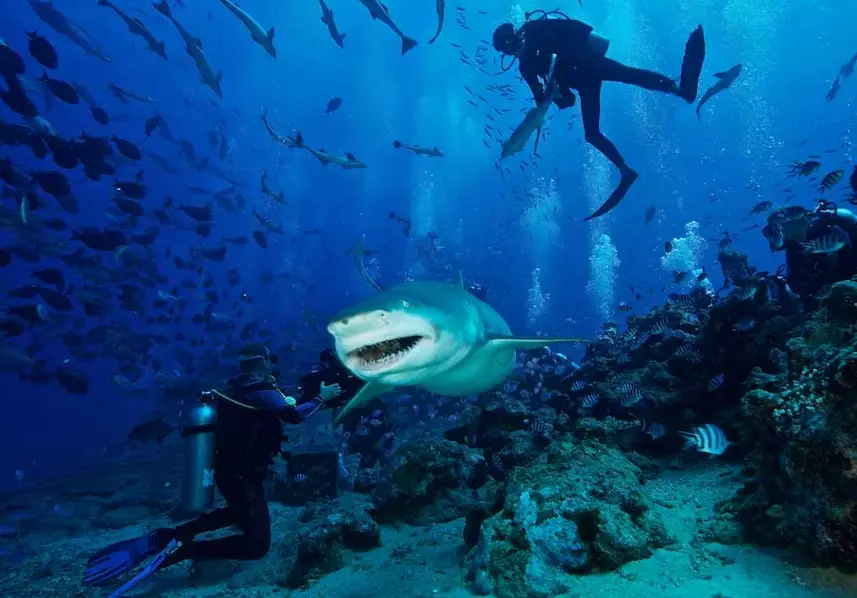
Your Burning Questions, Answered
The best place to learn is the one that makes you feel safe, supported, and excited to get back in the water. It's less about the destination's fame and more about the quality of your first teachers and the kindness of the sea they introduce you to. Do your homework, listen to your gut, and get ready for a world that will change how you see our planet.

Comments