When you think of European travel, diving might not be the first thing that pops into your head. You picture cafes, castles, and art galleries. But let me tell you, beneath the surface of its iconic seas lies a diving scene that's wildly diverse, surprisingly accessible, and often overlooked. From technicolor walls in the Med to eerie wrecks in the North Sea, Europe packs a punch. The trick isn't just finding a "good" spot—it's matching the destination to what you actually want from your dive. Calm, fish-filled bays for your first certification? Heart-pounding drift dives along sheer cliffs? This guide cuts through the hype.
Your Dive Plan at a Glance
The Mediterranean Gems: Warm Water & Wrecks
The Med is Europe's diving playground. The water is clear, the summers are long, and the history is literally sunk beneath the waves. It's where most divers start their European journey.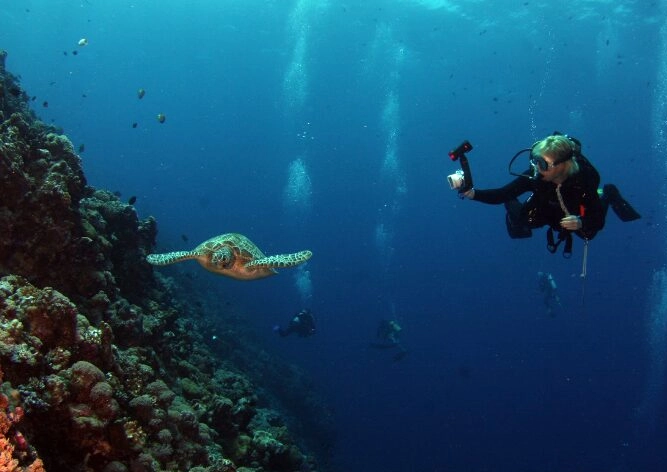
Malta, Gozo & Comino: The Wreck Diver's Playground
This tiny archipelago is a heavyweight. The water clarity is insane, often 30m+, and the limestone topography creates swim-throughs, arches, and caves. But Malta is famous for its wrecks. The UM El Faroud, a 10,000-ton oil tanker scuttled in 1999, is a masterpiece of artificial reef creation. It's huge, intact, and sits perfectly upright at 36m. For something shallower, the P29 patrol boat off Cirkewwa is covered in life. The local dive community is tight-knit and professional. Stay in Sliema or St. Julian's for nightlife, or Gozo for a quieter, more rugged vibe. Flights into Malta International Airport (MLA) are frequent from across Europe.
The Greek Islands: More Than Just White Villages
Everyone knows Santorini for the sunset, but divers know it for the volcanic caldera dive. Dropping into the deep blue off Nea Kameni is surreal. For a more traditional trip, Zakynthos offers the famous Keru Caves, where light plays magic tricks. But my under-the-radar pick? The island of Alonissos in the Sporades. It's part of a National Marine Park, one of the largest in Europe. Here, you have a genuine chance to see the endangered Mediterranean monk seal. The diving is pristine, the rules are strict (no gloves, no touching), and it feels responsible. You'll fly into Athens (ATH) or Thessaloniki (SKG) and then catch a domestic flight or ferry.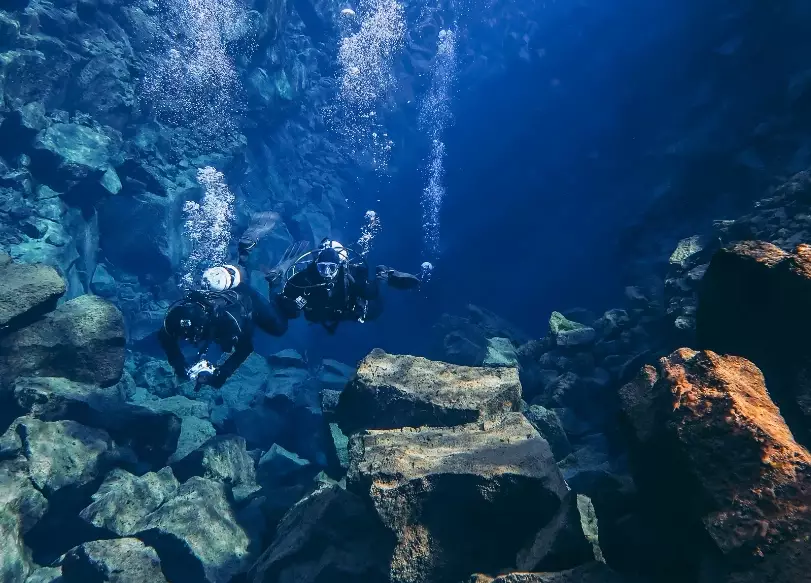
Italy's Coastline & Islands: La Dolce Vita, Underwater
Italy's diving is as varied as its food. The far north, around Portofino, has Christ of the Abyss and elegant seagrass meadows. But for a concentrated dose of amazing dives, head to the Island of Elba. The Pianosa island dive site (a short boat ride from Elba) has visibility that feels like diving in air, with barracuda and groupers. Southern Italy and Sicily offer dramatic volcanic formations. A key tip: Italian dive centers often have a long midday break (riposo). Plan for a morning and late afternoon dive, with pasta in between. Perfect.
Mediterranean Quick Tip: Don't underestimate the value of a good dive guide here. The best sites are often not marked by buoys and require local knowledge to find the small entrances to caves or the specific wreck sections teeming with life. A guide fee is worth every euro.
The Atlantic & North Sea: Wild & Dramatic
This is for divers who want a raw, powerful experience. The water is cooler, the conditions more dynamic, and the rewards are unique.
The Azores, Portugal: The Blue Whale Superhighway
This is bucket-list territory. A remote archipelago in the middle of the Atlantic, the Azores is about big animal encounters. From April to October, you can join dedicated boat trips to swim with blue whales, sperm whales, and dolphins (snorkeling, but it's part of the trip). The diving itself is rugged. Princess Alice Bank, a seamount about 50 nautical miles off Pico Island, is an advanced dive. You drop into the blue at 30m and are surrounded by hundreds of mobula rays, tuna, and hammerhead sharks. It's a full-day expedition, but unforgettable. Base yourself on Pico or Faial. Fly into Ponta Delgada (PDL) on São Miguel and connect internally.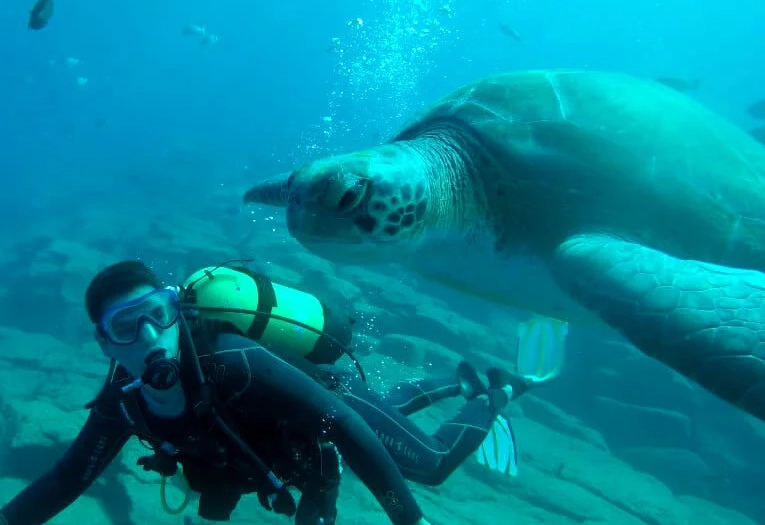
The Canary Islands, Spain: Year-Round Summer
With water temps between 18-24°C (64-75°F) all year and consistent conditions, the Canaries are Europe's reliable winter escape. Tenerife and Lanzarote are the main hubs. The diving is volcanic—black sand, bizarre lava formations, and caverns. The star attraction in Tenerife is the ray sanctuary at Las Eras, where you kneel on the sand as angel rays and stingrays glide right over you. In Lanzarote, the Museum of Atlantic Art features surreal underwater sculptures. It's accessible, warm, and perfect for divers of all levels. Direct flights from all over Europe land at Tenerife South (TFS) or Lanzarote (ACE).
Scapa Flow, Scotland: The Ultimate History Lesson
This is cold water diving at its most significant. In the Orkney Islands, Scapa Flow is the resting place of the scuttled German High Seas Fleet from WWI. These are massive battleships and cruisers in relatively shallow water (25-45m). Diving the Kronprinz Wilhelm or the Brummer is like floating over a ghost town of steel. You need a drysuit and good buoyancy—the wrecks are historical monuments. The season is short (May to September), and the weather dictates everything. But for wreck enthusiasts, it's a pilgrimage. Fly to Kirkwall (KOI) via Aberdeen or Edinburgh.
| Destination | Best For | Water Temp (Avg) | Key Sight | Suit Recommendation |
|---|---|---|---|---|
| Malta | Wrecks, Visibility, Training | 16-26°C (61-79°F) | UM El Faroud wreck | 5mm-7mm wetsuit |
| The Azores | Big Pelagics, Adventure | 17-24°C (63-75°F) | Mobula rays at Princess Alice | 7mm semidry or drysuit |
| Canary Islands | Year-round diving, Families | 18-24°C (64-75°F) | Angel rays, lava tunnels | 5mm-7mm wetsuit |
| Scapa Flow, Scotland | Historic Wrecks, Experts | 8-14°C (46-57°F) | German WWI battleships | Drysuit (essential) |
How to Choose Your Spot: A Reality Check
Picking a spot based on a pretty picture is the first mistake. Ask yourself these questions first.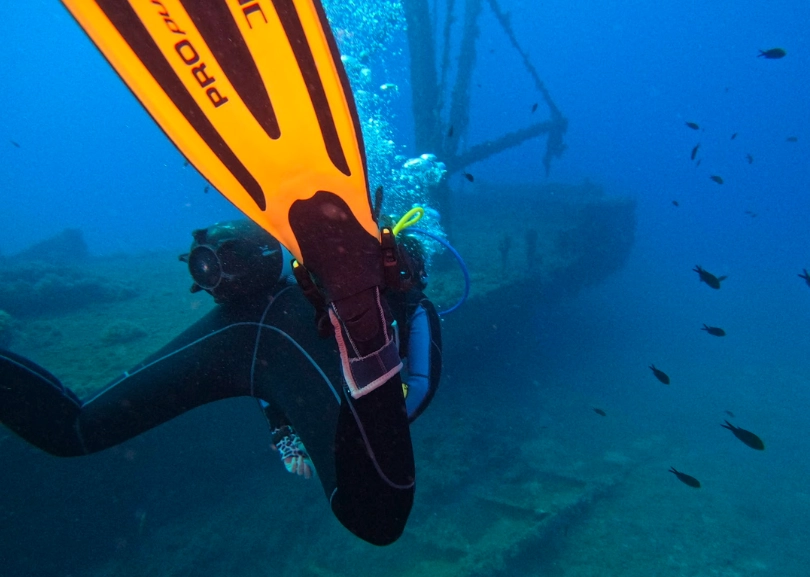
What's your real skill level? Be honest. If you have 20 dives but all in tropical, calm lakes, a strong Atlantic current site is not your next step. Malta's protected bays or the Canaries' volcanic pools are better progression paths.
What do you want to see? Wrecks? Head to Malta or Scapa. Big fish? The Azores or remote Mediterranean spots. Macro life and cute seahorses? The seagrass beds of Sardinia or Croatia.
Logistics matter. A "dream" site is useless if you get seasick on a 3-hour boat ride each way. Consider travel time from airport to dive center, language barriers (most major centers have English speakers, but smaller towns may not), and what you want to do topside. Does your non-diving partner have things to do?
My personal rule? I always plan one "challenge" dive trip and one "relaxation" dive trip per year. Europe offers both.
Dive Trip FAQs Answered
The final word? Europe's underwater world is a continent in itself. It demands a bit more research than a standard tropical holiday, but that's part of the fun. You're not just going to a resort; you're exploring a specific coastline, a unique history, a local dive culture. Pick your adventure based on what calls to you—the silent hulks of history, the blue open ocean, or the warm, lively reefs. Then get your gear ready. The water's waiting.
Comments