Let's be honest. A search for the "best" anything is a rabbit hole. For scuba diving in Asia, it's an ocean. One diver's paradise is another's boring sandy bottom. The thrill-seeker wants strong currents and sharks. The macro photographer craves critter-filled muck. The vacation diver dreams of warm, clear water and a beach bar afterwards.
Asia delivers on all fronts, but you need to match the place to your personal dive profile. I've spent over a decade hopping between Asian dive hubs, from packed liveaboards to near-empty reefs. This isn't just a list of famous names. It's a breakdown of what each major Asian diving destination actually feels like, who it's for, and the nitty-gritty of making it happen.
Your Quick Dive Guide
- Tubbataha Reefs, Philippines: The Remote Pinnacle
- The Maldives: Channel Masters
- Raja Ampat, Indonesia: Biodiversity Central
- Similan Islands, Thailand: The Accessible Classic
- Sipadan, Malaysia: The Turtle Tornado
- Yonaguni, Japan: The Mystery
- How to Plan Your Asia Diving Trip: Beyond the Brochure
- Your Asia Diving Questions Answered
Tubbataha Reefs, Philippines: The Remote Pinnacle
Think of Tubbataha as the underwater Serengeti. It's a UNESCO World Heritage Site smack in the middle of the Sulu Sea, about a 12-hour boat ride from Puerto Princesa. No resorts, no day trips. Just you, a liveaboard, and an ocean wilderness.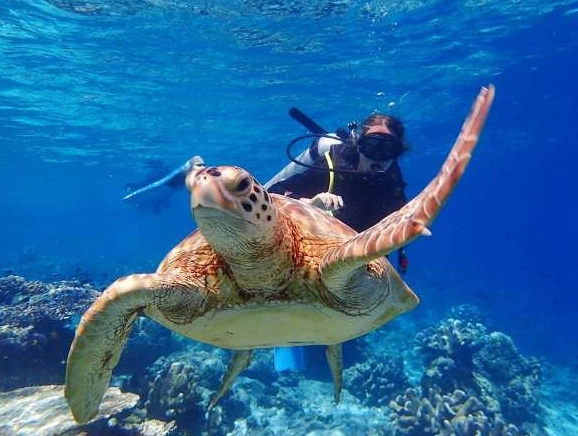
The payoff? Pristine walls, staggering visibility (often 30m+), and pelagic action. We're talking schools of jacks, trevallies, reef sharks (whitetip and grey), and from March to June, a good chance of seeing mantas and whale sharks. The coral health is exceptional, a stark contrast to many bleached reefs elsewhere.
The Reality Check
This trip is an investment. Liveaboards here are premium, and the season is brutally short: mid-March to mid-June only, dictated by park authority rules and weather. You need at least 50 logged dives, and comfort with currents and deeper walls is a must. It's not a learn-to-dive place. It's a reward for experienced divers.
Getting there: Fly to Manila, then to Puerto Princesa (PPS). Liveaboards depart from a port here. Book the liveaboard first, then flights.
Sample cost: A 6-night liveaboard starts around $2,500-$3,500 USD, including park fees (which are substantial).
Best for: Experienced divers, pelagic lovers, photographers, those seeking remoteness.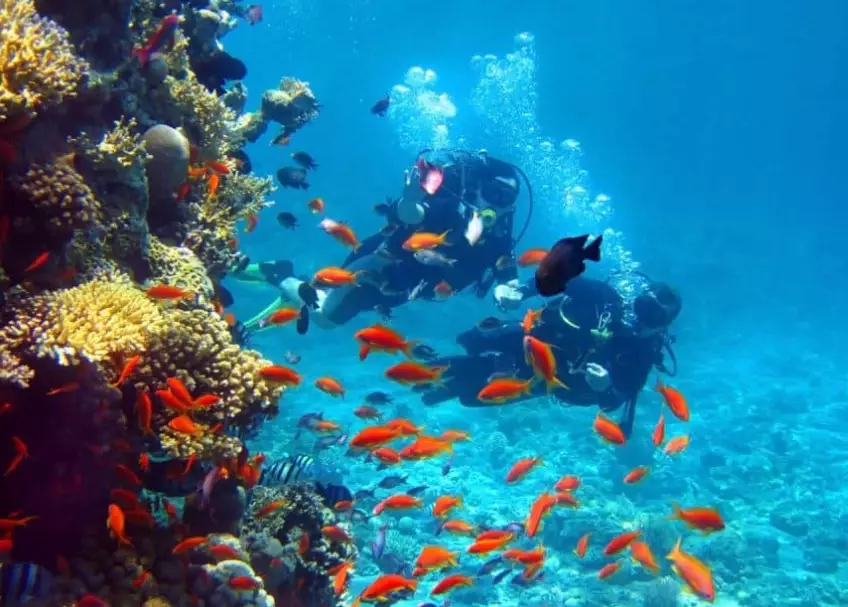
The Maldives: Channel Masters
The Maldives is a liveaboard kingdom. Sure, you can dive from a resort, but you'll see a fraction of the action. The magic happens in the channels ("kandus") between atolls, where tidal currents funnel nutrients and attract megafauna.
Diving here is about the drift. You fly along a reef wall, watching gray reef sharks patrol, eagle rays soar, and massive schools of snapper swirl. The famous Hanifaru Bay (when accessible) offers one of the world's most spectacular manta ray feeding frenzies. It's adrenaline-filled, big-animal diving.
Not Just for Pros
A common misconception is that the Maldives is only for advanced divers. While the channel dives require good buoyancy and current management, many liveaboards also visit sheltered inner reefs, thilas (seamounts), and manta cleaning stations perfect for intermediates. The dive guides are masters at positioning the dhoni (dive tender) for easy pickups.
Season: Best conditions are January to April (NE monsoon). The SW monsoon (May-Oct) brings plankton-rich water, better for mantas but with reduced visibility.
Getting there: Fly to Malé (MLE). Most liveaboards start with a transfer from the airport.
Sample cost: A 7-night liveaboard ranges from $2,000 to $5,000+ USD. Resort diving is often more expensive per dive.
Best for: Drift diving enthusiasts, shark lovers, manta seekers, liveaboard fans.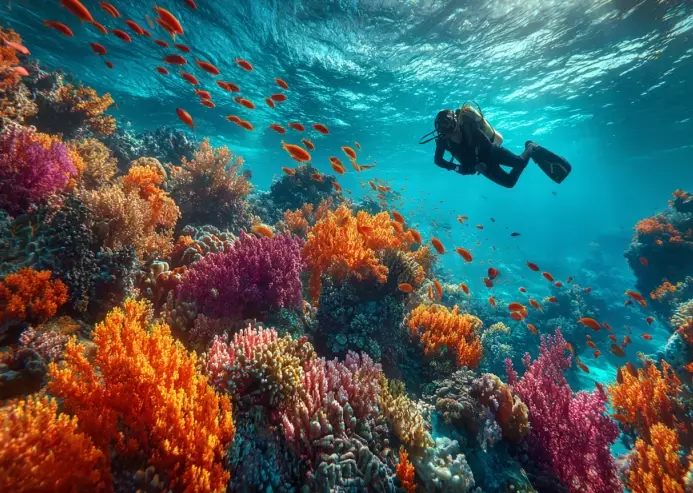
Raja Ampat, Indonesia: Biodiversity Central
The numbers are staggering. Over 1,500 fish species, 75% of the world's known coral species. Raja Ampat, off West Papua, is the epicenter of marine biodiversity. The scenery above water—jungle-covered karst islands—is just as breathtaking.
Diving here feels rich. It's not always about huge schools or sharks (though they're present). It's about the density and variety of life on a single reef: tiny pygmy seahorses, flamboyant cuttlefish, walking sharks, and technicolor soft corals that seem to glow.
A Local's Tip: Many first-timers rush to the northern sites (Wayag, etc.), but some of the most vibrant and accessible reefs are in the central Dampier Strait around Kri and Arborek Islands. You can base yourself at a homestay or eco-resort here and do day trips, which is far more budget-friendly than a liveaboard.
Season: October to April is prime. July-September can be windy and rougher.
Getting there: Fly to Jakarta or Bali, then to Sorong (SOQ). From Sorong, it's a 2-3 hour ferry to Waisai on Waigeo Island, or a direct transfer to your liveaboard.
Sample cost: Homestays can be $50-100/day with diving. Liveaboards start around $3,000 for 7 nights.
Best for: Macro photographers, coral enthusiasts, adventurous divers, biodiversity nerds.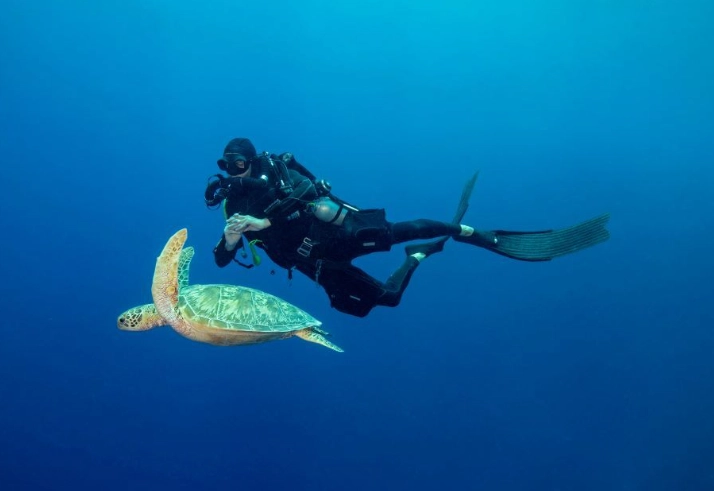
Similan Islands, Thailand: The Accessible Classic
The Similans are Thailand's flagship liveaboard destination. They offer a great introduction to what a multi-day dive trip feels like, often at a more accessible price point than the remote giants. The granite boulders, swim-throughs, and white sand beaches are iconic.
You get a mix: whale shark sightings (seasonal, mainly Feb-Apr), manta rays at Koh Bon and Koh Tachai, and bustling reef life. Richelieu Rock, often included on Similan itineraries, is a pinnacle teeming with fish.
The Crowd Factor
Here's the unvarnished truth: it's popular. During high season (Nov-Apr), you might share Richelieu Rock with 10-15 other boats. A good liveaboard operator will time their dives to avoid the worst crowds, but don't expect solitude. The upside? The infrastructure is smooth, the boats are comfortable, and it's social. You'll meet divers from all over.
Season: National Park is open mid-October to mid-May.
Getting there: Liveaboards depart from Khao Lak (1.5 hours from Phuket airport, HKT) or Phuket.
Sample cost: A 4-day/3-night liveaboard starts around $800-$1,200 USD.
Best for: First-time liveaboarders, divers wanting a mix of creatures and scenic dives, social travelers.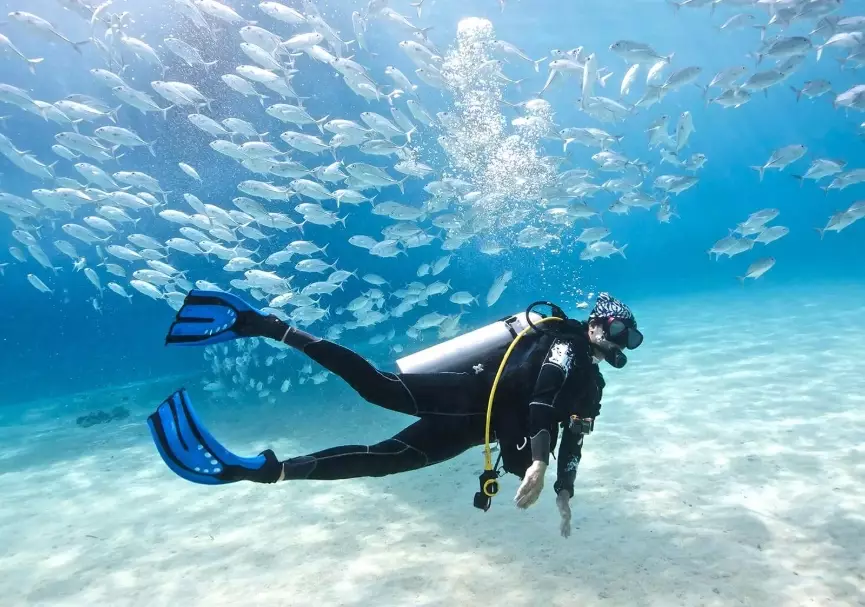
Sipadan, Malaysia: The Turtle Tornado
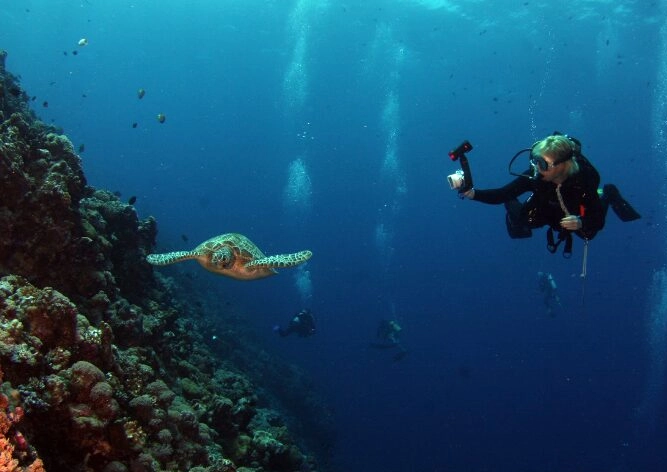
Sipadan is legendary. An oceanic island rising from the deep, it's a magnet for life. The star attraction is the turtles—hawksbills and greens—that are so abundant you have to watch not to bump into them. At Barracuda Point, you might see a swirling vortex of thousands of barracuda. The drop-offs are sheer and dramatic.
There's a catch. To protect it, the Malaysian government issues only 120 permits per day. You must stay on nearby islands (Mabul or Kapalai) and hope your dive operator secures a permit for your scheduled day(s). It's a lottery, but even if you miss Sipadan, the muck diving around Mabul is world-class for macro—frogfish, ghost pipefish, and rare crustaceans.
Permit System: Book your accommodation/dive package well in advance. Operators apply for permits. Never trust a "guaranteed Sipadan" promise unless it's for a very expensive, long-stay package.
Getting there: Fly to Tawau (TWU), then a 1-hour car to Semporna, then a 45-minute boat to Mabul.
Sample cost: A 5D/4N package with 1-2 days at Sipadan costs $700-$1,500+.
Best for: Turtle lovers, those combining big action (Sipadan) with muck macro (Mabul).
Yonaguni, Japan: The Mystery
For something utterly different, head to Japan's westernmost island. Yonaguni is famous for the controversial "Yonaguni Monument"—massive, terraced underwater rock formations that some believe are man-made ruins. Whether natural or not, diving them is surreal. It's also one of the most reliable places in the world to see schools of hammerhead sharks (Dec-Apr).
The water is cooler (20-28°C), currents can be strong, and it feels more rugged and frontier-like than tropical Southeast Asia. It's a destination for the curious and the experienced.
Season for Hammerheads: December to April, with peak sightings often in January/February.
Getting there: Fly from Tokyo (HND) or Osaka (ITM) to Ishigaki, then a short flight to Yonaguni (OGN).
Sample cost: Diving is relatively expensive in Japan. Expect to pay $150-$200 for a two-tank boat dive.
Best for: Advanced divers, hammerhead seekers, adventure travelers wanting a non-tropical experience.
How to Plan Your Asia Diving Trip: Beyond the Brochure
Choosing the destination is half the battle. Here’s how to lock it in.
| Destination | Ideal For | Budget Level | Min. Experience | Prime Season |
|---|---|---|---|---|
| Tubbataha, PH | Pelagics, Pristine Reefs | High | Advanced (50+ dives) | Mar-Jun |
| Maldives | Drifts, Sharks, Mantas | Mid to High | Intermediate+ | Jan-Apr |
| Raja Ampat, ID | Biodiversity, Macro | Mid to High | Intermediate | Oct-Apr |
| Similan Islands, TH | Liveaboard Intro, Variety | Mid | Open Water | Nov-Apr |
| Sipadan, MY | Turtles, Big Fish Action | Mid | Open Water | Year-round (Apr-Dec best vis) |
| Yonaguni, JP | Hammerheads, Adventure | High | Advanced | Dec-Apr (Hammerheads) |
Booking Window: For liveaboards in peak season (especially Tubbataha, Raja, Similans), book 6-12 months out. For resort-based diving, 3-6 months is usually fine.
Insurance: Never skip dive-specific insurance like DAN (Divers Alert Network) or DiveAssure. Regular travel insurance often excludes scuba.
Gear: Most operators provide full gear, but bringing your own mask, computer, and wetsuit (even a thin one) dramatically increases comfort.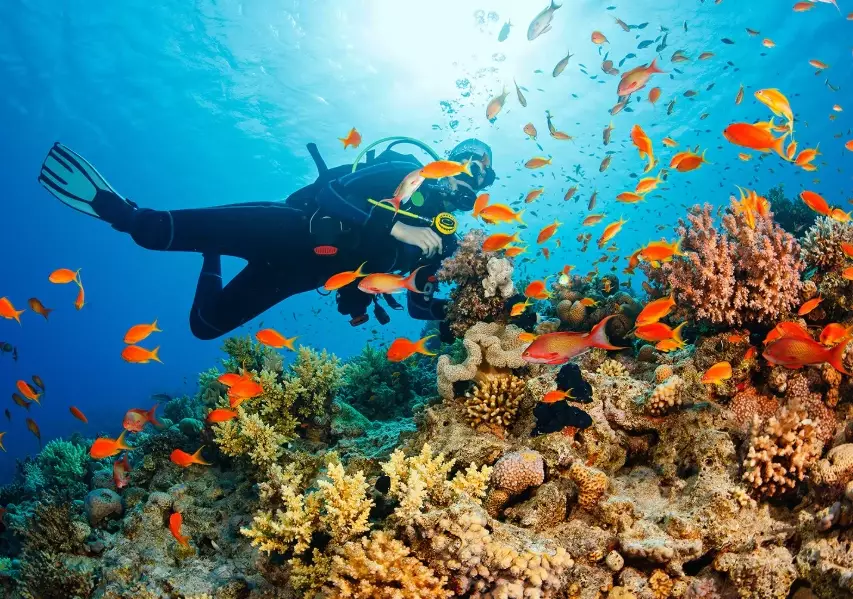
Your Asia Diving Questions Answered
So, where does that leave you? Forget finding the single "best" place. Think about the best place for you right now. Want comfort and social vibes on your first liveaboard? Similans. Ready to invest in a remote, pelagic-packed safari? Tubbataha. Obsessed with tiny, weird critters? Raja Ampat or the muck of Mabul. Match the destination to your experience, budget, and what makes you stare wide-eyed through your mask. That's how you find your best dive in Asia.
Comments