Let's cut to the chase. The best place to scuba dive for beginners isn't one single spot. It's a type of place. You need calm, warm, clear water, professional and patient instructors, and a forgiving environment where a little mistake won't spiral into panic. I've logged over a thousand dives from Iceland to Indonesia, and I can tell you that picking the right location for your first fins-on experience makes all the difference between falling in love with the ocean and swearing it off for good.
This guide skips the fluff and gives you the real, actionable intel. We'll cover what makes a site beginner-friendly and then dive into specific, vetted locations around the globe.
Your Quick Dive Guide
What Makes a Dive Site 'Beginner-Friendly'?
Forget the Instagram shots of deep walls and strong currents. As a new diver, your checklist is different.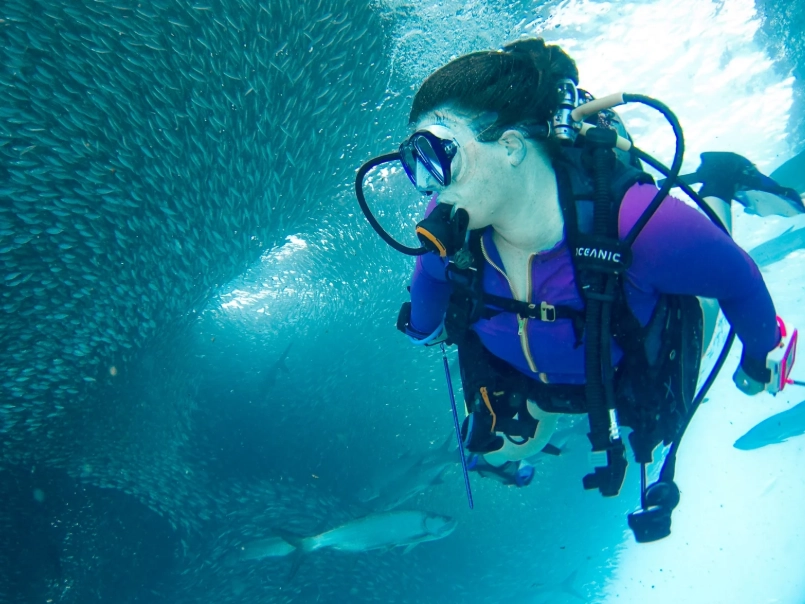
The Non-Negotiables: Calm surface conditions (little to no waves), minimal or predictable current, warm water (78°F/26°C+), and visibility over 10 meters (30 feet). You want to focus on your breathing and buoyancy, not fighting the ocean.
Here’s the subtle thing most lists miss: accessibility. A great beginner site has a easy entry and exit, like a sandy beach or a stable platform. Wrestling with heavy gear on a rocking boat ladder while trying not to fall is a terrible first experience. I've seen it ruin days.
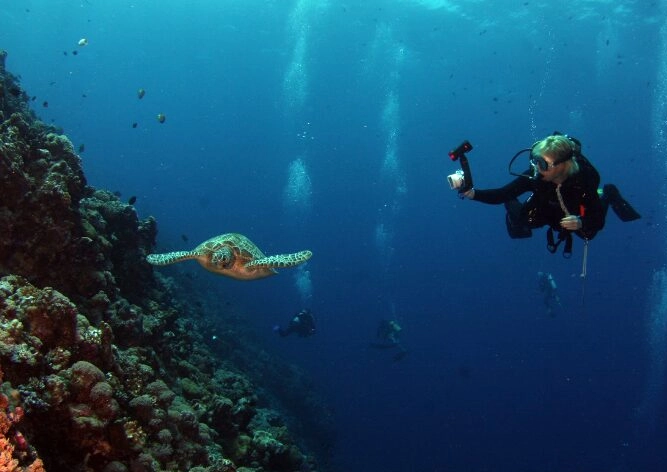
Also, look for a healthy but not intimidating amount of marine life. A barren desert is boring, but being surrounded by hundreds of fast-moving fish can be sensory overload. Gentle sea turtles, curious clownfish, and slow-moving rays are the perfect audience for your first performance.
Finally, the presence of a dense cluster of professional dive centers is a huge green flag. Competition keeps standards high and prices fair. Places like Koh Tao or the Red Sea have this in spades.
Top 5 Beginner Scuba Diving Destinations in the World
Based on decades of guiding students, here are my top picks. I'm including not just the 'where,' but the 'why' and the practical 'how.'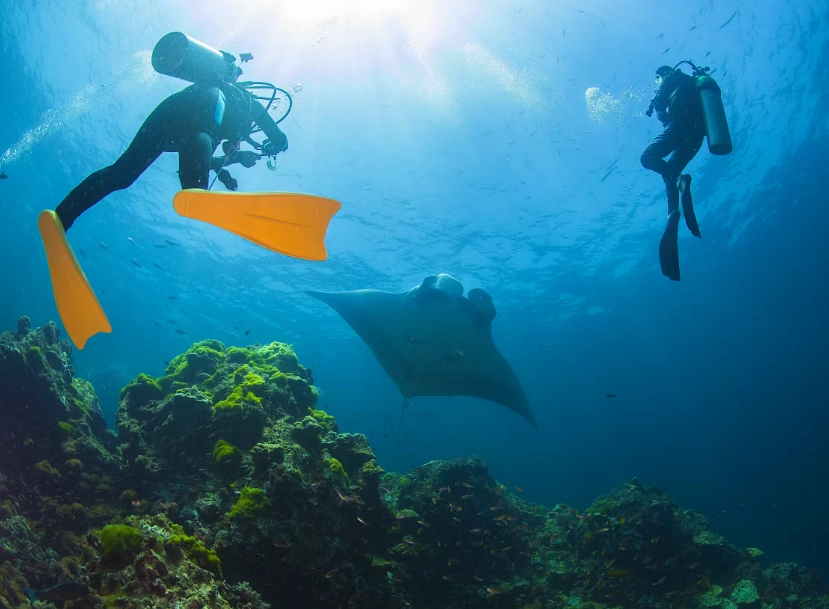
1. Tulamben, Bali, Indonesia
The Draw: The USAT Liberty shipwreck. It's a 120-meter-long WWII wreck that starts just meters from the shore and rests in shallow water (5-30 meters). You can literally walk in from the black sand beach.
Why it's perfect for beginners: Almost no current, year-round diving, and the wreck is shallow enough that even on your first open water dive, you can explore a significant part of it. The marine life is spectacular—schools of jackfish, giant parrotfish, and even the occasional bumphead wrasse. Dozens of dive shops line the single road, offering affordable courses. A 3-day Open Water course here can cost as little as $450-$500.
One thing to know: The beach entry is over volcanic rock and sand. It's not a white-powder Caribbean beach. Wear booties.
2. The Red Sea, Egypt (Sharm el-Sheikh & Hurghada)
The Draw: Incredible coral reefs teeming with life, reliably sunny weather, and ridiculously affordable all-inclusive dive packages.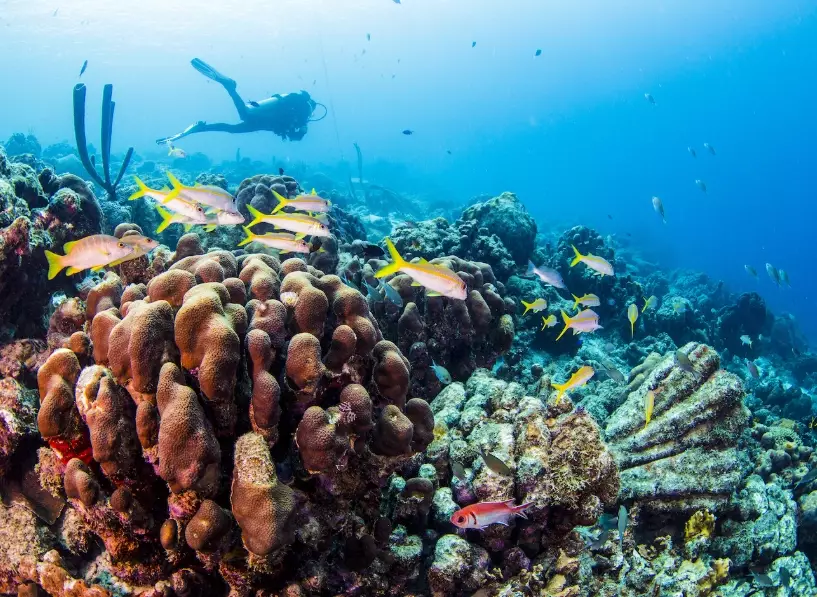
Why it's perfect for beginners: The northern Red Sea, particularly the reefs near the shore (like the famous sites near Sharm), are protected bays with often mirror-calm conditions. The water is consistently warm and clear. The coral gardens are shallow, vibrant, and full of colorful fish, providing endless distraction as you practice your skills. The dive industry is massive and streamlined, perfect for first-timers. You can find week-long packages with accommodation, meals, and 2-3 boat dives a day for under $700.
One thing to know: Boat diving is the standard. You'll need to get comfortable with the giant stride entry off the side of a boat—but the crews there make it effortless.
3. Koh Tao, Thailand
The Draw: It's arguably the dive certification capital of the world. It's social, beautiful, and hyper-focused on new divers.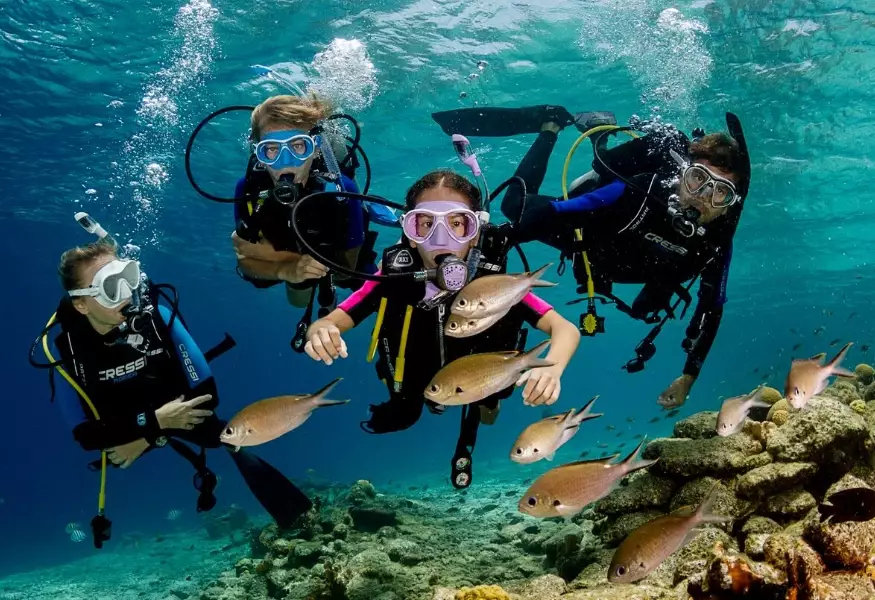
Why it's perfect for beginners: The entire ecosystem is built around you. The bays on the west and south sides (like Sai Nuan and Mango Bay) are bathtub-calm. The courses are among the cheapest globally due to high volume. You'll meet dozens of other people doing the exact same thing, which calms the nerves. The island vibe is laid-back, and after your dives, you're in a tropical paradise with great food. The Professional Association of Diving Instructors (PADI) has a major presence here, ensuring generally good standards.
One thing to know: Because it's a factory, shop quality varies. Do your research. Read recent reviews focusing on instructor patience and group size (smaller is better).
4. The Bay Islands, Honduras (Specifically, Roatán & Utila)
The Draw: The Mesoamerican Barrier Reef, the second-largest in the world. Warm, clear Caribbean water and a strong eco-tourism culture.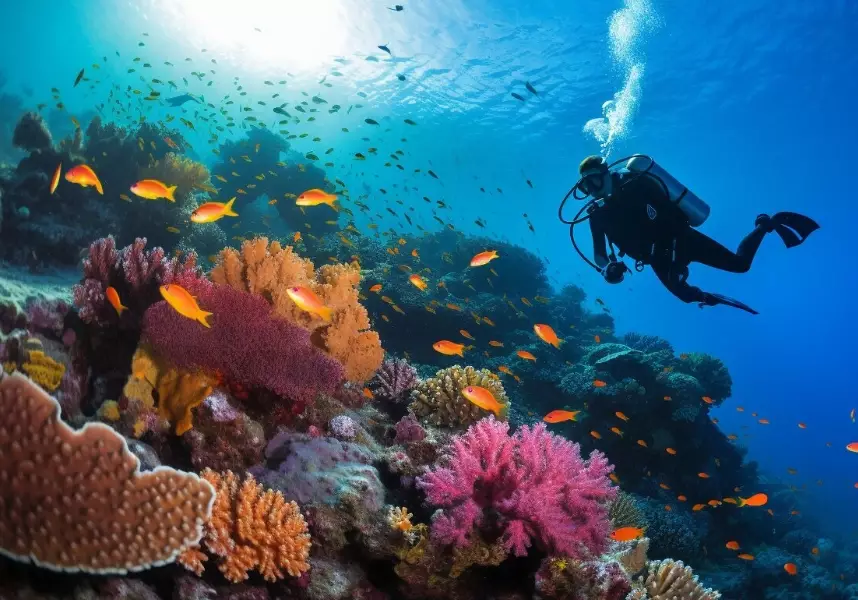
Why it's perfect for beginners: The reef starts very close to shore, especially along Roatán's south coast. Sites like "West Bay Wall" offer a sandy bottom at 12 meters that simply drops away into the blue—it's stunning but not scary. Utila is even more budget-focused and backpacker-friendly, with a legendary party scene if that's your thing. The marine life is classic Caribbean: eagle rays, turtles, and friendly groupers. English is widely spoken.
One thing to know: The rainy season (Oct-Jan) can bring less predictable conditions. Aim for February to September for the calmest seas.
5. The Cenotes, Yucatán Peninsula, Mexico
The Draw: A completely unique experience—diving in crystal-clear freshwater caverns, not the ocean.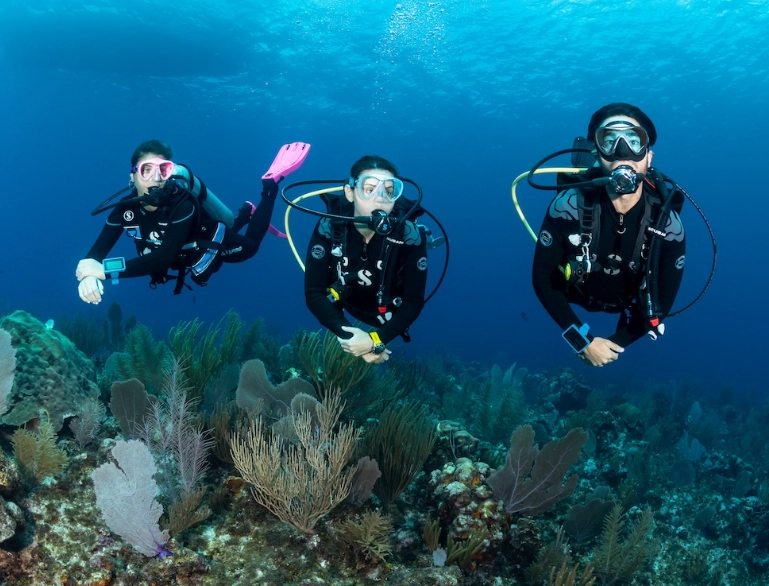
Why it's perfect for (adventurous) beginners: Hear me out. While cavern diving is a specialty, many cenotes like "The Pit" or "Dos Ojos" have open-water sections or cavern zones with permanent guide lines and constant, comfortable temperatures. There are zero currents, waves, or saltwater. The visibility is often 100+ meters. It's a surreal, otherworldly way to build confidence in buoyancy and trim because the water is so still. You must go with a dedicated cenote guide, which means small groups and high attention.
One thing to know: This is not a replacement for ocean certification, but a phenomenal add-on after your first few ocean dives near Playa del Carmen or Cozumel. It teaches exceptional control.
Planning Your First Dive Trip: A Realistic Checklist
Okay, you've picked a spot. Now what? Let's get practical.
Step 1: Choose Your Course. The PADI Open Water Diver certification is the global standard. SSI is equally good. If you're short on time, many destinations offer a PADI Scuba Diver (a half-certification) or a Discover Scuba Diving experience. For a real commitment, go straight for Open Water.
Step 2: Medical Check. You'll fill out a medical questionnaire. If you answer "yes" to anything (like asthma, heart issues, recent surgeries), you'll need a doctor's clearance. Don't ignore this. Get it done before you travel.
Step 3: Gear. Rent everything at the dive center except three items: a mask that fits your face perfectly (try it on without the strap, inhale through your nose—it should stay put), snorkel, and fins. Buying these personal items improves comfort immensely. Don't buy a regulator or BCD for your first trip.
Step 4: Logistics. Book your dive center in advance, especially in peak season. Ask them about accommodation deals. They often have partnerships with nearby hotels. Allow a minimum of 18-24 hours after your last dive before you fly. This is a serious rule to avoid decompression sickness.
Step 5: Mindset. You will feel awkward. Your buoyancy will be terrible at first. You might suck down your air faster than anyone else. This is 100% normal. Every single diver, including me, started here. The goal isn't perfection; it's safe progress.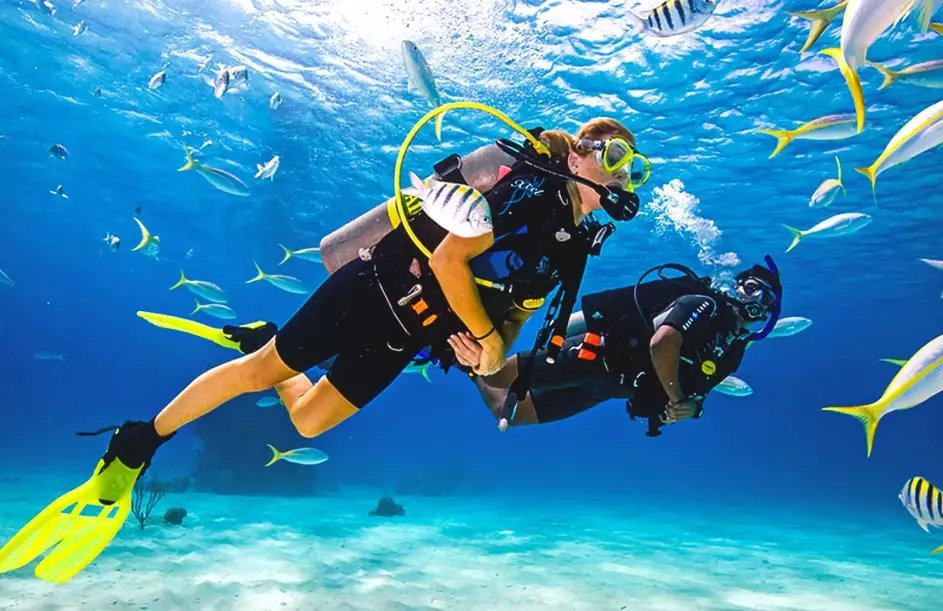
FAQs Every New Diver Asks (And Wishes They'd Asked Sooner)
The best place to start scuba diving is the one that makes you feel secure, excited, and supported. It's less about geography and more about the conditions and the people. Whether it's the wreck in Bali, the reefs of Egypt, or the cenotes of Mexico, pick a spot from this list, do your planning, and take that first breath underwater. The world beneath the surface is waiting, and it's even better than the pictures.

Comments