Let's cut to the chase: there is no single "best" place for everyone. The perfect spot for you depends on your budget, your tolerance for travel, the kind of environment that makes you comfortable, and what you want to see once you're underwater. I've certified students from Thailand to Tanzania, and the biggest mistake I see is people picking a destination because it's famous, not because it fits their learning style.
The real answer is a shortlist. We'll break down the top contenders, not just by postcard beauty, but by the practical stuff that matters when you're a nervous beginner holding a regulator for the first time: instructor quality, water conditions, course structure, and real-world costs beyond the advertised price.
Your Quick Dive Guide
How to Choose the Right Dive School for You?
Before we talk locations, let's talk about the school itself. The destination provides the stage, but the instructor and dive center are the directors of your experience. A great school in a mediocre location beats a terrible school in paradise every time.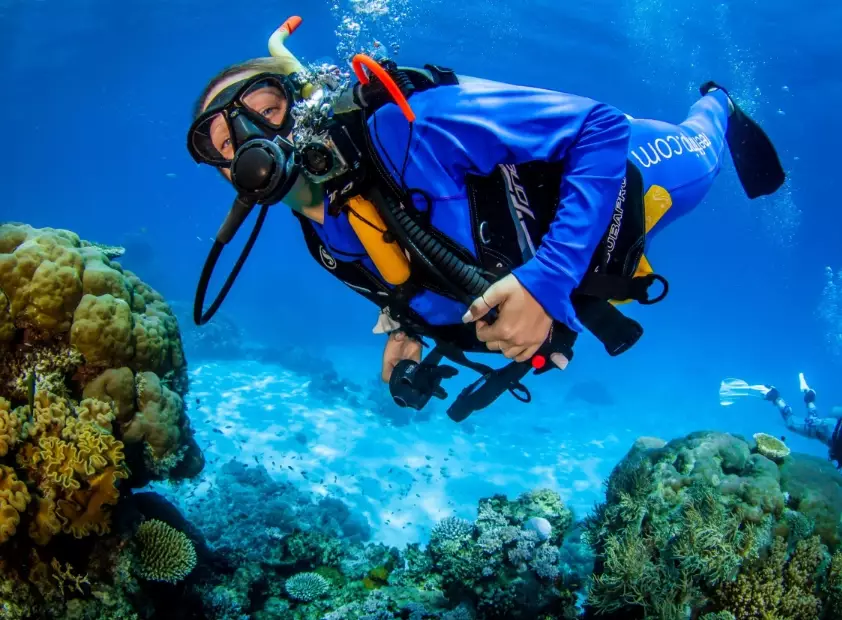
Look for these things, in this order:
Instructor Vibe: Email them. Call them if you can. Do you feel rushed? Do they answer your nervous questions with patience, or with generic sales copy? Your instructor is your underwater guardian. You need to trust them implicitly.
Equipment Quality and Maintenance: When you visit, look at the gear. Is it organized? Does it look relatively modern and well-cared for? Don't be shy to ask about their maintenance schedule. A reputable center will be proud to tell you.
Environmental Ethics: Do they talk about buoyancy control to protect the reef? Do they have a policy on gloves (pro tip: good schools often forbid them for beginners to prevent grabbing coral)? Check if they are affiliated with organizations like Project AWARE.
I turned down a job at a famous, high-volume factory school because they pushed 8 students per instructor. The burnout rate for staff was high, and the student experience was just a conveyor belt. You don't want to be on that conveyor belt.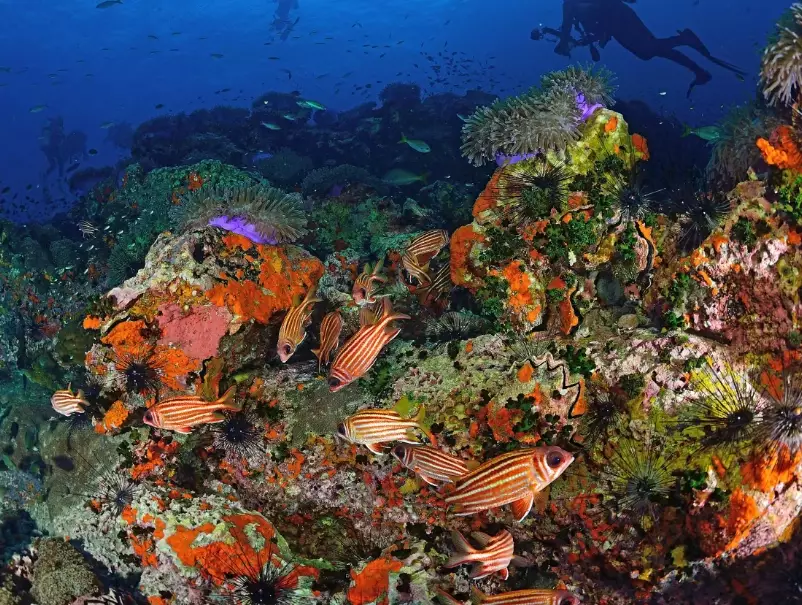
The Top 5 Global Destinations to Learn Scuba Diving
Now for the destinations. I've ranked these based on a blend of beginner-friendliness, value, and overall experience. Think about what column matters most to you.
>Incredibly calm, clear bays perfect for learning; world-class reefs right off the shore.>Diving the legendary GBR, high safety standards, excellent marine park management.>Beautiful above and below water (Chocolate Hills), generally friendly, patient instructors, great macro life.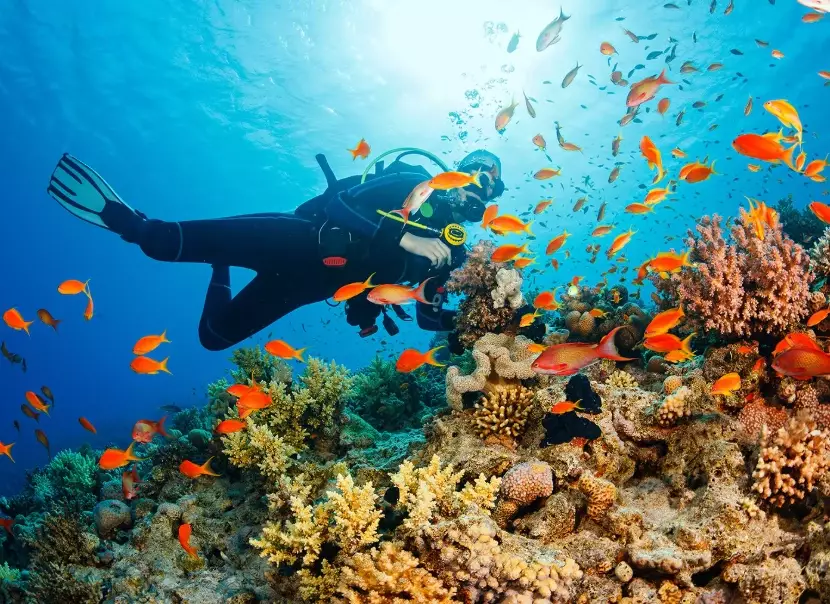
| Destination | Best For | Avg. Open Water Course Cost | Key Perks | The Catch |
|---|---|---|---|---|
| 1. Koh Tao, Thailand | Budget travelers & social butterflies | $300 - $400 | Unbeatable price, warm water, huge dive community, tons of school choice. | Can feel crowded, some "factory" schools, reefs are okay but not pristine. |
| 2. Utila, Honduras | Adventurous backpackers on a tight budget | $280 - $380 | Extremely cheap, high chance of seeing whale sharks (seasonal), laid-back island life. | Basic infrastructure, longer travel to get there, conditions can be choppier. |
| 3. Sharm El Sheikh, Egypt (Red Sea) | Calm conditions & stunning visibility | $350 - $500 | Less of a "budget" destination, can be resort-heavy. | |
| 4. Cairns/Great Barrier Reef, Australia | Those who want iconic marine life from day one | $450 - $650 (AUD) | Most expensive on the list, courses often involve liveaboard add-ons. | |
| 5. Bohol, Philippines | Combining diving with a beautiful tropical holiday | $320 - $420 | Weather can be less predictable (typhoon season), some sites have currents. |
Digging Deeper: Koh Tao vs. The Red Sea
Let's compare the two most common poles of the decision: budget (Koh Tao) and ideal conditions (Red Sea).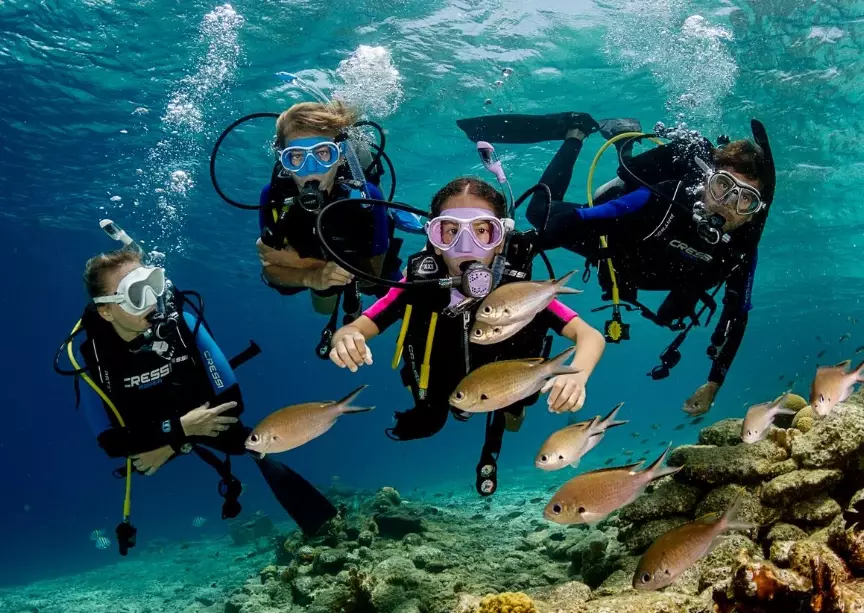
On Koh Tao, your money goes far. You can get certified, stay in a cheap bungalow, and eat street food for two weeks on what a course alone might cost elsewhere. The social scene is huge. But you'll likely do your training dives at crowded sites like Japanese Gardens. It's fine, but it's not mind-blowing. The real value is the price and the community. Find a smaller, reputable shop off the main Sairee Beach strip for a better experience.
In Sharm El Sheikh, you're paying for the environment. The first time I taught there, I was stunned. The water in the bay was so flat and clear, students could see the entire skill demonstration from the surface. Anxiety levels plummeted. You're learning in a world-class diving arena. The cost is higher, and it's less of a backpacker hub, but for pure skill acquisition in a forgiving environment, it's top-tier.
What Does Learning to Dive Actually Look Like?
People often think it's just jumping in the ocean. It's more structured, which is good. Here's the typical PADI Open Water Diver course breakdown: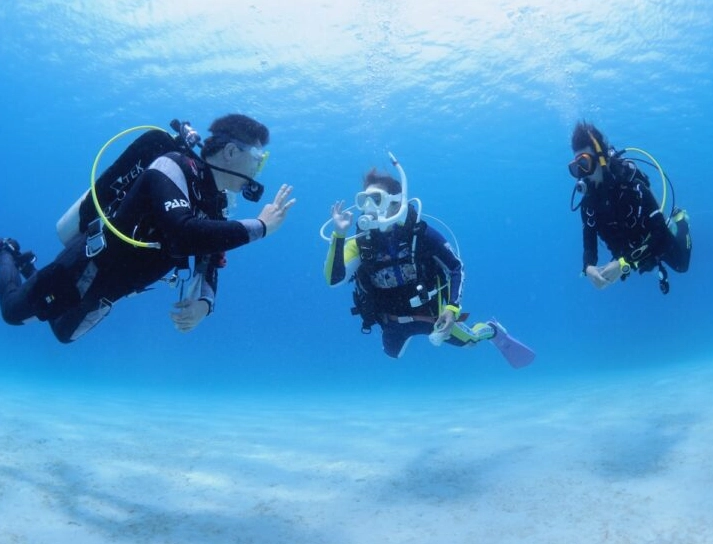
Knowledge Development: You'll do this online via eLearning before you travel (highly recommended) or in a classroom on-site. It's videos, reading, and quizzes on theory—pressure, buoyancy, equipment.
Confined Water Dives: This is usually in a pool or a very calm, shallow sandy bay. Here, you learn all the fundamental skills: setting up gear, breathing underwater, clearing water from your mask, recovering your regulator, and establishing neutral buoyancy. This is where a good instructor makes all the difference. If you panic here, they can stand up.
Open Water Dives: Four dives over (typically) two days. You'll go to actual dive sites, repeating the skills in a real environment, and then just... swim around. This is the fun part. You'll start to navigate, practice buoyancy over a reef, and just enjoy being weightless.
Plan for 3.5 to 4 full days minimum. Always add a buffer day afterward before you fly (flying too soon after diving can cause decompression sickness).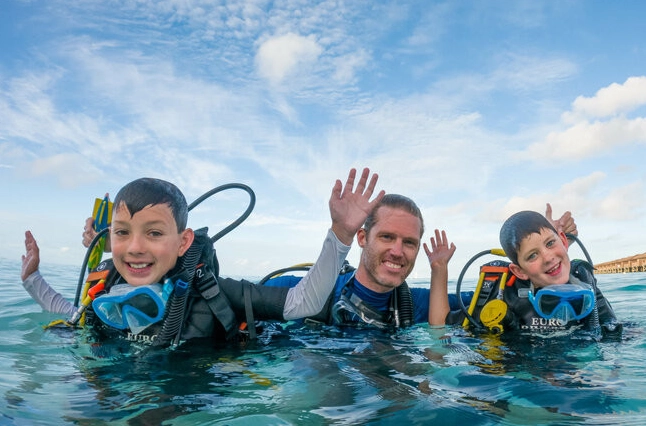
Your Learning to Dive Questions, Answered
Is Koh Tao really the cheapest place to get certified? What are the hidden costs?
As a nervous beginner, what destination has the calmest, clearest water for my first ocean dive?
How many days should I realistically block off to get my Open Water Diver certification on a trip?
I'm not a strong swimmer. Is that a problem for learning to scuba dive?
So, where is the best place in the world to learn to dive? It's the place where you find a patient, professional instructor at a school that values safety and the environment over volume, located in waters that match your comfort level. For most, that's a balance of the practical (cost, travel time) and the ideal (conditions, marine life). Use the table above as a starting point, then do the real work: researching the individual dive centers. Your certification card will be the same no matter where you go, but the memory of how you got it—and how you felt during those first breaths underwater—will be entirely shaped by the place and people you choose.
Start with the school. The destination will follow.


Comments